
How To Create An Urban Oasis In Your Backyard For Green Thumbs And Novice Gardeners Alike

You’ve worked hard to own your own place, and now you finally get to enjoy the benefits. You can decorate every room in your home to suit your taste, and you can also turn your backyard into your personal sanctuary, where you can chill and recharge. But how do you transform your outdoor space without spending a fortune?
Don’t worry, we’ve got you covered. We’ve gathered some easy and affordable ideas that you can do yourself. Forget about hiring a landscaper. You can make your garden look amazing with some creativity and DIY skills.
4 ways to spruce up your backyard the budget-friendly way
If you are looking for some simple and affordable ways to transform your backyard into a cozy and inviting space, you might want to check out these four ideas. They are easy to do, require minimal materials, and can make a big difference in the look and feel of your outdoor area.
1. Rock your backyard with a DIY stone fire pit
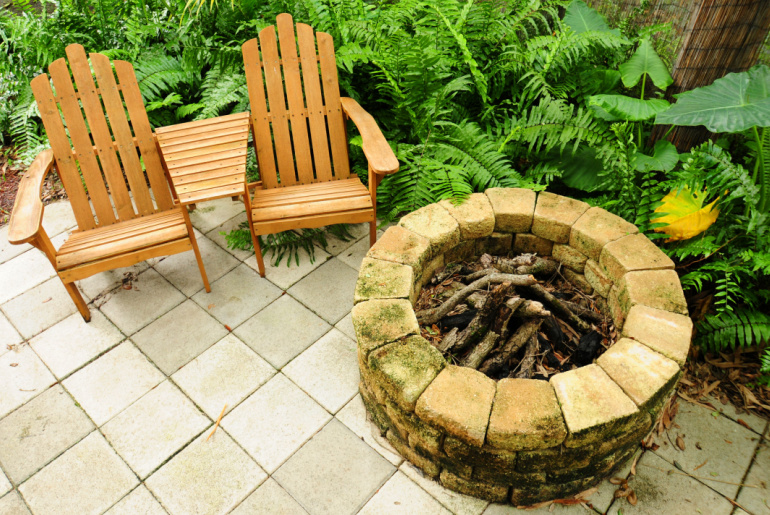 A wonderful way to cozy up your yard or patio is a DIY fire pit made of stone. This idea will warm you up on crisp evenings and will create the perfect ambiance for late-night stories with your friends and family. The best part is that it takes only one afternoon to build, so you will be ready for some s’mores in no time.
The budget for this project will differ depending on the materials you choose, but it is cheaper to build your own fire pit.
For this project, you’ll most likely need:
- Paving stones
- A fire pit ring (optional if you want a smokeless pit)
- Gravel
- Landscaping stone bags
- A large shovel
Before you start building your firepit, pick a spot that’s safe and cozy. Make sure it’s at least ten feet away from anything that can catch fire, like buildings or trees, and on level ground. You also want to have enough room for seating, so keep it at least six feet away from any slopes.
First, you need to know the diameter of your fire pit ring before you buy the stones. The ring should fit snugly inside the circle of stones, with only 1-2 inches of space. Use the fire pit ring to measure the circumference of the circle, trace it and use a large shovel to dig out the grass.
Flatten the soil and check if it’s even. Fill the pit with gravel galore (a few inches or more). Spread it around with care. The gravel will help the water drain and seep into the ground, so your pit won’t turn into a pond when it rains.
Once the gravel is in place, stack your stones in a ring and pile them up high. The fire pit wall should be at least 12 inches tall. No need for mortar if the stones are hefty and stable, but you can use some fire-proof glue for extra stability.
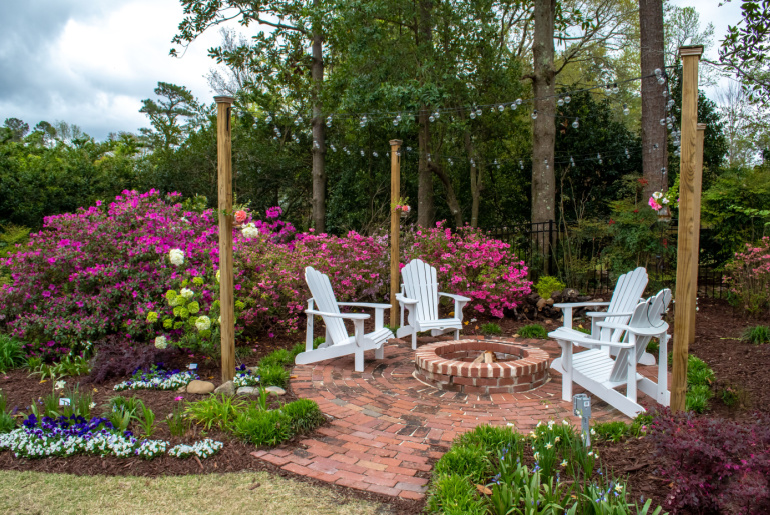
As for the seating ideas, you can choose any kind of outdoor furniture for your fire pit seating, from wooden benches to Adirondack chairs to folding camping chairs. It doesn’t matter what you pick, as long as it’s comfortable and safe.
You’re almost done, just grab some logs, some yummy snacks, invite some pals over and enjoy your cozy fire pit!
2. Design your own outdoor dining nook
Having outdoor space (opens in new tab)is a wonderful privilege – and one that you should make the most of by creating a beautiful and comfortable sitting area. Chances are you’d like a cozy place to sit on sunny days, a lovely nook where you can enjoy your morning coffee or even a candlelit outdoor dinner.
One of the best ways to do that is by buying the right kind of garden furniture from a local outdoor shop or garden center that suits your style and needs. But finding the perfect garden furniture for your home can be tricky, as you have to balance both the look and the functionality of your chosen pieces.
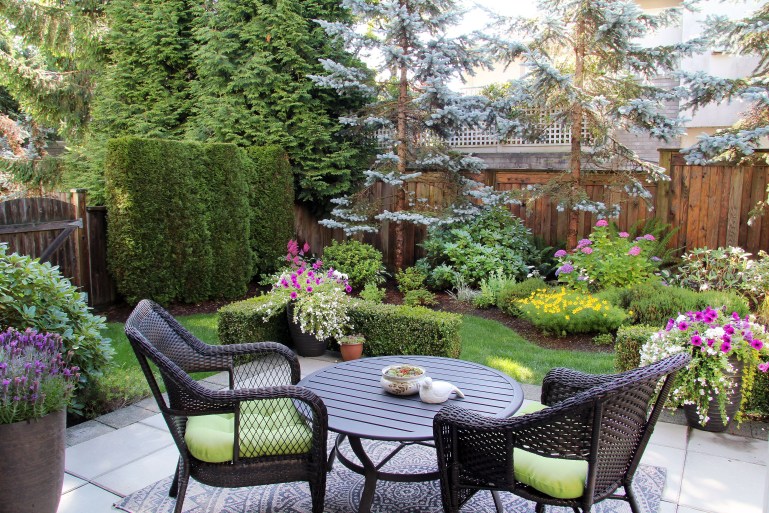
The size of your outdoor space will determine the best garden furniture for you. If you have a small garden, or just a rooftop or balcony, you can opt for a cute bistro set in rattan or metal.
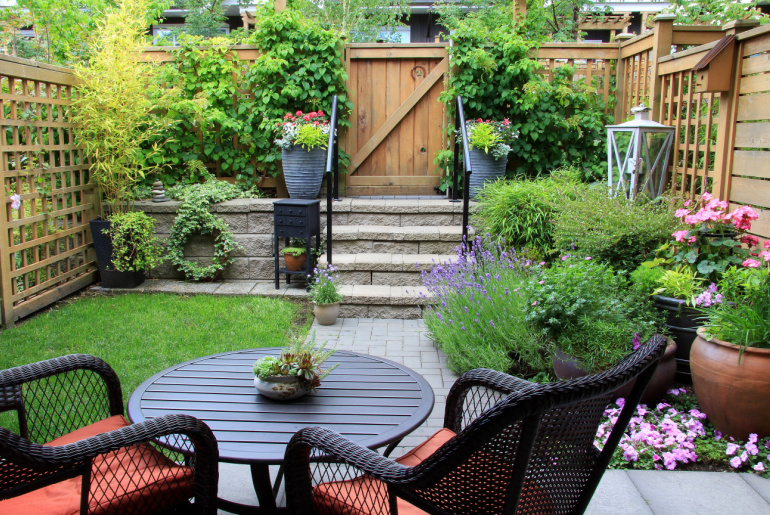
Rattan is very stylish right now and has a charming vintage vibe, especially the café style sets that are popular these days. Rattan effect, or fake rattan, is also a smart choice as it can withstand the weather and can be easily cleaned. Options like teak and acacia wood furniture can stay outside all year long, making them a great option if you lack storage space.
3. Make the most of your urban oasis after dark
A well-designed lighting scheme draws the eye outside to enjoy the garden feature, adding a whimsical perspective as dusk falls. With a little bit of imagination, your garden can turn into a fantastic fairyland.
Think about the mood you want to create in your garden before you shop for garden lights. Do you want a cozy and romantic atmosphere or a fun and festive one?
For example, string lights are a popular garden accessory that will create a warm and cozy ambiance. You can drape them between trees or along your fence for a fairy-tale effect.

Solar path lights, on the other hand, are ideal for illuminating your walkways, while lanterns are lovely for hanging in trees or placing them on tables.
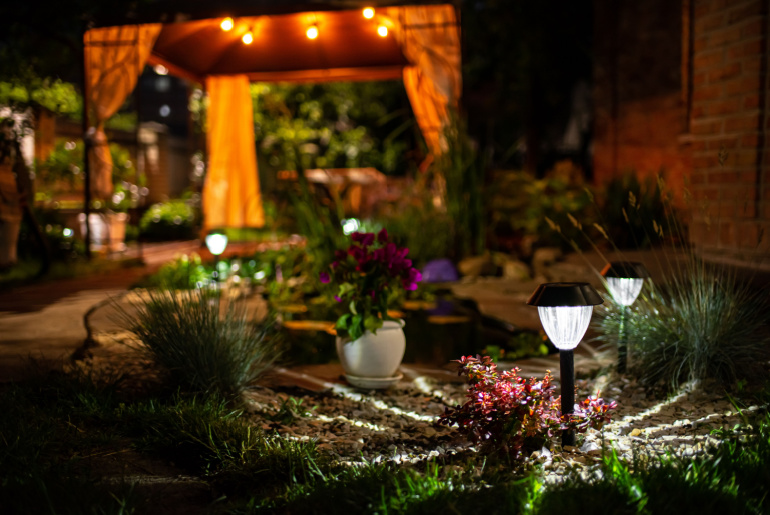
If you want to highlight a special spot in your garden or add some flair to your collection of garden gnomes – spotlights are the way to go.
4. Use fencing to screen out objects that are unappealing
Sometimes, your garden hosts useful but not sightly items. Kids toys, barbecues, gardening tools or your bike might be some examples. The good news is that you can conceal them using DIY fences or privacy panels.
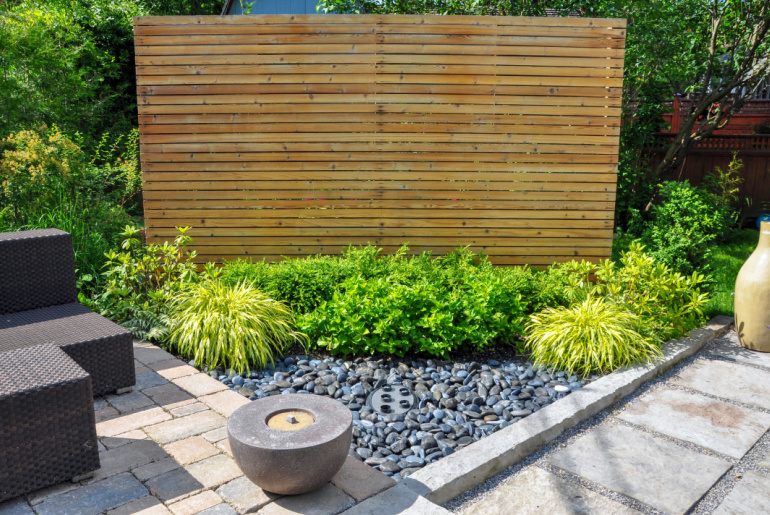
You can use wooden fences to create different zones in your garden and keep the clutter out of sight in the back of the garden. The beauty of these fences is that you can plant some vines or flowers on them if you like, and you can choose fencing that fits your budget, whether you want classy oak or cedar or cheaper woods that you can paint in a nice color. The fences are at different distances to give a sense of perspective and draw the eye down to the garden.
Fences can also help you create some privacy in your garden and keep the nosy neighbors away. To create a DIY fence, you will need some basic tools and materials, such as a hammer, nails, saw, tape measure, level, post hole digger, gravel, concrete, wood boards and wood posts. If you want to combine fencing with gardening, these DIY raised garden bed plans(opens in new tab) include a built-in privacy screen and use many of the same materials and tools
You can follow these steps to build your fence:
• Measure and mark the area where you want to build your fence. Decide how high and how long you want your fence to be.
• Dig holes for the posts using a post hole digger. The holes should be about one-third of the post height deep and about 6 to 8 feet apart.
• Fill the bottom of each hole with gravel for drainage. Then insert the posts into the holes and make sure they are level and plumb. Pour concrete around the posts and let it set for at least 24 hours.
• Cut the wood boards to the desired length and width using a saw. You can also paint or stain them if you want.
• Attach the boards to the posts using nails or screws. You can use different patterns or designs for your boards, such as horizontal, vertical, diagonal, or lattice.
What to plant in your urban garden
Planting and tending to plants is hard but that’s what turns a lackluster yard into a feast for the eyes and mind. There are plenty of solutions even for novice gardeners, from low maintenance plants to vertical gardening for those who lack the space.
Low maintenance plants that even beginners can grow
If you are a beginner, there are some plants that will make it easier for you to create a green corner, as they grow fast and require little to no maintenance.
To make your garden a breeze to tend, you need to pick the right plant for the right spot. For example, a plant that craves water will wither in a dry corner of your garden, and you will waste your time trying to quench its thirst. A smart move is to choose plants that are adapted to the climate in your location, as this makes it much easier to keep your plants happy.
Some examples of plants that are tough as nails include: Russian sage, Sedum (Stonecrop) Hostas, Peonies, Coneflowers, Dead Nettle and Catmint. Be careful with the last one, though, as it might induce a euphoric and hyperactive state in your cat.

Self-seeding plants are your best friends
Let your garden be wild and free with self-seeders that will grow on their own. You won’t have to do much work, just some basic upkeep, and your garden will take care of itself. The magic of self-seeders is that the less you interfere, the more they will flourish. And they are a bargain – one pack of seeds will give you endless flowers.
Imagine having tall spikes of pink or purple flowers that bloom in late spring or early summer, adding a touch of elegance and history to your garden. These are wild gladioli, perennial plants that like full sun and well-drained soil. They can grow up to 35 inches high.
If you want some evergreen plants that will create a dramatic effect in your garden, you can try euphorbia. They have striking foliage and flowers that range from green to yellow to red. They can grow in sun or shade, and in dry or moist soil, and can tolerate frost. They can grow up to 60 inches high and wide and will catch your eye all year round.
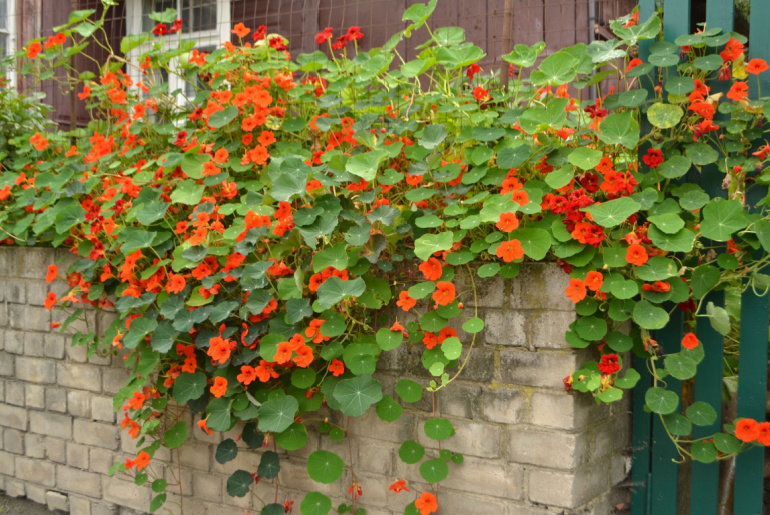
For some edible and colorful plants that will also help your fruit and vegetable crops, you can plant nasturtiums. They have leaves and flowers that you can eat, and they come in various colors, such as yellow, orange, red or cream. They attract beneficial insects and deter pests, making them excellent companion plants. They like full sun and free-draining soil, and they can grow up to 10 inches high and spread widely.
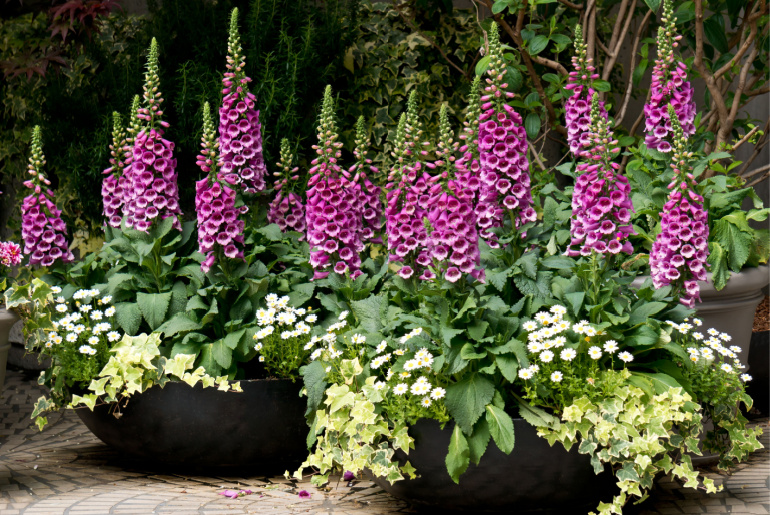
To attract pollinators, especially bees and hummingbirds, to your garden, you can also grow foxgloves. They have tall spikes of bell-shaped flowers that come in white, pink, purple, or yellow. They can add height and color to your garden, especially in shady or partially shady areas. They prefer moist but well-drained soil, and they can grow up to 70 inches high.
For some bright and cheerful plants that have medicinal and culinary uses, you can choose the calendula. They have yellow or orange flowers that bloom from spring to autumn, and they can also be used as a natural dye. They like full sun or partial shade, and fertile but well-drained soil. They can grow up to 20 inches high.
Evergreen shrubs provide year-round interest
If you are looking for plants that will give you year-round interest, low maintenance, and support for other plants, you might want to consider small evergreen shrubs. These are plants that keep their leaves throughout the year, so they always look green and lively.
They also don’t need much pruning or watering, saving you time and energy. And they can act as natural stakes for taller plants that might flop over, such as peonies or delphiniums.
Some examples of small evergreen shrubs that you can grow in your garden are boxwood, lavender, heather and rosemary. These plants also have other benefits, such as fragrant flowers, edible leaves or attractive shapes.
Plant bulbs for a colorful garden
Bulbs will brighten up your days and delight your senses. They are easy to grow and care for, as they can thrive on their own and bloom at different times of the year, giving you a continuous show of flowers.
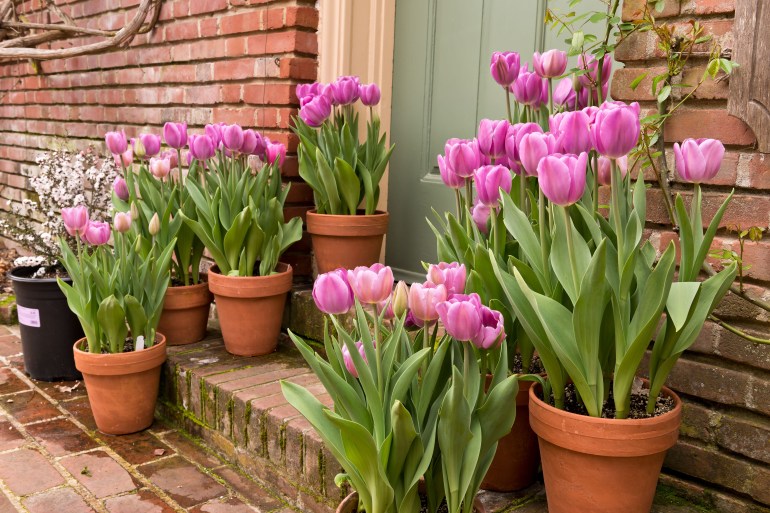
You can choose from a variety of bulbs, such as tulips, daffodils, hyacinths, crocuses, irises, lilies, and more. Each bulb has its own charm and beauty, and you can mix and match them to create stunning combinations. You can plant bulbs in pots, containers, borders or beds, depending on your space and preference. You can also plant them in layers, so the lower ones will emerge after the upper ones have faded, creating a succession of color.
Easy-to-grow vegetables and aromatic herbs
Don’t let your neighbor’s vegetable garden make you green with envy. You can grow your own veggies(opens in new tab) too, and it’s easier than you think. There are many tasty and healthy vegetables, such as crunchy lettuce, bush tomatoes, and green onions that don’t need a lot of work or space to grow. You can even grow them on your balcony!
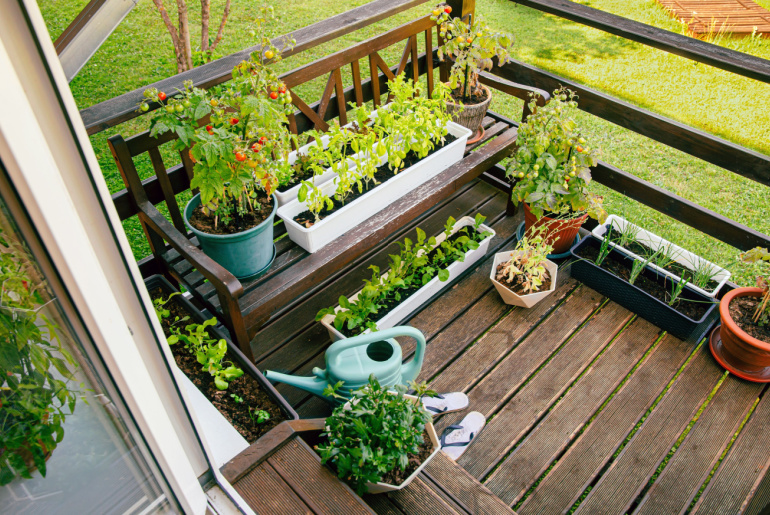 Salad leaves, such as rocket, lettuce, spinach, and kale can be sown in pots or containers, and they can be harvested on a cut-and-come-again basis, meaning you can pick the leaves as you need them, and they will regrow. They prefer partial shade and moist soil, and they have a short growing season.
Bush tomatoes are tomato plants that grow in a compact and bushy shape, unlike cordon tomatoes that grow tall and need staking and pruning. Bush tomatoes are easier to grow and care for, as they don’t need much support or training. They produce small to medium-sized fruits that are juicy and flavorful. They like full sun and well-drained soil, and they can be grown in pots.
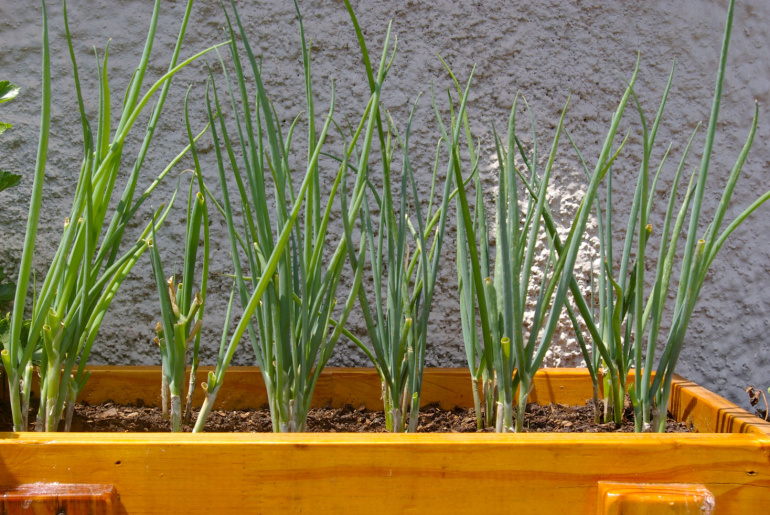
Green onions, also known as scallions or spring onions, are harvested before they form bulbs. They have a mild onion flavor and can be used raw or cooked in salads, soups, stir-fries, and more. They like full sun and fertile soil, and they can be harvested in a few weeks. Chives, the perennial sisters of the onions, are also extremely easy to grow, as they can adapt to any soil type and light condition. They can be grown from seeds or from clumps of existing plants.
 Plant more in less space with a vertical garden
If you love plants, you know how hard it can be to find enough space for them. Whether you have a cozy indoor jungle or a lush outdoor oasis, you might wish you had more room to grow your green friends. But don’t worry, there is a solution that lets you have more plants without taking up more space: vertical gardening.
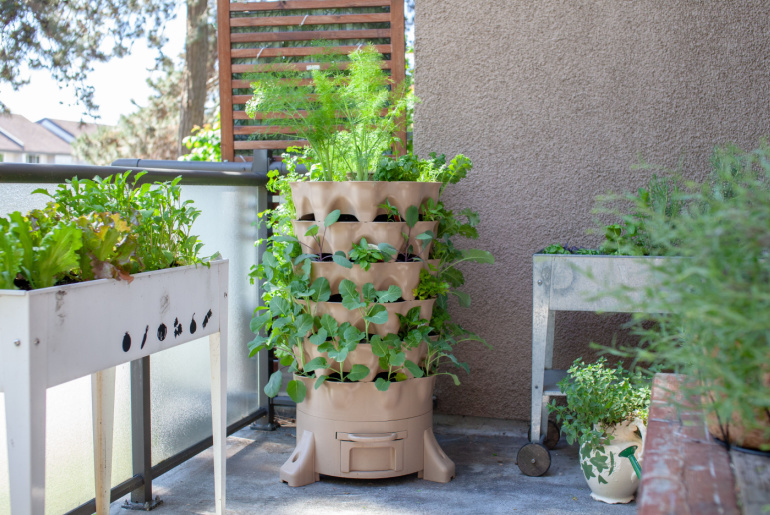
This is a clever way of using vertical structures, such as walls, trellises, fences and doors, to support your plants as they climb up instead of spreading out. You can use this technique to grow all kinds of plants, from flowers to herbs to vegetables, both inside and outside your home.
Vertical gardens have many benefits, such as saving space, water, and energy, improving air quality, and even disguising an unattractive view. Using vertical structures to grow plants can benefit people who live in apartments or have small urban gardens.
Essential tools for your urban garden
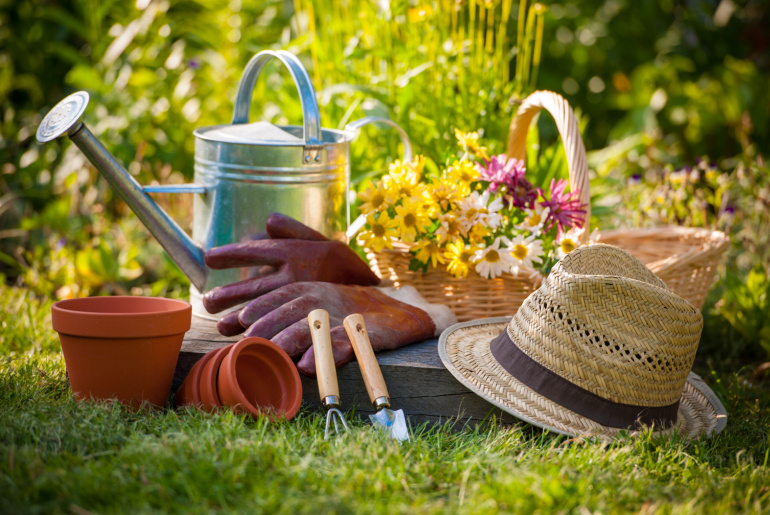
If you love gardening but live in an urban area, you might think that you don’t have enough space or resources to grow your own plants. However, with some creativity and the right tools, you can turn any small space into a green oasis. Choosing the right garden tools can make your life much easier. Quality tools and equipment can speed up the work you need to do in the garden, and they can make a big difference between enjoying and dreading your tasks.
Here are some essential tools for your urban garden that will help you start and maintain your own mini paradise:
Gardening gloves
A pair of gloves is a must-have for any gardener, as they protect your hands from dirt, cuts, blisters, and thorns. You should have a pair of light gloves for planting and a pair of heavy-duty gloves for digging and pruning. The gloves should fit well and cover your wrists.
Hand trowel
A hand trowel is a handy tool that you can use for various gardening tasks, such as digging, scooping, weeding, and planting. You can use it to make holes for seeds or bulbs or to move seedlings or cuttings. A hand trowel should be durable, solid and easy to grip.
Secateurs
This is a useful tool for pruning and tidying living plant parts, such as flowers, vegetables or branches. They make clean and precise cuts that minimize damage to the plants. You should look for pruners with blades made of high-quality steel that stay sharp longer.
Watering can
This is a simple but essential tool for watering your plants. You should choose a watering can that has a large capacity, at least one gallon, and a detachable rose that makes a soft spray. You can use the rose to water the soil around the plants without getting them wet.
All-purpose wheelbarrow
Moving heavy or bulky items, such as rocks, bricks, soil, mulch, compost, plants or garden debris is a much easier task with a wheelbarrow, an essential tool for saving you time and energy. A wheelbarrow can also be used to clean and refresh your paths and other stony garden features, to collect the gravel or rocks, wash them with water, and return them to their place.
Shovel
A shovel is a multipurpose gardening tool, essential for digging holes for planting seeds, bulbs or plants. It is useful when you need to transplant seedlings or cuttings from one place to another, break and till the soil, scoop mulch and compost or make holes for your fence posts.
Rake
A rake is another essential tool that you can use for various purposes in your garden, such as: collecting leaves, grass or other debris that might accumulate on your lawn or garden beds. It comes in handy for loosening and leveling the soil before planting seeds or plants and removing weeds and unwanted plants from your garden. You can use a rake to cut the roots and pull out the weeds from the soil or to create neat edges for your garden beds, paths or lawn.
Garden storage solutions
Having a garden shed can be very convenient for storing your garden tools, toys and other outdoor items. But if you don’t have enough space for one, don’t worry. There are other garden storage solutions that you can use to keep your garden tidy and organized. Here are some examples:
• A garden storage box or bench is a practical option for small gardens or balconies, as it can double as a seat and a storage unit. You can store your gardening tools, cushions, blankets and other accessories inside the box or bench and keep them dry and protected from the weather.
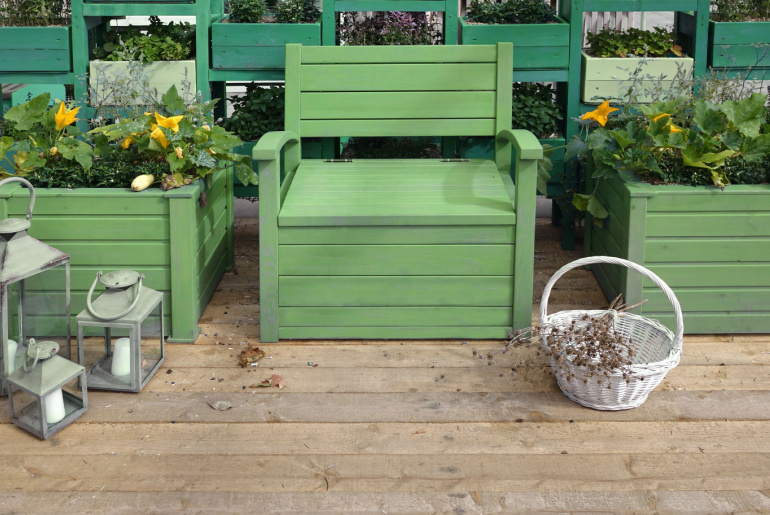
• A wall-mounted shelf or rack makes great use of the vertical space in your garden, especially if you have a narrow or awkward area. You can hang your tools, pots, baskets, lanterns and other items on a shelf or rack and free up some floor space. You can also use hooks, pegs or containers to organize your smaller items.
• If you have a bike that you need to store in your garden, you might want to invest in a bike shed or locker. This is a compact and secure storage unit that can fit one or more bikes, depending on the size. It can also protect your bike from theft, rust and damage.
House your gardening equipment in a storage unit for the winter
Renting a local storage unit(opens in new tab) for your gardening supplies can be a good idea if you don’t have enough space at home or if you want to protect your tools and materials from harsh weather conditions.
A 5×10 storage unit(opens in new tab) will offer plenty of room and a secure and convenient place to store your gardening supplies and equipment, such as soil, fertilizer, pots, seeds, tools and more. And it’s a rather inexpensive service with monthly costs averaging $85.
Making your own green oasis can be a wonderful adventure. The secret is to see your garden not as an extra room of your house, but as a natural space that has its own charm and rhythm. Instead of trying to control everything, let nature do its thing and enjoy its beauty. Try some DIY projects, choose plants that are easy to look after and use the right tools. With these tips, you’ll be able to enjoy your outdoor space in no time.


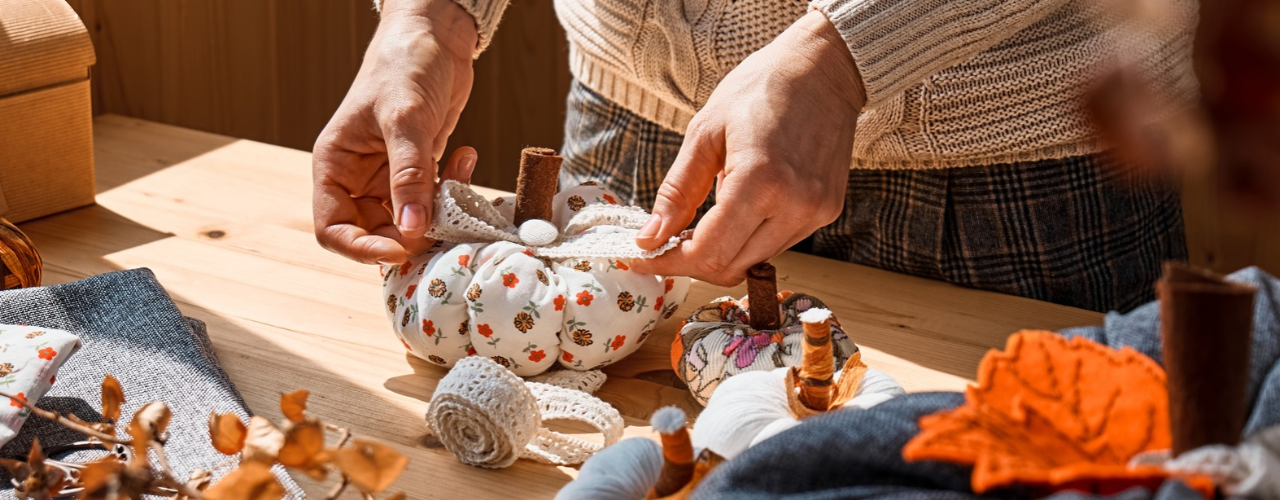
Scary Good DIY Halloween Decorations That Won’t Haunt Your Wallet
A few floating candles in the hallway, a family of ghosts by the front door and a suspicious number of bats climbing up the bedroom wall can make October feel a whole lot spookier. While Halloween stores are full of tempting finds, some of the best DIY Halloween decorations can come from things you already have tucked away in drawers, closets or the recycling bin.

Suburban Giants and Urban Risers: Where America’s 100 Largest Metros Fall on the Self Storage Map
Self storage has long been a suburban story. Across America largest 100 metros, 59% of the inventory built over the past decade sits outside city cores, largely preserving the ratio of the total existing inventory.

Sweatshirt Storage Ideas Worth Keeping Up Your Sleeve
Sweatshirts are great until you realize how much room they take up. A few thick hoodies can fill a drawer fast, with lighter crewnecks getting squashed underneath or pushed somewhere you forget about. Good sweatshirt storage can make that pile much easier to manage without requiring a bigger closet.
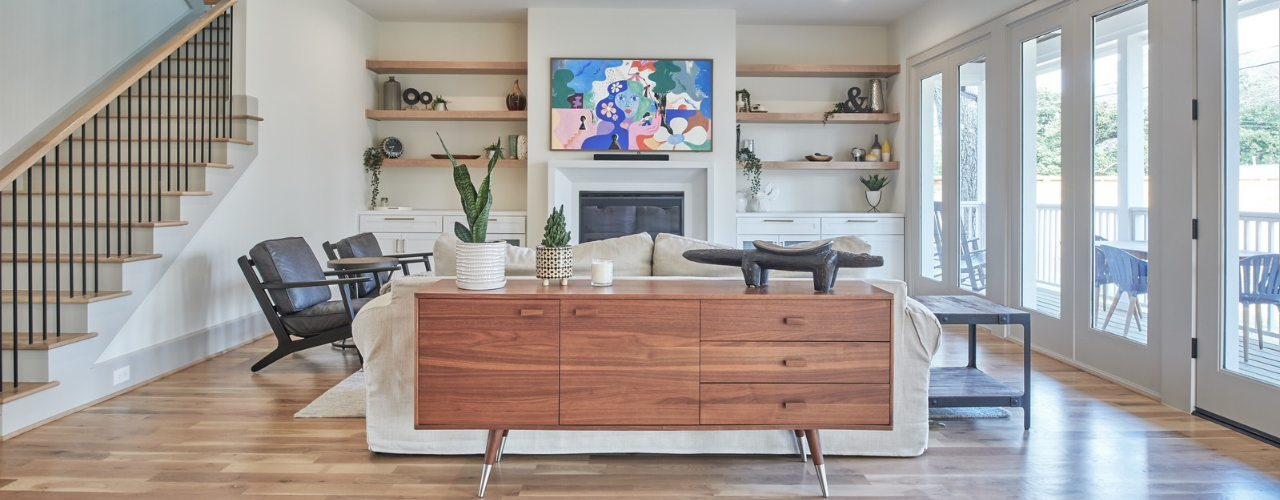
Living Room Storage Ideas: 28 Ways to Reclaim Your Hosting Space
If a living room is where most of a household’s living happens, good storage should be the top priority for setting up or revamping the place. After all, think of how easier it would be to have people over when tidying up the place is just a matter of putting things in their right place (in a time when fewer and fewer people are entertaining friends at home(opens in new tab)). The trick is making room for all those wayward clothes, blankets, chargers and other small things that end up on (or, inexplicably, in) the sofa. Here are 28 living room storage ideas to get you started and make tidying up a quick affair.

25 Mudroom Storage Ideas (And Mistakes to Avoid)
When you come home with muddy boots, an armful of bags and a coat you can’t wait to take off, it’s nice to have somewhere to put it all. With a mudroom, you can leave the outdoor mess at the door instead of carrying it through the house. Traditionally, you’d set aside a separate room, but you can just as easily use a hallway, an entryway closet, a laundry-room corner or a stretch of wall near the entrance.

Is Your Home Office Worth the Rent? What Coworking and Self Storage Could Save You
Every square foot of your apartment comes with a price tag, and a home office claims more of them than most renters expect. It starts with a desk. Then come the second monitor, the printer, the filing cabinet and the overflow boxes. Before long, the corner you set aside for work has turned into a small room you are paying for every month.

Best U.S. Cities to Live Uncluttered: Plano, TX, Offers the Most Room to Breathe
Clutter is in our homes as much as in our heads. Both are shaped by where we live.

America’s Top Snowbird Destinations for 2026–2027: Florida Leads in Numbers, Texas Wins on Value
For Americans living in colder states, the approach of winter is reason enough to start looking south. Cold weather carries costs that go beyond the heating bill and shoveling snow. Seasonal affective disorder(opens in new tab) is far more prevalent in northern states, so a temporary move south isn’t simply an escape from the cold, but a chance to spend the hardest stretch of winter outdoors and in the sun.

How Much Does Halloween Really Cost in 2026? Plan Wisely to Avoid the Scare of Hidden Costs
Americans’ love for Halloween is almost frightening — this year alone, we are on our way to spending $13.5 billion, according to data from the National Retail Federation(opens in new tab). That breaks down to about $115 Halloween costs per person, a whopping 49% more than 10 years ago.