

Keeping children’s toys organized can sometimes feel like a never-ending challenge. From stuffed animals to endless sets of building blocks, the toy collection can quickly grow and become overwhelming. That happens especially if you haven’t made a habit out of organizing toys and having an occasional toy cleanout.
However, with a few simple strategies, you can create a tidy and functional space for your little ones to play. Here are some best practices for organizing kids’ toys and keeping clutter at bay.
Sort and declutter
Sorting through your child’s toys and decluttering items that are broken, no longer played with or are missing pieces is the first step in organizing toddler toys.
Remember that clutter can cause stress in children the same way it does in adults. By decluttering and reducing the number of toys, parents can improve their children’s focus and satisfaction associated with playtime.
Consider donating gently used toys to charity or passing them on to friends or family members. Toys that are not fit for selling or donating should find a new purpose in a toy recycling program.
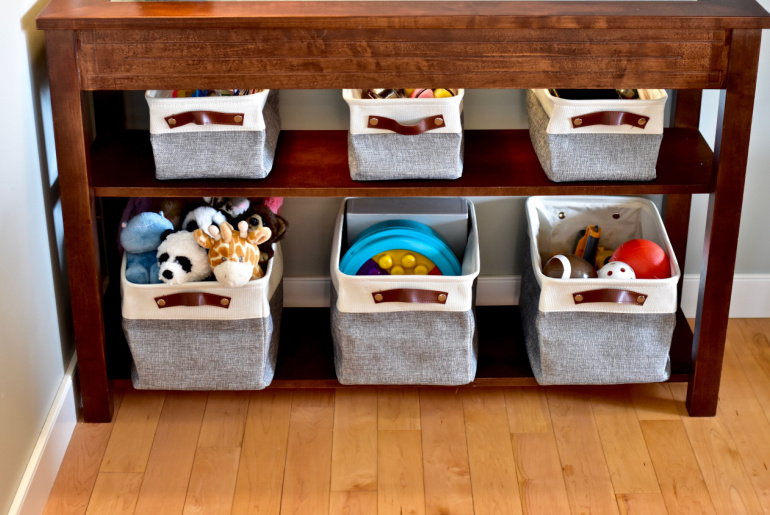
Organize kids’ toys in categories
Organize toys into categories based on type, such as dolls, action figures, puzzles, art supplies, board games and building blocks. This will make it easier to find and put away toys when playtime is over.
Once you have all the toys sorted, it’s much easier to declutter one category at a time.
Invest in storage solutions to keep toys organized and maximize space
Storage bins, baskets, shelves and toy chests are your best friends when it comes to keeping toys organized and easily accessible. Bins work the best when you don’t have a lot of storage space and you need to organize small toys with a lot of elements. Baskets are also handy as they can fit through narrow spaces, like under the bed, and finally, shelves make great use of your vertical space.
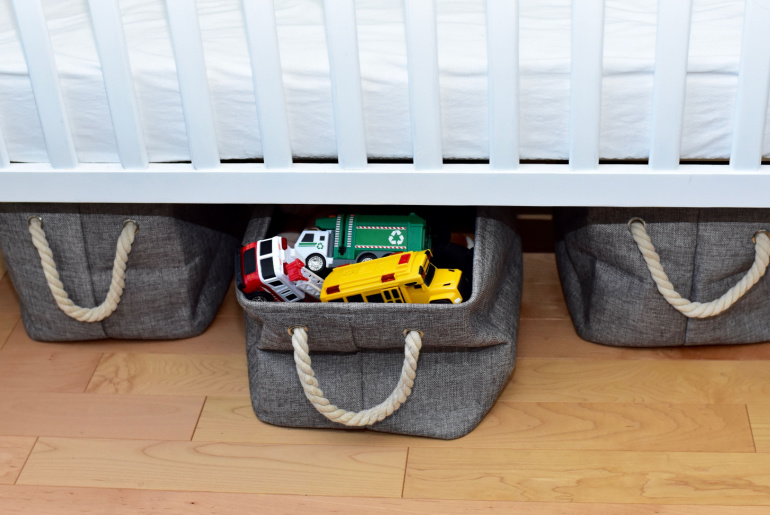 Depending on your playroom setup, you can find a lot of toy storage solutions that maximize space, are durable, child-friendly and appropriately sized for the toys they will hold.
Get creative in organizing toddler toys with labeling
Use clear or picture labels on toy storage bins and containers to assist children in recognizing where toys should be placed. This fosters independence and simplifies cleanup routines.
Labels play a crucial role in toy organization by offering visual guidance for children, empowering them to navigate their play area autonomously. Moreover, these labels can spark joy and interest, motivating children to tidy up based on the engaging visuals they see.

Rotate and store kids’ toys to keep them fresh
To maintain the novelty and excitement of playtime while avoiding overwhelming toy clutter, it’s beneficial to implement a toy rotation system. This involves storing toys that are not in current use and periodically swapping them with others to keep play experiences fresh and engaging. By rotating toys in and out of storage on a regular basis, children are continuously presented with new options, stimulating their imagination and curiosity. This strategy also helps prevent toy overload and encourages appreciation for each toy’s value.
If space at home becomes limited, exploring nearby self storage options can provide a convenient solution for safely storing toys that are not in immediate rotation, ensuring they remain out of sight and out of mind until their next turn in the play rotation.
Designate play areas to keep toy clutter at bay
Establish specific play zones within your home tailored to different types of activities, such as a cozy reading nook, a creative art station or a construction corner. Designating these areas allows for a structured approach to organizing toys, ensuring that each type of play has its dedicated space.
By categorizing and storing toys within their respective zones, you effectively minimize clutter and create a conducive environment for focused play. This not only streamlines the cleanup process but also encourages children to engage more deeply with their toys, as they know exactly where to find and return them after use.
Involve your children in organizing toys
Engage your children actively in the organization of their toys by inviting them to join in the sorting and storage process. Encouraging their involvement instills essential organizational skills and nurtures a sense of ownership and responsibility toward their possessions.
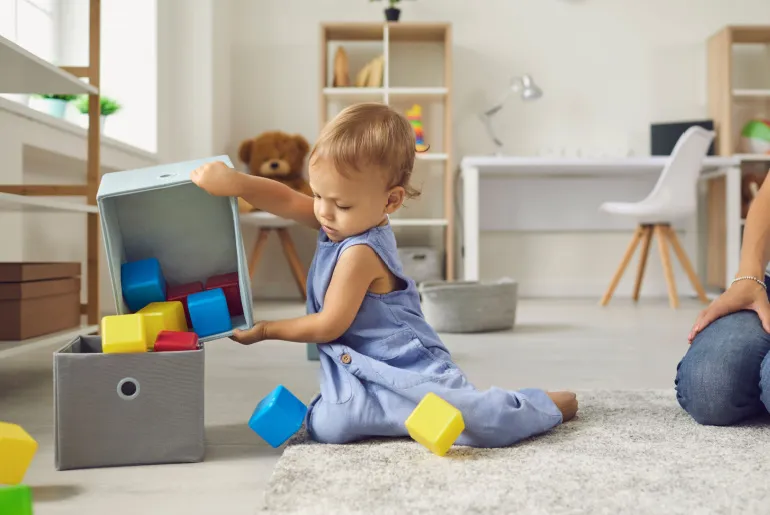 By actively participating in tidying up their playthings, children learn the importance of orderliness and gain a sense of accomplishment in maintaining their space. Witnessing toddlers take charge and joyfully organize their toys is truly a rewarding experience for parents, showcasing the growth of independence in their little ones.
Establish toy clean-out routines
Implement consistent toy clean-out routines by defining clear expectations and incorporating them into daily or weekly schedules. Transforming cleanup sessions into enjoyable activities, such as turning them into games or adding music for a lively atmosphere, can make the process more engaging for children and adults alike. By making cleanup time enjoyable and habitual, you create a sustainable solution for managing toy clutter in your home. Over time, these routines not only keep toy clutter at bay but also instill valuable habits of organization and tidiness in the household.
By following these simple tips, you can create an organized and functional space for your children to enjoy their toys while also reducing clutter and stress for yourself.
With a little effort and creativity, maintaining an organized toy collection can become a manageable task that benefits the whole family.


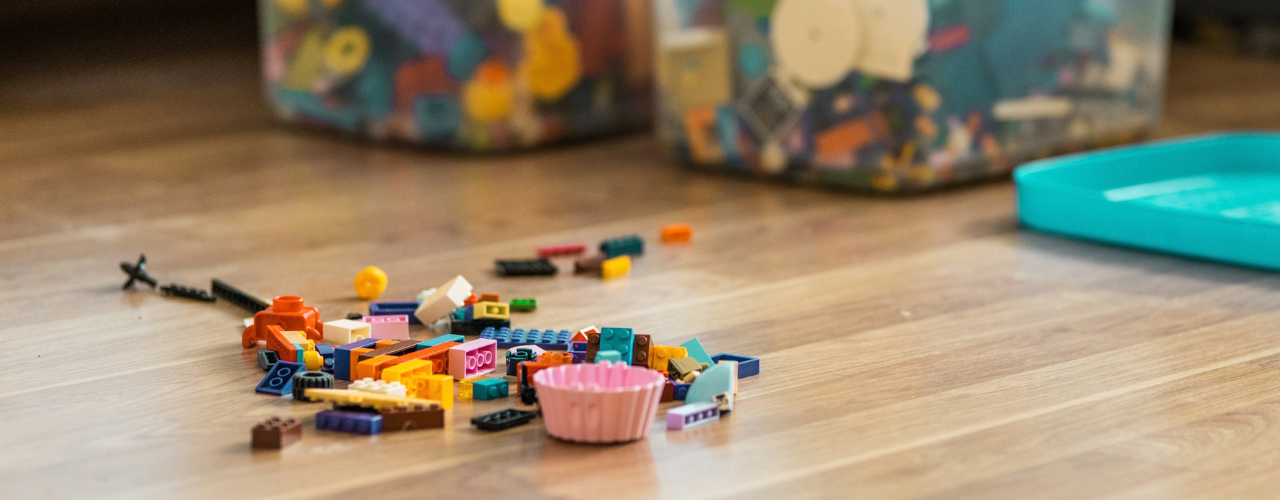
How to Store LEGOs: All the Fun, None of the Clutter
How to store LEGOs largely comes down to how your household uses them. If the bricks are part of everyday play, you need a setup that keeps them within easy reach and makes cleanup quick (for your feet’s sake, at least). Toy storage(opens in new tab) such as simple bins, playmats or containers that children can put away themselves may be enough. Larger or more serious collections usually need more organization, such as labelled drawers for loose pieces, trays for unfinished builds, shelves for completed models and separate storage for retired sets.
Cardboard Costume Guide: Tips and Ideas for a DIY Halloween
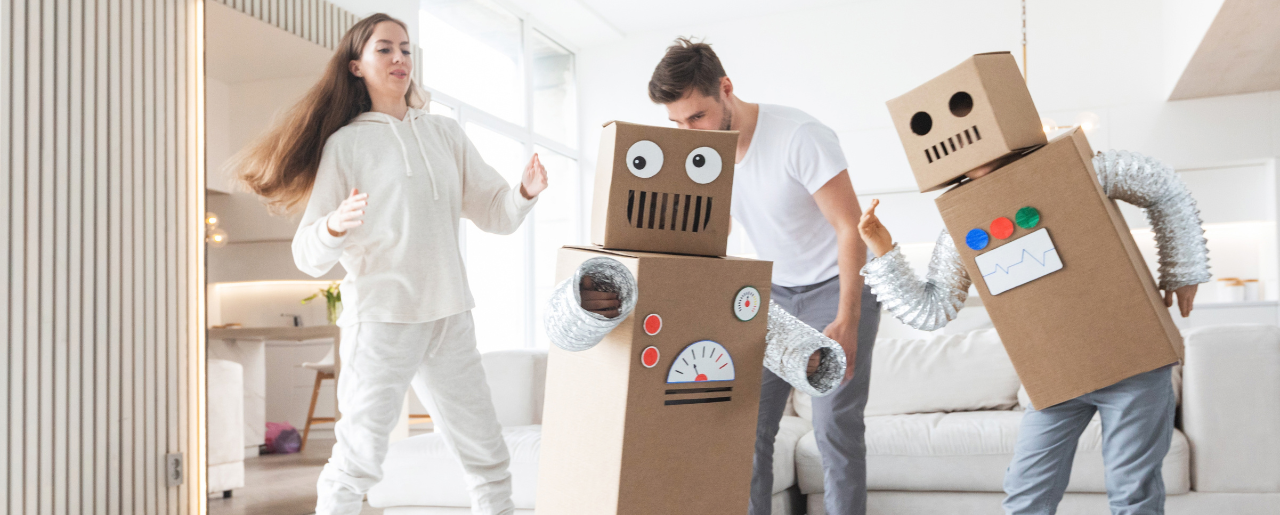
Whether for kids or adults, cardboard costume ideas often make the biggest splash once materialized, and that’s for a simple reason: doing a lot with a little is a universally impressive feat (especially in this economy). If you don’t have enough boxes you could temporarily repurpose, don’t worry! There are many places where you can find free moving boxes(opens in new tab), from stores and supermarkets to online groups and recycling drop-off spots. On the run? Try your luck at a self storage(opens in new tab) facility that sells moving supplies, often for cheap. This way, you can choose moving boxes of different shapes and sizes(opens in new tab), so you can make your costumes as complex as you want.

How to Celebrate Halloween: 9 Non-Spooky Ways To Enjoy It
As soon as October starts, it’s the official Halloween month. And while for many people it means it’s open season to get the scare of a lifetime, others, especially families with small children, might prefer to celebrate in a tamer way that’s both kid- and adult-friendly. While you’re likely to find more events where the spook factor is high, here’s how to celebrate Halloween in a not-so-scary way:

Motorcycle Storage Guide: How to Store Your Bike Safely
Motorcycles may be born to be wild, but eventually even the wild ones need somewhere to park. Whether riding season is winding down or your current living situation comes with plenty of square footage for you and less for your bike, motorcycle storage is one of those parts of ownership that doesn’t get as much airtime as the open road.

Halloween Decorating on a Budget (And Cheap Ideas for Everything Elsee)
Halloween has crept a long way from its eerie origins. While All Hallows’ Eve has transformed through the centuries, it wasn’t until the 1930s that trick-or-treating became a tradition in the U.S. and businesses began conjuring up mass-produced Halloween costumes. Now, Halloween is a monster-sized, billion-dollar industry, with a cauldron full of costumes and decorations ranging from the mainstream to the macabre. But is it all really worth your wallet? Maybe, but we’ll let you in on a little secret: You can keep your Halloween decorating on a budget and save on everything else, too. Take this plan and see it through!

Moving From a House to an Apartment: What to Expect, How to Downsize & How Self Storage Helps
For some, moving from a house to an apartment is a financial decision. For others, it’s about simplifying life. Maybe the kids have moved out and half the house sits empty, or you’re approaching retirement and no longer want to spend weekends on repairs. Or perhaps you’ve been weighing the cost of buying a home and wondering whether renting simply makes more sense right now.
Family Heirlooms Overload: How to Handle Family Inheritance Without Regret
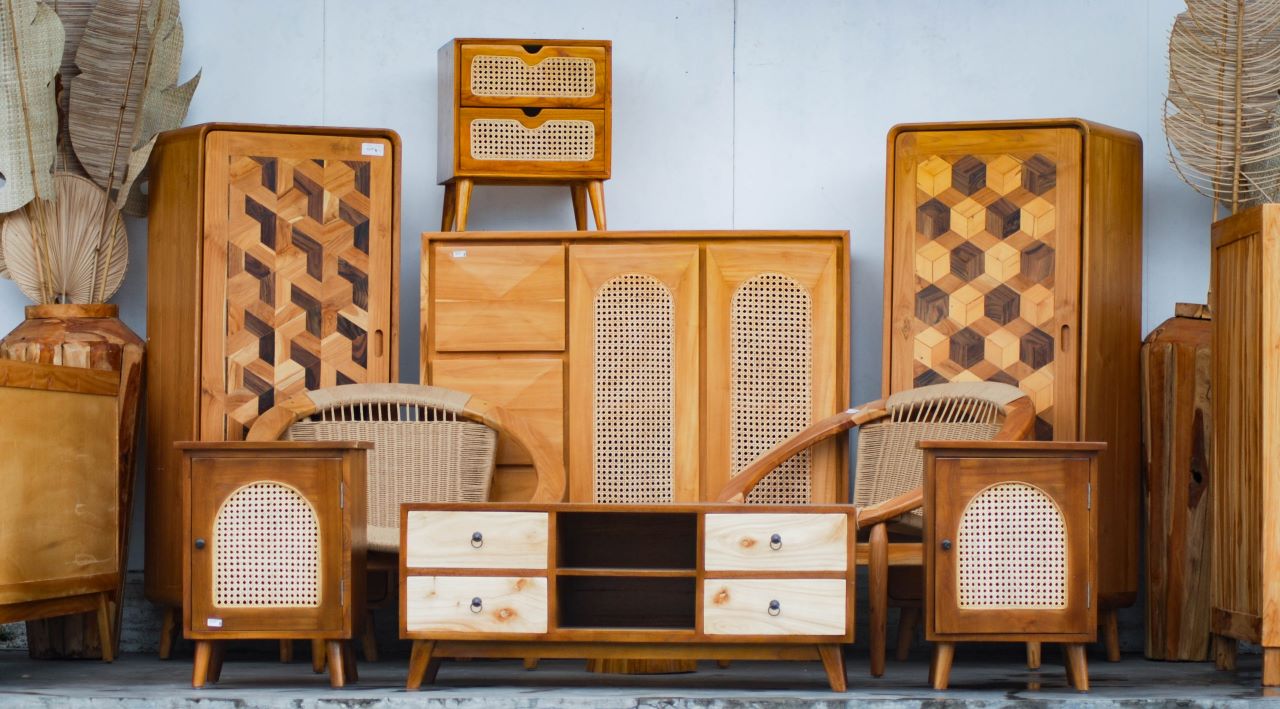
Handling family heirlooms after a loss requires managing legal authority, emotional pressure and practical logistics at the same time, and the order you take them on matters more than most people expect.
Blanket Storage: The Right Method for Every Space and Season
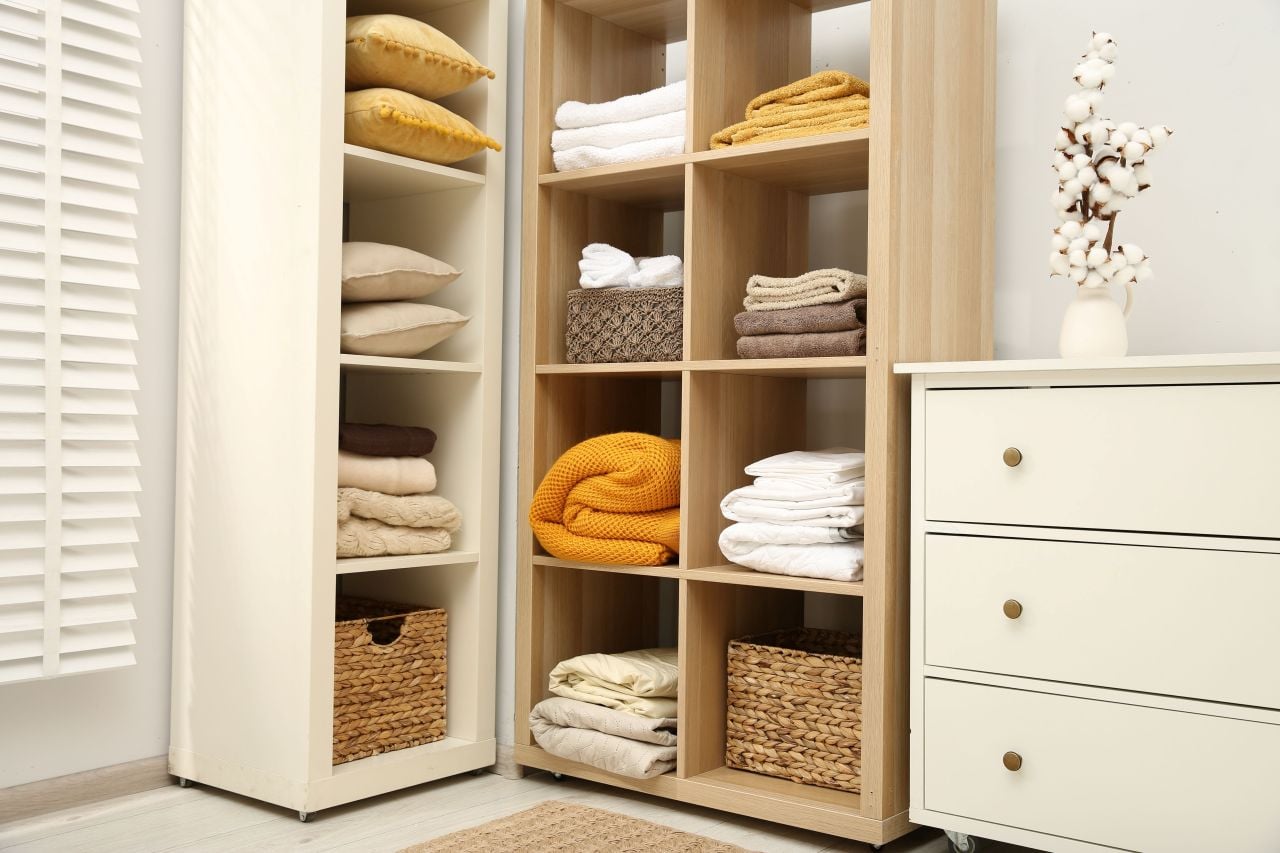
Blankets make our lives cozier, and storing them well is what keeps them soft and comfortable in the long run. Knowing how to store a blanket properly means your favorites come out of storage smelling fresh, feeling the same as when they went in, and lasting years longer than they otherwise would.
Board Game Storage Ideas That Keep Your Collection in Fighting Shape
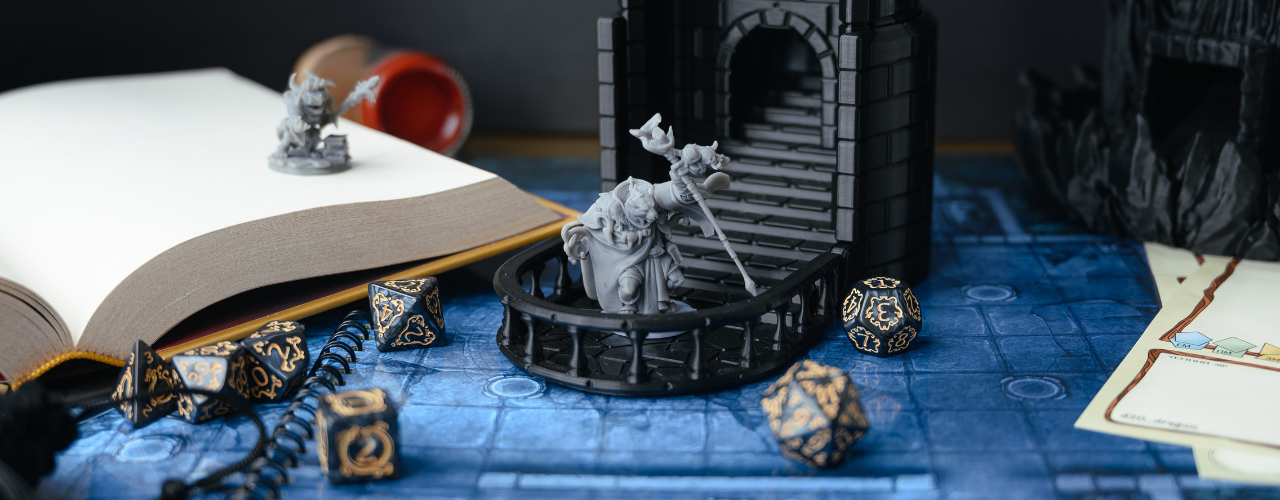
Nobody warns you that getting into board games usually unlocks a second hobby, the much dreaded one that includes figuring out where on earth to put them. One game becomes a few, expansions start spawning beside their base boxes and before long, board game storage requires as much strategy as whatever is waiting on the other side of those lids.