

Moving to a new house is no easy thing. In particular, the garage tends to take the fun out of moving, even for the most courageous people. Many of us use the garage as a dumping ground for stuff that’s too inconvenient to store inside or for items that we’re not sure we’ll use again. It’s no wonder that packing the garage seems like a huge, time-consuming chore. However, there is hope. As always, organization is key. With a clear plan in mind, you can get it done hassle-free and in no time.
Here’s how to pack your garage for moving in five easy steps.
1. Start early on
Save yourself the stress and start packing the garage early. If you postpone packing your garage until the last possible moment, the task will be more difficult. There’s a lot of sorting, cleaning up and discarding involved in the process, so make sure you allocate enough time. This way, you’ll have time to decide which belongings are worth keeping and which you should let go.
2. Go through the boxes first
If your garage is like most garages, there are shelves on the walls and plenty of mysterious boxes on those shelves. Take them down, one by one, and check the contents. Whether it’s toys, old clothes, dishes, cutlery or small kitchen appliances, it’s obvious you’re not using it regularly anymore. Be thorough and merciless. Discard everything that’s not useful or important.

If your boxes contain some sentimental stuff – children’s drawing or school projects, magazines, postcards and so on –take photos of the most significant ones instead of holding on to the physical copies. You could also create collages out of them for the walls of your new home. This way, your precious memories will be on display instead of cluttering your garage.
3. Prepare the appliances for moving
A lot of people keep garage freezers and fridges. If that’s the case, skip a couple of shopping trips and eat the food that you already have stored in there. Then, you can defrost and clean your appliances thoroughly, getting them ready for transportation.
These appliances take up a lot of space and might get in your way while trying to pack the rest of your garage. To make things easier, it’s a good idea to temporarily put them in a self storage unit until you’re ready to take them to your new home.

4. Take care of your tools
From lawnmowers and snowblowers to gardening and power tools, you probably have a lot of tools in your garage. When preparing them for moving, there are some rules you should follow. First, if you haven’t used your tools in a while, make sure they’re in good shape and working properly. Then, decide whether you need them at your new home. If you no longer need the tool, donate it or sell it online.
Empty the tanks of tools and machinery that use gas or oil. Packing and transporting them with full tanks creates multiple risks from spills to fire hazards. Once emptied, wipe your tools to remove dirt, grease, rust and so on. Allow them to dry completely before packing.
Pay close attention to how you are packing tools when moving. They may have irregular shapes, blades or spikes. Transportation can also damage power tools. You need sturdy boxes – preferably plastic ones, or wooden crates, as cardboard boxes can hardly hold heavy tools. Make good use of your old towels and sheets by wrapping them around the tools. This helps avoid accidental cuts and bruises and protects tools from damage during transportation.
Tools are another category of items that you can temporarily put into self storage until you’re moved into your new home. You might need the garage to store other items as you pack your home, so get the tools out of the way. However, keep a box of essentials – a hammer, pliers, screwdrivers and so on – nearby, as you’ll probably have to use them while removing your furniture.
5. Deal with your sports equipment
Old bikes, basketball hoops, scooters, skateboards and other such items tend to clutter your garage, especially if you have kids. If your family is no longer using them, sell or donate them. As for the ones you are keeping, you need to be careful. Expensive items such as bikes, skis, or golf clubs can be easily damaged in a moving truck if not secured properly.

For bikes, it’s recommended that you remove the wheels and pedals prior to packing. Wrap the individual pieces in bubble wrap or some old textiles you have at home. Then, put them in a large, sturdy cardboard box. Do the same with other pieces of sports equipment that could break or scratch during the move. Protect them with a layer of wrap before putting them in boxes.
Dealing with the garage obviously takes time, so it should be a high priority as you start preparing for a move. Empty this space first. It will give you some extra room to store the things from inside your home as you pack them, making the process a lot easier.



Moving From a House to an Apartment: What to Expect, How to Downsize & How Self Storage Helps
For some, moving from a house to an apartment is a financial decision. For others, it’s about simplifying life. Maybe the kids have moved out and half the house sits empty, or you’re approaching retirement and no longer want to spend weekends on repairs. Or perhaps you’ve been weighing the cost of buying a home and wondering whether renting simply makes more sense right now.

Family Heirlooms Overload: How to Handle Family Inheritance Without Regret
Handling family heirlooms after a loss requires managing legal authority, emotional pressure and practical logistics at the same time, and the order you take them on matters more than most people expect.
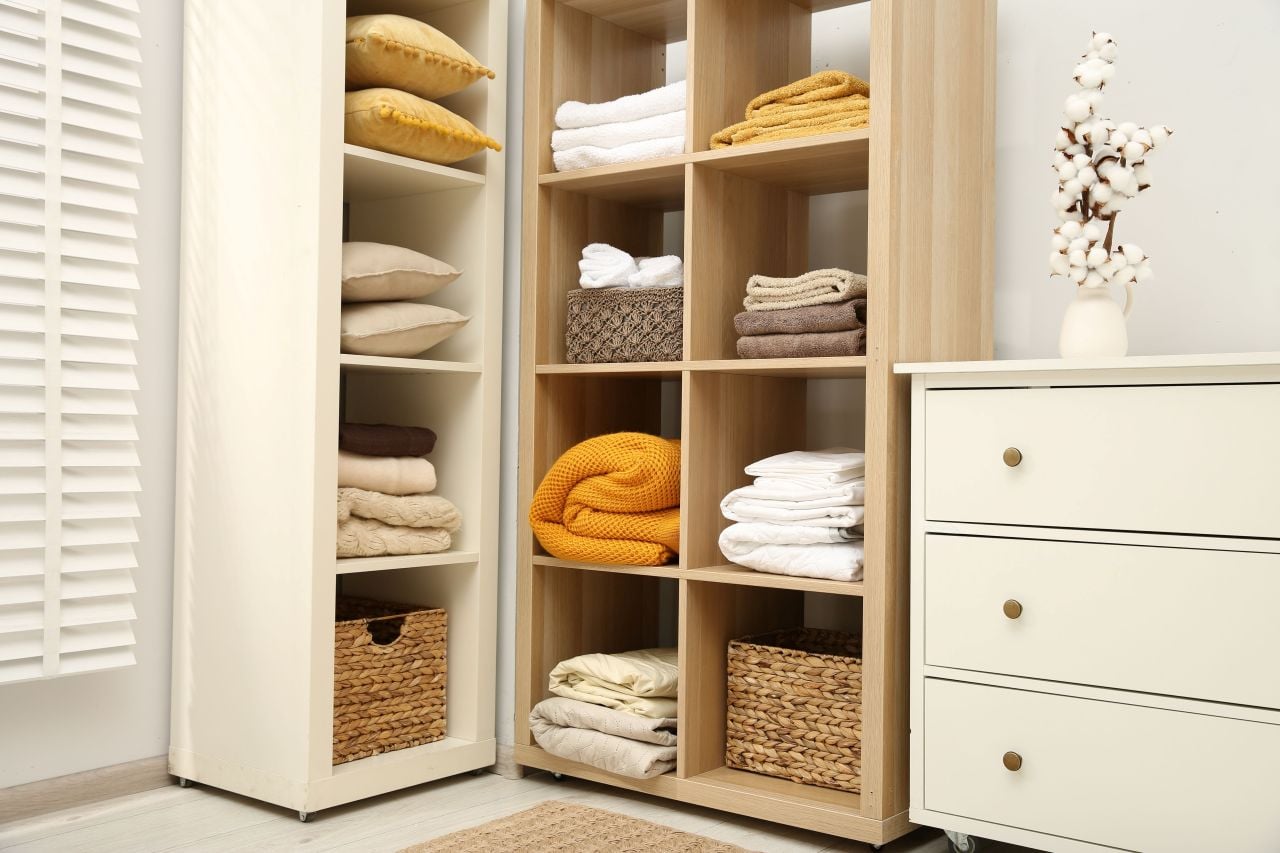
Blanket Storage: The Right Method for Every Space and Season
Blankets make our lives cozier, and storing them well is what keeps them soft and comfortable in the long run. Knowing how to store a blanket properly means your favorites come out of storage smelling fresh, feeling the same as when they went in, and lasting years longer than they otherwise would.

Board Game Storage Ideas That Keep Your Collection in Fighting Shape
Nobody warns you that getting into board games usually unlocks a second hobby, the much dreaded one that includes figuring out where on earth to put them. One game becomes a few, expansions start spawning beside their base boxes and before long, board game storage requires as much strategy as whatever is waiting on the other side of those lids.

Storage Locker vs. Storage Unit: What’s the Difference?
A locker and a unit may sound like two names for the same four walls and a lock, and depending on the storage facility, you may even see the terms used that way. However, once you start comparing available spaces, storage lockers tend to occupy the smaller end of the spectrum, while storage units(opens in new tab) give you considerably more room to work with.

Storage Ideas for Small Spaces: 9 Ways to Max Out Your Home
A messy home contains the seeds of its organization. Those seeds are everywhere: the space above doors, under beds, behind sofas and inside furniture can all become storage. Here are the best storage ideas for small spaces, so you can make the most of your cozy home.

Best U.S. Cities to Live Uncluttered: Plano, TX, Offers the Most Room to Breathe
Clutter is in our homes as much as in our heads. Both are shaped by where we live.
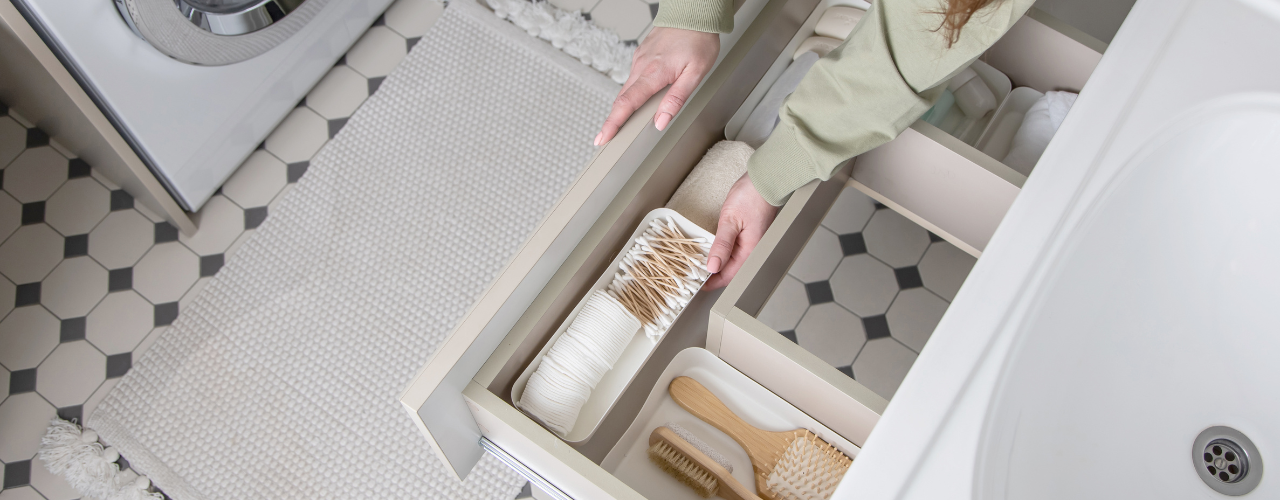
How to Organize Your Bathroom: 8 Ways to Stay Tidy
You already know why an organized bathroom is worth the effort, but let us remind you: it makes rushed mornings easier, keeps counters cleaner and just helps get you in the mood to go through your skincare routine like you should. Plus, in bigger households, it helps everyone find what they need. And you know how much a tidy bathroom counts for your self-esteem when a guest or a partner shows up. Luckily, you don’t need a degree to know how to organize your bathroom. The secret is keeping less, giving every item a home and making that home simple to use. Let’s go through some practical steps can help you create a bathroom that stays functional and nice to look at.

How to Use Silica Gel Packets for Storage
Moisture can cause significant damage to items in storage, leading to rust on tools, mold on clothing and warping in documents. Silica gel uses science to fix that. Often found in small packets inside product packaging, silica gel is a desiccant that absorbs moisture from the air, keeping your stored items dry and protected. This guide explains what silica gel is, how it works and how you can use it to preserve your belongings in self storage.