

Key Takeaways
- Catalog and clean your DVDs to rediscover gems, prevent damage, and organize by genre, year, or country.
- Store DVDs vertically in a cool, dark, and dry environment to avoid disc rot and physical damage.
- Use protective storage like binders, sleeves, or climate-controlled units to preserve quality and save space.
- Display your favorite DVDs stylishly but rotate them to limit UV exposure and maintain condition.
- Digitize, donate, or sell unwanted DVDs to preserve memories, share with others, or recoup value.
As a famous author once said, “Collectors are happy people.” DVD collectors are no different. Think of the gorgeous artwork of Criterion Collection DVDs or the Dolby sound on Blu-rays. You won’t get that with streaming platforms. So, what are the best ways to store DVDs in a way that truly does them credit, both aesthetically and practically? To answer this question, we’ve prepared a quick and breezy guide through the essentials of DVD storage for dedicated collectors.
Catalog your DVDs and store them upright
Film buffs know the pleasure of organizing your DVD collection — but there’s a practical side to this, too. You might just rediscover hidden gems, cult classics or rare editions that might have jumped in value over time. Don’t be afraid to discard DVDs you don’t want anymore: If they’re still in good condition, they can be donated to local libraries.
- When it comes to cataloging your DVDs, ordering them alphabetically is helpful, but you can take it even further and order them by genre, year or country — just to show off your film-buff cred.
- Use cardstock to separate the categories, and soon you’ll be feeling as if you have your own personal DVD library. Speaking of which, you might also enjoy using a spreadsheet or a dedicated app to catalog your DVDs.
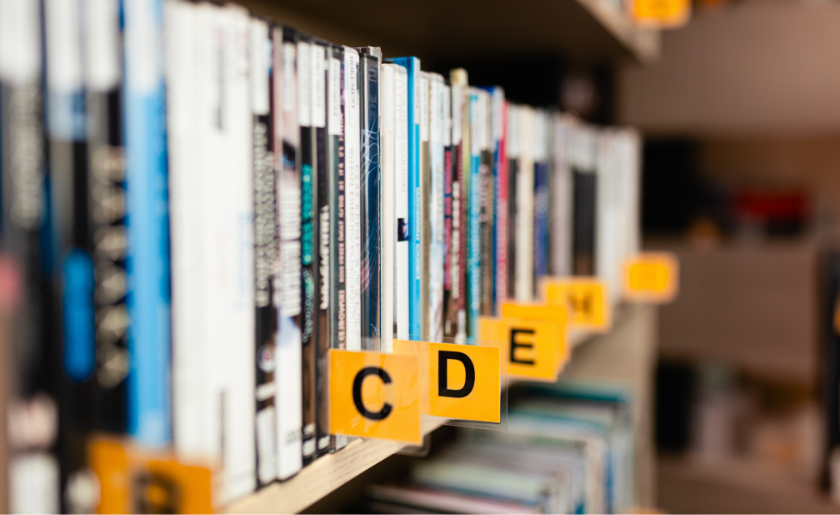
- You usually see DVDs stored vertically, and that’s for a reason. No, it’s not (only) so it looks more like a book library. It’s so they don’t get damaged from the pressure of other DVDs stacked on top of them. It’s just gravity.
- If you have to clean your DVDs, be as gentle as possible. Rather than using your sleeve or a random cloth, go for a soft, lint-free cloth and a small amount of isopropyl alcohol for more stubborn smudges. Also, always wipe from the center outward rather than in circles to avoid damaging the disc.
And just to stress the obvious: you should handle discs by the edges or the center hole, with the care and attention of Indiana Jones handling a precious artefact in an ancient temple. That way, you’ll void getting your fingerprints all over the disc and causing playback issues that will turn your favorite popcorn flick into an experimental Arthouse piece.
Keep your DVDs in the right environment
If you have a DVD collection, odds are that you know what looks the best visually. But while there are plenty of cool ways to show off your movie bounty, you should do so mindfully. DVDs are sensitive to extreme temperatures and direct sunlight. That’s how you get disc rot, which is when oxygen or UV light damages the reflective layer of the DVD. Next thing you know, your DVD is unreadable. And it all could have been avoided had you kept your collection in a place that’s dark and cool.
Here are some places where you can keep your collection so that it stays in mint condition:
- At home
DVDs are made for watching, so it’s natural that you would want to keep your discs close at hand. Still, think of a place where the discs won’t be damaged. For instance, you can go for a dry closet in your home or a guest room that’s also air-conditioned. You can even think about using anti-UV sleeves for added protection.
If you want to be extra-cautious, use silica gel packets or dehumidifiers in these storage areas, and try to keep the temperature at 15-20 °C (with about 20–50% humidity).
- In a self storage unit
What if you’ve got DVD collection so big that it’s difficult to carve out room for it inside your home? Then you might want to store your DVDs in a self storage unit. It’s a great service that lets you to keep stuff away from home in a safe place until you’re ready to use them again. Sizewise, you probably won’t need more than a 5’x5’ self storage unit for this purpose. If you’re not sure what size you need, have a go at our storage unit size calculator.
We’ve covered how sensitive DVDs are, so climate-controlled storage will be your safest bet long term — at least if you want to avoid your collection being hurt by humidity and temperature levels. Definitely consider this option if you live in a hot and humid region such as the South.
To give you an idea, you’d pay about $55 for your average 5’x5’ climate-controlled storage unit. Of course, that all depends on your location, but in general, you’ll pay less if you’re in the South than in the West or East. And remember: While not all DVDs go up in value overnight, movies that get left off streaming do. If you have them on Blu-ray, there’s a chance you’ve got serious resale value in your library.
Protect your DVDs properly (whether you want to hide or show them off)
Not all DVDs are created equal. There are some you’ll want to have on display and at hand, and there are some that are better off tucked away for another time. And yet, they all deserve some tender love and care, so you shouldn’t just toss DVDs into any box you’ve got lying around.
If you want to preserve the quality of your DVDs, you need to know where to put them. As anyone who has had to deal with buffering scenes or scratched discs knows, DVDs are delicate items that require careful handling.
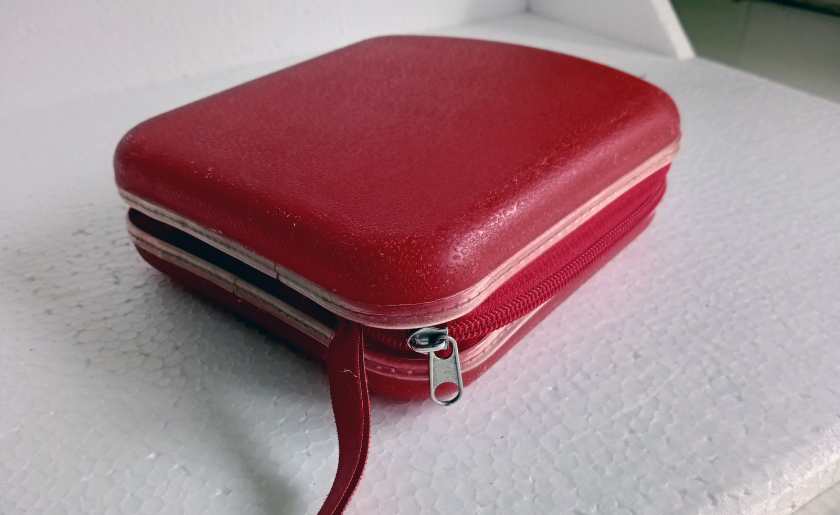
Use DVD binders. If you’re short on space, you can opt for polyurethane binders made for CDs. These might not sound familiar, but once you see them it will be a blast from the past. These specialized folders used to be household items, and they still are a great way to prevent DVDs from shifting and scratching against one another. Not to mention that they’re very portable, so you can take them with you when traveling or move them to a new place without a hitch.
Move your DVDs to thin, clear sleeves (if you have to). Are you still fond of DVD artworks but not so much of the plastic case it comes with? You’re not the only one: Film lovers have taken to using thin sleeves for storing their DVDs and the artwork they come with. This option will save you about 50–75% of space while letting you enjoy the nostalgia of having your favorite films tucked into little physical posters. And rest assured: You can still catalog your DVDs without seeing their spines — just use dividers! That’s how you can store DVDs without cases but keep the charm alive.
One warning though: while binders and sleeves are a good space-saving solution, hardcore preservationists advise keeping discs in their original or replacement cases. And they have a point: when you remove the DVD form its original case you’re exposing it to humidity, dust and scratches.
Reuse boxes or invest in storage cubes. Think back on your first memories of having DVDs in the house. Odds are your family used to repurpose photo boxes or shoeboxes once your collection reached a respectable size. This is still a great, sustainable way to store your favorite movies, especially if you label the boxes for easy identification. But if you want to break with tradition, you could also get a nice, elegant storage cube.
Hide DVDs in an ottoman (end-of-bed trunk). If you have a TV in your bedroom, you can add a dash of style to your film-watching rituals by keeping your collection in an ottoman. Not only does this visually declutter your environment, but it also keeps your DVDs away from UV light. Plus, just imagine fetching a classic film noir out of an ottoman. Now that’s a mood-setter!
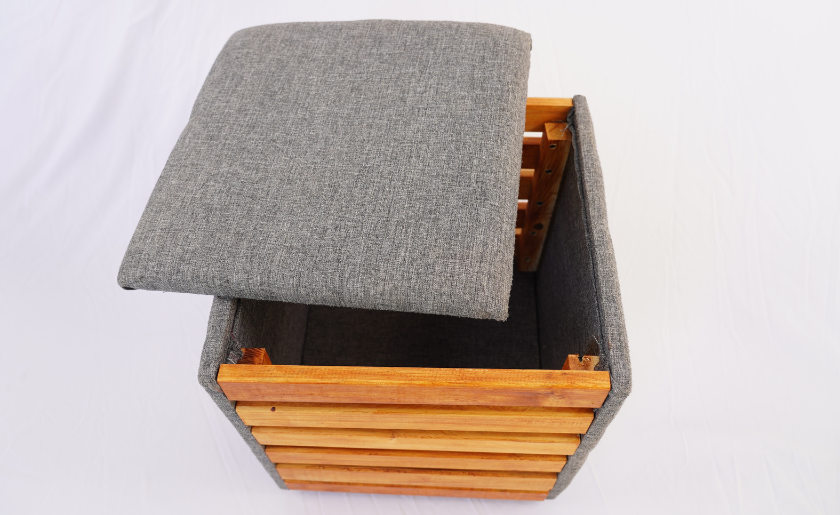
Just make sure to take them out if the temperature gets too high. You don’t want your DVDs exposed to fluctuating humidity.
Invest in floating shelves, a bookcase or a revolving storage tower. If you want to get minimalist with it, you can go for small mounts or small floating shelves which keep your DVDs accessible and on display without cluttering your living area. But if your collection is too large for such furniture, you can’t go wrong with the iconic BILLY bookcases from Ikea, a favorite among DVD collectors. If you want something that lets you save more space, you could also get a revolving storage tower.
Put a few select DVDs on display, but be wary of UV lights. Throughout your collection, there are probably some films that capture your personality at different points in time, favorite movies that represent you and your tastes or just DVDs with pretty packaging. These DVDs are perfect candidates for you to put on display. Just make sure to switch them often so they’re not exposed to too much sunlight!
Create digital backups for out-of-print discs and family recordings. So, you want your DVDs to last forever, but you don’t want to give them the Walt Disney cryogenic treatment. That’s good thinking! The high temperatures would damage them anyway. Luckily, there’s a better way: you can digitize your DVD collection and save them to a cloud, so your films will live as long as the internet will.
What to do with DVD movies you don’t want
For those willing to part with some (or all) of their DVD collection, here are several responsible options.
Recycle. DVDs aren’t typically recyclable through standard curbside programs due to their composite materials. However, specialized centers do exist. For instance, companies like Beyond Surplus offer mail-in options, which allow you to dispose of your DVDs without hurting the environment.
Donate. Do you want to let go of your discs but still hold a soft spot for what they represent? Then why not donate your DVDs to libraries, schools and charities? Just make sure that the discs are in good condition. This way, your collection can continue to be enjoyed by others. Who knows? Maybe your DVD will inspire the next great filmmaker!

Sell online. It can be a bit tricky to sell your DVD collection, but it’s also not impossible. You’re likely to find the right clientele on online marketplaces like Amazon, Facebook Marketplace and eBay. Be prepared for having to handle listing and shipping, though. Still, there are worse ways to meet some fellow film buffs.
Frequently Asked Questions
How to select a DVD media storage unit?
First off, get a measuring tape and measure how much space you can dedicate to your DVDs. With those measurements in mind, choose a cabinet or shelving unit.
Then, think of what works best for you. If you’ve got children, get a unit with locks to avoid accidents. If you want something flexible, get adjustable shelves or modular racks. And then there’s the classic DVD storage tower with drawers, perfect for saving space.
Can you store DVDs in the attic?
No, DVDs shouldn’t go in the attic. That’s because DVDs warp wherever the temperature fluctuates and humidity is high. If the attic is your only option, at least place the DVDs in airtight plastic bins, which keep humidity exposure low. Then try to find another option.
How to store for high-value DVDs or collections?
Aside from locking cabinets, you can store high-value DVDs in a safe room with controlled access. Think walk-in closet at home, or a high-security self storage unit. Either that or a false spinning wall, if you’re villain with a lair and a passion for cinema.
Final thoughts
Whatever way you decide to store and organize your DVD collection, think of it as a way to reconnect with the joy of collecting movies. But remember — you can go for both practical and eye-pleasing storage solutions to lengthen the lifespan of each DVD, which keeps them pristine for future generations of film lovers. Just imagine a future film buff picking up your copy of “Casablanca.” Now that’s what we’d call “the beginning of a beautiful friendship.”
Oh, and here’s a little secret for the old-school film buffs: we have a guide on how to store your VHS tapes, too.



America’s Top Snowbird Destinations for 2026–2027: Florida Leads in Numbers, Texas Wins on Value
For Americans living in colder states, the approach of winter is reason enough to start looking south. Cold weather carries costs that go beyond the heating bill and shoveling snow. Seasonal affective disorder(opens in new tab) is far more prevalent in northern states, so a temporary move south isn’t simply an escape from the cold, but a chance to spend the hardest stretch of winter outdoors and in the sun.
How much does Halloween really cost in 2026? Plan wisely to avoid the scare of hidden costs
Americans’ love for Halloween is almost frightening — this year alone, we are on our way to spending $13.5 billion, according to data from the National Retail Federation(opens in new tab). That breaks down to about $115 Halloween costs per person, a whopping 49% more than 10 years ago.
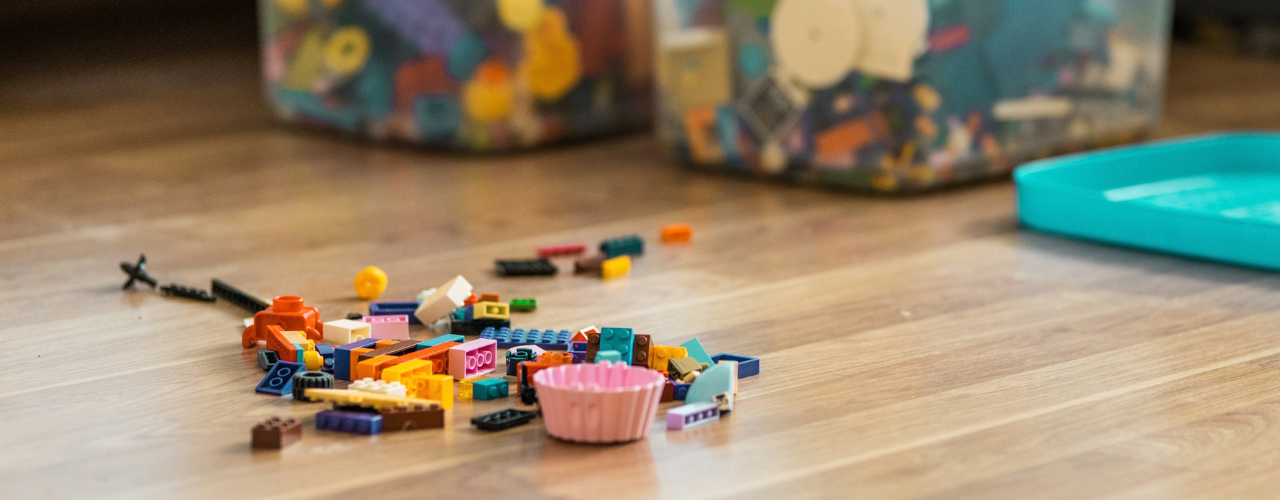
How to Store LEGOs: All the Fun, None of the Clutter
How to store LEGOs largely comes down to how your household uses them. If the bricks are part of everyday play, you need a setup that keeps them within easy reach and makes cleanup quick (for your feet’s sake, at least). Toy storage(opens in new tab) such as simple bins, playmats or containers that children can put away themselves may be enough. Larger or more serious collections usually need more organization, such as labelled drawers for loose pieces, trays for unfinished builds, shelves for completed models and separate storage for retired sets.

Cardboard Costume Guide: Tips and Ideas for a DIY Halloween
Whether for kids or adults, cardboard costume ideas often make the biggest splash once materialized, and that’s for a simple reason: doing a lot with a little is a universally impressive feat (especially in this economy). If you don’t have enough boxes you could temporarily repurpose, don’t worry! There are many places where you can find free moving boxes(opens in new tab), from stores and supermarkets to online groups and recycling drop-off spots. On the run? Try your luck at a self storage(opens in new tab) facility that sells moving supplies, often for cheap. This way, you can choose moving boxes of different shapes and sizes(opens in new tab), so you can make your costumes as complex as you want.

How to Celebrate Halloween: 9 Non-Spooky Ways To Enjoy It
As soon as October starts, it’s the official Halloween month. And while for many people it means it’s open season to get the scare of a lifetime, others, especially families with small children, might prefer to celebrate in a tamer way that’s both kid- and adult-friendly. While you’re likely to find more events where the spook factor is high, here’s how to celebrate Halloween in a not-so-scary way:

Motorcycle Storage Guide: How to Store Your Bike Safely
Motorcycles may be born to be wild, but eventually even the wild ones need somewhere to park. Whether riding season is winding down or your current living situation comes with plenty of square footage for you and less for your bike, motorcycle storage is one of those parts of ownership that doesn’t get as much airtime as the open road.

Halloween Decorating on a Budget (And Cheap Ideas for Everything Elsee)
Halloween has crept a long way from its eerie origins. While All Hallows’ Eve has transformed through the centuries, it wasn’t until the 1930s that trick-or-treating became a tradition in the U.S. and businesses began conjuring up mass-produced Halloween costumes. Now, Halloween is a monster-sized, billion-dollar industry, with a cauldron full of costumes and decorations ranging from the mainstream to the macabre. But is it all really worth your wallet? Maybe, but we’ll let you in on a little secret: You can keep your Halloween decorating on a budget and save on everything else, too. Take this plan and see it through!

Moving From a House to an Apartment: What to Expect, How to Downsize & How Self Storage Helps
For some, moving from a house to an apartment is a financial decision. For others, it’s about simplifying life. Maybe the kids have moved out and half the house sits empty, or you’re approaching retirement and no longer want to spend weekends on repairs. Or perhaps you’ve been weighing the cost of buying a home and wondering whether renting simply makes more sense right now.
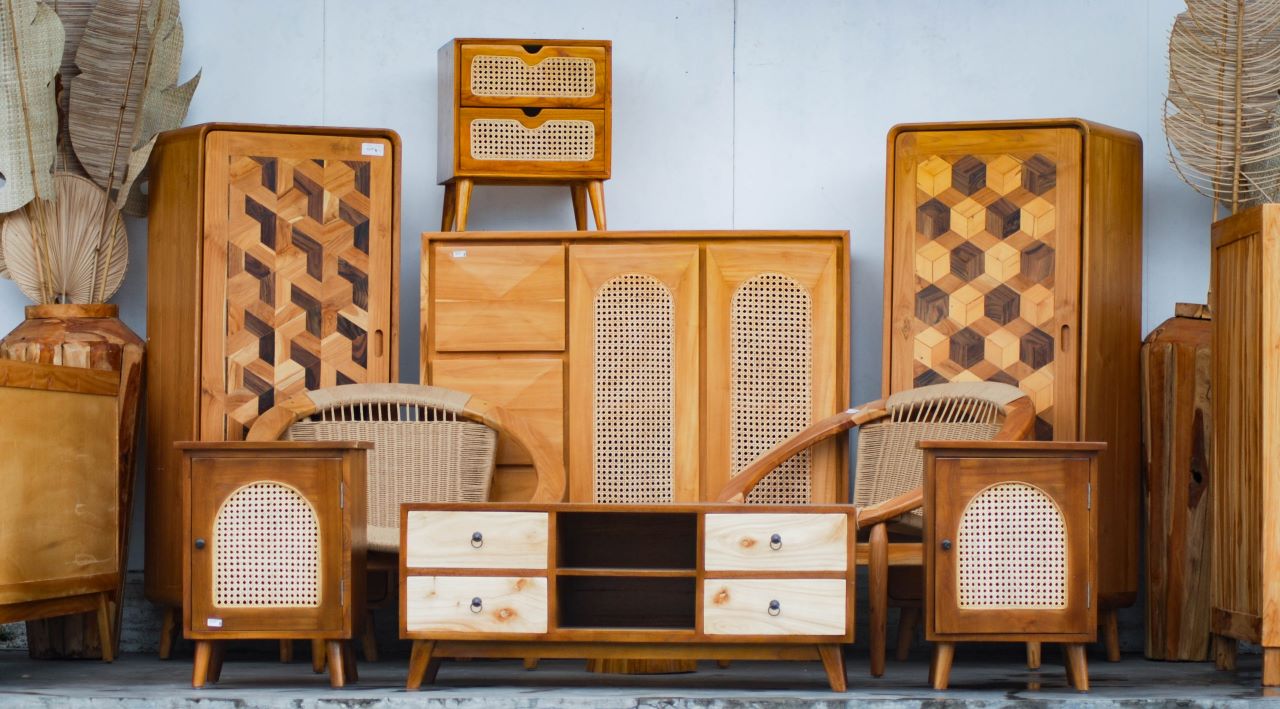
Family Heirlooms Overload: How to Handle Family Inheritance Without Regret
Handling family heirlooms after a loss requires managing legal authority, emotional pressure and practical logistics at the same time, and the order you take them on matters more than most people expect.