

VHS tapes are quietly making the comeback they’ve always deserved. Chasing the authentic grainy feel that new media can only mimic, “tapeheads” are turning back to VHS movies and their warm, organic color (you haven’t seen Evil Dead until you’ve experienced it on tape). And with a VHS player at hand, it’s that much easier to revisit old family recordings, from back when capturing the good times meant more than turning on your mobile camera.
But if we want to make the most of VHS tapes, we must learn how to store VHS tapes. Luckily, it’s not rocket science — even large collections can find the right shelter in self storage. But should you prefer not to go through the hassle, here’s a newsflash: a sealed copy of The Goonies sold for $125,000. And there are many similar cases. Got your attention?
1. Why does proper VHS storage matter?
Memories can fade, but VHS tapes hold — if you avoid risks of poor storage, such as:
- Mold: Damp, dusty, or humid places like attics and basements will create mold in the magnetic ribbon of your tapes, rendering them unusable with time.
- Magnetic decay or warping: High temperatures and high humidity will affect the magnetic tape and lead to loss of footage.
2. What is the best environment for storing VHS tapes?
VHS tapes are a lot like Indiana Jones’ relics — once you’ve got them, keep them:
- Not too close to the ground (dampness)
- Away from direct sunlight
- Away from strong magnetic sources (like loudspeakers and motors)
- At temperatures of 60-70°F, 30-50% humidity
So, avoid basements, attics, or garages, if they’re not climate-controlled. Please.
3. Should I put my VHS tapes in self storage?
Yes! VHS tapes can easily go into a storage unit. But make sure you get climate-controlled storage. While Dracula doesn’t need temperature control to store himself, VHS tapes certainly do. This is the best solution if: You live in a place with high fluctuations in humidity and temperature, you have rare VHS tapes, which could pay off big time in an online auction, or you already using a climate-controlled unit.
4. How do you prepare your VHS tapes for storage?
You know the drill. If you don’t, here’s the drill:
- Clean your tapes and cases with a cleaning pad to keep out mold and dust.
- Rewind tapes fully, so their magnetic ribbon won’t stick.
- Check for damage and make repairs before it’s too late.
- Take adhesive labels off to prevent residue damage.
- Use acid-free cases or boxes — trust us.
5. Can I use regular boxes or shoe boxes?
Ah, the classic dad solution. The answer? Yes, clean cardboard boxes or shoe boxes can be used for everyday storage.
Still, make sure to line the box with acid-free paper or a clean cloth, store tapes upright, and add silica gel packs to control humidity. For valuable or long-term storage, consider archival-quality or watertight containers for added protection.
6. What are the best practices of VHS tape maintenance?
If you don’t want your VHS tape of The Lion King turning into a psychedelic joint, here’s what you do:
- Store tapes upright (like books) to prevent sagging or warping. Don’t trust us? It’s what the experts at the Library of Congress advise.
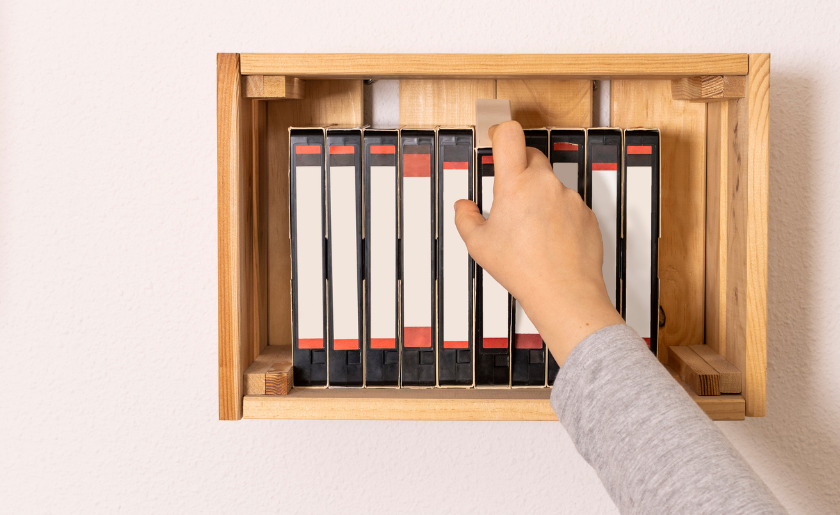
- Use original sleeves, archival-quality cases, and watertight totes.
- Use silica gel packs/desiccants for moisture control.
- Check their condition and rewind at least every three years.
7. Is it worth digitizing my VHS tapes, and how do I do it?
Want to max out the longevity of your VHS tapes? We know what you’re thinking. But while cryogenic freezing is an option for some, you certainly shouldn’t try this with VHS tapes.
So, the best strategy is to digitize tapes at home using a VCR and a video capture device connected to your computer, or by using a professional digitizing service (often the safe bet). Keep both the digital files and the original tapes for maximum peace of mind, since digital backups are easy to share and won’t degrade with time.
To recap: What are the common mistakes of VHS storage?
If you have a VHS collection, odds are that you’ve stored at least one tape improperly. That’s alright. To quote Osmond from Some Like It Hot, “Nobody’s perfect.” From now on, just resist the temptation to:
- Store VHS tapes in plastic bags (which trap moisture).
- Leave them in hot cars or near heaters.
- Not rewind or check them for years.
- Use non-climate-controlled storage for the rarities.
Also, come back to this article if you’re not sure! If you’re planning to take your film collection into the 21st century, you can read up on how to store your DVDs like a true film buff, too! And if your collection spans different mediums, you check out our guide on how to store vinyl records or this list of creative book storage ideas.


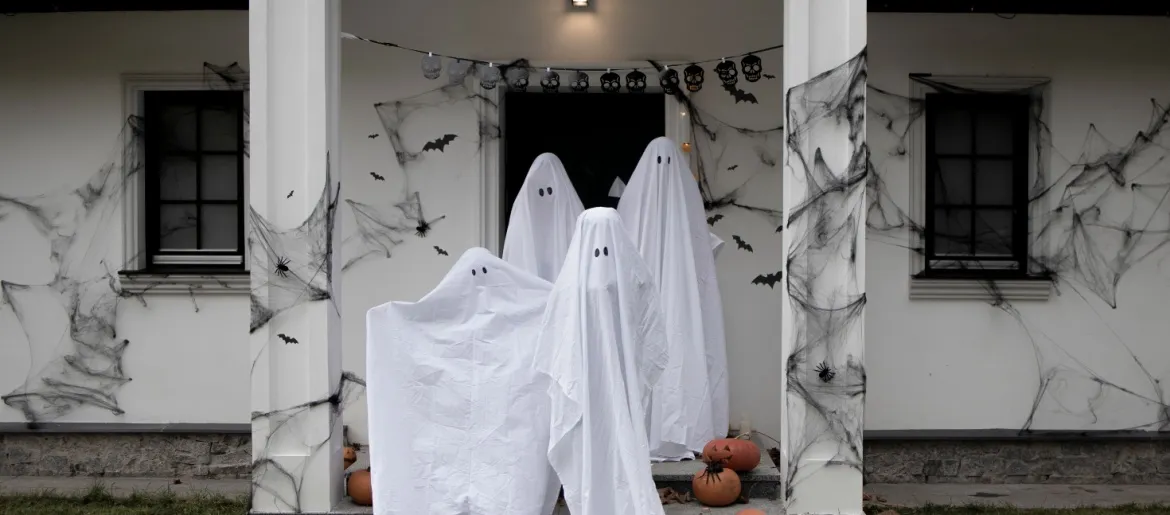
How much does Halloween really cost in 2026? Plan wisely to avoid the scare of hidden costs
Americans’ love for Halloween is almost frightening — this year alone, we are on our way to spending $13.5 billion, according to data from the National Retail Federation(opens in new tab). That breaks down to about $115 Halloween costs per person, a whopping 49% more than 10 years ago.
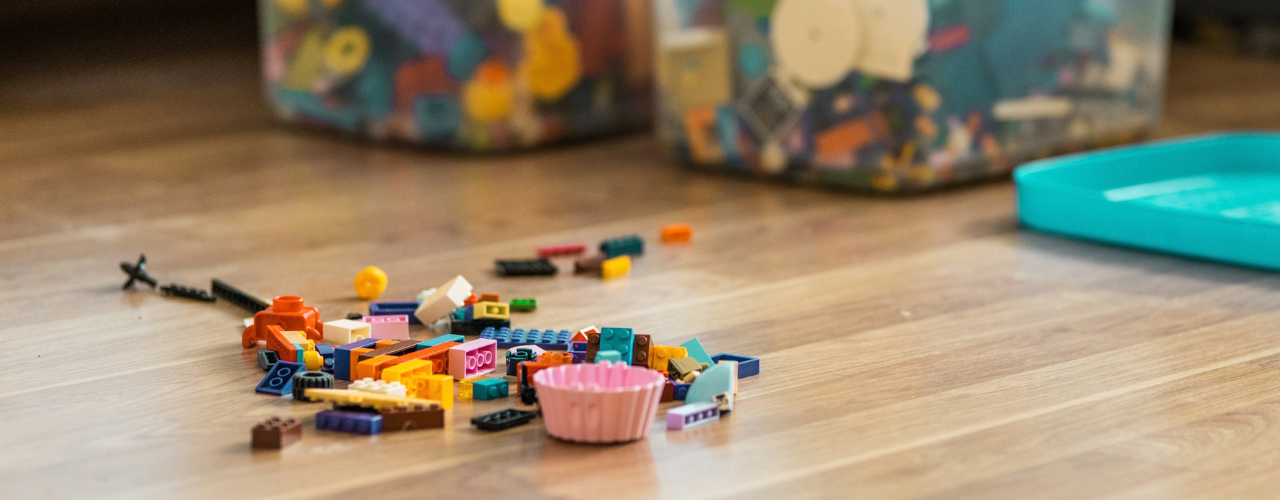
How to Store LEGOs: All the Fun, None of the Clutter
How to store LEGOs largely comes down to how your household uses them. If the bricks are part of everyday play, you need a setup that keeps them within easy reach and makes cleanup quick (for your feet’s sake, at least). Toy storage(opens in new tab) such as simple bins, playmats or containers that children can put away themselves may be enough. Larger or more serious collections usually need more organization, such as labelled drawers for loose pieces, trays for unfinished builds, shelves for completed models and separate storage for retired sets.

Cardboard Costume Guide: Tips and Ideas for a DIY Halloween
Whether for kids or adults, cardboard costume ideas often make the biggest splash once materialized, and that’s for a simple reason: doing a lot with a little is a universally impressive feat (especially in this economy). If you don’t have enough boxes you could temporarily repurpose, don’t worry! There are many places where you can find free moving boxes(opens in new tab), from stores and supermarkets to online groups and recycling drop-off spots. On the run? Try your luck at a self storage(opens in new tab) facility that sells moving supplies, often for cheap. This way, you can choose moving boxes of different shapes and sizes(opens in new tab), so you can make your costumes as complex as you want.

How to Celebrate Halloween: 9 Non-Spooky Ways To Enjoy It
As soon as October starts, it’s the official Halloween month. And while for many people it means it’s open season to get the scare of a lifetime, others, especially families with small children, might prefer to celebrate in a tamer way that’s both kid- and adult-friendly. While you’re likely to find more events where the spook factor is high, here’s how to celebrate Halloween in a not-so-scary way:

Motorcycle Storage Guide: How to Store Your Bike Safely
Motorcycles may be born to be wild, but eventually even the wild ones need somewhere to park. Whether riding season is winding down or your current living situation comes with plenty of square footage for you and less for your bike, motorcycle storage is one of those parts of ownership that doesn’t get as much airtime as the open road.

Halloween Decorating on a Budget (And Cheap Ideas for Everything Elsee)
Halloween has crept a long way from its eerie origins. While All Hallows’ Eve has transformed through the centuries, it wasn’t until the 1930s that trick-or-treating became a tradition in the U.S. and businesses began conjuring up mass-produced Halloween costumes. Now, Halloween is a monster-sized, billion-dollar industry, with a cauldron full of costumes and decorations ranging from the mainstream to the macabre. But is it all really worth your wallet? Maybe, but we’ll let you in on a little secret: You can keep your Halloween decorating on a budget and save on everything else, too. Take this plan and see it through!

Moving From a House to an Apartment: What to Expect, How to Downsize & How Self Storage Helps
For some, moving from a house to an apartment is a financial decision. For others, it’s about simplifying life. Maybe the kids have moved out and half the house sits empty, or you’re approaching retirement and no longer want to spend weekends on repairs. Or perhaps you’ve been weighing the cost of buying a home and wondering whether renting simply makes more sense right now.
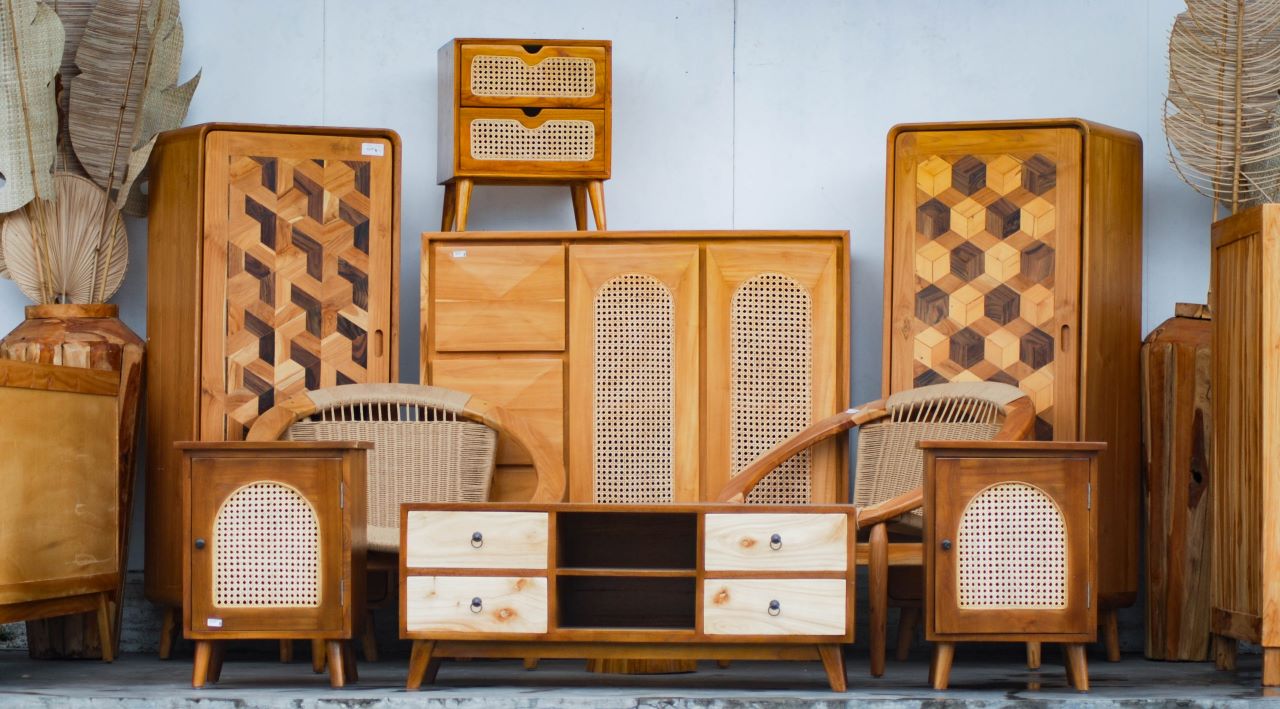
Family Heirlooms Overload: How to Handle Family Inheritance Without Regret
Handling family heirlooms after a loss requires managing legal authority, emotional pressure and practical logistics at the same time, and the order you take them on matters more than most people expect.
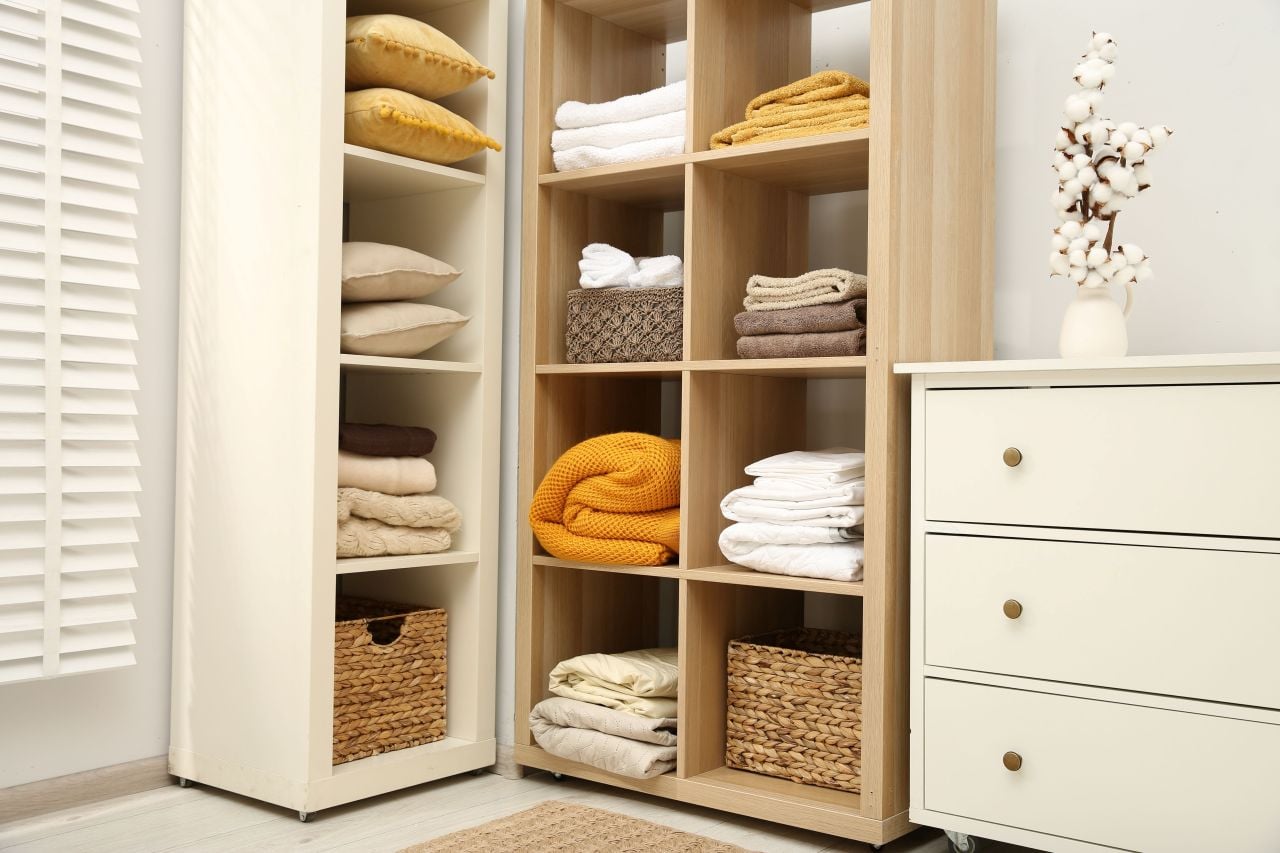
Blanket Storage: The Right Method for Every Space and Season
Blankets make our lives cozier, and storing them well is what keeps them soft and comfortable in the long run. Knowing how to store a blanket properly means your favorites come out of storage smelling fresh, feeling the same as when they went in, and lasting years longer than they otherwise would.