

For many renters, living small is smart, especially in a city with deep historic roots and big-city amenities like Newark. Micro-units, defined as apartments measuring around 415 square feet or less in the state of New Jersey, make up about 4.5% of Newark’s rental stock today. That’s a clear sign of Newark’s long-standing relationship with compact urban living, similar to other historic East Coast cities like NYC and Philadelphia.
Most of Newark’s existing compact apartments can be found in buildings that date back decades or even more. Downtown Newark is home to grand old hotels, historic commercial blocks, and early 20th-century apartment houses. The bones of these older buildings persisted and nowadays, many of Newark’s micro-units are conversions of such edifices.
Moreover, while older downtown buildings have long offered small units, Newark’s current housing pipeline clearly shows that micro-living is about to become much more mainstream. Currently, nearly half of the apartments under construction in Newark today are micro-units, with developers responding to the city’s growing housing demands – especially as population is booming, increasing by roughly 8% over the past 10 years.
Why micro-living makes sense in Newark
While still more affordable than other fast-growing hubs in the New York metro area like Jersey City, Hoboken, and Brooklyn, Newark’s housing costs are far from cheap. Micro-living presents a smart solution – offering a more affordable path to urban living without sacrificing location or convenience.
For many residents, the appeal lies in location. These compact units allow people to stay connected to the city’s core – close to work, transit, nightlife, and amenities – without paying for space they may not need. Whether it’s walkability, proximity to the PATH train, or easy access to downtown shops and restaurants, micro-apartments deliver urban benefits without the overhead.
Affordability is one of the main drivers behind the micro-unit trend in Newark and across the country. On average, these undersized apartments rent for about half the cost of larger units. That level of savings can be transformative for cost-conscious renters who still want to enjoy everything city life has to offer.
Newark’s strong ties to higher education also play a key role. The presence of institutions like Rutgers University–Newark, NJIT, and Seton Hall Law School attracts a steady stream of students and early-career professionals. In fact, around 21% of Newark’s population belongs to Gen Z – a demographic more likely to prioritize flexibility and location over square footage. For them, micro-units offer a smart and budget-friendly alternative that aligns with both lifestyle and financial goals.
Whether it’s students looking to stay close to campus, professionals commuting into Manhattan, or downsizers seeking simplicity, micro-living provides a flexible, affordable, and sustainable solution to Newark’s growing housing needs.
Best Newark neighborhoods for micro-living
Naturally, not every part of Newark is equally suited for micro-units. The most popular neighborhoods for compact living are concentrated in the downtown core and nearby areas – reflecting the city’s historic density, walkability, and access to amenities.
Why does that matter? Because these centrally located neighborhoods offer the transit links, restaurants, shops, and cultural venues that make small-space living not just feasible, but desirable. In walkable, well-connected environments, micro-living becomes a lifestyle choice rather than a compromise.
- Newark Zip Code 07102 – East Ward / Four Corners Historic District
Home to roughly 55% of all micro-units in the city, this area serves as the epicenter of compact living in Newark. The Four Corners Historic District blends early 20th-century architecture with modern redevelopment, as historic hotels and office buildings have been thoughtfully converted into contemporary apartments, many of them micro-units.
Residents here are just steps from Newark Penn Station, the Prudential Center, and a vibrant mix of dining, shopping, and cultural venues. For those looking to forgo a car and embrace a truly urban lifestyle, this neighborhood stands out as a natural choice.
- Newark Zip Code 07104 – North Broadway
Accounting for 27% of Newark’s micro-units, North Broadway offers a distinct yet still urban experience. This neighborhood combines older apartment stock with new residential developments, creating a compelling option for renters seeking both value and convenience.
Anchored by Broadway, a major corridor lined with shops, services, and restaurants, the area offers strong transit connections to downtown Newark, making it easy to stay connected without sacrificing affordability.
- Newark Zip Code 07107 – Upper Roseville
Although it accounts for just 5% of Newark’s micro-units, Upper Roseville still offers viable options for compact living. Located farther from the bustle of downtown, this neighborhood provides a quieter, more residential atmosphere while remaining well within walking distance of the city center.
It’s an appealing choice for renters who value the efficiency of a micro-apartment but prefer a bit more neighborhood tranquility and green space without giving up urban access entirely.
How self storage supports micro-living in Newark: Top picks for storage away from home
When your apartment is around 400 square feet, creative storage solutions become a must. That’s where self storage comes in. Even though Newark’s self storage inventory is still low, it has increased by 139% over the past decade. And with more micro-units popping up around the city, demand for off-site storage is only going to keep climbing.
For anyone living in a small apartment, a storage unit can be a game-changer. It gives you a spot to stash your seasonal clothes, holiday decorations, hobby gear, family keepsakes, or even bulk buys – without turning your place into a clutter zone.
At an average of around $130 per month, Newark’s self storage pricing is close to the national norm, offering a cost-effective way to expand your usable space without upsizing your rent.
If you’re living in a small apartment around downtown Newark, or planning to move into one, these local self storage facilities can help you make the most of your space:
This Prime Storage facility offers a variety of unit sizes, making it perfect for micro-unit residents who need just a bit of extra space for off-season clothes, sports equipment, or important documents. With convenient hours and secure access, it’s designed to give city renters flexibility.
This facility is right along McCarter Highway, thus providing easy access. It offers climate-controlled units and strong security features, ideal for safely storing items you don’t have room for in a compact downtown apartment.
Located near Upper Roseville, this Extra Space Storage facility provides clean, well-managed units in a huge range of sizes. Whether you need self storage for just a few boxes of extra items or you need to store bulkier items, this is an excellent option located close to downtown.
Newark’s micro-living movement is more than a design trend. It’s a reflection of how the city is adapting to rising housing demand and shifting renter priorities. As more people seek affordable, centrally located apartments, micro-units are helping to bridge the gap between cost and convenience for a growing population of students, professionals, and downsizers.
And as apartments get smaller, storage needs don’t disappear, they just move off-site. Newark’s expanding self storage network is stepping in to fill that gap, offering renters the extra space they need to make compact living work. From seasonal items to overflow belongings, self storage has become an essential extension of the micro-living lifestyle.



Scary Good DIY Halloween Decorations That Won’t Haunt Your Wallet
A few floating candles in the hallway, a family of ghosts by the front door and a suspicious number of bats climbing up the bedroom wall can make October feel a whole lot spookier. While Halloween stores are full of tempting finds, some of the best DIY Halloween decorations can come from things you already have tucked away in drawers, closets or the recycling bin.
Suburban Giants and Urban Risers: Where America’s 100 Largest Metros Fall on the Self Storage Map
Self storage has long been a suburban story. Across America largest 100 metros, 59% of the inventory built over the past decade sits outside city cores, largely preserving the ratio of the total existing inventory.
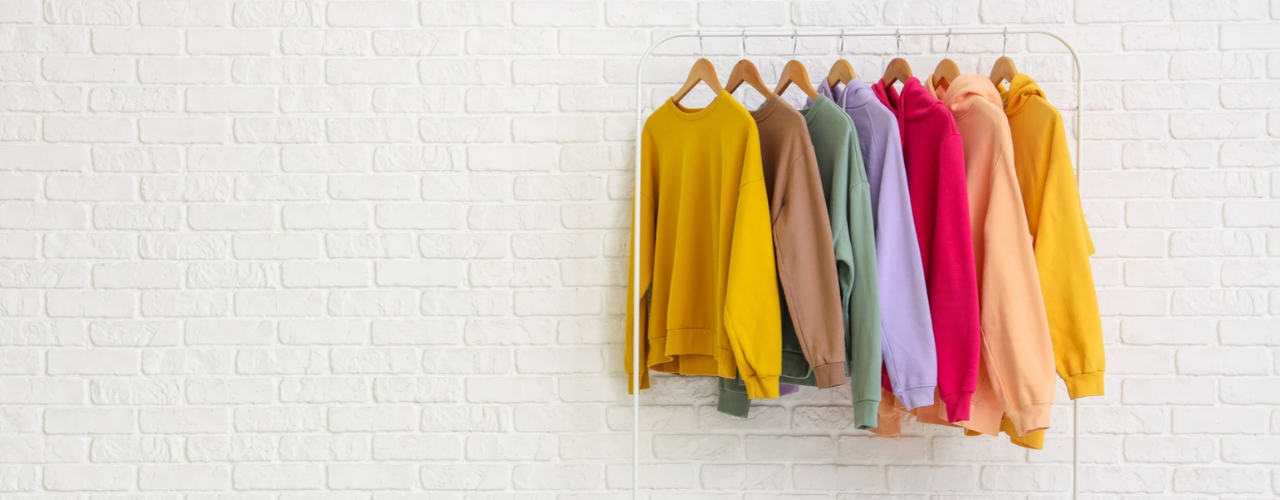
Sweatshirt Storage Ideas Worth Keeping Up Your Sleeve
Sweatshirts are great until you realize how much room they take up. A few thick hoodies can fill a drawer fast, with lighter crewnecks getting squashed underneath or pushed somewhere you forget about. Good sweatshirt storage can make that pile much easier to manage without requiring a bigger closet.
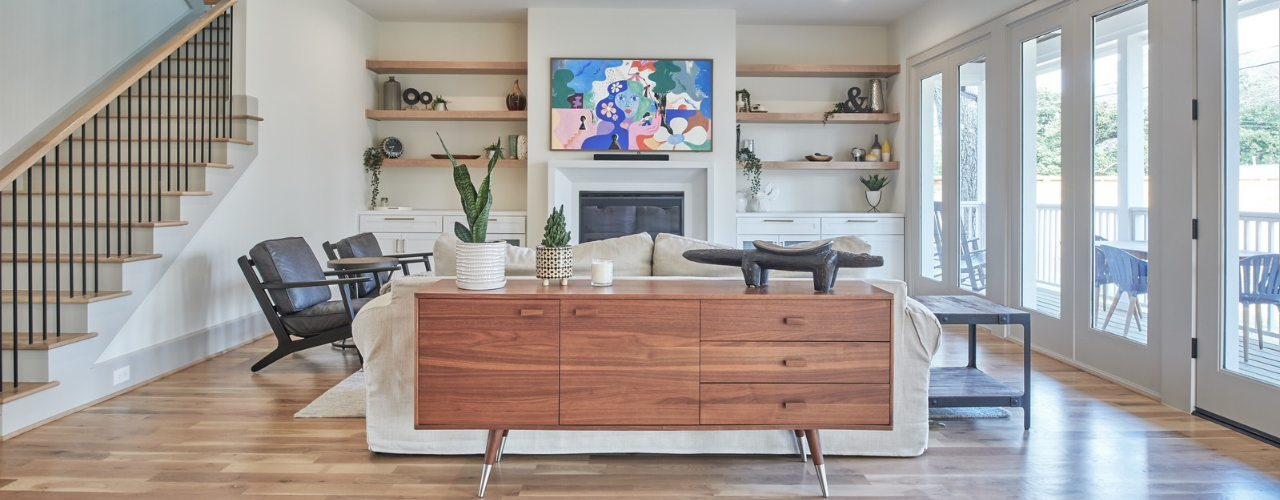
Living Room Storage Ideas: 28 Ways to Reclaim Your Hosting Space
If a living room is where most of a household’s living happens, good storage should be the top priority for setting up or revamping the place. After all, think of how easier it would be to have people over when tidying up the place is just a matter of putting things in their right place (in a time when fewer and fewer people are entertaining friends at home(opens in new tab)). The trick is making room for all those wayward clothes, blankets, chargers and other small things that end up on (or, inexplicably, in) the sofa. Here are 28 living room storage ideas to get you started and make tidying up a quick affair.
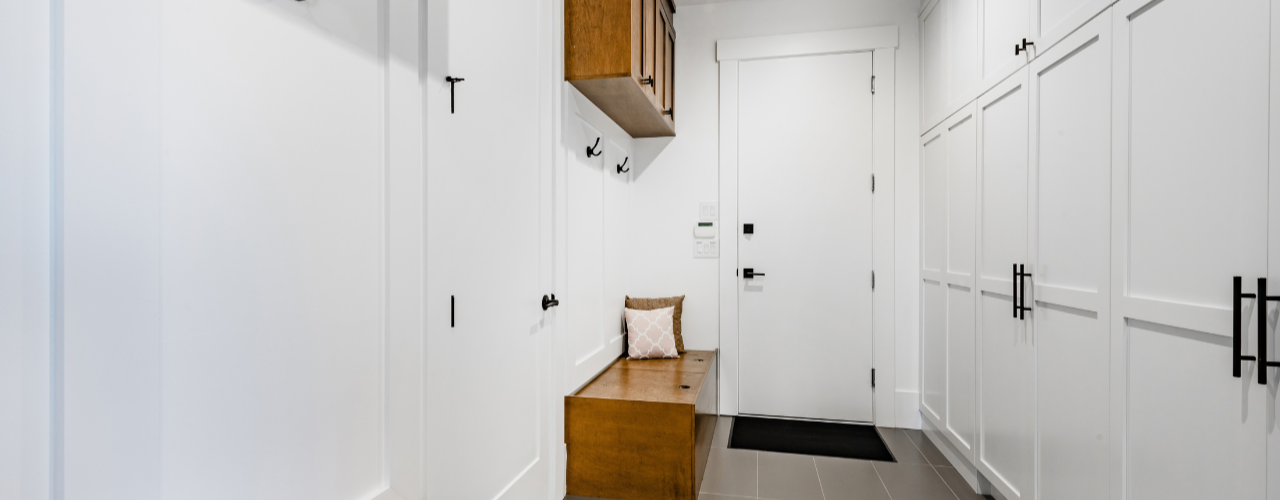
25 Mudroom Storage Ideas (And Mistakes to Avoid)
When you come home with muddy boots, an armful of bags and a coat you can’t wait to take off, it’s nice to have somewhere to put it all. With a mudroom, you can leave the outdoor mess at the door instead of carrying it through the house. Traditionally, you’d set aside a separate room, but you can just as easily use a hallway, an entryway closet, a laundry-room corner or a stretch of wall near the entrance.
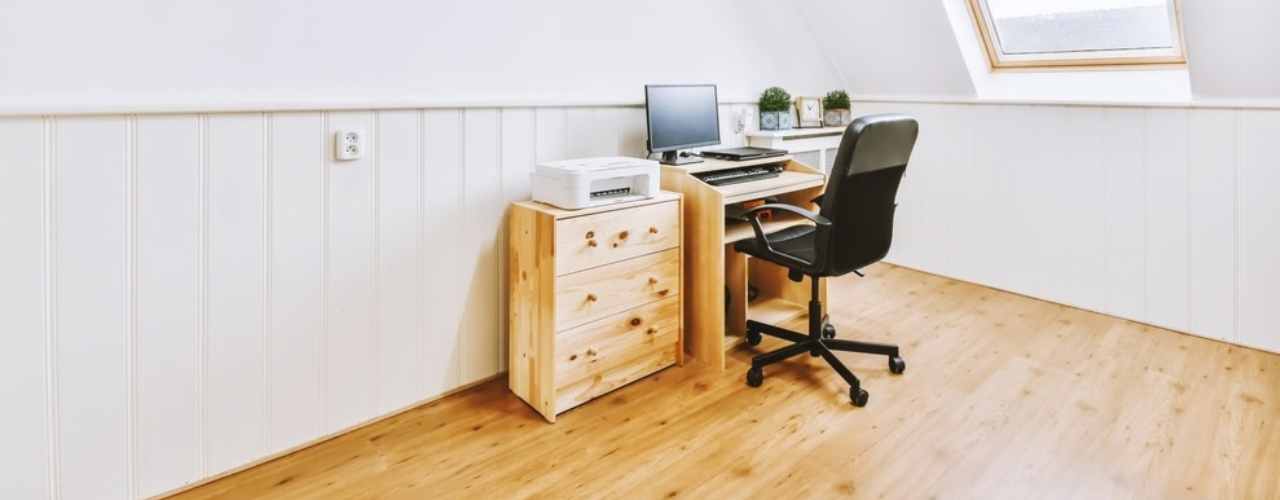
Is Your Home Office Worth the Rent? What Coworking and Self Storage Could Save You
Every square foot of your apartment comes with a price tag, and a home office claims more of them than most renters expect. It starts with a desk. Then come the second monitor, the printer, the filing cabinet and the overflow boxes. Before long, the corner you set aside for work has turned into a small room you are paying for every month.

Best U.S. Cities to Live Uncluttered: Plano, TX, Offers the Most Room to Breathe
Clutter is in our homes as much as in our heads. Both are shaped by where we live.

America’s Top Snowbird Destinations for 2026–2027: Florida Leads in Numbers, Texas Wins on Value
For Americans living in colder states, the approach of winter is reason enough to start looking south. Cold weather carries costs that go beyond the heating bill and shoveling snow. Seasonal affective disorder(opens in new tab) is far more prevalent in northern states, so a temporary move south isn’t simply an escape from the cold, but a chance to spend the hardest stretch of winter outdoors and in the sun.
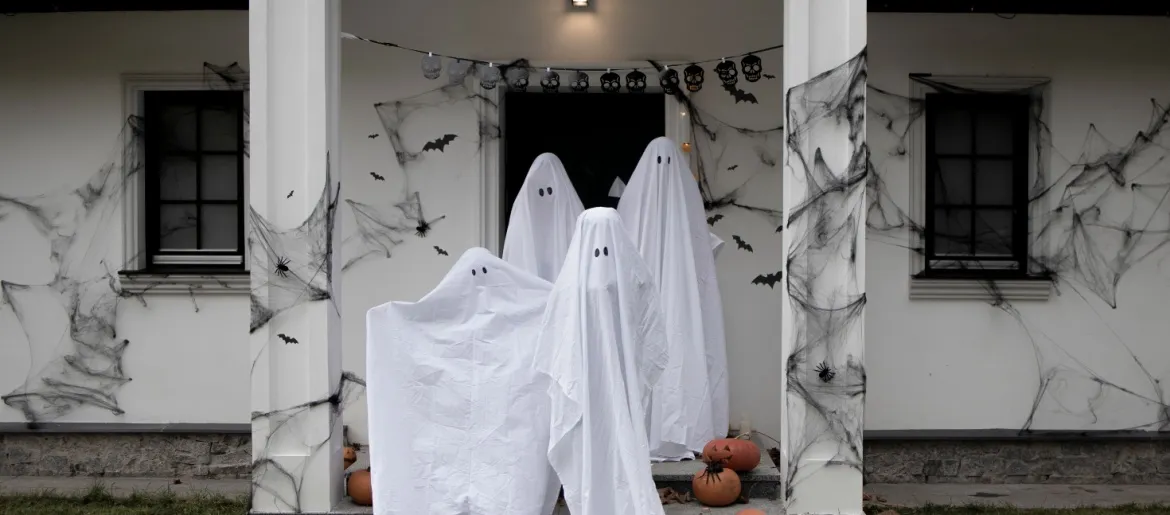
How Much Does Halloween Really Cost in 2026? Plan Wisely to Avoid the Scare of Hidden Costs
Americans’ love for Halloween is almost frightening — this year alone, we are on our way to spending $13.5 billion, according to data from the National Retail Federation(opens in new tab). That breaks down to about $115 Halloween costs per person, a whopping 49% more than 10 years ago.