

Key Takeaways
- Start small with a 10-minute decluttering session in one area.
- Focus on items you use, love, or would buy again today.
- Use multi-functional furniture and existing storage in your home before buying new solutions.
- Put hooks, bowls, or baskets in entryways with hooks, bowls, or baskets to keep daily essentials organized.
Before you give your home the minimalist organization treatment, let’s start with a question: What makes you enjoy life? Is it what you own or what you do? Because at its best, minimalism gives you the clarity of mind to make the most out of the things you love. Put simply, in freeing your home of clutter, you just might find the freedom you’re looking for.
To get some actionable tips on how to start a minimalist lifestyle, we went to those who practice it. Let’s explore how you can start decluttering with intention, based on expert advice.
Minimalist strategy: Small steps you can take today
You’ve established the right mindset, so now comes the fun part: Taking concrete action. But here’s the beauty of minimalist planning — it’s all about starting small and building momentum through manageable steps that don’t overwhelm your daily routine.
Start with a small task and set a timer
While you naturally want to experience the peace that minimalism offers, remember that it won’t transform your life overnight. Setting overly ambitious short-term goals often leads to frustration and abandonment of the entire process.
Decluttering is an act of confidence, and if you want to stay confident, you have to start small. “Pick one small spot,” says Thalia-Maria Tourikis of Notes By Thalia. “Literally, just one. Your desk, your bathroom cabinet, that one chair that eats all your clothes. Set a timer for 10 minutes and only keep what you use, love, or would buy again today.”
This approach works because it’s not intimidating. You’re not committing to decluttering your entire house in a weekend — you’re just spending 10 minutes on one small area. Maybe it’s your nightstand drawer, your car’s glove compartment, or that junk drawer in the kitchen. Success in these small spaces builds momentum for tackling larger areas later.
Donate what you won’t keep
Once you’ve identified objects that align with your values and future goals, you can confidently donate those that don’t. This transforms decluttering from a sense of loss into a gift to your community.
Here’s one way to make the donation process clearer. “I now focus on keeping items that truly support mental wellness — like my favorite meditation cushion and a few meaningful photos — while donating everything else that created mental clutter,” says Aja Chavez.

You can make this process easier by keeping donation bags in your closets and adding items as you come across them. When you try on clothes that don’t fit or don’t make you feel good, immediately put them in the donation bag instead of hanging them back up. The same goes for kitchen gadgets you never use, books you won’t reread, and decorative items that no longer bring you joy.
Set up a coming-and-going system
Want to ace minimalism as soon as you come through the door? “Set up a simple coming-and-going system in your entryway,” says Mia Lee of Nourishing Minimalism. “If your entryway is cluttered, coming home feels heavy and stressful instead of relaxing and welcoming. So, start your home system here — install a hook for your bag, a bowl of your keys, an inbox for mail — whatever makes sense for what you need as you leave and return. This is a small change with a surprisingly big ripple effect.”
Think about your daily routine when designing this space. What do you need when rushing out the door? Where do items typically get dropped when you arrive home tired? Design your entryway around these real-life patterns, whether that means a small basket for sunglasses, a hook at child-height for backpacks, or a bench for putting on shoes.
Shop your house instead of buying stuff
Here’s a life hack straight from the pros: Before making any purchase, take inventory of what you already have. This mindset can transform how you think about meeting your daily needs.
After all, true resourcefulness begins with recognizing what you already possess. “Learn to shop your house,” advises Mia Lee. “Before minimalism, I treated every need (real or imagined) as a reason to buy something. But pausing to make use of what I already had changed everything. This small mindset shift encourages creativity and sustainability, while interrupting consumption habits at the source. When you need an item, shop your house before you buy something new.”
This practice encourages creative problem-solving while reducing unnecessary purchases. Need a small container for organizing? Check your kitchen for empty jars. Looking for better lighting while reading? Perhaps that lamp from the guest room would work better in your bedroom. Need storage for craft supplies? Those shoeboxes you were about to recycle might be perfect solutions.
Minimalist storage: Think outside of the box
Even in a minimalist home, your belongings need designated places. But choosing where to store things also influences what we store. The goal is to create intentional homes for the items that truly serve your life.
Use the storage you have, and only shop if you need to
Smart storage doesn’t necessarily mean buying new furniture. “Opt for multi-functional furniture and smart storage options,” says Sunny Treadway, Marketing Manager at Rent One. . She also advises to use what you already have before you start buying new furniture. That ottoman might open up for storage, your bed might have space underneath for seasonal items, or your closet might have vertical space you’re not using.
Sometimes the simplest storage is the most effective. “I love an Action Basket,” says Mia Lee. “I keep one in key high-traffic areas of my home to catch the random stuff that always ends up where it shouldn’t…rogue socks, library books, tape measures… Then once a day (or once a week, if I’m being real), I do a quick tidy loop through the house. It’s a simple system, but it keeps chaos from piling up and saves me from the ‘I’ll deal with it later’ spiral.”
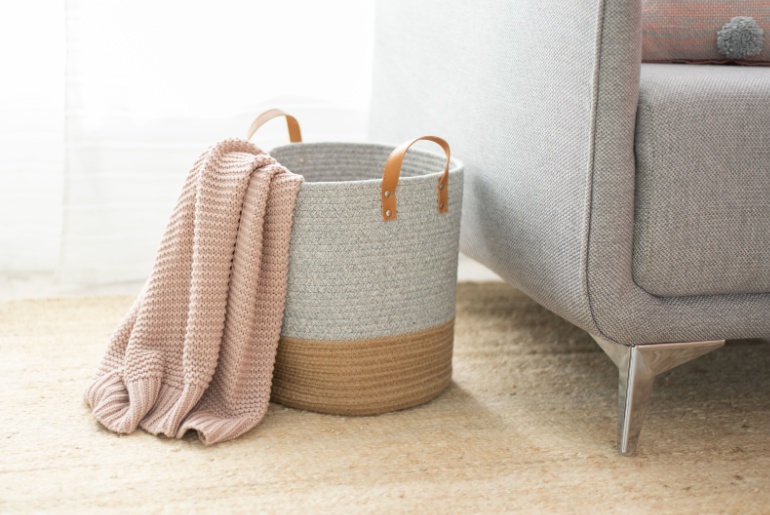
Place these baskets strategically: one at the bottom of the stairs for items that need to go up, one in the living room for things that migrate from other rooms, and one in the kitchen for items that don’t belong there. The key is actually emptying them regularly — otherwise, they become permanent clutter containers.
Use centralized storage for rarely used essentials
If you have adequate storage space at home, maximize its potential by creating designated zones for infrequently used items. This prevents them from spreading throughout your daily living spaces.
Treating storage like a logistics operation keeps essential items accessible but out of the way. “When storing rarely used but ‘essential’ things, such as repair tools, diving masks and new unused dishes, I approach the principle of transport dispatching, I implement centralized storage,” says Robert Novak, operations manager at 8rental. “That is, I store them in one place out of daily access and to which only certain family members have access. And if necessary, we could quickly find them.”
Think of this as creating a “library” for your seasonal and specialty items. Holiday decorations, camping gear, formal dinnerware, and tools can all live together in a basement, attic, or dedicated closet. Label everything clearly so family members can find what they need without creating chaos.
Know when to use self storage
Say you don’t have a place at home where you can dispatch your less commonly used objects? That’s where self storage comes in handy. This option works particularly well for items you use seasonally or occasionally but can’t part with entirely.
A unit outside the home can act as your own centralized hub. It comes in many different sizes and there even are climate-controlled options, which is great for fragile objects. Consider this for items like seasonal sports equipment, holiday decorations, or family heirlooms that you want to preserve but don’t need daily access to.
Final thoughts
We keep hearing that yesterday’s quiet luxury has died and given way to a re-energized maximalism in interior design. Plus, who even knows how much stuff is in the average American home? (We do — it’s close to 300K items).
You know where we’re going with this: No, minimalist living is not going away, it was never about quiet luxury, and it’s not rocket science either. Intentional minimalism is simple: keeping what objects matter to you and having the confidence to get rid of the objects that don’t.
And if you’d like more advice, check out our big guide on how to start decluttering!


How to Store LEGOs: All the Fun, None of the Clutter
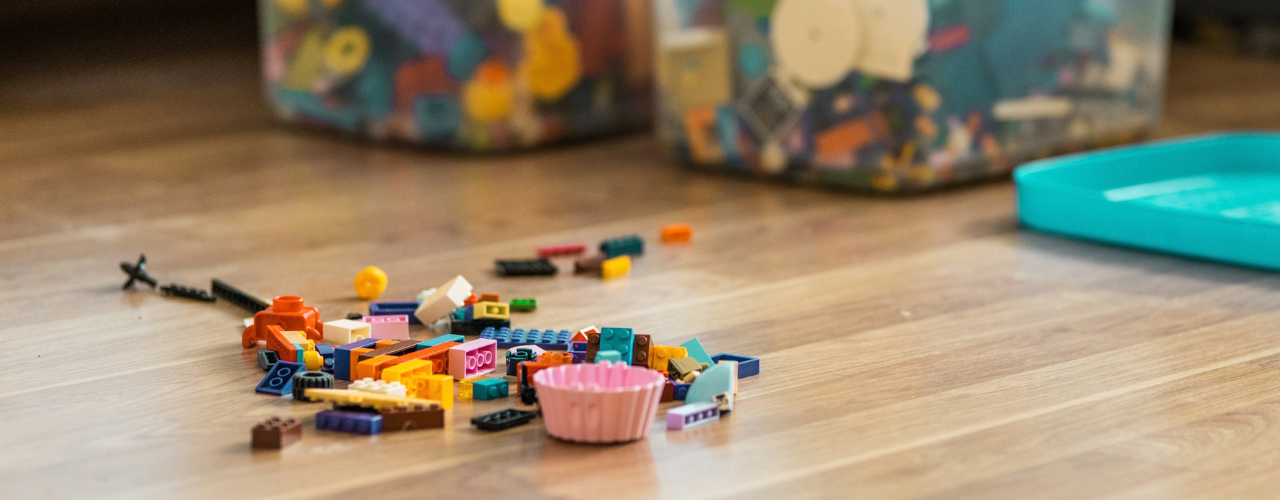
How to store LEGOs largely comes down to how your household uses them. If the bricks are part of everyday play, you need a setup that keeps them within easy reach and makes cleanup quick (for your feet’s sake, at least). Toy storage(opens in new tab) such as simple bins, playmats or containers that children can put away themselves may be enough. Larger or more serious collections usually need more organization, such as labelled drawers for loose pieces, trays for unfinished builds, shelves for completed models and separate storage for retired sets.
Cardboard Costume Guide: Tips and Ideas for a DIY Halloween
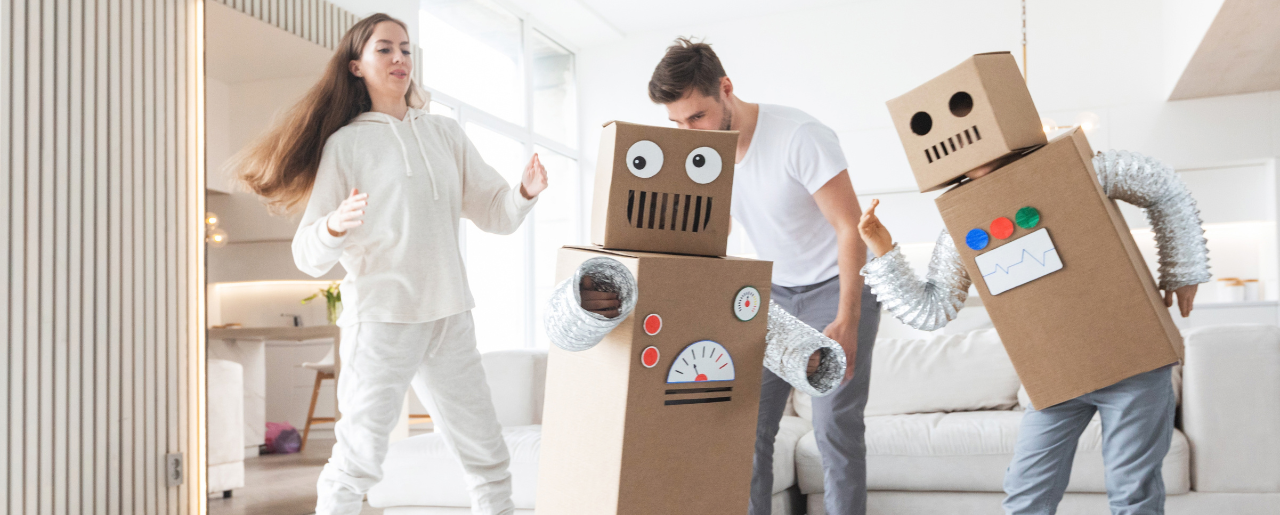
Whether for kids or adults, cardboard costume ideas often make the biggest splash once materialized, and that’s for a simple reason: doing a lot with a little is a universally impressive feat (especially in this economy). If you don’t have enough boxes you could temporarily repurpose, don’t worry! There are many places where you can find free moving boxes(opens in new tab), from stores and supermarkets to online groups and recycling drop-off spots. On the run? Try your luck at a self storage(opens in new tab) facility that sells moving supplies, often for cheap. This way, you can choose moving boxes of different shapes and sizes(opens in new tab), so you can make your costumes as complex as you want.

How to Celebrate Halloween: 9 Non-Spooky Ways To Enjoy It
As soon as October starts, it’s the official Halloween month. And while for many people it means it’s open season to get the scare of a lifetime, others, especially families with small children, might prefer to celebrate in a tamer way that’s both kid- and adult-friendly. While you’re likely to find more events where the spook factor is high, here’s how to celebrate Halloween in a not-so-scary way:

Motorcycle Storage Guide: How to Store Your Bike Safely
Motorcycles may be born to be wild, but eventually even the wild ones need somewhere to park. Whether riding season is winding down or your current living situation comes with plenty of square footage for you and less for your bike, motorcycle storage is one of those parts of ownership that doesn’t get as much airtime as the open road.

Halloween Decorating on a Budget (And Cheap Ideas for Everything Elsee)
Halloween has crept a long way from its eerie origins. While All Hallows’ Eve has transformed through the centuries, it wasn’t until the 1930s that trick-or-treating became a tradition in the U.S. and businesses began conjuring up mass-produced Halloween costumes. Now, Halloween is a monster-sized, billion-dollar industry, with a cauldron full of costumes and decorations ranging from the mainstream to the macabre. But is it all really worth your wallet? Maybe, but we’ll let you in on a little secret: You can keep your Halloween decorating on a budget and save on everything else, too. Take this plan and see it through!

Moving From a House to an Apartment: What to Expect, How to Downsize & How Self Storage Helps
For some, moving from a house to an apartment is a financial decision. For others, it’s about simplifying life. Maybe the kids have moved out and half the house sits empty, or you’re approaching retirement and no longer want to spend weekends on repairs. Or perhaps you’ve been weighing the cost of buying a home and wondering whether renting simply makes more sense right now.
Family Heirlooms Overload: How to Handle Family Inheritance Without Regret
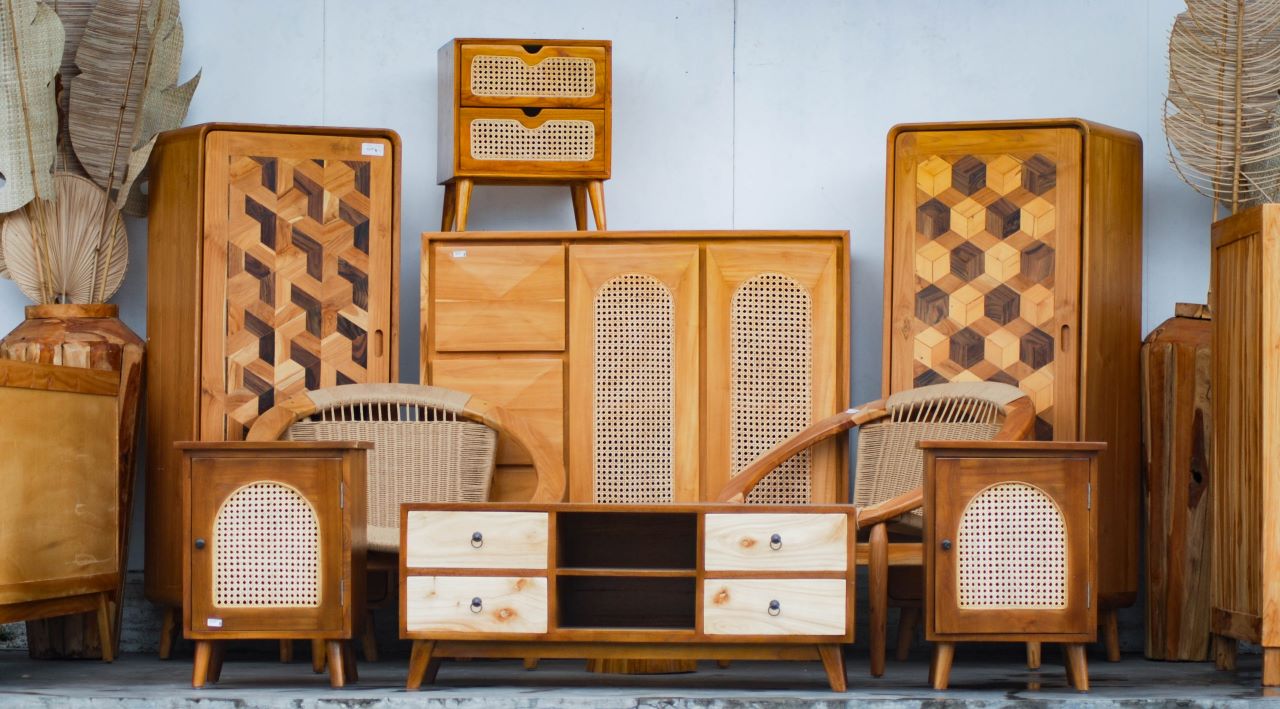
Handling family heirlooms after a loss requires managing legal authority, emotional pressure and practical logistics at the same time, and the order you take them on matters more than most people expect.
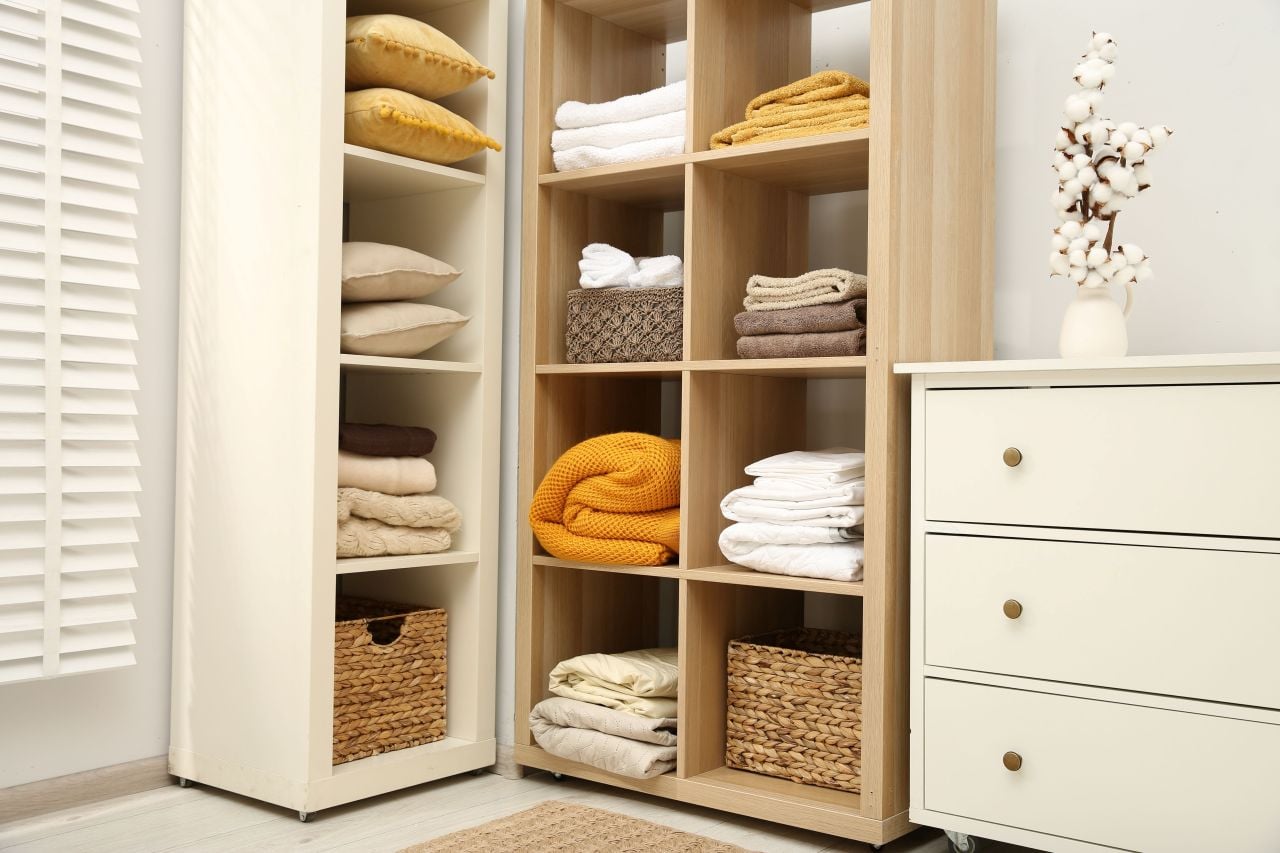
Blanket Storage: The Right Method for Every Space and Season
Blankets make our lives cozier, and storing them well is what keeps them soft and comfortable in the long run. Knowing how to store a blanket properly means your favorites come out of storage smelling fresh, feeling the same as when they went in, and lasting years longer than they otherwise would.

Board Game Storage Ideas That Keep Your Collection in Fighting Shape
Nobody warns you that getting into board games usually unlocks a second hobby, the much dreaded one that includes figuring out where on earth to put them. One game becomes a few, expansions start spawning beside their base boxes and before long, board game storage requires as much strategy as whatever is waiting on the other side of those lids.