

Brooklyn has long been known for its vibrant culture, artistic communities and diverse neighborhoods. While some parts of Brooklyn have become synonymous with skyrocketing real estate prices, there are still several pockets where purchasing a single family home is attainable for those looking to mix the city life with a bit more space for them and their families.
For prospective buyers, it’s essential to explore neighborhoods where property prices remain reasonable while still offering the rich history, culture and convenience that make Brooklyn such a desirable place to live. After all, NYC has added more multi-family housing units than any other U.S. city in the last decade(opens in new tab), so finding a good spot should still be possible. To assist in your search, we’ve identified 10 of the borough’s most affordable and appealing neighborhoods that are definitely worth considering.
1. Gerritsen Beach
- Average home price: $661K

This neighborhood located in the southern part of Brooklyn offers a charming, suburban vibe, with the added advantage of being close to the waterfront. Most of the homes here are bungalows and two-story houses, dating back from the beginning of the twentieth century, when this neighborhood was originally developed as a summer community. Home prices hover around $661K, definitely more affordable than many of Brooklyn’s shinier suburbs. It provides a good quality of life for those appreciating peace and quiet, and numerous opportunities for outdoor fun such as hiking, boating, fishing and other waterfront activities.
2. Coney Island
- Average home price: $691K

A well-known entertainment hub for New Yorkers, Coney Island is also a still-affordable Brooklyn neighborhood with plenty to offer, featuring peaceful residential pockets away from the tourist areas. The single family homes available in Coney Island range from early twentieth-century bungalows and row houses to mid-century detached homes. The tree-lined streets provide a more laid-back, suburban feel, contrasting with the bustling atmosphere closer to the boardwalk. It’s a good choice for families with young children as there’s always something fun to do outdoors — but it can also be an option for young professionals looking for a balance between affordability and convenience. Moving to the area is made easier by the local self storage sector. There are about 60 self storage facilities in Brooklyn(opens in new tab), including this Secure Self Storage(opens in new tab) facility strategically located to streamline the moving process for those choosing Coney Island as their new neighborhood.
2. Canarsie
- Average home price: $695K

Canarsie Park, Canarsie, Brooklyn
This residential neighborhood in southeastern Brooklyn is known for its relaxed, family-friendly vibe and diverse population. There’s a nice blend of suburban tranquility and urban convenience, with small local businesses servicing the residents and plenty of green spaces, such as Canarsie Park and the scenic Canarsie Pier, which overlooks Jamaica Bay. The waterfront access offers opportunities for fishing, picnicking and other outdoor activities. Homes are generally brick row houses, but you can also find detached houses with small lawns and front porches. The average price for a single family home here hovers around $695K.
4. Flatlands
- Average home price: $697K
Another neighborhood in Brooklyn that can offer an easier path toward homeownership is Flatlands, where the average price for a single family home is slightly under $700K. There’s a mix of detached and semidetached homes, with many of them being built around the 1920s, but you can find some more modern developments as well. The neighborhood itself boasts numerous local businesses, small shopping centers and eateries that reflect the cultural diversity of the area. Public transportation is available, though the area is more car-friendly compared to other neighborhoods, which adds to its suburban feel.
5. East Flatbush
- Average home price: $722K
Fast-paced and energetic, East Flatbush manages to retain a strong residential character. Community ties are important here, and people take pride in their neighborhood. Single family homes available in this neighborhood, with an average price of $722K, are generally a mix of prewar and mid-century houses. Many of them have small yards or front gardens, enhancing the area’s charm. There are also several parks and green spaces, like Paerdegat Park, offering residents places to relax and enjoy the outdoors and marking it as a great place for young families.
6. Brighton Beach
- Average home price: $778K
Located in southern Brooklyn, Brighton Beach is a lively seaside neighborhood with a bustling boardwalk, diverse cultural offerings and a close-knit community feel. The iconic Brighton Beach Boardwalk offers stunning views of the Atlantic Ocean, while local shops, bakeries and restaurants line Brighton Beach Avenue and make living here convenient — and a lot tastier. In terms of housing, the neighborhood features detached homes that are usually on the smaller side, as well as row houses, with the average price for a single family home hovering around $778K. With its vibrant energy, Brighton Beach is an appealing spot for both families and young professionals.
7. Marine Park
- Average home price: $813K

The Marine Park neighborhood in southeastern Brooklyn revolves around the sprawling Marine Park, a central feature that offers residents access to a wide range of recreational activities, including sports fields, walking paths, playgrounds and picnic areas. The local housing stock consists of mostly low-rise, single family homes, many of which are detached Cape Cod and Colonial-style architecture and have both front lawns and backyards — a rarity indeed in the city. The average home price in this suburban oasis in the middle of bustling New York City hovers around $813K.
8. Bergen Beach
- Average home price: $853K

This is probably one of the most “suburban” neighborhoods in Brooklyn, known for its family-friendly, peaceful energy. Bergen Beach is dominated by detached, single family homes, relatively large by Brooklyn standards. Some areas feature mid-century ranch-style houses, but you can also find more modern builds. There are a few townhouses and semidetached homes as well, but the overall housing style leans heavily toward suburban-like, detached properties. The neighborhood is largely car-dependent as public transportation options are more limited compared to other parts of Brooklyn — if that’s not an impediment for you, Bergen Beach can be an excellent option that provides more living space than many other neighborhoods in the city.
9. Wingate
- Average home price: $906K
Bordered by larger, busier neighborhoods, like Crown Heights and Prospect Lefferts Gardens, Wingate boasts a distinct sense of calm and community, which appeals to long-term residents and families. You’ll find various types of single family homes, including detached and row houses, but there are small apartment buildings in the area as well. The neighborhood is home to several parks, among which Wingate Park is the largest, and where residents get to enjoy sports fields, playgrounds and other outdoor activities. Home prices here hover slightly above $900K.
10. Flatbush
- Average home price: $958K
Located in Central Brooklyn, Flatbush is well known for historic architecture, diversity and strong community spirit. The proximity of Prospect Park offers easy access to green space for relaxing and sports. The neighborhood’s vibe is very youthful, as Flatbush is home to the Brooklyn College campus. Houses here can be quite spectacular, from large Victorian-style homes with wraparound porches to classic brownstones and brick row houses. Average prices are still under the $1 million mark, and for that price you’ll get to enjoy the area’s trademark historic charm, rich cultural scene and dynamic, youthful environment.
The average home prices we used in this article come from Zillow(opens in new tab).



Best Storage Facilities in NYC, Based on Customer Reviews
Most storage listings in New York City look the same. Reviews are where you find out what you’re getting into: whether the staff will help you, whether the building stays clean and whether your rent stays put once you’ve moved in. So we went through renters’ reviews and picked the three best storage facilities in each NYC borough. Each one gets a score out of 100, and each brand shows up only once per borough. If you’re curious how we scored them, that’s at the end.
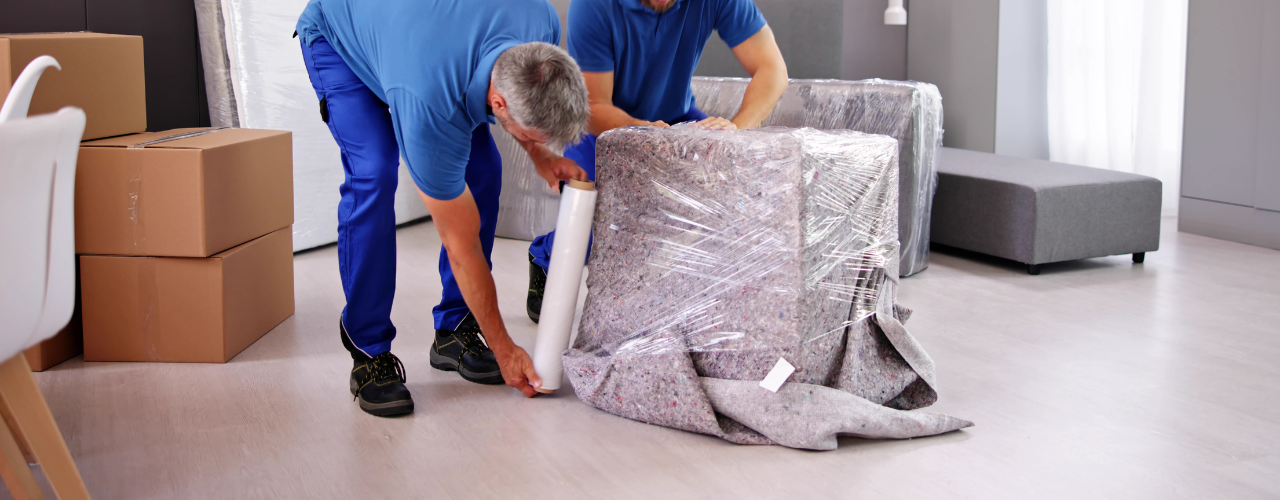
Packing Services: Costs, Pros, Cons & Alternatives
Professional packers save time and reduce breakage, but they add a real cost to your move. Whether they’re worth it depends on how much you own, how much protection it needs and how much time you have. This guide covers what packing services cost, when they pay off, when they don’t and the cheaper alternatives worth considering.

Classic Car Storage: A Guide to Protecting Your Collector Car
Any classic car you see is still there and looking great because people throughout the years knew how to store it well. Those smart decisions kept it from being damaged by moisture, frost and other issues that lead other cars to the auto-graveyard. Now, it’s up to you to carry on the legacy by choosing the right kind of classic car storage(opens in new tab). This guide compares indoor and outdoor options, explains why climate control storage(opens in new tab) is important and shows you how to prepare your car before you store it.(opens in new tab)

Second Acts With Roll-Up Doors: The Most Unexpected Self Storage Conversions In The U.S.
You probably don’t expect to stash your holiday decorations in a former armory. Or tuck away old photo albums where moviegoers once lined up for popcorn. But across the country, some of the most unexpected buildings are getting a second act — as self storage facilities.

Storage Unit Insurance: Your Coverage Options Compared
Your homeowners or renters policy may already cover your stored belongings, but likely not for their full value or against every risk. This guide explains where coverage comes from, what each option leaves out and how to decide whether you need more from your storage unit insurance.
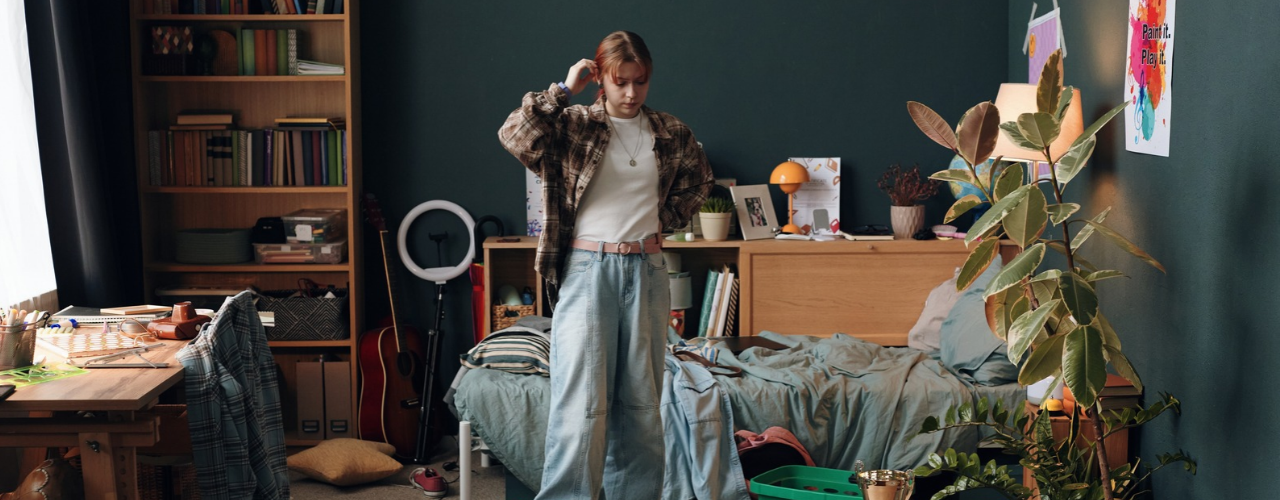
I’m Gen Z: What’s in My Storage Unit?
Trading Facebook posts for TikTok dances and Beanie Babies for Labubus, Gen Z has given growing up online a whole new meaning. Defined by everything concerning reusing, recycling and cycling through trends that previous generations would rather forget (looking at you, Millennials and capri jeans), it’s no wonder this is also a generation that can spot an authentic vintage find from a fast-fashion knockoff in under three seconds. And when your wardrobe can go from Depop find to next season’s comeback without warning, a little extra space starts making sense.
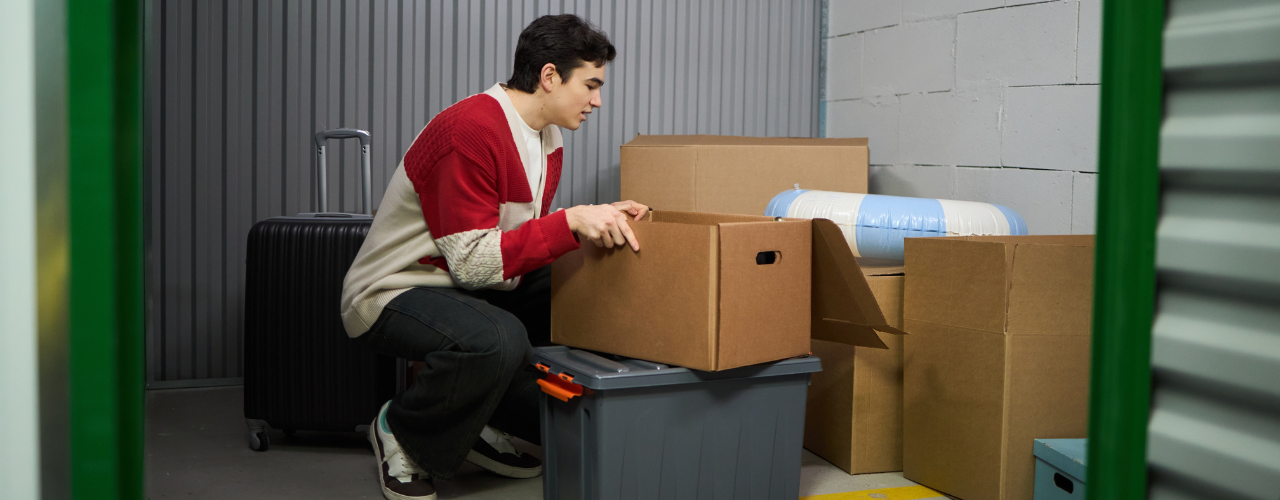
I’m a Millennial: What’s in My Storage Unit?
So, you’re a Millennial. You probably know all the lyrics to Phoebe Buffay’s Smelly Cat. Hannah Montana’s The Best of Both Worlds has become more like a life philosophy rather than a fun tune. And if you rent a self storage unit, you’re in good company. You’ve officially joined the 31% of Millennials who rent storage space, most often because there simply isn’t enough room at home, according to StorageCafe’s 2026 Self Storage Demand and Trends survey(opens in new tab).
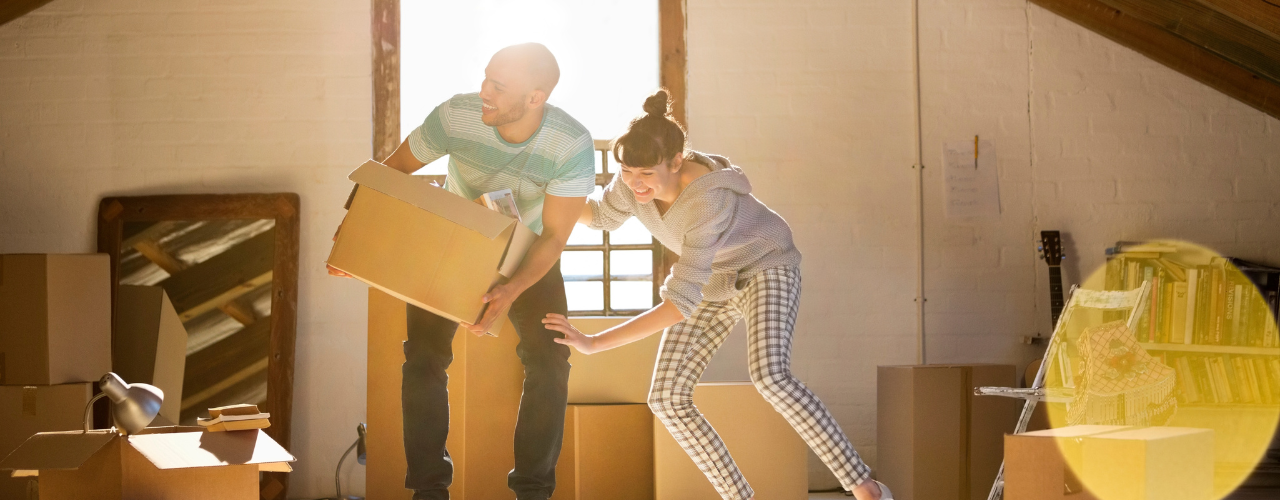
Attic Storage Done Right: What’s Worth Keeping Up Top?
The attic is one of those places where holiday decorations end up next to a forgotten suitcase, a broken lamp and boxes nobody’s opened since moving day. Out of sight, out of mind works well enough until you need something from the back or realize you’ve been adding weight to a floor you know little about.

What to Know Before Starting a Self Storage Business in 2027
If you’re wondering how to start a self storage business, two questions come first: Does your area need more storage, and what would it take to run the business? Before you commit to a property, it helps to understand local demand, the costs involved and the day-to-day work of serving renters.