

New York’s self storage sector satisfies local requirements in both the central and outlying areas, and was on hand during recent surges of moving activity. In terms of the space it provides per capita it lags behind other large US metros, but considerable development is underway to answer the needs of new, often younger, residents. The health of the local self storage sector is confirmed by activity in the marketplace: it saw a greater volume of transactions in 2020 than any other US city — almost half a billion dollars, most of it in Brooklyn — with street rates that, while not the nation’s fastest-rising, are steady right now.
To find out more about the state of play in the New York self storage market, we asked a manager at Gotham Mini Storage in Midtown Manhattan — they offer storage spaces ranging from 4’x4’x4’ lockers to 10’x20’x8’ units, with climate control throughout.
NYC self storage helped people move away from the center and back again
The pandemic affected urban dwellers, with many upping sticks to avoid congested areas. Inner-city New Yorkers had Manhattan self storage available for their possessions while they moved, and facilities further out come in handy for those moving out longer term. “Speaking to friends that have storage sites out on the island in Suffolk and Nassau or in Jersey, they were running out of space,” our self storage manager confirms.
Later, however, when rents were lowered and people had become accustomed to health restrictions, many felt it was safe to return. “Starting in May, people started moving back into the city, so you saw storage in the city starting to gain traction,” our contact at Gotham Mini Storage observes. A wider variety of NYC neighborhoods are becoming fashionable, and returning Gothamites have access to the many storage units in Brooklyn as well.
NYC leads self storage development, supplying its changing demographics
Some good discounts were offered to entice people back to New York, and this would have encouraged anyone used to entry-level accommodation. “The younger ones we’re seeing more of, not married couples with kids,” our self storage manager in Midtown Manhattan has noticed. “They’re single or they got a couple of friends and they’re buying an apartment, doing it that way.” New arrivals may not have as much living space as they as used to, sending more business the way of New York’s self storage providers.
And new residents need new facilities. The New York self storage sector has been redressing its traditionally low space provision, which is currently about 3.6 square feet per person across the metropolitan area. As per Yardi Matrix data, the square footage of all self storage currently planned or under construction here is the highest of all the nation’s large metros, equivalent to no less than 18.3% of the total inventory and a year-over-year increase on previous months.
New Yorkers need climate-controlled units, and vehicle storage further out
But how temporary is New Yorkers’ new use of storage likely to be? “They’re putting in their stuff for a few months now, we’re hoping it’ll be longer, but it all depends on the situation,” our Gotham Mini Storage manager observes, adding that the space available with a 10’x10’ unit suits many. He also stresses the need for climate-control to deal with the city’s famously challenging weather: “Most of the newer facilities are going to be climate control because people don’t want their stuff ruined in the city and it gets really humid.”
But space is limited in Central New York even for storage providers. For example, vehicle storage isn’t as common here as it is in other large cities — New York does have the world’s largest rapid transit system, so the need for cars in many zones is understandable less. “Out in the suburban areas, you’ll see people put in collectible cars or RVs or their business trucks,” but in Midtown Manhattan, for example, this is not so possible.
New Yorkers prioritize price, good management, and boosts to business as well
Metro NYC’s average monthly rate for a non-climate-controlled 10’x10’ storage unit is $191, but this price is increasing at only a third of the rates seen in places such as Miami, Phoenix and Atlanta. “Right now, consumers are looking at price,” our Gotham Mini Storage manager says. He also emphasizes other requirements of a self storage facility that help minimize the stress of their busy lives: “They want to know that it’s clean, it’s nice, it’s maintained, it looks good, and the people are trustworthy.”
The business uses of self storage will not be lost on New Yorkers, and our Midtown Manhattan contact is keen to relate stories of entrepreneurs: “They can’t afford brick and mortar and they start off in storage. I’ve seen great startups coming and do their stuff and get their business and funding. They’re with us for a couple of years and then they branch out and they get their own building.” As they say, if you can make it here you can make it anywhere, and a trip to a local self storage facility could be the first step!

New York’s self storage sector has seen its share of interesting times recently, both in terms of clientele and market activity. The fact that it leads the nation in terms of development bodes well both for investors and for customers who would like to see a wider choice of facilities. The self storage business moves with the times, will always grow as a city or a business community grows, and still provides plenty of interest and enjoyment from a management point of view.


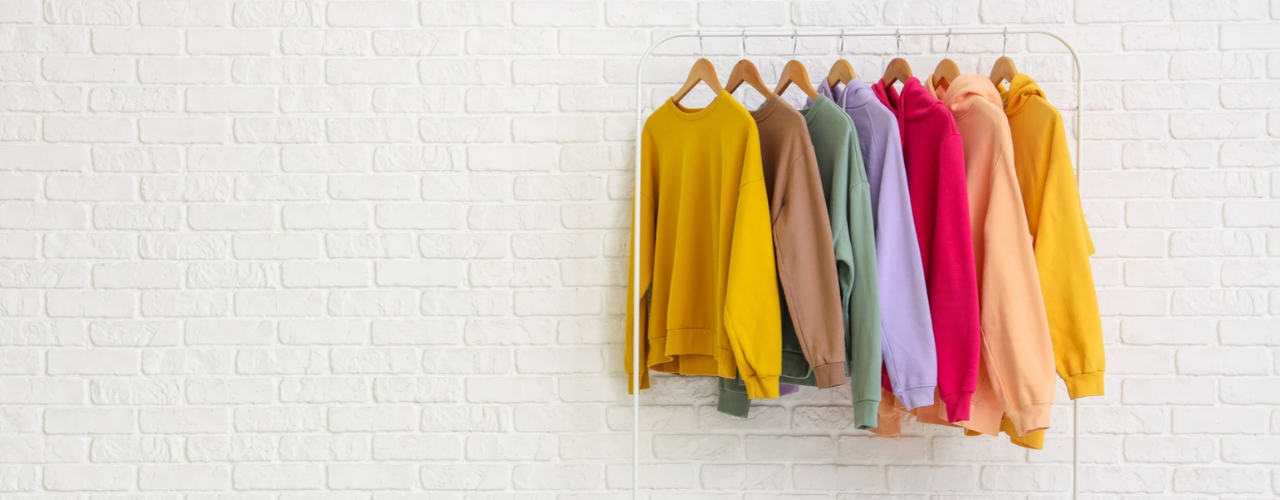
Sweatshirt Storage Ideas Worth Keeping Up Your Sleeve
Sweatshirts are great until you realize how much room they take up. A few thick hoodies can fill a drawer fast, with lighter crewnecks getting squashed underneath or pushed somewhere you forget about. Good sweatshirt storage can make that pile much easier to manage without requiring a bigger closet.

Living Room Storage Ideas: 28 Ways to Reclaim Your Hosting Space
If a living room is where most of a household’s living happens, good storage should be the top priority for setting up or revamping the place. After all, think of how easier it would be to have people over when tidying up the place is just a matter of putting things in their right place (in a time when fewer and fewer people are entertaining friends at home(opens in new tab)). The trick is making room for all those wayward clothes, blankets, chargers and other small things that end up on (or, inexplicably, in) the sofa. Here are 28 living room storage ideas to get you started and make tidying up a quick affair.
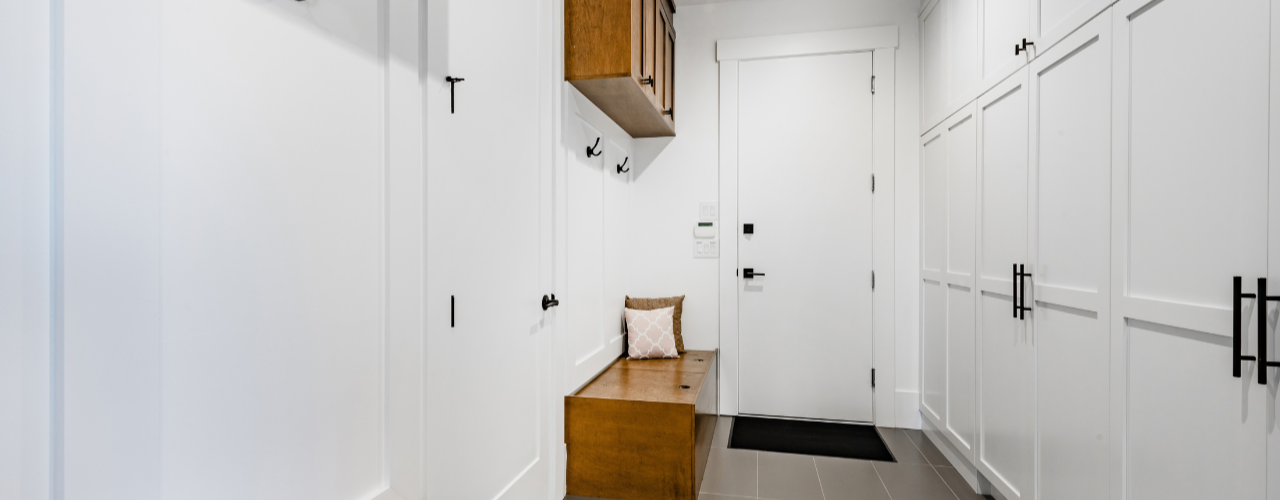
25 Mudroom Storage Ideas (And Mistakes to Avoid)
When you come home with muddy boots, an armful of bags and a coat you can’t wait to take off, it’s nice to have somewhere to put it all. With a mudroom, you can leave the outdoor mess at the door instead of carrying it through the house. Traditionally, you’d set aside a separate room, but you can just as easily use a hallway, an entryway closet, a laundry-room corner or a stretch of wall near the entrance.

Is Your Home Office Worth the Rent? What Coworking and Self Storage Could Save You
Every square foot of your apartment comes with a price tag, and a home office claims more of them than most renters expect. It starts with a desk. Then come the second monitor, the printer, the filing cabinet and the overflow boxes. Before long, the corner you set aside for work has turned into a small room you are paying for every month.

Best U.S. Cities to Live Uncluttered: Plano, TX, Offers the Most Room to Breathe
Clutter is in our homes as much as in our heads. Both are shaped by where we live.

America’s Top Snowbird Destinations for 2026–2027: Florida Leads in Numbers, Texas Wins on Value
For Americans living in colder states, the approach of winter is reason enough to start looking south. Cold weather carries costs that go beyond the heating bill and shoveling snow. Seasonal affective disorder(opens in new tab) is far more prevalent in northern states, so a temporary move south isn’t simply an escape from the cold, but a chance to spend the hardest stretch of winter outdoors and in the sun.

How Much Does Halloween Really Cost in 2026? Plan Wisely to Avoid the Scare of Hidden Costs
Americans’ love for Halloween is almost frightening — this year alone, we are on our way to spending $13.5 billion, according to data from the National Retail Federation(opens in new tab). That breaks down to about $115 Halloween costs per person, a whopping 49% more than 10 years ago.

How to Store LEGOs: All the Fun, None of the Clutter
How to store LEGOs largely comes down to how your household uses them. If the bricks are part of everyday play, you need a setup that keeps them within easy reach and makes cleanup quick (for your feet’s sake, at least). Toy storage(opens in new tab) such as simple bins, playmats or containers that children can put away themselves may be enough. Larger or more serious collections usually need more organization, such as labelled drawers for loose pieces, trays for unfinished builds, shelves for completed models and separate storage for retired sets.

Cardboard Costume Guide: Tips and Ideas for a DIY Halloween
Whether for kids or adults, cardboard costume ideas often make the biggest splash once materialized, and that’s for a simple reason: doing a lot with a little is a universally impressive feat (especially in this economy). If you don’t have enough boxes you could temporarily repurpose, don’t worry! There are many places where you can find free moving boxes(opens in new tab), from stores and supermarkets to online groups and recycling drop-off spots. On the run? Try your luck at a self storage(opens in new tab) facility that sells moving supplies, often for cheap. This way, you can choose moving boxes of different shapes and sizes(opens in new tab), so you can make your costumes as complex as you want.