

Moving From a House to an Apartment: What to Expect, How to Downsize & How Self Storage Helps
For some, moving from a house to an apartment is a financial decision. For others, it’s about simplifying life. Maybe the kids have moved out and half the house sits empty, or you’re approaching retirement and no longer want to spend weekends on repairs. Or perhaps you’ve been weighing the cost of buying a home and wondering whether renting simply makes more sense right now.
Need space? These tips will help you store just about anything








Research Reports
Explore data-driven research on real estate, housing, self storage, moving trends and economic forces shaping today’s markets.


Smart Living
Get practical advice and inspiration on organizing, home décor, lifestyle and personal finance for everyday living.
Latest posts
Where to Donate Furniture in Phoenix (And Some Back-Up Plans)
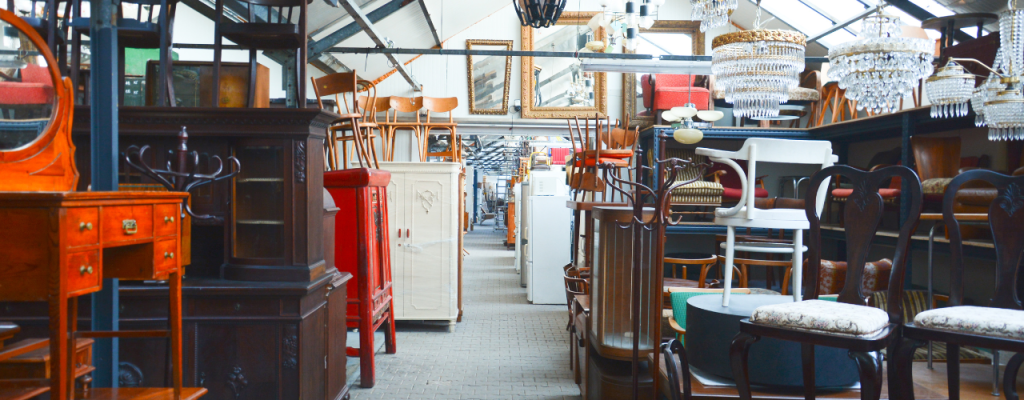
Whether you’re downsizing, moving, redecorating, or clearing out an estate, giving your gently used furniture a second life is one of the most rewarding ways to declutter. Phoenix has a deep bench of nonprofits that will happily take your couch, dresser, or dining set, and many of them offering free pickup right from your driveway. This guide covers where to donate furniture in Phoenix, what each organization accepts, how pickups work, and when a storage unit(opens in new tab) can help with the items you would still like to keep.

Where to Get Moving Boxes in San Francisco
Maybe you just found that perfect apartment in the neighborhood you’ve always wanted, and you’re planning a local move. Or, on the contrary, you decided to leave San Francisco for good. Regardless of your moving plans, you’ll need the right amount of moving boxes and other moving supplies.

Where to Get Moving Boxes in Newark, NJ
Whether you’re planning a change of address in Newark(opens in new tab), or you just scored the perfect job and apartment in New York City and heading to the Big Apple for good, one thing is for sure: you are going to need moving boxes. A lot of them. Plus other moving supplies.

The Art of Maximalist Decor: More of What You Love, None of the Chaos
Maximalism decor is the design philosophy that more is more — and then some. What is maximalism, exactly? It’s the belief that every object earns its place not because it fits a neutral palette, but because it means something to the person who brought it home. Your shelves might hold dog-eared fantasy novels from high school, a ceramic frog rescued from a flea market and the postcard your best friend mailed from the other side of the world. None of those objects belong to the same collection. And yet, somehow, they still belong together.

Moving Checklist: A Tested Step-by-Step Guide for a Smooth Move
Starting fresh is always exciting, but before you really get to enjoy your new home, there are a few things to take care of. Less appealing, maybe, but critical for a happy new beginning.

Fall Cleaning Checklist: Your Guide to a Cozy, Organized Home This Season
Many of us feel the urge to prepare our homes for the season ahead as soon as the first yellow leaves hit the ground. With days growing shorter, families spending more time indoors, and holiday gatherings appearing on the horizon, it’s only natural that we want our homes to be neat, tidy and comfy.
StorageCafe in the News
Where our data helps shape the conversation