


Moving From a House to an Apartment: What to Expect, How to Downsize & How Self Storage Helps
For some, moving from a house to an apartment is a financial decision. For others, it’s about simplifying life. Maybe the kids have moved out and half the house sits empty, or you’re approaching retirement and no longer want to spend weekends on repairs. Or perhaps you’ve been weighing the cost of buying a home and wondering whether renting simply makes more sense right now.

Need space? These tips will help you store just about anything








Research Reports
Explore data-driven research on real estate, housing, self storage, moving trends and economic forces shaping today’s markets.




Smart Living
Get practical advice and inspiration on organizing, home décor, lifestyle and personal finance for everyday living.
Latest posts
StorageCafe’s Industry Trends Page: A Sharper Look at the Market
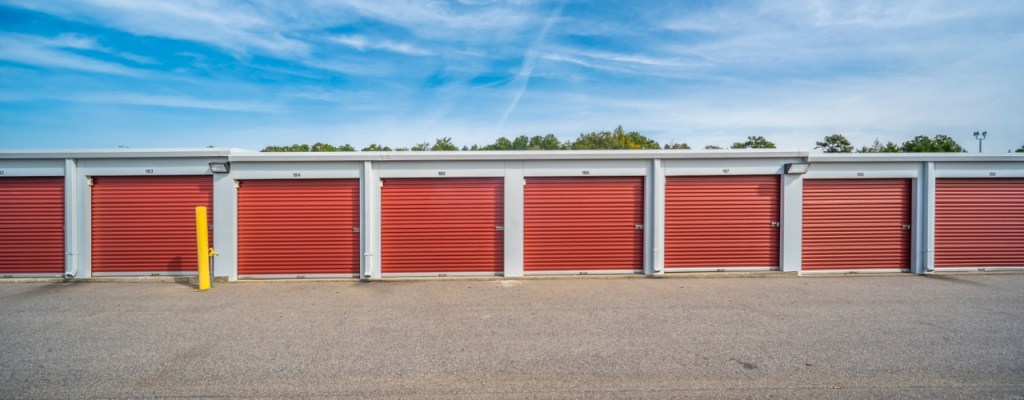
When it comes to self storage, the hard part is finding data that’s both current and retrospective, both granular and sweeping, but also — and most importantly — trustworthy enough to act on. After all, national averages age quickly, and the numbers that move decisions live at the metro and submarket level. Regularly refreshed and highly authoritative, StorageCafe’s Self Storage Industry Trends page exists to close that very gap for professionals in the self storage sector, as well as real estate reporters and journalists. It brings live, nationwide market data into one place and breaks it down city by city, drawing on the same intelligence the professional side of the business relies on. Here’s what it covers and why it’s worth keeping open in a tab.

Scuba Gear Storage Guide: Keep Your Kit Dive-Ready
The best way to store scuba gear is in a cool, dry, shaded space where equipment can hang or lie flat without compression. Salt residue, moisture, heat and UV exposure are the main causes of premature breakdown in neoprene, rubber and metal components. Rinsing thoroughly after every dive and allowing everything to dry completely before storage prevents most long-term damage.

Large Storage Units Explained: How to Know What Size You Need
Large storage units start at the 10’x20’ and climb from there. The 10’x20’ is the most common — the familiar lock-up garage you see at nearly every facility. Above it sit the 10’x30’, 20’x20’, and 20’x30’ plus specialist spaces for storing boats, RVs and commercial equipment.

How StorageCafe’s Boat Storage Directory Helps You Find the Right Space
You’d think finding boat storage would be straightforward. Type something into Google, get a list of nearby facilities, pick one. In practice, it rarely works that way. Most search results surface generic self-storage pages where the largest unit tops out at 10’×10’ — fine for a couch, useless for anything on a trailer. You end up calling around just to find out who takes boats.

How to Store a Boat in Self Storage: Types, Costs & What to Look For
Storing a boat in self storage comes down to four decisions: how far the facility is from your launch point, what type of storage suits your climate (outdoor, covered, or indoor), how to prepare the boat before storing it, and whether the facility’s security and access hours fit how you use your boat. First-time owners who think through these factors before signing a lease tend to get significantly more use out of their boat.
Temporary Storage During Emergencies: What to Know Before You Need It
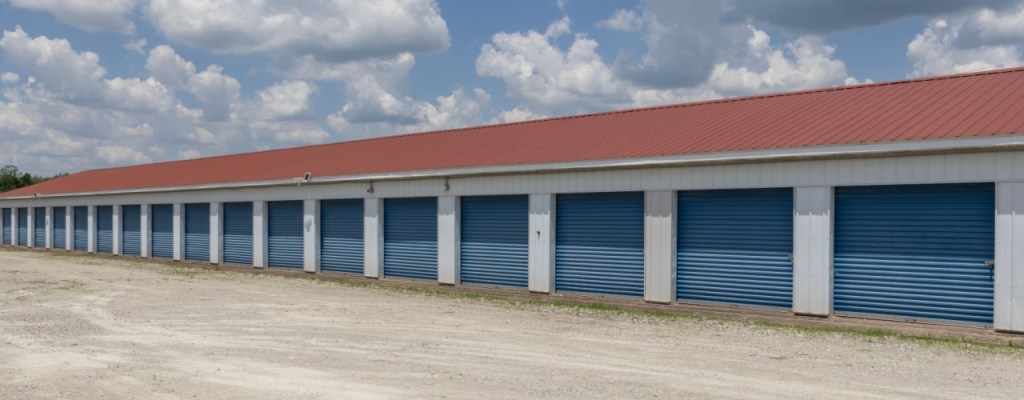
When a hurricane’s bearing down, a wildfire is closing in, or floodwater has already reached your front door, the last thing you want to be doing is figuring out where to put your stuff – but that’s exactly when people find themselves scrambling for temporary storage.
StorageCafe in the News
Where our data helps shape the conversation