
Public Storage’s $10.5 B Acquisition Of National Storage Affiliates: What It Means For The Industry

Public Storage is acquiring National Storage Affiliates (NSA) in a $10.5 billion deal that will push its share of the US self storage market from around 11% to over 14%. The transaction, expected to close by Q3 2026 pending regulatory and shareholder approvals, is one of the most significant consolidation moves the industry has ever seen.
A shopping spree years in the making
This is not Public Storage’s first large-scale move. The company has been steadily building its portfolio since 2021, when it acquired ezStorage for $1.8 billion and All Storage for $1.5 billion in quick succession. In 2023, it followed up with the purchase of Simply Self Storage for approximately $2.2 billion. The recent NSA deal dwarves all of them combined, marking a meaningful shift in how concentrated the top end of the market is becoming.
Public Storage has consistently chosen to acquire established operators with existing customer bases, stable revenue streams and proven locations. Each deal has brought an established customer base and existing revenue streams alongside operational infrastructure, local market knowledge and ready-made scale.
The NSA acquisition takes that strategy to its largest step yet. NSA is no small player: with over 1,000 facilities and approximately 69 million rentable square feet spread across 37 states and Puerto Rico, according to Yardi Matrix data, the deal gives Public Storage immediate, scaled presence in markets where it previously had limited reach.
The deal carries a strong Sun Belt focus
Once the latest Public Storage expansion is finalized, a significant portion of the combined portfolio will be concentrated across the fast-growing southern US, a region that has outperformed national averages on population growth and housing demand for years.
Texas is the standout. Already Public Storage’s largest state market at roughly 41.6 million rentable square feet, Texas is also NSA’s strongest state, making the combined position a dominant one by any measure. Houston alone accounts for over 7.3 million square feet of Public Storage’s existing footprint — its single largest metro nationally — with approximately one million additional square feet expected to transfer when the acquisition closes.
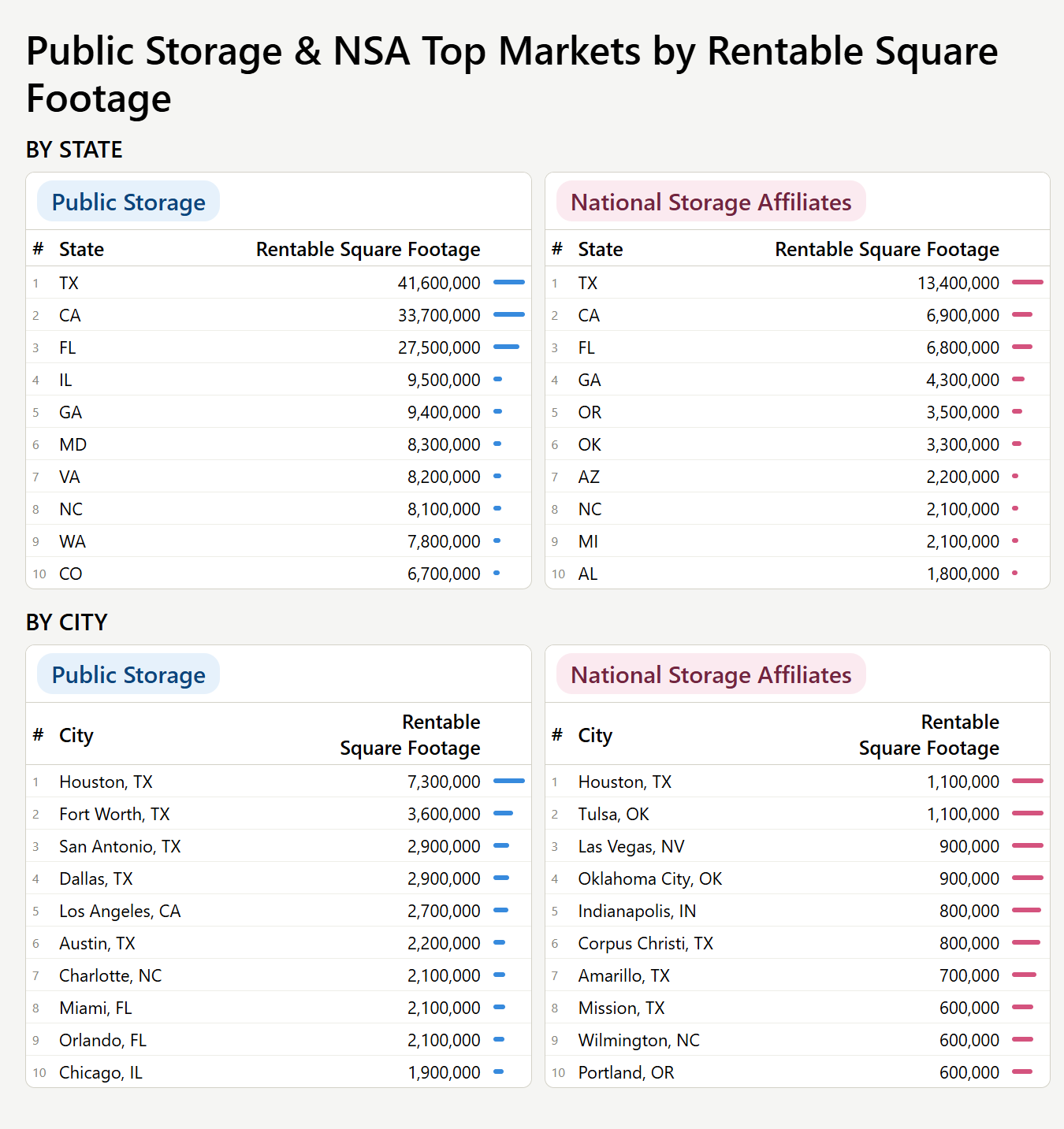
The timing of the deal coincides with another significant development. Public Storage recently announced it is relocating its headquarters from California to Frisco, Texas, its first HQ move since the company was founded in 1972.
Beyond Texas, the deal fills meaningful gaps in Public Storage’s existing network. Its current strength in large coastal and Sun Belt states — California, Florida and the Carolinas — is complemented by NSA’s deeper presence in mid-sized, high-growth markets such as Las Vegas, NV, Indianapolis, IN and Oklahoma City, OK.
The bigger picture: A market still up for grabs
Self storage remains one of the most fragmented real estate sectors in the US, with self storage sales staying generally active despite some fluctuation in recent years. The top 10 operators combined account for less than 40% of all rentable square footage, meaning independent and local operators still represent the majority of the market by a considerable margin. Public Storage’s current 11% share already puts it ahead of its closest peer, Extra Space Storage at approximately 8.2%.
Once the deal finalizes, Public Storage will hold over 14% of total US rentable square footage and will oversee more than 4,200 facilities and around 300 million rentable square feet across the US, a combined footprint larger than any single self storage operator has previously held.
That scale brings real advantages: greater investment in technology and facility upgrades, more consistent operational standards, and broader geographic coverage for customers.
For independent and mid-sized operators, the continued REIT consolidation is also a signal that institutional confidence in the sector remains strong.
For renters, it can translate into more predictable pricing, better-maintained facilities and improved digital tools for finding, booking and managing storage. At the same time, a market that remains majority independent ensures that choice and local competition don’t disappear anytime soon.
Data on rentable square footage for Public Storage, National Storage Affiliates and all other operators referenced in this analysis comes from Yardi Matrix, StorageCafe’s sister company, which provides commercial real estate intelligence and underwriting tools across the multifamily, office, industrial and self storage sectors.



Moving From a House to an Apartment: What to Expect, How to Downsize & How Self Storage Helps
For some, moving from a house to an apartment is a financial decision. For others, it’s about simplifying life. Maybe the kids have moved out and half the house sits empty, or you’re approaching retirement and no longer want to spend weekends on repairs. Or perhaps you’ve been weighing the cost of buying a home and wondering whether renting simply makes more sense right now.

Family Heirlooms Overload: How to Handle Family Inheritance Without Regret
Handling family heirlooms after a loss requires managing legal authority, emotional pressure and practical logistics at the same time, and the order you take them on matters more than most people expect.
Blanket Storage: The Right Method for Every Space and Season
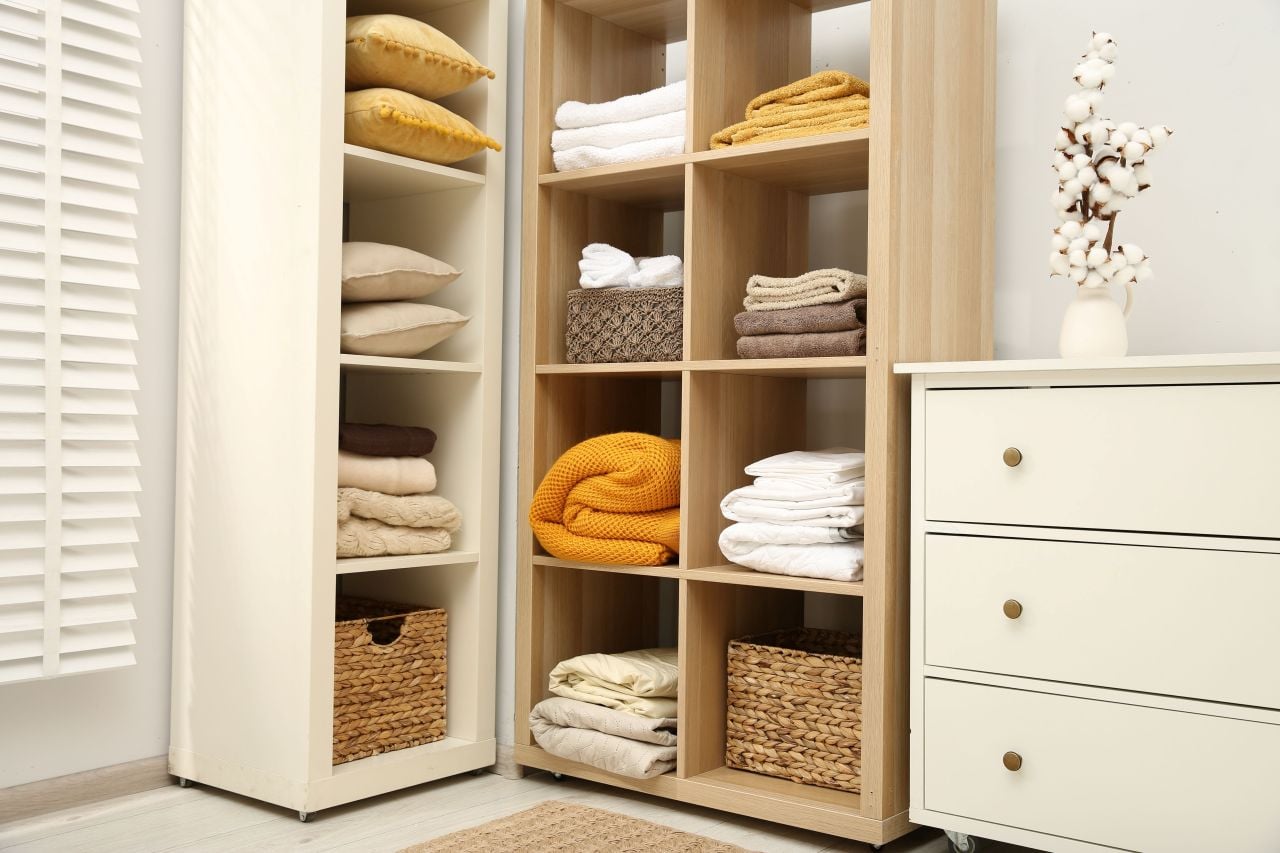
Blankets make our lives cozier, and storing them well is what keeps them soft and comfortable in the long run. Knowing how to store a blanket properly means your favorites come out of storage smelling fresh, feeling the same as when they went in, and lasting years longer than they otherwise would.

Board Game Storage Ideas That Keep Your Collection in Fighting Shape
Nobody warns you that getting into board games usually unlocks a second hobby, the much dreaded one that includes figuring out where on earth to put them. One game becomes a few, expansions start spawning beside their base boxes and before long, board game storage requires as much strategy as whatever is waiting on the other side of those lids.

Storage Locker vs. Storage Unit: What’s the Difference?
A locker and a unit may sound like two names for the same four walls and a lock, and depending on the storage facility, you may even see the terms used that way. However, once you start comparing available spaces, storage lockers tend to occupy the smaller end of the spectrum, while storage units(opens in new tab) give you considerably more room to work with.

Storage Ideas for Small Spaces: 9 Ways to Max Out Your Home
A messy home contains the seeds of its organization. Those seeds are everywhere: the space above doors, under beds, behind sofas and inside furniture can all become storage. Here are the best storage ideas for small spaces, so you can make the most of your cozy home.

Best U.S. Cities to Live Uncluttered: Plano, TX, Offers the Most Room to Breathe
Clutter is in our homes as much as in our heads. Both are shaped by where we live.
How to Organize Your Bathroom: 8 Ways to Stay Tidy
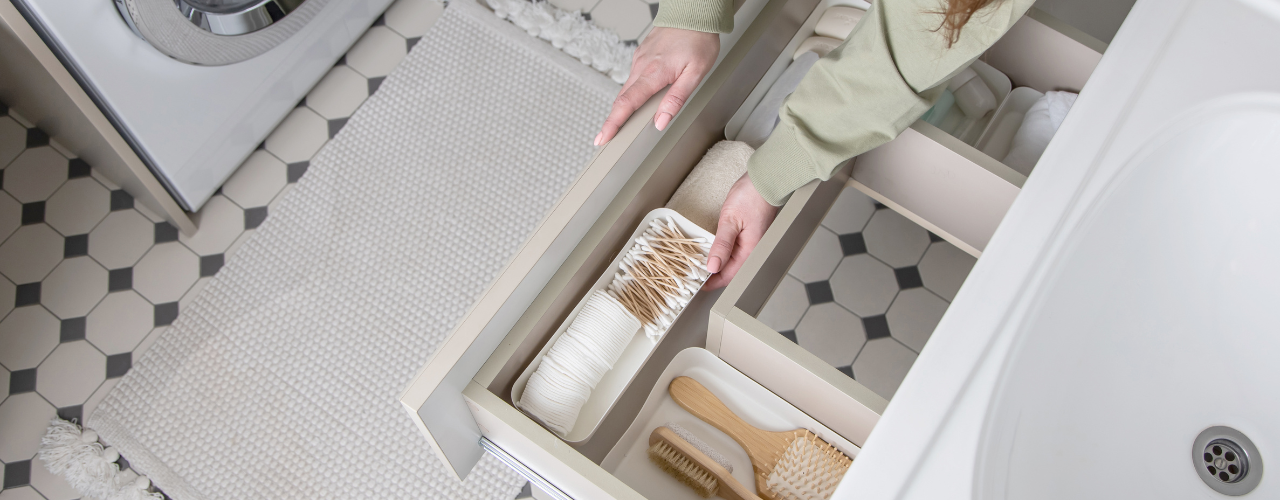
You already know why an organized bathroom is worth the effort, but let us remind you: it makes rushed mornings easier, keeps counters cleaner and just helps get you in the mood to go through your skincare routine like you should. Plus, in bigger households, it helps everyone find what they need. And you know how much a tidy bathroom counts for your self-esteem when a guest or a partner shows up. Luckily, you don’t need a degree to know how to organize your bathroom. The secret is keeping less, giving every item a home and making that home simple to use. Let’s go through some practical steps can help you create a bathroom that stays functional and nice to look at.

How to Use Silica Gel Packets for Storage
Moisture can cause significant damage to items in storage, leading to rust on tools, mold on clothing and warping in documents. Silica gel uses science to fix that. Often found in small packets inside product packaging, silica gel is a desiccant that absorbs moisture from the air, keeping your stored items dry and protected. This guide explains what silica gel is, how it works and how you can use it to preserve your belongings in self storage.