
Out With The Old, Enter Self Storage: Adaptive Reuse Skyrocketed Last Decade And Is Now Accelerating In The Sunbelt And Northeast


- Adaptive reuse in self storage accounts for roughly 179 million square feet of space across the U.S. in completed supply, around 10% of the country’s total inventory.
- Over half of the existing inventory was delivered in the past decade – that’s almost 108M square feet of self storage space.
- Close to 3.8 million square feet of converted self storage space is under construction nationwide, accounting for 7.2% of all upcoming development.
- The East Coast and Midwest have the most cities working on self storage conversions, yet the Sunbelt stands out – Irving, TX, has more adaptive reuse space under construction than any other city. The city is set to add about 233,000 square feet of conversion projects.
- In 32 cities, every facility currently being built is a conversion project — totaling 2.3 million square feet or about 60% of all adaptive reuse space now in development.
- Following efforts to support urban revitalization, 20% of storage conversion projects currently built are located in federally designated opportunity zones.
Self storage has been moving at warp speed in recent years, with annual deliveries in the 2020s topping 64 million square feet of rentable space — surpassing the roughly 55 million annual average seen in the 2000s. Not all new supply comes from ground-up construction, and adaptive reuse has been playing a growing role in filling industry demand gaps. Owners are increasingly embracing conversion projects — repurposing existing buildings to expand inventory in markets where zoning hurdles and limited land make new development difficult.
This approach is giving vacant structures – many left behind by recent retail closures and shifting commercial needs – a new lease on life. Across the country, these reimagined buildings are meeting the growing demand for storage while revitalizing local communities.
Self storage conversions took off in the last decade, with over half of new space coming from adaptive reuse
Nationally, conversion projects now account for 10% of all completed self storage inventory – roughly 179 million square feet across more than 2,500 facilities. What’s especially notable is how recent this boom is: more than half of all conversions, about 108 million square feet, came online in just the past decade, driven by rising demand for storage and a growing push toward urban infill and sustainable redevelopment.
From once-busy offices to shuttered big-box stores, a surprising mix of aging buildings is finding a second life as self storage. Industrial buildings lead the way, making up 41% of all conversions, followed by office properties at 34%.
Residential contributes another 17%, followed by retail with 7% – a share expected to rise as the ongoing e-commerce boom and the resulting wave of physical store closures create more opportunities for repurposing vacant commercial space.
Storage Conversions: Did You Know?
🏢 Converted space nationwide: 179 million sq. ft.
Adaptive reuse now accounts for nearly 10% of all U.S. self storage inventory.📈 Conversions accelerated in the last decade
More than 108 million sq. ft. of converted storage space was delivered in just the past 10 years.🚧 Conversions under construction: 3.8 million sq. ft.
About 7.2% of all current self storage construction is coming from adaptive reuse projects.🏗️ Most common buildings converted
Industrial buildings lead the way at 41%, followed by office spaces (34%) and residential properties (17%).⏳ Average age of self storage conversions: 43 years
Many converted storage facilities started life decades ago — and some more than a century back.🏛️ Erie, PA’s oldest conversion: 146 years
One of the nation’s oldest adaptive reuse landmarks began life in the 1800s — long before its 2018 transformation into storage — as a bustling factory.
Adaptive reuse takes different forms across the country, but the Midwest and Northeast are far outpacing other regions in turning older buildings into modern self storage facilities — a natural outcome of their evolution from legacy industrial economies to tech, services and creative industries.
U.S. markets with the largest self storage conversion inventories
Cities like Chicago, Brooklyn, Philadelphia, Manhattan, and St. Paul are among the nation’s leaders, together representing millions of square feet of repurposed space. In several of these markets, conversions account for a third or more of the local storage inventory, reflecting just how critical adaptive reuse has become in places where traditional development can’t keep up with demand.
Adaptive reuse project in Manhattan, NY, shown here in a Google Maps Street View image at 41 East 21st Street, New York, NY 10010.
In fact, 9 of the top 10 markets with the most converted storage space are also undersupplied — from just 2.1 square feet per person in Los Angeles and New York City to 3.3 in St. Paul and 3.5 in Chicago — driving their heavy reliance on adaptive reuse to expand capacity in densely built environments.
And the momentum isn’t slowing. With limited land availability, rising construction costs, and escalating pressure to reuse what already exists, adaptive reuse is gaining ground in urban hubs nationwide — though each region embraces it differently, based on its own real estate dynamics.
To understand where conversions are accelerating most, we analyzed under-construction pipelines across 1,184 U.S. cities, ranking them by the volume of conversion projects underway. To assess how these projects shape local markets, we also examined:
- self storage square feet per capita,
- street rates in converted vs. non-converted facilities,
- the share of conversions in opportunity zones,
- the types of properties being repurposed, and
- the environmental benefit, quantified by the tons of demolition debris that never materialize when reuse replaces teardown.
Future hubs of self storage conversions: Top 10 cities for incoming adaptive reuse inventory
Building on the national momentum, several cities are emerging as future hubs for self storage conversions. According to our analysis, more than 3.8 million square feet of converted storage space is currently under construction, representing 7.2% of all self storage projects underway.
Much of this activity is concentrated in the Sunbelt, which takes up almost half of the nation’s top 20 cities for projected supply coming specifically from conversions, with Irving, TX, Los Angeles, CA, and Fairfield, AL, being some of the markets with the highest volumes of conversion projects under construction in the country. The race for ongoing conversions is also heating up on the East Coast and in the Midwest, which together account for six entries each among the nation’s top 20 cities for future converted self storage inventory.
“This parity in geographic distribution highlights how adaptive reuse is seeing extended regional reach, as a practical solution to market constraints and changing consumer needs,” said Victor Maghear, market analyst at StorageCafe.
Notably, 32 cities are expecting all of their upcoming self storage supply to come from adaptive reuse alone — no new ground-up facilities are planned in these markets. “These conversion-only cities — collectively representing 2.3 million square feet, or about 60% of all adaptive reuse space under development — reflect how local conditions such as limited land availability, challenging zoning, or a surplus of vacant buildings are pushing developers to prioritize conversions over new builds,” Maghear added.
Adaptive reuse is also intersecting with community investment goals. Several cities have upcoming conversion projects located in opportunity zones, totaling around 720,000 square feet, or nearly 20% of all conversion space currently underway.
And demand is clearly helping drive these patterns. Many of these emerging hubs are significantly undersupplied: in 14 of the top 20 cities, storage availability sits below seven square feet per capita, well under the national benchmark — giving conversions a crucial role in closing local supply gaps.
Here’s a closer look at the 10 markets where redevelopment momentum is strongest — and what’s driving these local surges.
1. Irving, TX
Nearly 233,000 square feet of new self storage space is under construction in Irving — with over 80% of it coming from conversions, with delivery expected by the end of 2026.
The city currently offers 6.8 square feet per capita, close to a balanced market. Even so, demand remains strong: Irving’s population has grown by almost 7% in the past five years, keeping pressure on local supply.
The adaptive reuse projects now underway will add to Irving’s existing 213,000 square feet of converted storage. A striking 95% of the city’s current conversion inventory comes from retail, with the rest stemming from industrial buildings. Retail-to-storage projects dominate the landscape, fueled by closures of big-box stores such as Big Lots, Party City, and Lowe’s.
While pricing trends point to a renter-friendly edge for adaptive reuse projects in many cities, in Irving, converted facilities average $113 per month, roughly 3% higher than rates at newly built properties. Most conversions are located in prime city locations, commanding higher rates.
Irving’s oldest conversion dates back to the 1970s, when a former grocery store was transformed into Golden Triangle Self Storage, now offering nearly 92,000 rentable square feet. The facility stands as a notable example of retail-to-storage adaptive reuse in a suburban market.
2. Los Angeles, CA
A combination of limited land, low availability and high demand has pushed Los Angeles near the top of the national rankings for under-construction storage conversions. The city is on track to add more than 226,000 square feet of new self storage space from adaptive reuse — accounting for nearly 60% of all storage space currently underway. Notably, every one of LA’s conversion projects is located in an opportunity zone, highlighting efforts to reinvest in underused neighborhoods.
Adaptive reuse is offering clear sustainability gains as well. The city’s current conversion activity is expected to prevent approximately 29,000 tons of demolition rubble, significantly reducing waste and shrinking the environmental footprint of new storage development.
Much of Los Angeles’ existing conversion inventory originates from office buildings, which make up 57% of converted space — roughly 806,000 square feet — a trend accelerated by corporate headquarters relocations in recent years. Industrial properties account for another 38%, underscoring LA’s depth of older commercial structures suited for repurposing.
Los Angeles’ conversions also carry a pricing edge: at $221 per month, they cost about 7% less than units in newly built facilities, a notable benefit in a market with some of the tightest storage availability in the country — just 2 square feet per capita.
One of the city’s most remarkable adaptive reuse examples was originally built in 1946 as a warehouse. Designed for heavy loads and open layouts, the building’s original form made for a seamless transformation into a modern self storage facility operated by SoCal Self Storage.
3. Cranston, RI
Cranston, RI, a suburb of Providence, is currently adding 214,000 square feet of self storage space through adaptive reuse — making up its entire under-construction inventory. With only 1.2 square feet of storage per capita and regulatory hurdles that make real estate construction more challenging, conversions offer an efficient way to boost supply.
Overall, Cranston has over 67K square feet of converted self storage space, representing 18% of the total supply. Most existing conversions originated from industrial buildings, followed by offices. This trend continues, with a former mill receiving approval to get a new lease of life as a retrofitted self storage facility in Cranston in 2025.
As for rent, a Cranston unit in a converted facility costs $124/month, a significant 17% reduction compared to units in facilities built from the ground up.
One notable conversion is a former warehouse originally built in 1900, the second-oldest retrofitted project in the top 10. Originally a commercial building, it is now home to MetroVault Storage with over 27,000 rentable square feet.
4. Fairfield, AL
Over in Fairfield – part of the Birmingham metro – close to 200K square feet of storage space from conversions is currently under construction. Fairfield is the second suburb in the top 10 where the entire under-construction inventory comes from adaptive reuse.
With only 2.2 square feet of storage per capita, adaptive reuse offers a smart way to expand capacity without taking up new land or navigating lengthy zoning hurdles.
Overall, Fairfield’s converted storage inventory totals about 114,000 square feet, accounting for roughly 83% of its total supply. Interestingly, all conversions originate from former retail properties, following the closures of Rite Aid, Walmart, and Western Hills Mall.
A standout conversion project is a former retail complex built in 1991 as part of the Flintridge Centre, once home to multiple stores. After several closures, the property was repurposed into a MyPlace Self Storage facility, offering nearly 114,000 rentable square feet.
5. Little Rock, AR
Still in the South, Little Rock, AR, is the only top location for upcoming conversions with a balanced storage market — over 12 square feet per capita. The city is currently adding about 175K square feet of self storage space deriving from adaptive reuse.
Existing converted inventory totals more than 100,000 square feet, roughly 72% of which comes from former retail buildings, while 28% originated as industrial sites.
For customers, these conversions translate into lower costs: units in retrofitted facilities average $73 per month — about 34% cheaper than those in standard, purpose-built properties.
Little Rock’s oldest conversion dates back to 1925. The building, once used for retail, now houses Arkansas Storage Centers, offering over 23,000 rentable square feet.
6. Newport News, VA
On the East Coast, Newport News is one of the oldest cities in the nation – located in the Virginia Beach metro area – and stands out with nearly 165,000 square feet of adaptive reuse projects under construction. This represents 67% of all new storage development locally.
The city’s supply of 6.3 square feet per capita inches closer to a balanced market, but demand keeps construction going. Military facilities of the Newport News Marine Terminal and Fort Eustis contribute to the current demand for the service.
The city’s existing converted inventory totals more than 77,000 square feet, all repurposed from office buildings. The closures of the Daily Press newspaper office, Cygnus Home Service, and Alion Technology, among others, freed up sites ideal for adaptive reuse.
Rental rates reflect these shifts: converted units average $116 per month, about 4% below rates in newly built facilities.
Newport News’s oldest conversion is now a Go Store It facility, occupying a former commercial building built in 1974. Today, it stands as a textbook example of retail-to-storage transformation that revitalizes space while serving community needs.
7. Albany, NY
Albany, NY, is preparing to add more than 129,000 square feet of new self storage space through conversion projects currently under construction, accounting for roughly 71% of all local development activity. The surge comes amid a relatively low storage supply of 3.4 square feet per capita. Roughly 79% of these conversions are located within federally designated opportunity zones, showing the city’s commitment to community development and adaptive reuse as part of urban renewal.
Existing converted inventory totals more than 239,000 square feet, with 61% of that space originating from former industrial properties. This shift reflects Albany’s broader transition from manufacturing to mixed-use and service-oriented redevelopment.
For consumers, adaptive reuse also means savings: A typical Albany unit in a converted facility rents for $119 per month — about 11% cheaper than units in purpose-built properties, averaging $133 per month.
As for standout conversions, the Armory Garage car dealership comes to mind. In recent years, it has provided vehicle service, auto sales and other commercial purposes. Today, it is home to an A – Metro Movers Self Storage facility, which was retrofitted to retain some of its original commercial structure.
8. Buffalo, NY
Buffalo is another underserved market – with only 1.5 square feet per capita – where the abundance of industrial buildings that outlived their original purpose presented a unique opportunity to address demand for self storage by turning to adaptive reuse. As a result, the city is in the process of adding close to 119K square feet of retrofitted self storage space, making up 73% of the total under construction inventory.
Over a third of the conversions currently underway are in opportunity zones, a testament to the city’s interest in economic growth and job creation. Thanks to upcoming adaptive reuse projects, Buffalo is bound to avoid over 15,000 tons of demolition rubble, helping to reduce the city’s environmental footprint.
Existing conversions already total more than 522,000 square feet — over 60% of the city’s entire self storage supply. Roughly half of these spaces once served as industrial or logistics facilities, many vacated as the region shifted away from heavy manufacturing.
The city’s oldest conversion dates back to 1942 and was originally home to a warehouse and production site. Today it houses Secure Storage, a repurposed facility offering 86,000 rentable square feet. The project continues the building’s legacy of storage and distribution, albeit in a modernized form.
9. Philadelphia, PA
Philadelphia continues to merge industrial heritage with urban revitalization, with 113,000 square feet of adaptive reuse projects now underway — nearly 60% of its total construction pipeline. Despite this progress, storage availability remains tight at just 3.3 square feet per person.
From a sustainability standpoint, the city will avoid roughly 15,000 tons of rubble by reusing existing structures instead of demolishing them, resulting in significant environmental savings across all markets, and adding new conversions.
Philadelphia boasts an impressive 2.3 million square feet of existing converted storage space, ranking third nationwide for total conversion inventory. More than half of this space lies within opportunity zones, aligning with local goals for equitable neighborhood reinvestment.
Adaptive reuse has also benefited renters: Units in repurposed facilities average $133 per month — about 10% less than non-converted units priced around $148.
One notable conversion is a former warehouse dating back to around 1900, which was adapted to provide over 86,000 square feet of rentable space in the current Public Storage facility. The building’s industrial past also pays homage to the city’s predominant conversions from this type of building.
10. Kentwood, MI
In the Midwest, Kentwood — a suburb of Grand Rapids — rounds out the top 10 cities for adaptive reuse projects currently under construction. The city is transforming about 110,200 square feet of existing structures into self storage facilities.
Kentwood is the only city among the top 10 that builds its conversion inventory exclusively from existing properties, as land scarcity has made new, ground-up development more challenging. With just 2.3 square feet of storage space per capita, adaptive reuse offers a practical solution to expand supply without consuming additional land.
The oldest project currently under conversion is at 1800 44th Street SE, Kentwood, MI 49508. The property was originally built in 1974 and was originally destined for institutional use. Today, it’s being reimagined as a modern storage facility that continues to serve the surrounding community in a new capacity.
The adaptive reuse revolution in self storage is more than a real estate trend that’s primed to continue in the future. It’s a reflection of how American cities continue to reinvent themselves, one converted structure at a time. This is especially true in historic cities that also shared a strong industrial past across the East Coast and the Midwest, where land scarcity meets overlooked urban structures in a bid to meet existing and growing demand for self storage.
Explore the full breakdown of self storage conversions in all 1,184 cities analyzed, complete with key metrics for each market below.
Expert opinions
To find out more about the impact of conversions on the self storage sector across the country, we talked to experts in the field.
Doug Ressler
- Business Intelligence Manager, Yardi Matrix

What makes self storage conversions popular among developers?
Across the country, previous commercial, industrial and retail assets are increasingly being transformed into modern self storage facilities — and the economics explain why. Existing buildings come with foundations, utilities and parking already in place, allowing developers to bypass major upfront costs and shave months off construction timelines. In many cases, adaptive reuse can reduce development costs by 37% to 50% per square foot compared to ground-up builds, while avoiding the high cost of land acquisition and the lengthy permitting process. The result is faster revenue generation and a far lower risk profile.
How long does it take to carry out a conversion project?
Most conversion projects take roughly 12 months to complete, compared with the multi-year horizon typical of new construction. When it comes to the nitty-gritty, adaptive reuse can look differently, depending on the specific building operators are working with. They might need to reconfigure space with partitioned units, roll-up doors, interior corridors, and upgrade systems such as climate control, ramps, and HVAC to meet today’s storage standards.
What regulatory hurdles or permitting challenges do developers most frequently encounter when undertaking a self storage conversion project?
In dense or land-constrained regions — including much of the East Coast and Midwest — conversions offer a practical path to add extra square footage. This solution can come in handy in cities where zoning regulations make new self storage development more challenging.
Some municipalities remain cautious about approving new facilities due to limited job creation or tax revenue, but adaptive reuse can sidestep these barriers while giving underutilized properties a productive second life.
How do you expect the pace of conversions to evolve?
Given the current context, self storage conversions are likely to continue in the coming years. Smaller urban living spaces, shifting migration patterns and an aging, downsizing population all point to growing storage needs. Repurposing vacant buildings supports broader sustainability and urban revitalization goals, reducing construction waste and lowering greenhouse gas emissions. And with office property values down roughly 23% over the past three years, a growing pool of commercially obsolete space is primed for conversion — positioning adaptive reuse as one of the most compelling strategies in the future of self storage development.
Matt Davis
- Senior Vice President with Colliers, partner in the Gustafson | Davis Self Storage Team

What are the most important factors that developers should consider when determining whether a property is a good candidate for conversion to self storage?
The most important factor for all self storage developments, whether they are conversions or ground-up, is the existing supply in a submarket, along with is coming in the pipeline. Several developers are currently struggling in oversupplied markets where they opened a new facility only to find out they are competing with other properties in lease-up. The recent trend of REITs heavily discounting rates to quickly gain stabilized “physical occupancy”, has impacted many new self storage projects; exiting facilities are being impacted too. The whole industry is now struggling to understand how quickly heavily discounted rates can be brought back up to expected stabilized rates for the market.
If the submarket is not oversaturated, especially if there is a limited supply of existing climate control in this submarket, a well-located big box retail store and/or industrial building can make for a very good conversion opportunity. Conversions can be cost-effective developments, especially if you have a quality, newer property to convert that doesn’t need a huge overhaul (i.e. a new roof, new HVAC or significant demolition of existing build-out).
Single-story properties make for better conversions as they will not require costly elevators, all units will have first-floor access. This typically means higher rates and better customer satisfaction. When converting large retail big boxes or industrial buildings, you need to be cognizant of the distance a customer must walk to their unit (industry standards say no more than 150 feet). Successful conversions usually have well thought-out plans for customer unloading and access. Drive-through access has been added in some conversions, creating a more desirable tenant unloading experience and premium, larger drive-aisle units that command higher rents. But with drive aisles and interior unloading bays come more drive-in doors that could possibly break down, creating potential issues for management.
How does the location and surrounding market demand impact the success of a self storage conversion project?
Locating a conversion opportunity in a submarket that is not oversupplied will be most important for a successful project. If a submarket can take on additional supply, meaning the 3-mile population is strong and the median household incomes meet certain requirements. In that case, location and visibility of that facility (i.e. exposure to good traffic counts) make a big difference. Stay away from converting hard-to-get to properties or properties that are not surrounded by rooftops and housing. Being near multifamily developments is always a good thing for self storage, tenants typically need self storage since they don’t have much room in their apartments.
What regulatory hurdles or permitting challenges do developers most frequently encounter when undertaking a self storage conversion project?
The entitlement process is typically the most challenging and lengthy part of self storage development. Municipalities are not in favor of self storage development in most markets, with some even imposing moratoriums on future self storage projects. Zoning officials across the country make it very difficult to get self storage conversion projects permitted, especially since self storage is a somewhat newer use that was not included in most older zoning codes. The main pushback from city officials is that they don’t want to see a property that used to house many employees, now only has one employee going forward. It can take years to get a conversion project permitted, especially in a high-traffic, retail corridor location.
How do you expect the pace of self storage conversions to evolve?
We expect the pace of self storage conversions to continue steadily, especially in built-up areas where there is limited vacant land left to develop. Understanding that most municipalities will not permit traditional drive-up self storage on sites not currently zoned for self storage, conversions of vacant older assets become the only other option to get self storage developed. More vacant retail big boxes, industrial buildings or other vacant properties will be considered for conversion in underserved markets, especially if interest rates continue to decrease, allowing proposed self storage projects to pencil out once again.
Bob Copper
- Owner, Self Storage 101

What are the most important factors that developers should consider when determining whether a property is a good candidate for conversion to self storage?
You need to ask yourself some essential questions: Are the rates and occupancy levels high enough in the market to make the project financially viable? Is the vacant building zoned properly; What condition is the building in? How much net rentable space will the building provide? Is there a large parking lot and if so, what will be done with that?
How does the location and surrounding market demand impact the success of a self storage conversion project?
It can prove to be difficult if the surrounding market is in a demographic decline, if the rental rates and the occupancy levels in the market are too low. This would indicate lack of demand, if there’s not just your one vacant building but a lot of vacant buildings with no clear plan to redevelop the area.
What regulatory hurdles or permitting challenges do developers most frequently encounter when undertaking a self storage conversion project?
Just because a building is vacant doesn’t mean you’ll be allowed to convert it into self storage. With few employees and, in many states, no “sales” taxes, the financial benefit to the municipality is often lower than what a retail or other active use would bring. And older properties come with their own hurdles — they need to be brought up to current codes, such as adding sprinklers, and in the case of vacant office buildings, the elevators are often too small to be workable.
How do you expect the pace of self storage conversions to evolve?
Yes — as more buildings sit vacant, driven by increased remote work and a slowdown in big-box retail development, developers are finding smarter ways to repurpose empty space. Municipalities are also becoming more receptive to infill locations, and developers are doing a better job educating neighborhoods about self storage’s minimal impact on infrastructure and utilities. Add in the rise of automation, and even smaller vacant buildings are becoming viable candidates for conversion.
Marc Goodin
- President, Storage Authority, LLC

What are the most important factors that developers should consider when determining whether a property is a good candidate for conversion to self storage?
In general, like ground-up self storage, you are looking to fill up in a reasonable time at premium prices. There are a lot of factors to consider to determine if a property is a good conversion.
It really comes down to two main factors. First, the local competition needs to be full and charging rates high enough for you to turn a profit at today’s costs — and if your site isn’t as strong as theirs, you may need to discount rents. The second factor is how much it is going to cost to convert the existing building into self storage.
It is much easier to estimate the construction cost for new construction than conversions because conversion costs vary a lot more from project to project than new build costs. Far too often, people underestimate the cost to convert a building to self storage. They look at the cost of the unit walls at $12/sf and believe this is a home run. Once you are confident that the demand and rental rates are suitable, you need to do a complete inspection of the building. A roof replacement can cost $200K plus.
The mechanics may need a full replacement. Maybe new elevators and or staircases are required. An office and restrooms are not free. Required structural improvements can be extremely costly. A phase 1 environmental study of the building and the site is a must to ensure no significant cost due to environmental issues. Only after you have realistic construction conversion costs can you determine if the asking price is reasonable, given the updates and repairs required.
Walmart stores and similar buildings already have large spans between columns, making it ideal to build out to meet the various size requirements. In other cases, you have many load-bearing walls that have to be left in place that limit unit sizing or you have to pay for new beams and columns.
How does the location and surrounding market demand impact the success of a self storage conversion project?
They are critical and similar to new construction. Whether you are building new or doing a conversion, you need tenants and rents high enough to make a profit. Just like new construction, it is important to be on a main road, have easy access, and have view from the road. Demand, based on the 3-mile population numbers and existing and pipeline supply, rental rates and occupancy, must be high enough to support a fast lease-up at premium prices.
What regulatory hurdles or permitting challenges do developers most frequently encounter when undertaking a self storage conversion project?
Often, the number one problem encountered in conversion is that the building is not suitable as is to handle self-storage loads, which are higher than other use loads. You need an architect and/or a structural engineer to determine the load capacity of the existing building, including the foundation. And the costs of making structural improvements if required.
In my 30 years of experience as a civil engineer, regulatory commissions like the reuse of empty buildings, so sometimes you can have an approval edge compared to new construction. In general, you have to meet the same hurdles as with new construction but often you do not need stormwater detention because it is existing and you are not increasing the drainage runoff. This can be the case even if you convert a large paved parking lot into self storage.
How do you expect the pace of self storage conversions to evolve?
Given the high cost of land and development, I see self storage conversions pace to increase. Once upon a time, a conversion saved you time but not necessarily money. Now, in many areas where land is very expensive, conversions can also save you money. These savings can be the difference between a positive and a negative feasibility study.
Tom de Jong
- MBA, SIOR, Executive Vice President, De Jong Self Storage Team | COLLIERS

What are the most important factors that developers should consider when determining whether a property is a good candidate for conversion to self-storage?
Like any self storage development the most important metrics to consider are population, population growth, median household income, percentage of renters who would support demand and the current number of self storage facilities, plus any planned facilities in the trade area. Generally, a trade-area for self storage is a 3-mile radius, but there are always exceptions.
How does the location and surrounding market demand impact the success of a self-storage conversion project?
Retail conversions are typically preferred over industrial since they are generally located in higher traffic areas. In today’s more cautious development environment, traffic counts, visibility, ingress/egress are all important factors to consider. These factors will help a facility particularly during lease-up.
What regulatory hurdles or permitting challenges do developers most frequently encounter when undertaking a self-storage conversion project?
This is a critical first question when pursuing a conversion. There is very little consistency amongst governing bodies on how self-storage fits into current zoning guidelines. In many areas, zoning may be an allowed use only in industrial areas, in others, self storage may require a special or conditional use permit, and in most cases, converting a retail site would require a zoning variance. A developer needs to understand the nuances of gaining approval and account for the time necessary to secure entitlements.
How do you expect the pace of self-storage conversions to evolve?
Conversions have gained a lot of momentum over the past few years, with the closures of many big-box locations – think Sears, Kmart, JC Penney, Toys R Us, etc. Recently, we have seen more creative adaptive reuse projects, including conversion of offices, hotels, even hospitals. All of these require structural engineers to determine their viability, as structural load factors will need to be considered.
Eric Blum
- BMSGRP President
What are the most important factors that developers should consider when determining whether a property is a good candidate for conversion to self-storage?
Location, building specifics such as floor load, that needs to be 125 pounds per sq. ft. for mezzanine or multi-level. Ceiling heights of 20+ feet for a mezzanine would also be preferred. Another factor would be access to the building and loading area. You should also consider if you need to install elevators or a lift. That can add to the expense.
How does the location and surrounding market demand impact the success of a self-storage conversion project?
As even a ground-up project, it’s about visibility, demand and rental rates site costs.
What regulatory hurdles or permitting challenges do developers most frequently encounter when undertaking a self-storage conversion project?
You need to ask yourself what shape the building is in. Is it an old building that needs to be fully upgraded to 2025 standards? The timing and cost sometimes will make the project too expensive to continue. Safety can be the most costly and challenging aspect in some buildings. Is the building a landmark that allows for very little change? This makes it harder to place elevators or units, and the access becomes awkward.
How do you expect the pace of self storage conversions to evolve?
I believe it will stay at the same pace as it is today. I personally have not seen the price of a conversion be better than a ground-up development, as land/building costs are still high overall.
Christopher R. Secreto
- Senior Managing Director Investments, Marcus & Millichap
What are the most important factors that developers should consider when determining whether a property is a good candidate for conversion to self-storage?
Location and the supply-demand balance in the area are essential. When it comes to conversions, the old cliché holds up — in many cases, it’s more cost-effective to build new than to remodel, with fewer surprises building ground-up. Also, conversion candidates tend to be vacant multistory buildings that don’t easily convert to self-storage. One similar example is the conversions of vacant office space conversions to multifamily. Often, the building’s footprint or lay-out just doesn’t work for a conversion.
How does the location and surrounding market demand impact the success of a self-storage conversion project?
Location and demand are important for both ground-up development and conversion. I don’t see a difference.
What regulatory hurdles or permitting challenges do developers most frequently encounter when undertaking a self-storage conversion project?
Zoning. Most attractive conversion candidates (stand-alone vacant grocery/home improvement stores, etc.) are typically located in retail zones where self-storage is not permitted.
How do you expect the pace of self-storage conversions to evolve?
If online shopping (and maybe AI) continues to displace brick-and-mortar retail, I could foresee local jurisdictions opening up zoning to encourage development/redevelopment on unused/underused land.
Methodology
This analysis was conducted by StorageCafe, an online platform that provides nationwide listings of storage units.
For this report, we analyzed self storage conversion data for 1,184 cities across the U.S. since they had converted self storage space and ranked them based on the total square footage of self storage space coming from conversions that’s under construction in each city.
A conversion refers to a building that has been repurposed into a self storage facility and continues to operate in that capacity today.
We also compared October 2025 self storage street rates between converted and purpose-built facilities, as well as sales prices per square foot for properties designated for conversion and for purpose-built storage developments.
We also included data on construction and demolition rubble avoided when turning an old building into a storage facility expressed in tones, expressed as the difference between demolition rubble (tones) resulting from the complete demolition of an old structure and demolition rubble (tone) associated with converting an old building into a self storage facility. Data on demolition rubble came from the EPA (Environmental Protection Agency).
The data on self storage rates, conversions, facilities located in opportunity zones, types of buildings converted, under construction self storage conversions and other self storage-related data for this analysis comes from Yardi Matrix, StorageCafe’s sister division, which offers a business development and asset management tool used by brokers, sponsors, banks, and equity sources for underwriting investments in the multifamily, office, industrial, and self storage sectors.
Fair use and distribution
This study serves as a resource for the general public on issues of common interest and should not be regarded as investment advice. The data is true to the best of our knowledge but may change if amendments to it are made. We agree to the distribution of this content, but we do require a mention in return for attribution purposes.


Where to Get Moving Boxes in Philadelphia
Philadelphia’s historic charm can put your patience to the test on moving day. Between cobblestone streets, narrow rowhouse entrances and the occasional pothole, your belongings need more than whatever boxes happen to be lying around. Sturdy cartons and plenty of internal cushioning can make the difference between a dish set that survives the move and one that doesn’t. Start gathering your moving boxes early and you’ll have one less box to check off on packing day.

Art Supply Storage from A to Easel
Paint tubes, brushes, sketchbooks, scraps of paper, beads, half-used rolls of tape and that one very specific pen you swear you just had in your hand. Building up an art supply collection is rarely a neat process, and each new material brings its own storage needs.

Scary Good DIY Halloween Decorations That Won’t Haunt Your Wallet
A few floating candles in the hallway, a family of ghosts by the front door and a suspicious number of bats climbing up the bedroom wall can make October feel a whole lot spookier. While Halloween stores are full of tempting finds, some of the best DIY Halloween decorations can come from things you already have tucked away in drawers, closets or the recycling bin.
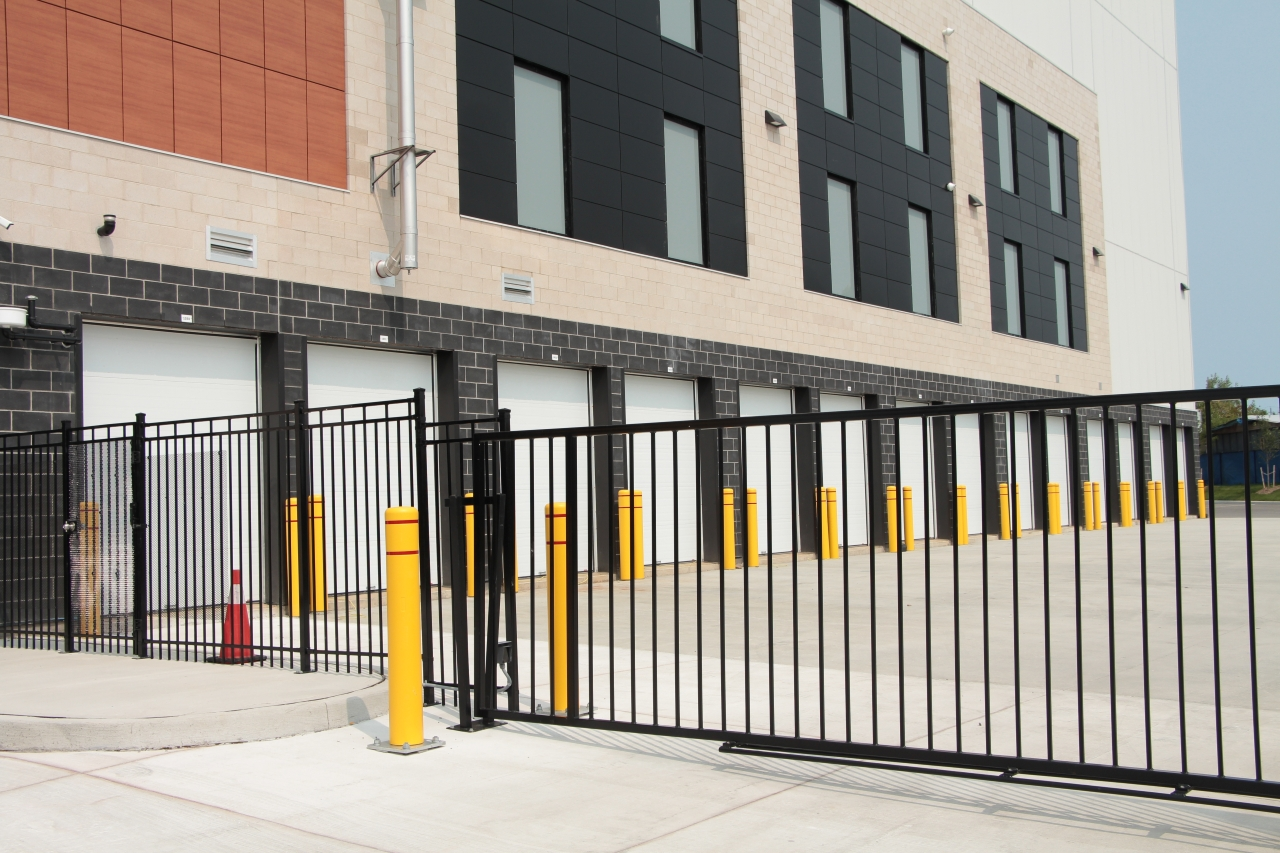
Suburban Giants and Urban Risers: Where America’s 100 Largest Metros Fall on the Self Storage Map
Self storage has long been a suburban story. Across America largest 100 metros, 59% of the inventory built over the past decade sits outside city cores, largely preserving the ratio of the total existing inventory.

Sweatshirt Storage Ideas Worth Keeping Up Your Sleeve
Sweatshirts are great until you realize how much room they take up. A few thick hoodies can fill a drawer fast, with lighter crewnecks getting squashed underneath or pushed somewhere you forget about. Good sweatshirt storage can make that pile much easier to manage without requiring a bigger closet.
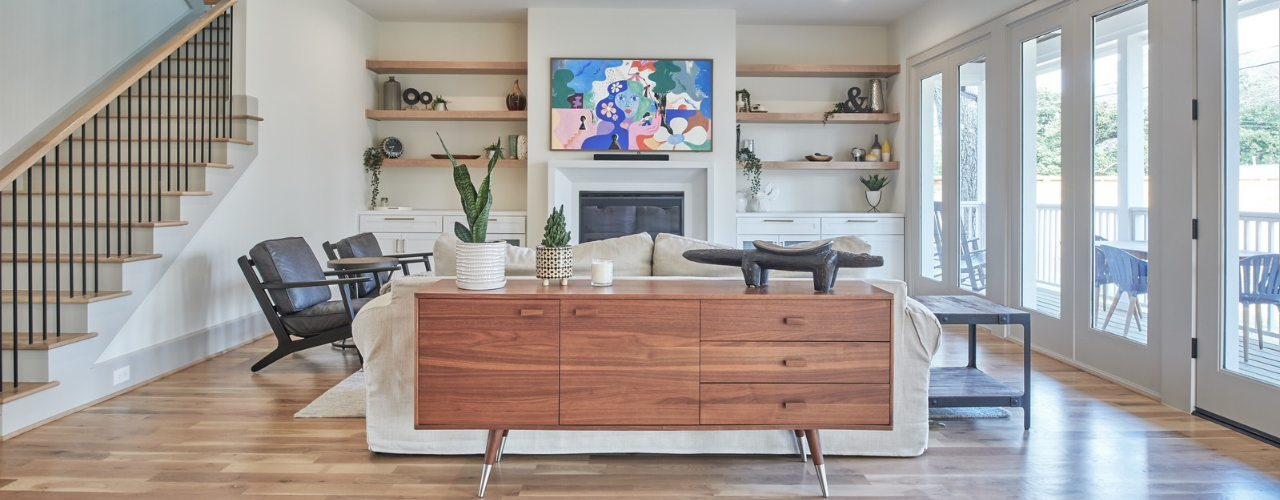
Living Room Storage Ideas: 28 Ways to Reclaim Your Hosting Space
If a living room is where most of a household’s living happens, good storage should be the top priority for setting up or revamping the place. After all, think of how easier it would be to have people over when tidying up the place is just a matter of putting things in their right place (in a time when fewer and fewer people are entertaining friends at home(opens in new tab)). The trick is making room for all those wayward clothes, blankets, chargers and other small things that end up on (or, inexplicably, in) the sofa. Here are 28 living room storage ideas to get you started and make tidying up a quick affair.
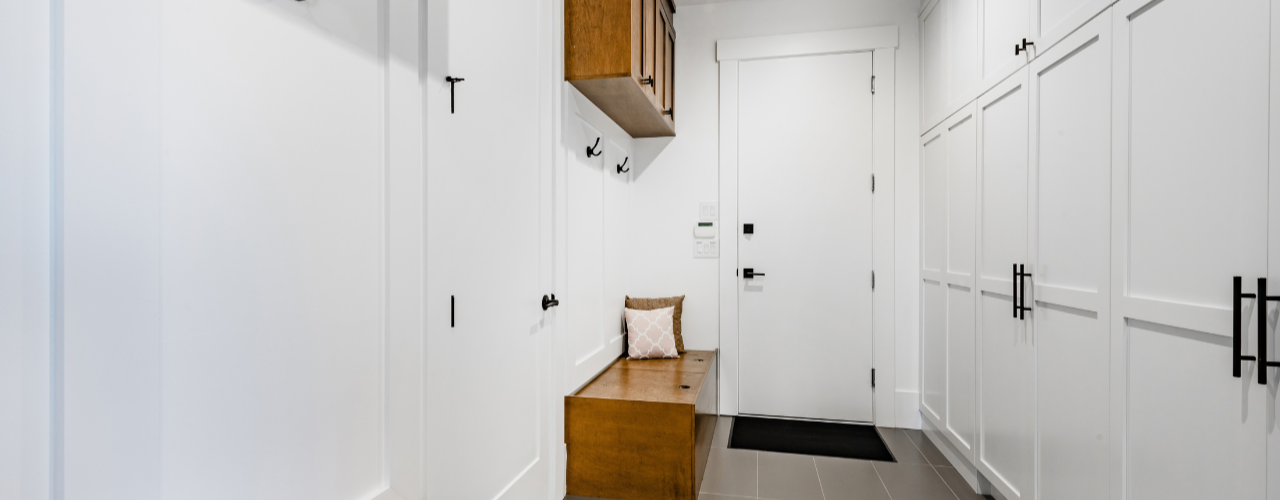
25 Mudroom Storage Ideas (And Mistakes to Avoid)
When you come home with muddy boots, an armful of bags and a coat you can’t wait to take off, it’s nice to have somewhere to put it all. With a mudroom, you can leave the outdoor mess at the door instead of carrying it through the house. Traditionally, you’d set aside a separate room, but you can just as easily use a hallway, an entryway closet, a laundry-room corner or a stretch of wall near the entrance.
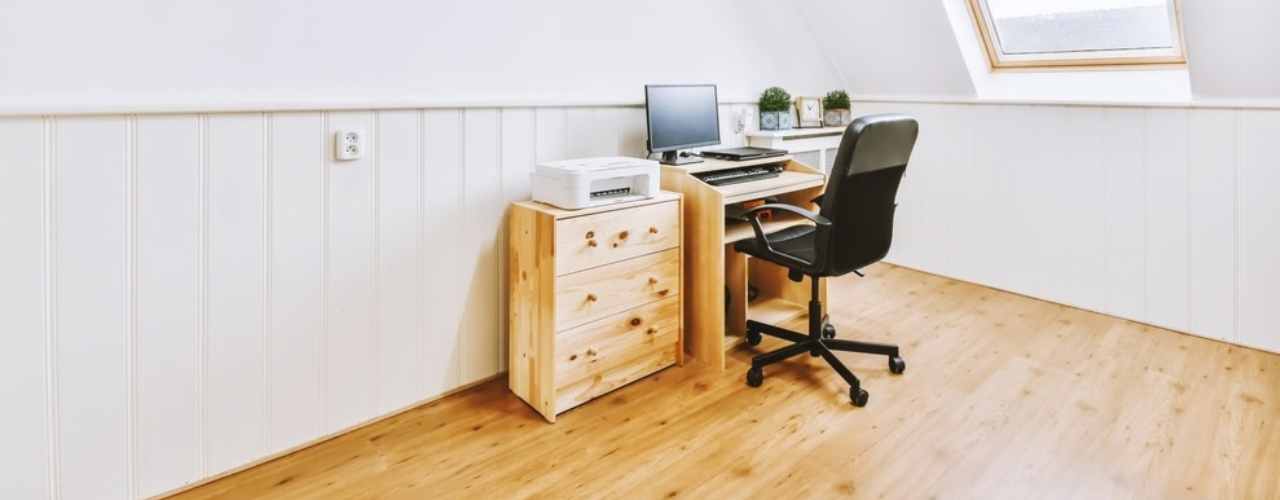
Is Your Home Office Worth the Rent? What Coworking and Self Storage Could Save You
Every square foot of your apartment comes with a price tag, and a home office claims more of them than most renters expect. It starts with a desk. Then come the second monitor, the printer, the filing cabinet and the overflow boxes. Before long, the corner you set aside for work has turned into a small room you are paying for every month.

Best U.S. Cities to Live Uncluttered: Plano, TX, Offers the Most Room to Breathe
Clutter is in our homes as much as in our heads. Both are shaped by where we live.