

Renting a self storage unit is the right answer for plenty of organizational issues. Whether we’re talking about seasonal storage, downsizing, moving houses, collecting, remodeling or simply making more room in your home, chances are you’ll need to store your belongings in a storage unit at some point in your life. When you choose your storage facility, the most important thing you should think about is the security of your belongings, which is why choosing a quality lock is essential. To help you pick the best lock that meets all your needs, we compiled the following guide that will walk you through all the steps you should take to ensure your items’ safety:
Know your options
Every self storage unit is different – some of them have a selection of storage locks available for purchase in the office and some even provide a lock for you in advance. Either way, it’s always a good idea to buy your own lock for added security. To do that efficiently, you need to understand your options, so here is a brief overview of the most common types of locks available for storage units:
-
Padlocks
These portable locks have been around for a very long time. Dating back to the Roman Era, they started being used by merchants to protect goods when traveling the trade routes to China. The fact that they’ve survived for so long and changed so little is impressive. However, most padlocks are not secure enough for self storage, because the locking bars are generally thin and made from lighter metals, making them easy to cut through. Obviously, not all padlocks are created equally, and the overall strength of the lock is different depending on the type you’re opting for and the price you’re willing to pay.
 The classic brass padlock is the most common and the cheapest type, but there are more alternatives that offer greater protection, such as: closed shackle, which has high sides that protect the lock from being cut; straight shackle, often used in industrial settings; round shackle, with the keyway in the center of the lock, making it resistant to drilling, and long shackle, useful if you need to fit the lock through multiple holes.
-
Combination locks
These locking devices are very similar to padlocks, but instead of a regular key, they use sequences of numbers entered using a single rotating dial to be unlocked, a set of several rotating discs, or through an electronic or mechanical keypad. Because they’re so easy to use, they’re among the most popular types of locks, but they also range from the inexpensive three-digit type to higher security locks.
Combination locks are highly convenient because you don’t need to worry about losing your access key as long as you have the combination memorized, and you can also provide other people, such as family members, with the code if they need access to your storage unit in your absence. However, there are many ways to hack the combination locks, and the bars are relatively easy to cut through, so, just like regular padlocks, they are probably not the most appropriate locking options for your unit if you’re looking for high security.

-
Disc locks
These are the locks that most storage facilities recommend, and for good reason. Disc locks, made from stronger steel than padlocks, have become the industry standard because they are drill-proof, strike-proof and pick-proof. Since they were actually designed specifically for self storage units, they cannot be removed with bolt cutters like the previously mentioned locks can. Even though one might be able to cut through the disc lock, the hasp cannot be reached without special tools, making it impossible to be forced open.
The price of a disc lock is slightly higher than other types of locks, but the added security they provide always makes them worth the investment. The only disadvantage you might encounter when opting for disc locks is that not all storage unit doors are compatible with them, so make sure you check with your facility before making the purchase.

-
Cylinder locks
We are all familiar with this type of lock since we deal with it every day on the front door of our homes. Even though there are technically no bars to cut, which makes them very difficult to break into, they are also very difficult to install, since only certain sizes fit a standard storage unit door. There are many facilities that are starting to equip their units with cylinder locks, but if you do choose one of those units, make sure the cylinder lock has been replaced entirely after the previous tenant, so that your items will stay safe even if copies of the initial key were made.

-
Bluetooth locks
Newcomers on the self storage scene, Bluetooth locks are becoming more and more popular in today’s technologically driven society. These locking devices can be remotely controlled by your smartphone and can be monitored from an app no matter where you are. Of course, they are highly convenient for tech savvies, but if we’re talking about a weakly built Bluetooth padlock, it can be easily breached with a bolt cutter. If you do, however, want to keep up with technology and leave classic mechanical locks behind, make sure you opt for a disc lock with Bluetooth capabilities so that you get the best of both worlds – remote monitoring and extra security.
 Know your needs
As we mentioned above, choosing the right type of lock is the most crucial step in keeping your storage unit secure. Now that you’re familiar with the variety of locks available, you have to think about your personal needs. To help you make the right decision, ask yourself the following questions:
-
How valuable are my items?
Firstly, a secure unit is a must no matter what you plan to store, but investing in a high-quality lock makes more sense if you have precious possessions that you want to put into storage for a long or short period of time. If we’re talking about expensive collections, valuable artwork or priceless family heirlooms, purchasing a costly unit lock, such as an extra secure disc lock, is a necessity. On the other hand, if you need to rent a storage unit for a couple of extra items that no longer have room in your attic, you may want to opt for a less expensive (but still secure) lock, such as a sturdier padlock.
-
How long do I plan to store my belongings?
Another important consideration when choosing your ideal lock is the length of your rental period. If you plan to store your stuff for a long period of time, then no matter what you choose to put in that unit, a high-quality, pricier lock is needed to give yourself peace of mind. However, if you know you’ll only need that unit for a month or so, you can keep it at a lower budget and purchase a regular lock or use the one provided by your facility of choice.
On another note, you should always consider the facility’s security measures and whether it has video surveillance or not.
Know what to avoid
With all things considered, you should now be able to choose the right storage lock that measures up to your expectations. With security always in mind, you should stay away from low-quality products, no matter the length of your storage period, because even though self storage theft is not a common occurrence, you don’t want to put your belongings at risk. Try to avoid ordinary padlocks and single combination padlocks as they are easy to break and they are the least secure options.
Fortunately, all of the locking devices listed above are available at most hardware stores, and after proper research as well as a conversation with the facility manager, you should be able to make the best decision and make sure your items are well protected at all times.


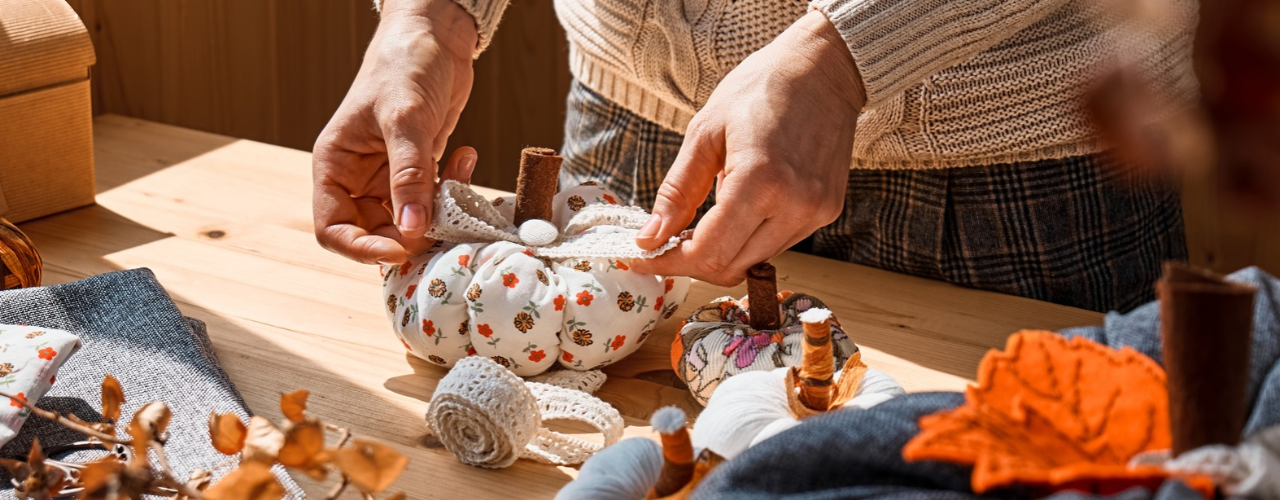
Scary Good DIY Halloween Decorations That Won’t Haunt Your Wallet
A few floating candles in the hallway, a family of ghosts by the front door and a suspicious number of bats climbing up the bedroom wall can make October feel a whole lot spookier. While Halloween stores are full of tempting finds, some of the best DIY Halloween decorations can come from things you already have tucked away in drawers, closets or the recycling bin.
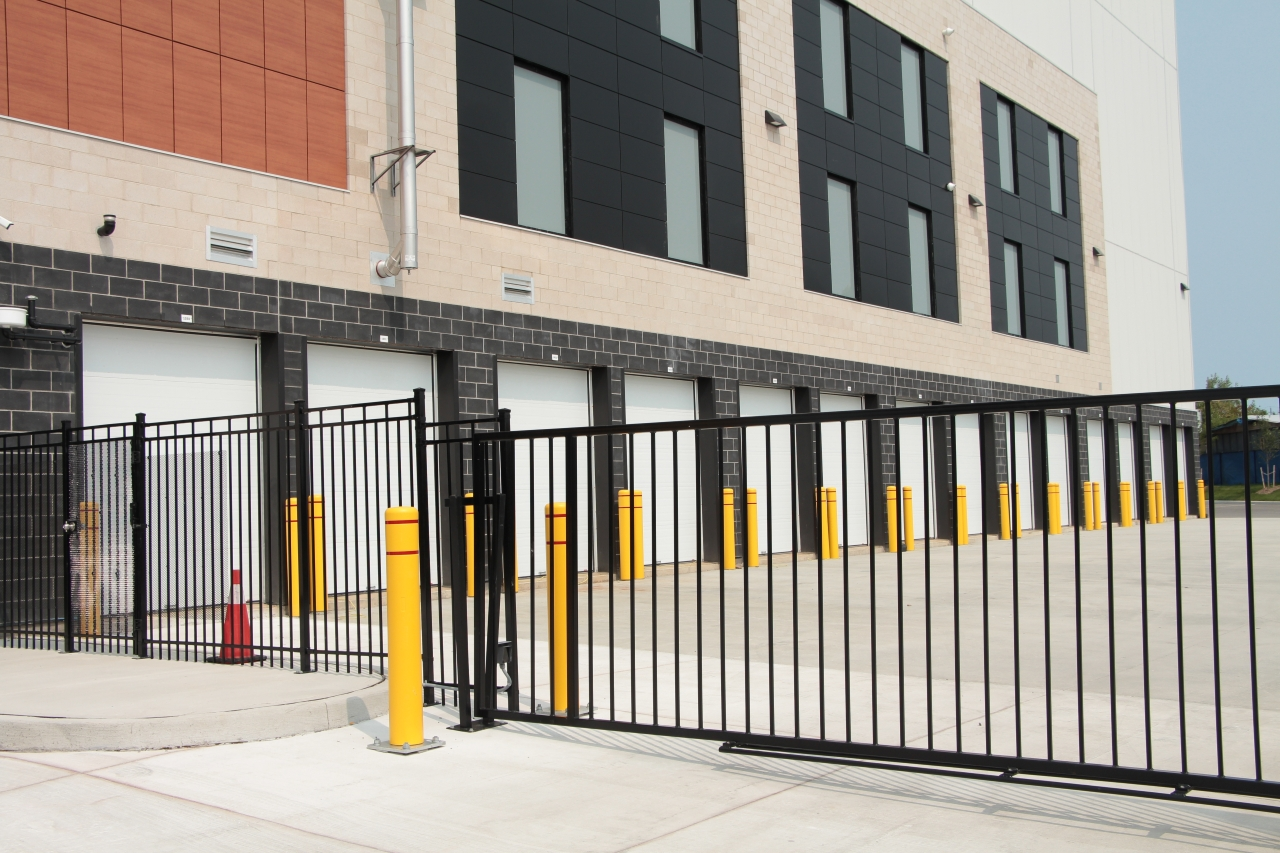
Suburban Giants and Urban Risers: Where America’s 100 Largest Metros Fall on the Self Storage Map
Self storage has long been a suburban story. Across America largest 100 metros, 59% of the inventory built over the past decade sits outside city cores, largely preserving the ratio of the total existing inventory.
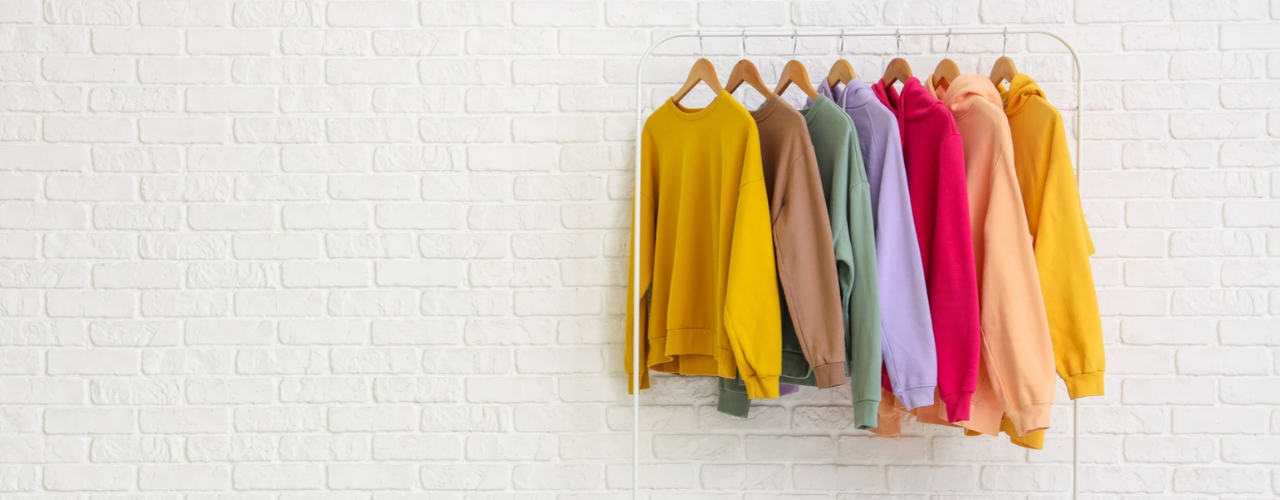
Sweatshirt Storage Ideas Worth Keeping Up Your Sleeve
Sweatshirts are great until you realize how much room they take up. A few thick hoodies can fill a drawer fast, with lighter crewnecks getting squashed underneath or pushed somewhere you forget about. Good sweatshirt storage can make that pile much easier to manage without requiring a bigger closet.
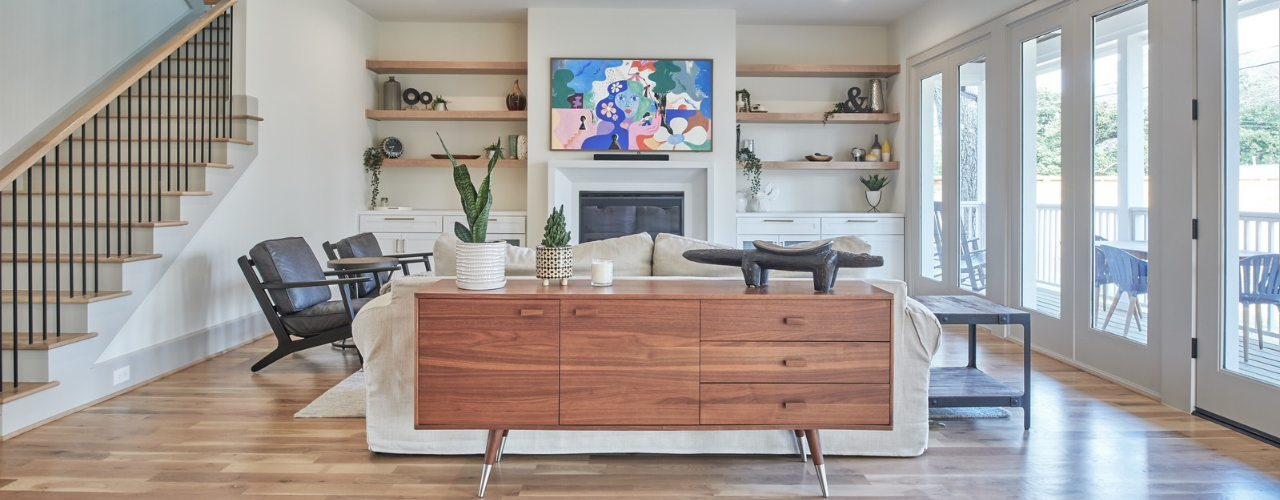
Living Room Storage Ideas: 28 Ways to Reclaim Your Hosting Space
If a living room is where most of a household’s living happens, good storage should be the top priority for setting up or revamping the place. After all, think of how easier it would be to have people over when tidying up the place is just a matter of putting things in their right place (in a time when fewer and fewer people are entertaining friends at home(opens in new tab)). The trick is making room for all those wayward clothes, blankets, chargers and other small things that end up on (or, inexplicably, in) the sofa. Here are 28 living room storage ideas to get you started and make tidying up a quick affair.
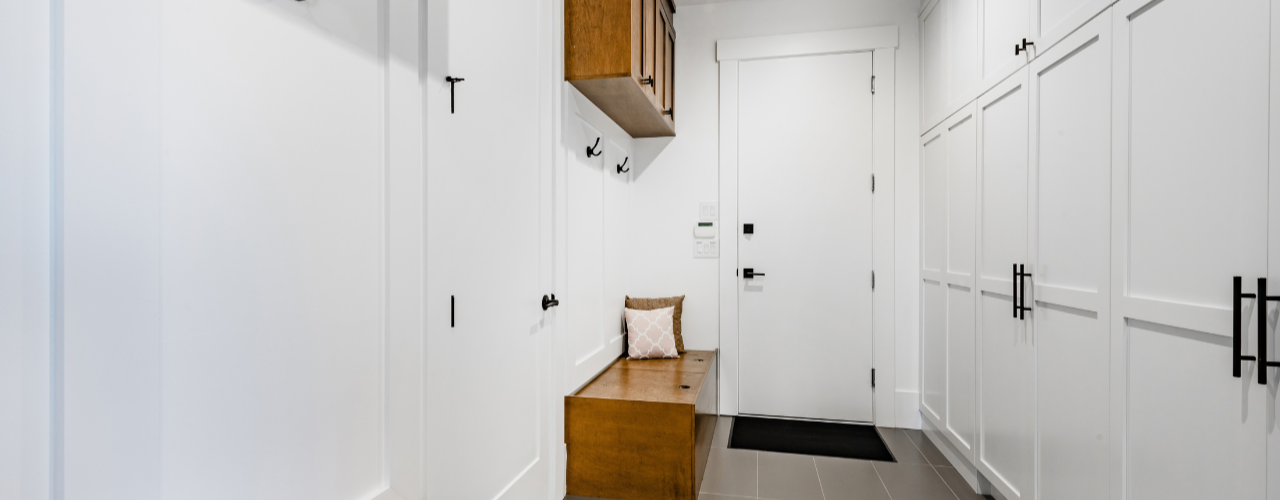
25 Mudroom Storage Ideas (And Mistakes to Avoid)
When you come home with muddy boots, an armful of bags and a coat you can’t wait to take off, it’s nice to have somewhere to put it all. With a mudroom, you can leave the outdoor mess at the door instead of carrying it through the house. Traditionally, you’d set aside a separate room, but you can just as easily use a hallway, an entryway closet, a laundry-room corner or a stretch of wall near the entrance.
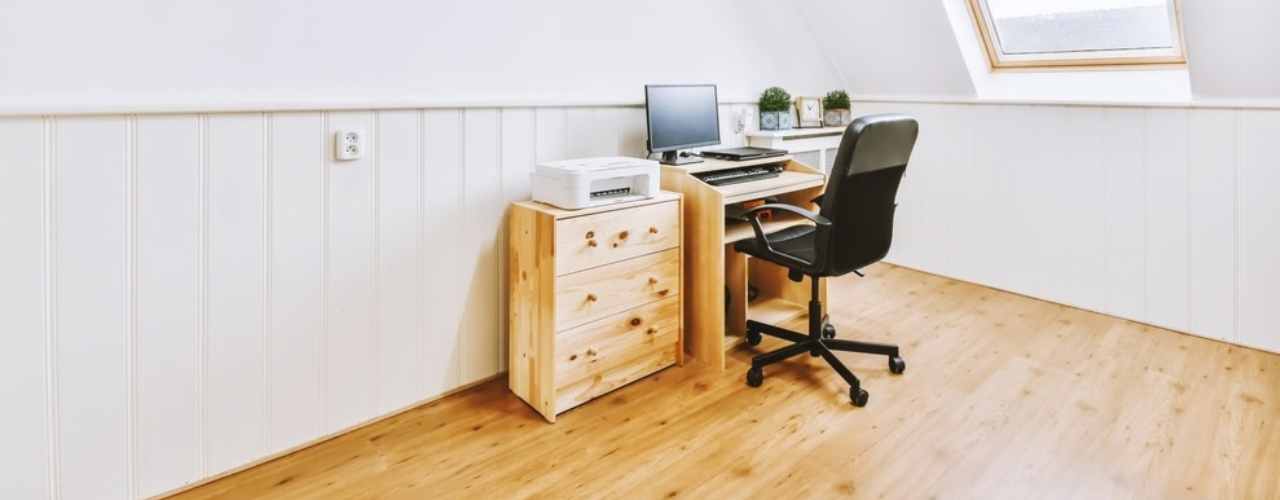
Is Your Home Office Worth the Rent? What Coworking and Self Storage Could Save You
Every square foot of your apartment comes with a price tag, and a home office claims more of them than most renters expect. It starts with a desk. Then come the second monitor, the printer, the filing cabinet and the overflow boxes. Before long, the corner you set aside for work has turned into a small room you are paying for every month.

Best U.S. Cities to Live Uncluttered: Plano, TX, Offers the Most Room to Breathe
Clutter is in our homes as much as in our heads. Both are shaped by where we live.

America’s Top Snowbird Destinations for 2026–2027: Florida Leads in Numbers, Texas Wins on Value
For Americans living in colder states, the approach of winter is reason enough to start looking south. Cold weather carries costs that go beyond the heating bill and shoveling snow. Seasonal affective disorder(opens in new tab) is far more prevalent in northern states, so a temporary move south isn’t simply an escape from the cold, but a chance to spend the hardest stretch of winter outdoors and in the sun.
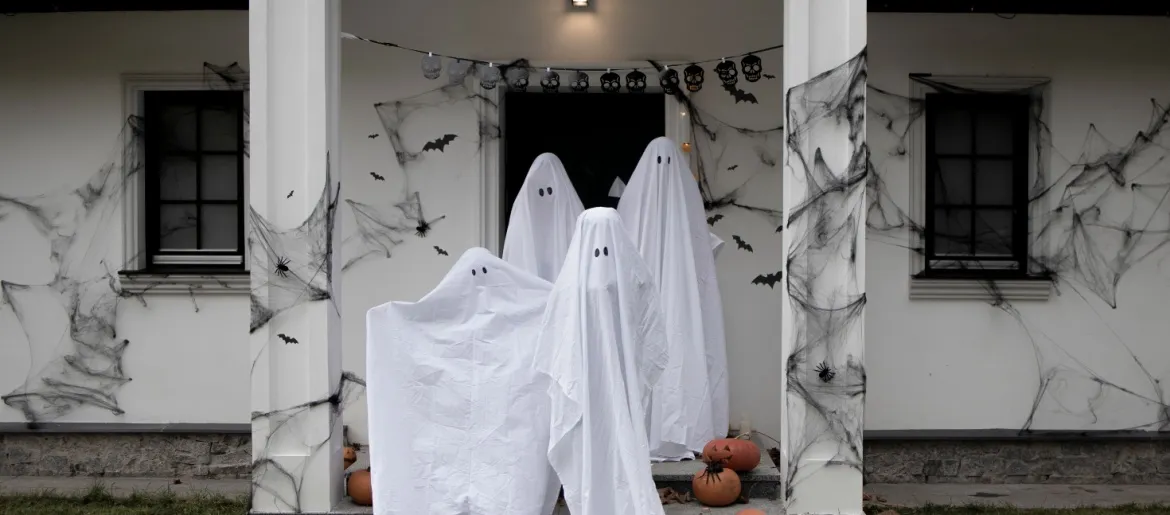
How Much Does Halloween Really Cost in 2026? Plan Wisely to Avoid the Scare of Hidden Costs
Americans’ love for Halloween is almost frightening — this year alone, we are on our way to spending $13.5 billion, according to data from the National Retail Federation(opens in new tab). That breaks down to about $115 Halloween costs per person, a whopping 49% more than 10 years ago.