

Chicago is well known for its breathtaking architecture, its famous deep-dish pizza and a variety of tourist and cultural landmarks. The city has been undergoing certain changes with regard to population – after a 7% population decline between 2000 and 2010, the number of the residents saw a 2% growth from 2010 to 2020. Moreover, Chicago’s neighborhoods are being subject to several dynamic changes in size and resident makeup.
Undoubtedly, it is difficult for a city of these proportions to be perfectly organized. In fact, the Windy City barely made the top 100 best cities for home organization, primarily due to its small homes. Consequently, it would be beneficial for you, Chicago residents, to know a bit more about how you can maximize your living space.
Chicago’s housing landscape – tiny homes downtown, huge homes around the city
Just as with most other major cities, the more you move away from downtown, the more living space you can enjoy. Chicago’s housing landscape also includes small apartments and larger houses. Let’s take a look at the numbers, since they make the contrast obvious. According to data from Point2Homes and Property Shark, Chicago homes in the city proper have an average size of 720 sq. ft., while the average size of places in the surrounding metro area is 1,566 sq. ft. This means that a move to the suburbs would provide you with 118% more living space than living in the city proper.

Whether you prefer a smaller home close to downtown or a larger place towards the outskirts, you should know that there are plenty of ways you can maximize living space inside your home. Here is how to get rid of excess clutter, create a functional living space and keep things neat and tidy.
1. Maximizing space in your Chicago apartment by using self storage
If you’re looking to free up some living space, you don’t necessarily have to throw items away or sell them online. A great solution is to place them in a self storage unit. There are over 100 storage facilities throughout Chicago, so you can definitely find the right unit for you, location-wise, size-wise and price-wise! Depending on how many unwanted items you need to put away, it may be enough to rent a 5’x10’ storage unit.
This unit size is large enough to fit the contents of an average-sized bedroom – a couple of larger pieces of furniture, a dozen moving boxes and maybe even your bike. Hobby gear, sports equipment, tools and medium-sized collectibles are some of the items most frequently kept in these self storage units. Prices vary according to location and amenities, but you can rent a 5’x10’ storage unit in Chicago for $110 per month, on average.
Simply put, the less clutter you have, the larger your apartment will feel. Also, keep in mind that homes with little clutter feel more peaceful, and this will free your mind and reflect in your mood. Alternatively, if you have more stuff to store, you should consider a larger unit size, such as the standard and most commonly used 10’x10’ space. These units have the size of small bedrooms, meaning you can fit a lot of things in them, from a king-size bed and living room furniture, to small vehicles, dozens of moving boxes and bulky seasonal equipment.
2. Calling on the services of Chicago’s professional organizers
Professional organizers can cost a buck or two, but they can work wonders in any home, no matter how small and cluttered it may be. These professionals can help you sort through your belongings, they can provide you with valuable advice on what you could give up on and how to store the remaining items, so that your apartment does not feel crowded. They often have tips and tricks that you can’t really think of yourself, and these will make your apartment instantly feel roomier.

Simply put, professional organizers can turn chaos into order, they can turn a crammed apartment into a spacious, cozy and light-filled personal space that will truly feel like home. You can easily find a person to help you if you choose to pay a visit to the National Association of Productivity and Organizing Professionals (NAPO), as they have a special chapter for the Chicago area.
3. In-house storage and DIY hacks for your Chicago apartment
Most people choose to start here, as they are willing to give it a shot and try to organize their household themselves. One of the most common techniques you can start with is moving all your furniture against the wall, as this will give the impression of more floor space. Here are a few ideas:
- Wall-mounted bookcases
- Smart storage spaces and racks mounted on doors
- Ceiling storage
- Hidden floor storage
- Convertible floor storage
- Open Shelving
Overall, there are many smart storage solutions, but if you’re not willing to go this much out-of-the-box, there are several options that will give the illusion of significantly more room in your apartment. Some of the most common (and efficient) ones include light-colored furniture and using mirrors to give the impression of a larger space.

While the type of furniture and the layout of your home are essential, an organizing-focused mindset is also vital. Constantly thinking about how you can optimize your living space will mean you can periodically come up with smart storage solutions that are specific for your apartment. High beds mean plenty of storage space under the bed, just as having designated spots for certain belongings is key. Custom-made closet systems can also provide you with much-needed additional space.
Paying a visit to either one of the two local IKEA stores is a great way to discover, for yourself, what you could use to enhance home organization. Following our tips and finding more that fit your specific needs will turn your apartment into a functional and beautiful space.
4. Consider a move to Chicago’s suburbs
We mentioned that Chicago’s outskirts offer homes that are increasingly roomy, with newly-built homes growing larger and larger. Moreover, Chicago-area suburbs are known as great places to live, as no less than 20 of the best 100 suburbs at the national level surround the Windy City. Lake Forest, Highland Park, Geneva, Burr Ridge and Northbrook made it into the top 10 suburbs at the national level. Other great areas around Chicago for city-like living include Deerfield, Glenview, Lincolnwood and Algonquin.
Consequently, it might be a good idea to consider a move to the suburbs, where you’ll be able to enjoy much more living space. These areas can provide you with the best mix of urban and suburban perks. If you’re looking for the most affordable areas around the city, consider starting your search in Buffalo Grove, Downers Grove or Elk Grove Village. Moreover, in suburbs such as Lake Zurich, La Grange and Northbrook, median household incomes exceed $120K.

If you’re looking for more space but would like to still enjoy several community amenities, browsing listings in these suburbs is something you should do right away. Moving to a house will entail a time-consuming moving process, but it also means that you will eventually gather and own many more belongings. Homeowners also tend to resort to using self storage quite frequently, as renting a storage space is a great way to keep even a large home organized and uncluttered. Especially when it comes to a larger family, keeping stuff like seasonal items, hobby gear, vehicles and furniture in self storage is a common solution for space- and organization-related issues.
You can find self storage facilities with affordable starting prices in Lake Forest, Highland Park, Geneva, Deerfield and Northbrook, but rest assured, most Chicago suburbs have at least one or two storage facilities nearby. This will make your home organizing efforts considerably easier!


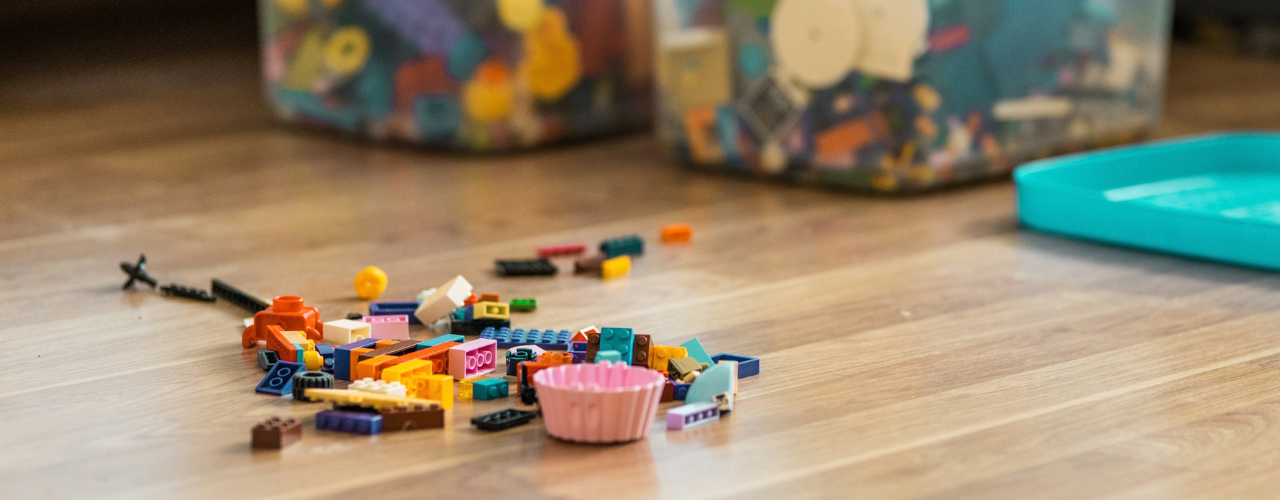
How to Store LEGOs: All the Fun, None of the Clutter
How to store LEGOs largely comes down to how your household uses them. If the bricks are part of everyday play, you need a setup that keeps them within easy reach and makes cleanup quick (for your feet’s sake, at least). Toy storage(opens in new tab) such as simple bins, playmats or containers that children can put away themselves may be enough. Larger or more serious collections usually need more organization, such as labelled drawers for loose pieces, trays for unfinished builds, shelves for completed models and separate storage for retired sets.

Cardboard Costume Guide: Tips and Ideas for a DIY Halloween
Whether for kids or adults, cardboard costume ideas often make the biggest splash once materialized, and that’s for a simple reason: doing a lot with a little is a universally impressive feat (especially in this economy). If you don’t have enough boxes you could temporarily repurpose, don’t worry! There are many places where you can find free moving boxes(opens in new tab), from stores and supermarkets to online groups and recycling drop-off spots. On the run? Try your luck at a self storage(opens in new tab) facility that sells moving supplies, often for cheap. This way, you can choose moving boxes of different shapes and sizes(opens in new tab), so you can make your costumes as complex as you want.

How to Celebrate Halloween: 9 Non-Spooky Ways To Enjoy It
As soon as October starts, it’s the official Halloween month. And while for many people it means it’s open season to get the scare of a lifetime, others, especially families with small children, might prefer to celebrate in a tamer way that’s both kid- and adult-friendly. While you’re likely to find more events where the spook factor is high, here’s how to celebrate Halloween in a not-so-scary way:

Motorcycle Storage Guide: How to Store Your Bike Safely
Motorcycles may be born to be wild, but eventually even the wild ones need somewhere to park. Whether riding season is winding down or your current living situation comes with plenty of square footage for you and less for your bike, motorcycle storage is one of those parts of ownership that doesn’t get as much airtime as the open road.

Halloween Decorating on a Budget (And Cheap Ideas for Everything Elsee)
Halloween has crept a long way from its eerie origins. While All Hallows’ Eve has transformed through the centuries, it wasn’t until the 1930s that trick-or-treating became a tradition in the U.S. and businesses began conjuring up mass-produced Halloween costumes. Now, Halloween is a monster-sized, billion-dollar industry, with a cauldron full of costumes and decorations ranging from the mainstream to the macabre. But is it all really worth your wallet? Maybe, but we’ll let you in on a little secret: You can keep your Halloween decorating on a budget and save on everything else, too. Take this plan and see it through!

Moving From a House to an Apartment: What to Expect, How to Downsize & How Self Storage Helps
For some, moving from a house to an apartment is a financial decision. For others, it’s about simplifying life. Maybe the kids have moved out and half the house sits empty, or you’re approaching retirement and no longer want to spend weekends on repairs. Or perhaps you’ve been weighing the cost of buying a home and wondering whether renting simply makes more sense right now.
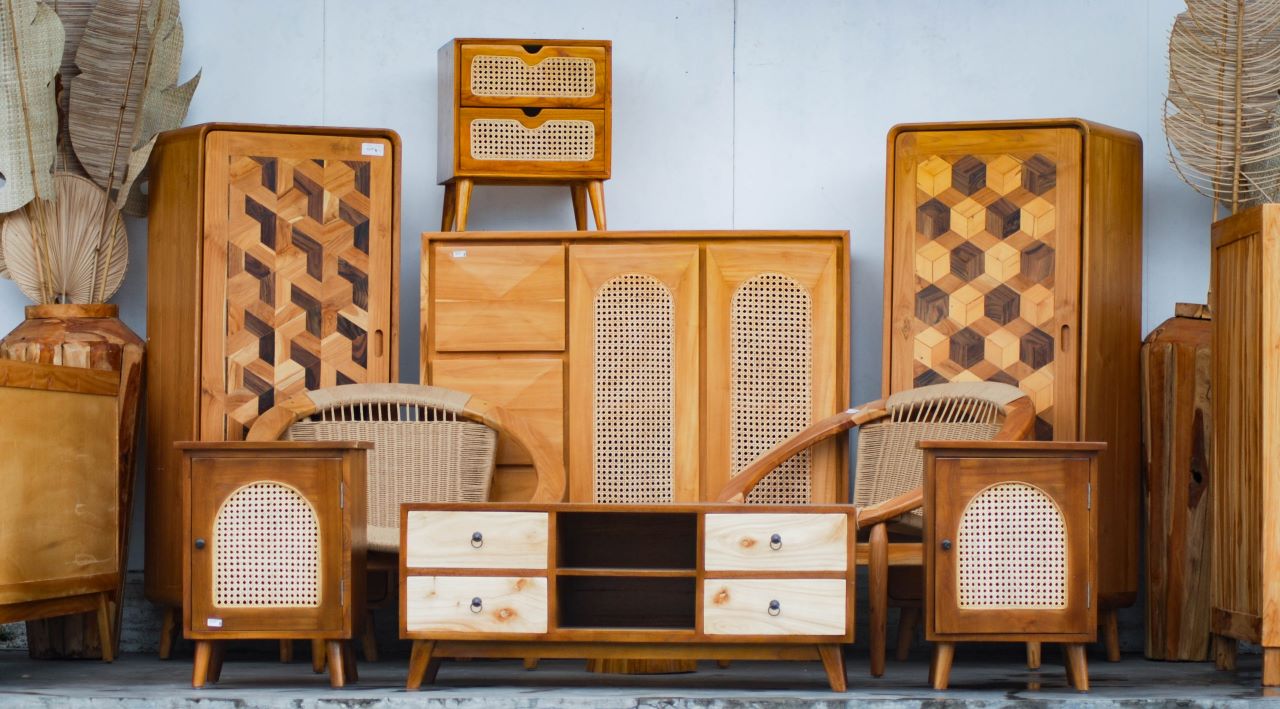
Family Heirlooms Overload: How to Handle Family Inheritance Without Regret
Handling family heirlooms after a loss requires managing legal authority, emotional pressure and practical logistics at the same time, and the order you take them on matters more than most people expect.
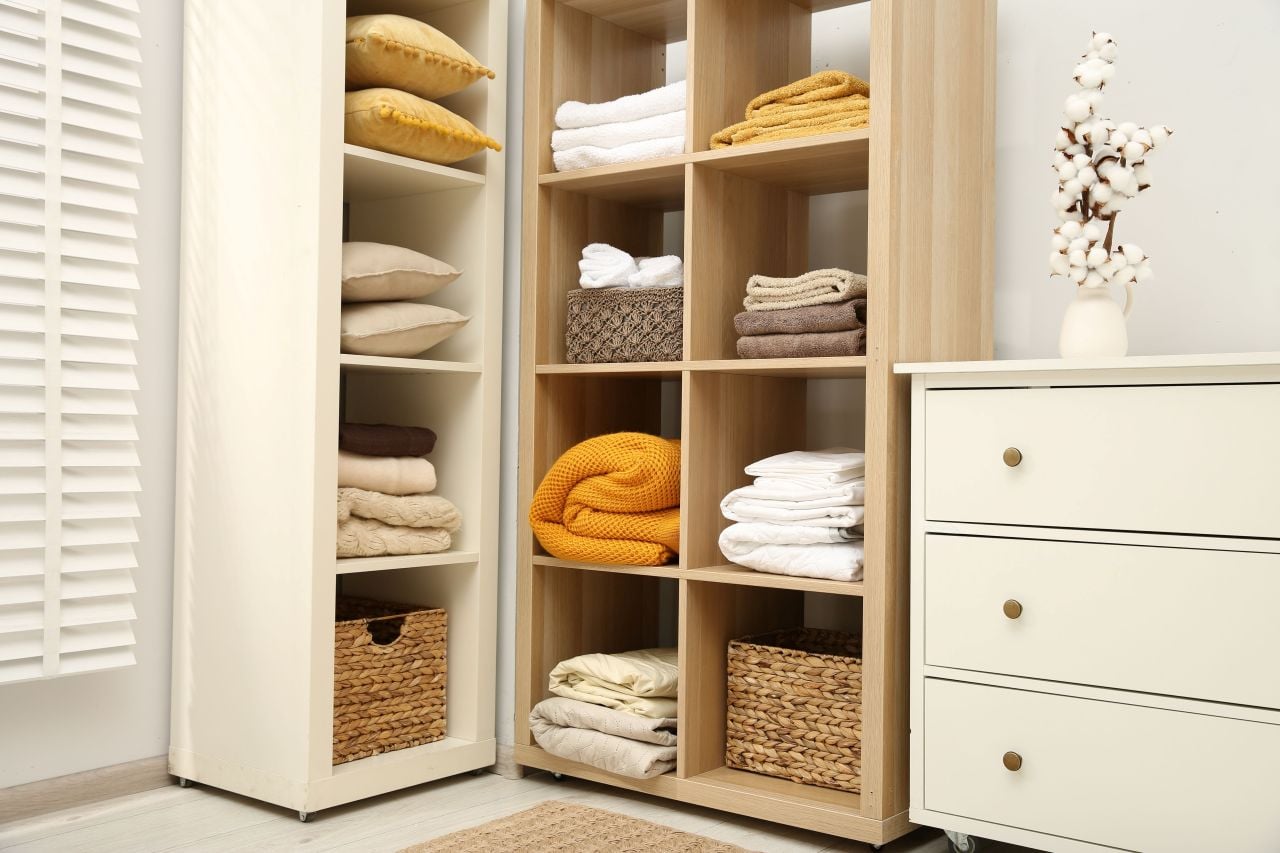
Blanket Storage: The Right Method for Every Space and Season
Blankets make our lives cozier, and storing them well is what keeps them soft and comfortable in the long run. Knowing how to store a blanket properly means your favorites come out of storage smelling fresh, feeling the same as when they went in, and lasting years longer than they otherwise would.

Board Game Storage Ideas That Keep Your Collection in Fighting Shape
Nobody warns you that getting into board games usually unlocks a second hobby, the much dreaded one that includes figuring out where on earth to put them. One game becomes a few, expansions start spawning beside their base boxes and before long, board game storage requires as much strategy as whatever is waiting on the other side of those lids.