
Moving To San Francisco — Your Guide To Living, Working & Playing In The Golden Gate City

San Francisco, known for its fog, steep hills and cutting-edge culture, is California’s fourth-most populous city. The beating heart of the San Francisco Bay Area, it’s a global hub of business, commerce and creativity, with well-paying job opportunities, famous educational facilities and superb recreational options. There’s no shortage of entertainment either, meaning that San Francisco is an exciting place to call home.
1. How big is San Francisco?
Covering a total area, including water, of just under 232 square miles, San Francisco incorporates both the city and the county of San Francisco. It’s situated in northern California at the tip of the San Francisco Peninsula. The city proper covers just under 47 square miles, making it the second-most densely populated city in the country.
Nowadays the city is split into four quadrants plus a south-central district, with these often named Central/Downtown, Richmond, Sunset, Upper Market and Bernal Heights/Bayview. There are 36 official neighborhoods among these districts, each one often further divided into smaller, unofficial areas.
San Francisco is part of the larger San Francisco Bay area, a 14-county sprawl that incorporates San Jose, and which ranks as the fifth largest metro area in the U.S.
2. What is the weather like in San Francisco?
Moving to California brings a warm-summer Mediterranean climate, and San Francisco enjoys dry, hot summers and mild, wet winters. Influenced by the Pacific Ocean and the San Francisco Bay, the weather remains fairly consistent throughout the year, though the famous San Fran fog is a common feature during summer.
Almost 24” of rain falls during an average year in San Francisco, and it is fairly heavy from December through February. This can be a good time to consider self storage, as it is an excellent place to keep outdoor furniture or vehicles rather than leaving them out in the wet. Other things that are kept in a garage or a shed, for example electrical equipment, may not appreciate moisture and can also be put in a climate-controlled San Francisco storage unit.
3. San Francisco’s bustling economy
San Francisco boasts a diverse economy, with a number of key sectors including tourism, high-tech, finance and manufacturing. Small businesses and start-ups sit alongside global behemoths such as the six Fortune 500 companies that call the city home.
Businesses large and small can benefit from renting a storage unit in San Francisco. It can be a superb solution for keeping bulky yet important documents safe, as well as stock for both e-commerce and brick and mortar stores. Tourism companies can fill a storage unit with a host of seasonal equipment and displays, while construction companies can find self storage extremely useful for keeping materials and tools close to the site.
4. Universities and college life in San Francisco
San Francisco is home to a wealth of universities and colleges, with some of the biggest names including San Francisco State University (SFSU), the University of San Francisco (USF) and the University of California, San Francisco.

University of San Francisco Saint Ignatius Church
With so many students calling this densely populated city home, their accommodation can soon become cramped. Self storage in San Francisco can be a real help for students who need a little more space than dorms offer. It’s also an excellent place to keep belongings over the summer break rather than transport everything out of town and then back again.
5. Outdoor recreation in San Francisco — water sports and beyond
San Francisco enjoys a stunning location. Surrounded by the ocean, rivers, mountains, beaches and forests, there’s a host of outdoor pursuits to indulge in. Popular water sports include surfing, kite and windsurfing, kayaking, angling and standup paddleboarding. If you’re planning to bring your own equipment for these pursuits, it can be worth keeping it all in a San Francisco storage unit so your home will stay clutter-free and your gear will be safe.
The area has protected parks and reserves aplenty, plus many trails to explore and mountains to climb, making hiking, cycling, camping, rock climbing and even paragliding also popular pastimes. Pick up the equipment you need for these activities from your storage unit on your way out to the great outdoors.

Kiteboarding in The San Francisco Bay
6. Moving to San Francisco made easy with self storage
To save the cost of employing a professional moving company, you might consider doing it yourself, though this can be time-consuming and stressful. In addition, some items require special care when they are moved, for example pianos and valuable furniture, and the experts know how to do this.
Renting a storage unit in San Francisco is a superb idea if you’re coming to town. With facilities across the city, you can ease the moving process by sending your belongings to storage before moving into your new home — which may not be entirely ready yet. This offers flexibility in terms of when you move in while also providing a backup plan in case of delays.
After you’ve moved in, it can be worth retaining the storage unit. Not only can it help keep your new home clutter-free, but it’s also useful for keeping furniture and other things in if you need to redecorate or carry out renovations.
7. Housing options in San Francisco
San Francisco is home to an amazing variety of architectural styles, with the housing stock ranging from 19th century gems via ‘shingle-style’ houses and ‘earthquake shacks’ all the way to super-modern condo blocks. As one of the most densely populated cities, San Francisco has long experienced rather limited housing and residential buildings are often closely packed together.
Single family living
The city is famous for its rows of historical Queen Anne-style homes, built shoulder-to-shoulder in central neighborhoods such as Alamo Square. Famous examples of Victorian and Edwardian-era houses in San Francisco are sometimes known as ‘painted ladies,’ and they sell for millions of dollars. The OMI (Oceanview-Merced-Ingleside) area of town, for example, has detached homes at a wider range of prices.

‘Painted Ladies’ Houses San Francisco
If you are fortunate enough to be able to move into a San Fran house, you might find your extended family want a piece that too. So that a large — perhaps multifamily — household can live together successfully, many items that are only used occasionally can be kept in a nearby self storage unit, which maximizes living space in the home.
Apartment living
Condo blocks dominate much of the San Francisco cityscape, with central bayside neighborhoods such as Beldon Place and Rincon Hill featuring many such buildings. In fact, the city’s skyline ranks sixth in the nation for height, and city-center giants such as 181 Fremont and Millennium Tower include residential provision. Slightly south of downtown, areas such as SoMa and Tenderloin also offer great renting options, and costs diminish further out.
If you plan to sacrifice living space in San Francisco for proximity to employment and entertainment opportunities, there are plenty of self storage options in San Francisco that can help keep your new home clutter-free. There are storage facilities in the heart of the city, for instance in the Civic Center district, as well as further out, so you can complement a small apartment with some nearby extra storage space.
8. Is San Francisco a good place to live?
San Francisco has long attracted new residents from all over the country and beyond. Bohemians and artists love its ambiance and others appreciate its job market which takes in a wide variety of service economy jobs and an increasingly strong tech sector.
Moving to San Francisco from New York
Moving from coast to coast, New Yorkers would experience big advantages in terms of warmer year-round weather and the recreational opportunities that affords. They could take up windsurfing, sailing or any of the other sports popular in the Bay Area. Selling their apartment in the Big Apple might get them a similar place in Golden Gate City, and the public transport in their new city will be up there with what they are used to. New York creatives will certainly feel right at home in The City by the Bay.
Moving to San Francisco from Boston
Boston’s weather is slightly cooler than New York’s, meaning Bostonians could appreciate the move to California even more, and especially the chance to plan summer trips without being rained on. They might miss the famous St. Patrick’s Day parade, but there are plenty of others in San Francisco, and they could also experience a step up in terms of the varied and high-quality restaurant scene they can now enjoy. Also, some people do say that drivers are better there than in Beantown.

Historic Cable Cars in San Francisco
9. What are the storage options in San Francisco?
San Francisco self storage prices have traditionally been somewhat in line with the city’s housing costs, and the full range of sizes and types is on offer. When living in a small city-center San Francisco apartment, a nearby 5’x5’ storage unit would be sufficient for the few items that might quickly clutter up that space.
To enjoy the sports the city and its surroundings have to offer, a 5’x10’ storage unit would provide room for bicycles and rock climbing equipment. Water sports enthusiasts might want a 10’x15’ storage unit for holding their windsurfing boards and kayaks. The popular 10’x10’ storage unit is often used for a variety of items, including seasonal clothing, sports gear, old books and toys and tools that are only used occasionally.
Car owners moving to crowded San Fran might be wondering where they can park their wheels. A 10’x20’ storage unit, the size of a regular garage, can be commonly found and is big enough for a car and other stuff besides. Anyone lucky enough to own an RV, or perhaps a small boat and a trailer, should consider a 10’x30’ storage unit or those of even larger sizes. Businesses can also keep equipment, materials and stock in these large units.
For more data about Golden Gate City storage, take a look at San Francisco’s self storage statistics. You may now have an answer to the question “Why are people moving to California?” But if you are still asking yourself “Should I move to California?” take a look at San Francisco’s self storage listings via StorageCafe’s search portal. You will find the ideal unit that will help with moving, decluttering and much else besides.


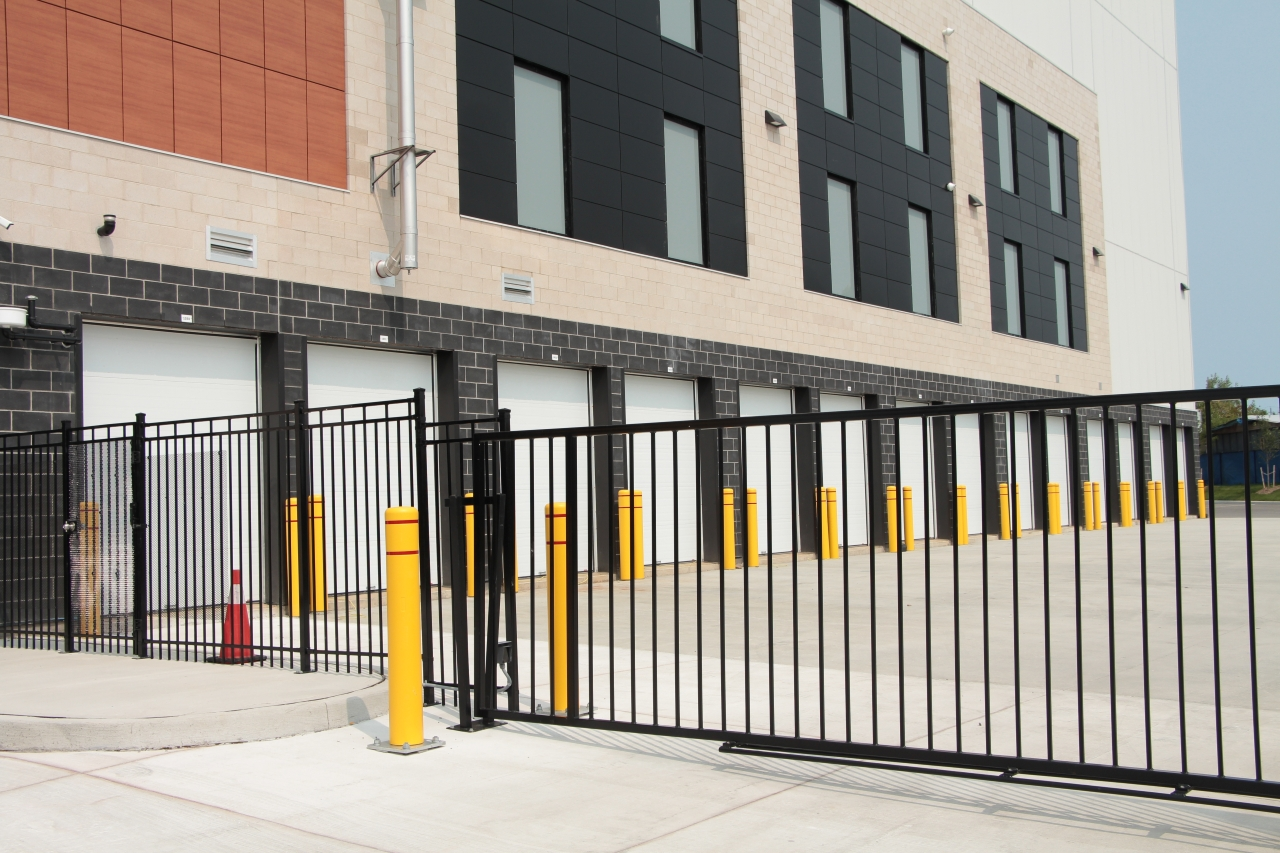
Suburban Giants and Urban Risers: Where America’s 100 Largest Metros Fall on the Self Storage Map
Self storage has long been a suburban story. Across America largest 100 metros, 59% of the inventory built over the past decade sits outside city cores, largely preserving the ratio of the total existing inventory.
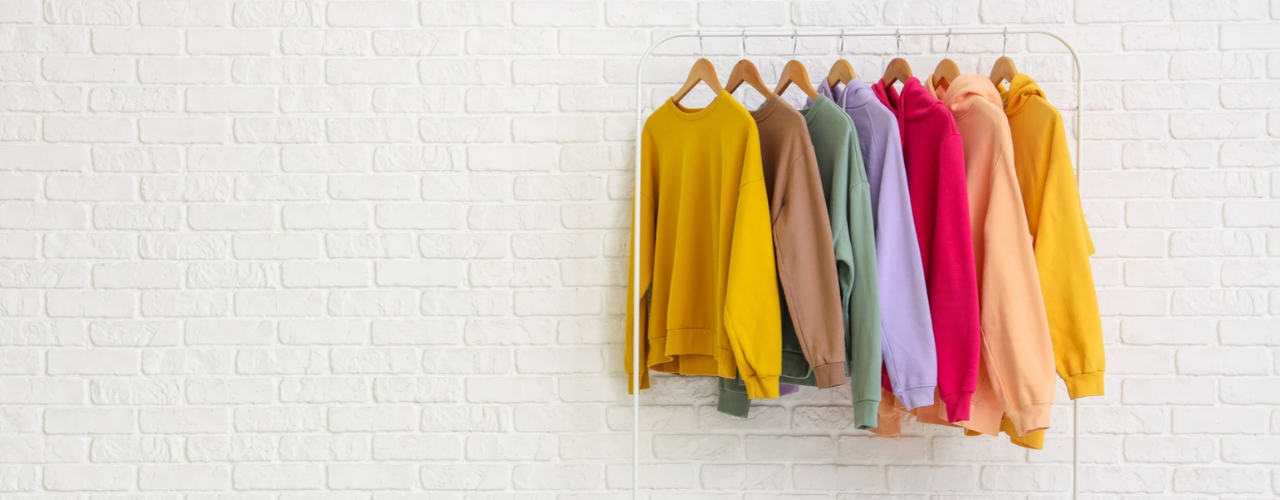
Sweatshirt Storage Ideas Worth Keeping Up Your Sleeve
Sweatshirts are great until you realize how much room they take up. A few thick hoodies can fill a drawer fast, with lighter crewnecks getting squashed underneath or pushed somewhere you forget about. Good sweatshirt storage can make that pile much easier to manage without requiring a bigger closet.

Living Room Storage Ideas: 28 Ways to Reclaim Your Hosting Space
If a living room is where most of a household’s living happens, good storage should be the top priority for setting up or revamping the place. After all, think of how easier it would be to have people over when tidying up the place is just a matter of putting things in their right place (in a time when fewer and fewer people are entertaining friends at home(opens in new tab)). The trick is making room for all those wayward clothes, blankets, chargers and other small things that end up on (or, inexplicably, in) the sofa. Here are 28 living room storage ideas to get you started and make tidying up a quick affair.
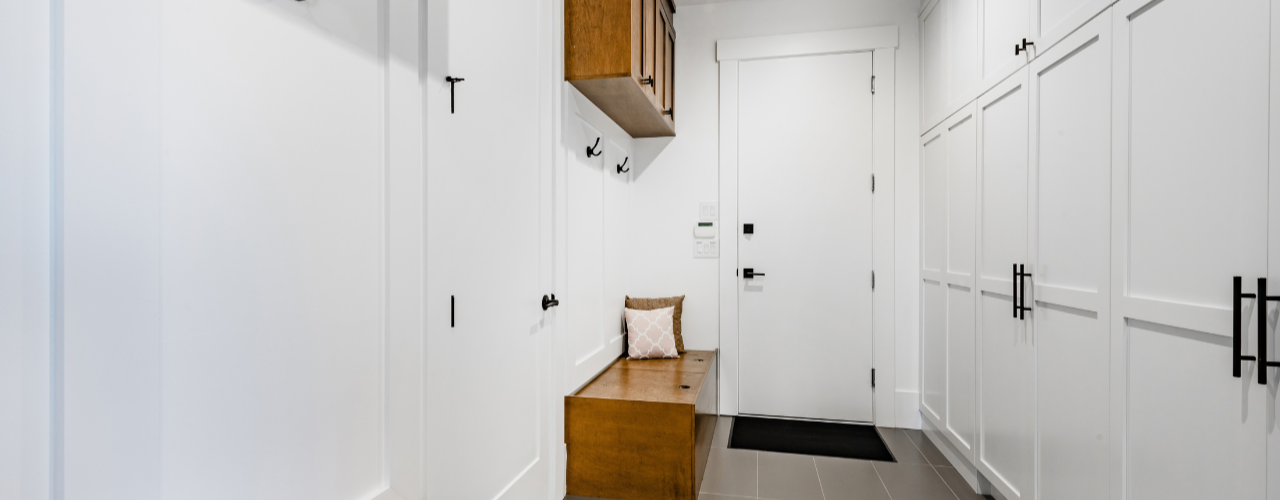
25 Mudroom Storage Ideas (And Mistakes to Avoid)
When you come home with muddy boots, an armful of bags and a coat you can’t wait to take off, it’s nice to have somewhere to put it all. With a mudroom, you can leave the outdoor mess at the door instead of carrying it through the house. Traditionally, you’d set aside a separate room, but you can just as easily use a hallway, an entryway closet, a laundry-room corner or a stretch of wall near the entrance.

Is Your Home Office Worth the Rent? What Coworking and Self Storage Could Save You
Every square foot of your apartment comes with a price tag, and a home office claims more of them than most renters expect. It starts with a desk. Then come the second monitor, the printer, the filing cabinet and the overflow boxes. Before long, the corner you set aside for work has turned into a small room you are paying for every month.

Best U.S. Cities to Live Uncluttered: Plano, TX, Offers the Most Room to Breathe
Clutter is in our homes as much as in our heads. Both are shaped by where we live.

America’s Top Snowbird Destinations for 2026–2027: Florida Leads in Numbers, Texas Wins on Value
For Americans living in colder states, the approach of winter is reason enough to start looking south. Cold weather carries costs that go beyond the heating bill and shoveling snow. Seasonal affective disorder(opens in new tab) is far more prevalent in northern states, so a temporary move south isn’t simply an escape from the cold, but a chance to spend the hardest stretch of winter outdoors and in the sun.

How Much Does Halloween Really Cost in 2026? Plan Wisely to Avoid the Scare of Hidden Costs
Americans’ love for Halloween is almost frightening — this year alone, we are on our way to spending $13.5 billion, according to data from the National Retail Federation(opens in new tab). That breaks down to about $115 Halloween costs per person, a whopping 49% more than 10 years ago.
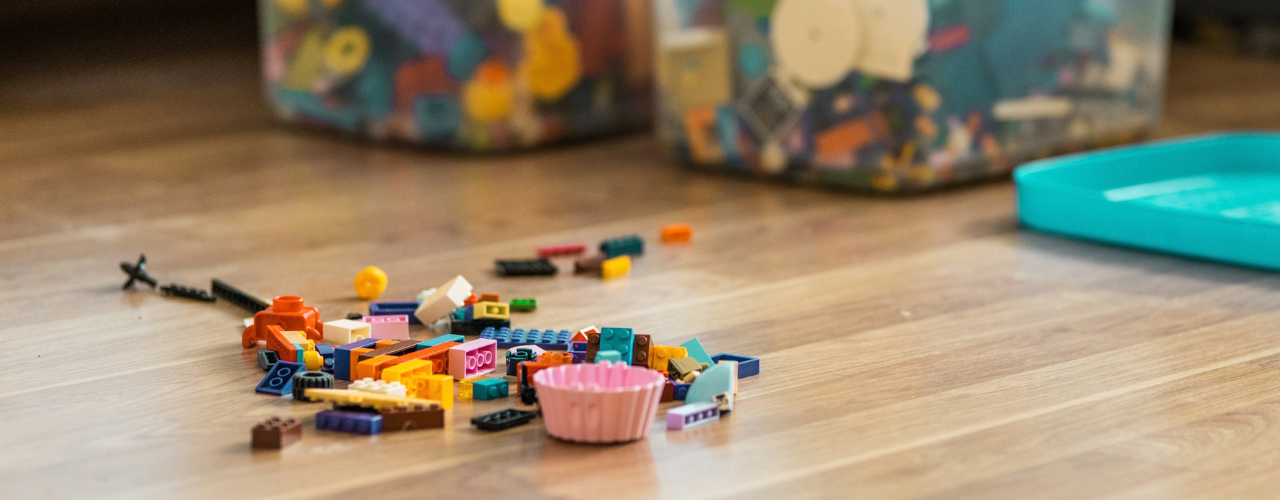
How to Store LEGOs: All the Fun, None of the Clutter
How to store LEGOs largely comes down to how your household uses them. If the bricks are part of everyday play, you need a setup that keeps them within easy reach and makes cleanup quick (for your feet’s sake, at least). Toy storage(opens in new tab) such as simple bins, playmats or containers that children can put away themselves may be enough. Larger or more serious collections usually need more organization, such as labelled drawers for loose pieces, trays for unfinished builds, shelves for completed models and separate storage for retired sets.