
A Guide to Handling And Storing Your Stamp Collection That’s Sure To Get Your Stamp Of Approval

Did you know that stamp collecting began back in 1840 when the Penny Black, the first pre-paid postage stamp, was issued? Ever since then, stamps have delighted the minds and hearts of collectors looking to preserve bits of history, culture and special moments frozen in time that have come to define our national identity. As it happens, stamps have come to feature superheroes, music stars, landscapes and more, catering to a wide pool of interests. If you’re new to the world of stamp collecting, you might wonder how to maintain the quality of your collectibles. To help you get started on this wonderful journey, we’ve put together a guide to caring for and storing your stamp collection below:
How to handle stamps to best preserve them
Did you know that touching your stamp bare-handed can damage them? That’s because fingertips secrete oils that can have this effect on your stamp collection. That’s why it’s important to handle your stamps correctly with the correct tools. Here are some stamp collection care essentials you might need:
- Handling gloves
Besides tongs, lint-free cotton gloves also help to protect your stamps from oil and moisture being transferred from your hands onto your collectible.
- Magnifying glass
This tool allows you to closely examine stamps and check their condition. You can use it when you take stamps from storage to check for any potential damage.
- Watermark detector fluid
This is an old-fashioned method to help reveal the watermark on your stamp. You’ll need a watermark tray and the watermark fluid to help make the watermark on your stamp visible again.
- Perforation gauge
If you’re a serious stamp collector, you can’t do without a perforation gauge. It’s a useful tool helping to differentiate between two stamps that otherwise, look identical. It measures the number of holes within a small-scale range on the edge of a stamp – also called a “gauge”. The United States Specialist Gauge is the best one available for US-issued stamps. If your philatelic passion extends to overseas stamps, you might want to turn to the Gibbons Instanta gauge, widely used in the UK and Australia.
- Color guide
What is it, and why would you need it? It’s a sort of catalog keeping track of the various colors your stamp can come in. It’s important to correctly identify the colors for your stamps to help you “ID” a stamp. You can consider the “G&K Wonder Color Guide,” which features 140 colors associated with US stamps.
- Storage “cases”
You will also need to decide on a storage case for your stamps, whether it’s albums or another type of storage method.
- Stamp tongs
Stamp tongs are an essential for any stamp collector as it prevents you from directly touching your precious collectibles. You’re better off with spade-end tongs as opposed to the pointed ones.

Having the right tools and supplies to handle and care for your stamps, you’re prolonging the life of your stamp collection so that you can enjoy it longer. But correctly handling your stamps is just one step to get there. It also helps you to know which conditions can deteriorate your stamps, such as:
- Humidity
Humidity is one of the main environmental conditions to look out for when it comes to your stamps. High humidity can cause stamps to warp and can foster mold and mildew growth. Consequently, the value of your collection can be impacted. You can use a dehumidifier if you have the room to keep humidity between 35% and 55%, which is ideal for stamp storage.
- Temperature
Extreme temperature – whether high or low – as well as temperature fluctuations can also negatively affect your stamps. Many materials, including paper, expand and contract under such conditions. To prevent any of these mishaps, ideal temperatures for stamp storage are between 65° F and 72° F.
- Sunlight
Exposing stamps to sunlight is no different than letting your furniture or artwork sit in the sun. Cracking, color changing, fading and yellowing can occur. To prevent any of these occurrences, keeping your collection in the dark is the best way to go about it.

Where to store stamps
If you have a sizeable stamp collection or you’re just starting out, it’s important for it to have a home. Here’s what you consider in this respect:
Storing your stamp collection at home
If you’re going for home storage, make sure that you choose a room that has AC to control humidity and temperature. Place your collection in a dedicated cabinet to keep it away from light exposure. You can also add a few silica gel packets in the box or cabinet hosting your stamps to absorb any unwanted moisture. Avoid keeping your collection in the attic or the garage, where it’s more difficult to control humidity and temperature.
Turn to a climate-controlled storage unit for ideal stamp preservation
Keeping your collection at home might be more challenging if you live in a smaller home or if you don’t have enough room to store them in the areas of your home that have AC. Therefore, you can put your stamp collection in storage, in a climate-controlled unit. Stamps are items that can benefit from climate control, as they provide ideal humidity and temperature that can ensure stored items remain in good condition while they’re stored. Keeping your collection in good condition is essential, especially if you own valuable stamps.
As far as pricing is concerned, a climate-controlled 10’x10’ unit costs $136/month, but costs vary based on location and other amenities. To see how other specific locations far, check out self storage rates in some of the largest cities below:
[vc_column width=”1/3″][vc_column_text]
[/vc_column_text][/vc_column]
[vc_column width=”1/3″][vc_column_text]
[/vc_column_text][/vc_column]
[vc_column width=”1/3″][vc_column_text]
[/vc_column_text][/vc_column]
When storing your stamp collection, make sure it’s not sitting directly on the floor, as this leaves it vulnerable to water and pest damage. Place it somewhere higher to avoid it getting crushed by heavier boxes or objects sitting on top.
How to store stamps
You might be wondering about the best method for storing stamps and that’s a sensible thing to do as it is crucial to preserving the quality of your collected stamps. Let’s take a look at the most common options to do so:
Stamp albums
Stamp albums are created especially for stamps from a specific country, time period or theme. They also allow the collector to fit their stamps in their dedicated slot which also comes with a description. This way, you can easily organize your collection by a clear criterion.

Stockbooks
If you prefer a blank canvas that you can organize to your liking, a stockbook is ideal for storing your stamps. You can place stamps of various sizes and time periods as you see fit, as well as add notes. This is a good choice if you enjoy customizing your stamp collection to your liking.
How to mount stamps
Mounting your stamps refers to the method of attaching each stamp to your album or stockbook. There are several methods to do that, as follows.
Stamp hinges
Hinges are small folded pieces of paper or plastic used to keep the stamps. It attaches to the back of the stamp before being affixed to your album or stockbook. Good quality hinges allow peeling without causing damage, but residue can still remain which affects the value of the stamp. For this reason, use hinges if you’re an experienced stamp collector and know how to handle them correctly.
Stamp mounts
They’re small plastic sleeves and offer a more foolproof way of mounting your stamps. To use them, place the stamp inside the mount, gently moisten the back of it and attach it to the album or stock pages. Mounts are recommended for mint condition stamps that retain their original gum. They’re more expensive, but they offer superior protection from moisture, air and dust. Also, they come in various sizes, so make sure to know which size stamp you’re trying to accommodate when shopping for them.
Knowing how to care for your stamp collection is key to ensuring the longevity, value and aesthetic of it, whether we’re talking using the right supplies, storing your stamp collection in the best way possible. Happy stamp collecting!


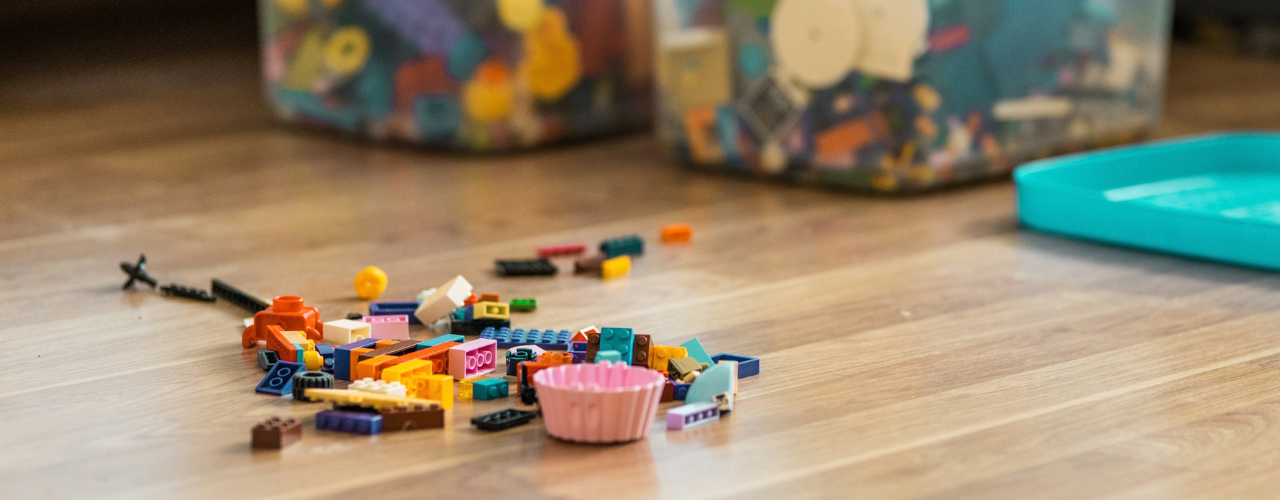
How to Store LEGOs: All the Fun, None of the Clutter
How to store LEGOs largely comes down to how your household uses them. If the bricks are part of everyday play, you need a setup that keeps them within easy reach and makes cleanup quick (for your feet’s sake, at least). Toy storage(opens in new tab) such as simple bins, playmats or containers that children can put away themselves may be enough. Larger or more serious collections usually need more organization, such as labelled drawers for loose pieces, trays for unfinished builds, shelves for completed models and separate storage for retired sets.

Cardboard Costume Guide: Tips and Ideas for a DIY Halloween
Whether for kids or adults, cardboard costume ideas often make the biggest splash once materialized, and that’s for a simple reason: doing a lot with a little is a universally impressive feat (especially in this economy). If you don’t have enough boxes you could temporarily repurpose, don’t worry! There are many places where you can find free moving boxes(opens in new tab), from stores and supermarkets to online groups and recycling drop-off spots. On the run? Try your luck at a self storage(opens in new tab) facility that sells moving supplies, often for cheap. This way, you can choose moving boxes of different shapes and sizes(opens in new tab), so you can make your costumes as complex as you want.

How to Celebrate Halloween: 9 Non-Spooky Ways To Enjoy It
As soon as October starts, it’s the official Halloween month. And while for many people it means it’s open season to get the scare of a lifetime, others, especially families with small children, might prefer to celebrate in a tamer way that’s both kid- and adult-friendly. While you’re likely to find more events where the spook factor is high, here’s how to celebrate Halloween in a not-so-scary way:

Motorcycle Storage Guide: How to Store Your Bike Safely
Motorcycles may be born to be wild, but eventually even the wild ones need somewhere to park. Whether riding season is winding down or your current living situation comes with plenty of square footage for you and less for your bike, motorcycle storage is one of those parts of ownership that doesn’t get as much airtime as the open road.

Halloween Decorating on a Budget (And Cheap Ideas for Everything Elsee)
Halloween has crept a long way from its eerie origins. While All Hallows’ Eve has transformed through the centuries, it wasn’t until the 1930s that trick-or-treating became a tradition in the U.S. and businesses began conjuring up mass-produced Halloween costumes. Now, Halloween is a monster-sized, billion-dollar industry, with a cauldron full of costumes and decorations ranging from the mainstream to the macabre. But is it all really worth your wallet? Maybe, but we’ll let you in on a little secret: You can keep your Halloween decorating on a budget and save on everything else, too. Take this plan and see it through!

Moving From a House to an Apartment: What to Expect, How to Downsize & How Self Storage Helps
For some, moving from a house to an apartment is a financial decision. For others, it’s about simplifying life. Maybe the kids have moved out and half the house sits empty, or you’re approaching retirement and no longer want to spend weekends on repairs. Or perhaps you’ve been weighing the cost of buying a home and wondering whether renting simply makes more sense right now.
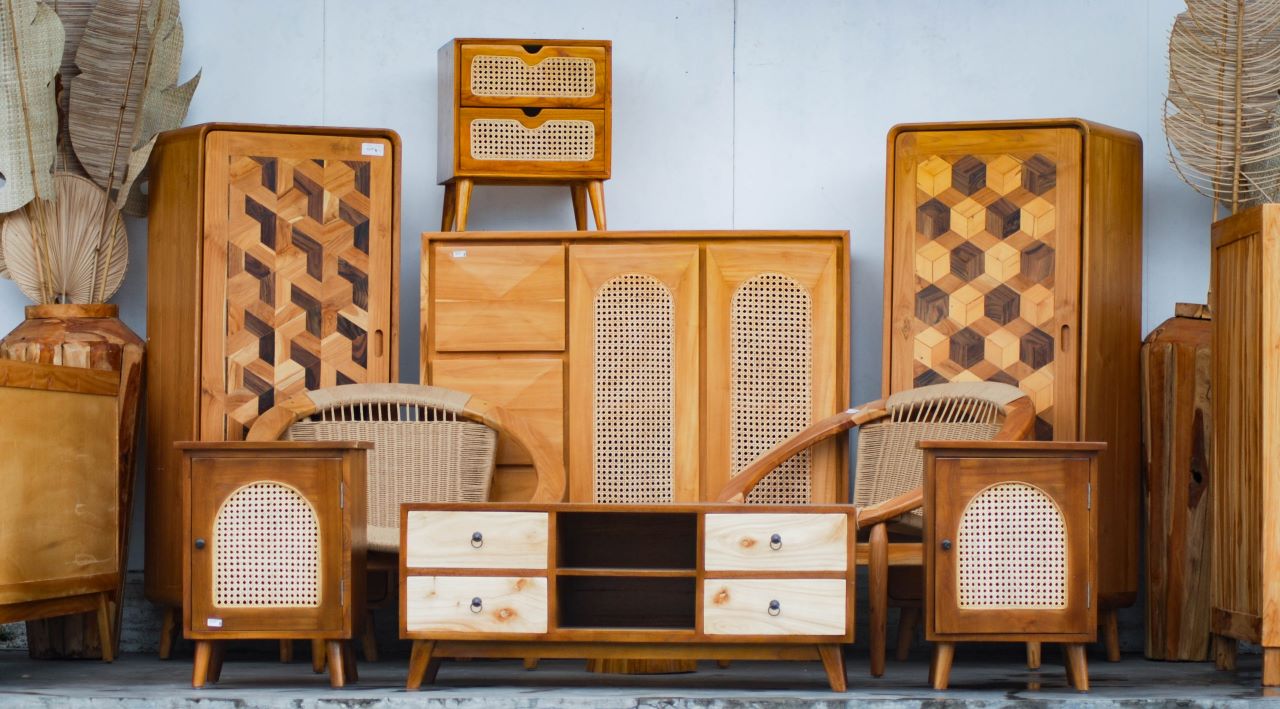
Family Heirlooms Overload: How to Handle Family Inheritance Without Regret
Handling family heirlooms after a loss requires managing legal authority, emotional pressure and practical logistics at the same time, and the order you take them on matters more than most people expect.
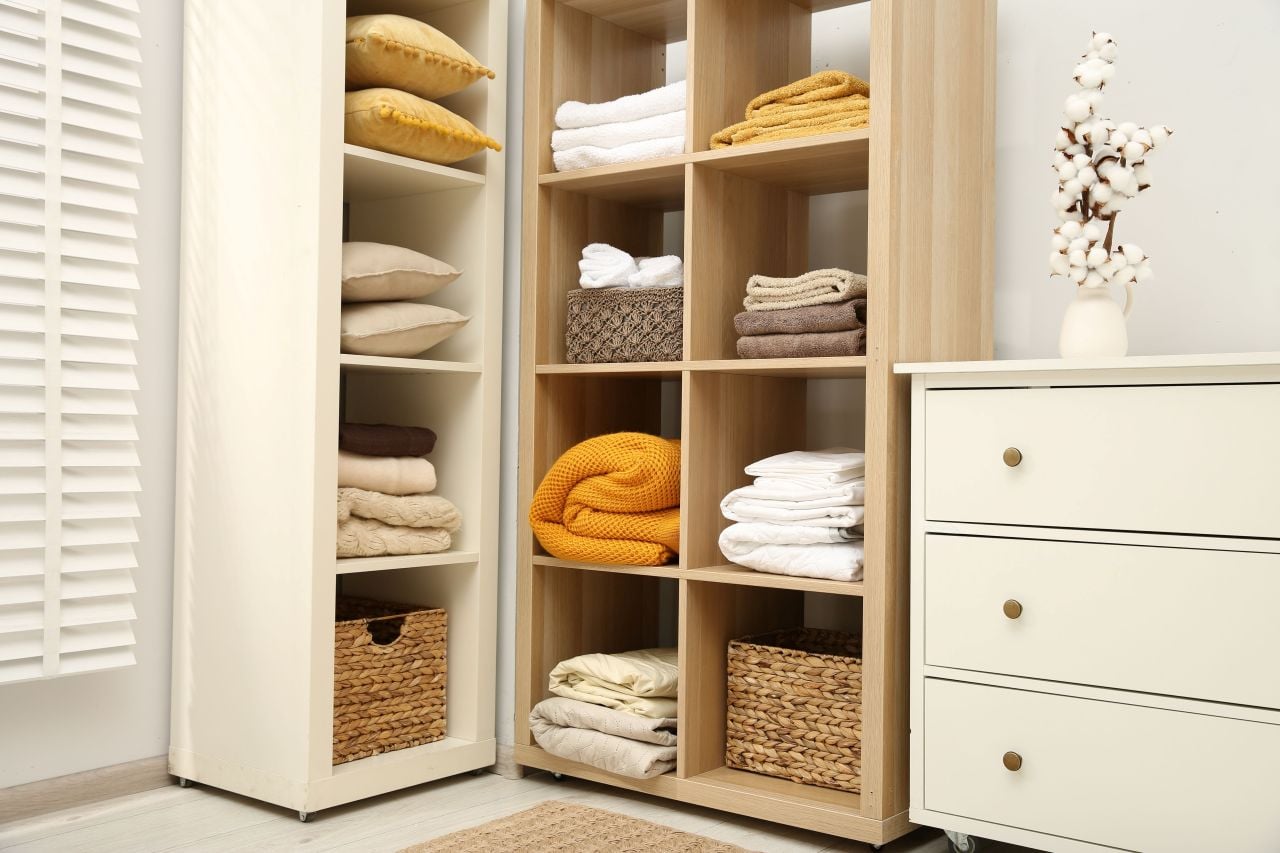
Blanket Storage: The Right Method for Every Space and Season
Blankets make our lives cozier, and storing them well is what keeps them soft and comfortable in the long run. Knowing how to store a blanket properly means your favorites come out of storage smelling fresh, feeling the same as when they went in, and lasting years longer than they otherwise would.

Board Game Storage Ideas That Keep Your Collection in Fighting Shape
Nobody warns you that getting into board games usually unlocks a second hobby, the much dreaded one that includes figuring out where on earth to put them. One game becomes a few, expansions start spawning beside their base boxes and before long, board game storage requires as much strategy as whatever is waiting on the other side of those lids.