
How much does Halloween really cost in 2026? Plan wisely to avoid the scare of hidden costs

Key Takeaways
- Halloween costs more than you think — a family of four can spend $460 on basics alone, and that’s before the extras kick in.
- Babysitting and pumpkin patches are easy budget blind spots: A sitter runs $50+ for just two hours, and a patch visit can top $200 for a family of four.
- Even your electricity bill gets spooked, as a Halloween display can add $10–$30 to your October energy costs.
Americans’ love for Halloween is almost frightening — this year alone, we are on our way to spending $13.5 billion, according to data from the National Retail Federation(opens in new tab). That breaks down to about $115 Halloween costs per person, a whopping 49% more than 10 years ago.
This means that a family of four could be looking at $460 just for the basics: candy, costumes, decorations and greeting cards. But, as we all know, there are always extra costs at play when it comes to the spookiest night of the year.
The true costs of Halloween
Halloween isn’t just about candy and costumes — there are plenty of hidden costs that can add up quickly. From fun outings like pumpkin patches and haunted houses to practical expenses like childcare, taking time off work, and even higher electricity bills, the spooky season can come with its own set of financial tricks.
Here’s a breakdown of the extra Halloween expenses you might not expect—beyond the usual candy, costumes, and decorations—so you can plan ahead and avoid the scare!
Pumpkin patch fun: $80 to $200 for a family of 4 in 2026
A trip to the pumpkin patch is a classic fall tradition, but it’s important to consider the full cost. Tickets typically start at $20 per person, and activities like pony rides or corn mazes often have additional fees. While these enhance the experience, they can add up quickly. The good news is that little ones under two years often get in for free, making it a bit more budget-friendly for families.
Babysitting: Starting at $50 for 2 hours
If you’re planning a grown-up Halloween night out or have a little one who’s too young for trick-or-treating, babysitting might be another cost to consider. The average rate for a babysitter(opens in new tab) is around $25 per hour, but this can vary depending on your location or the number of children. In larger cities the price may be higher, so plan on spending $50 or more for a few hours of childcare.
Styling for the Halloween party: $100+
Halloween parties are another area where costs can creep up. Whether you’re hosting or attending, there are often expenses for food, drinks, party supplies and possibly costume upgrades. For a budget-friendly gathering, you might spend around $100 to $200, but for a more elaborate party, expect to pay between $300 and $600. If you’re going all out with decor and entertainment, the price tag could easily exceed $1,000.
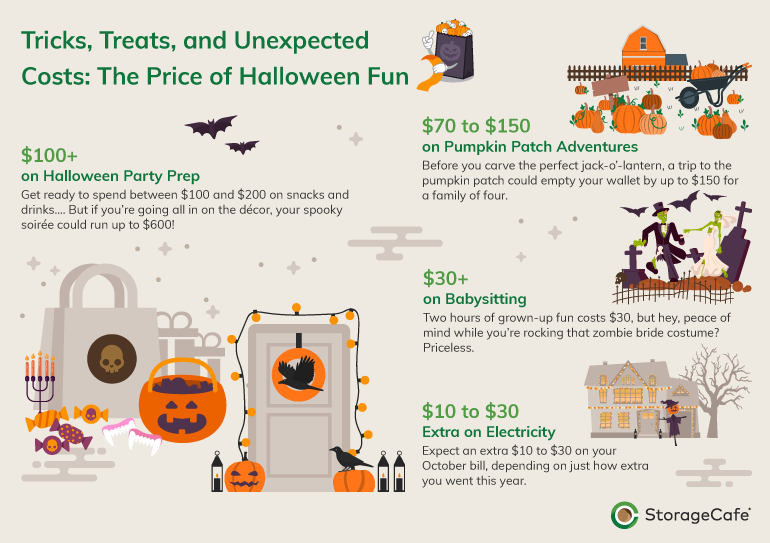
Electric fun: $10 to $30 extra on your October bill
Halloween displays with lights, animatronics and inflatables can lead to a noticeable bump in your electricity bill. A moderate display could add an extra $10 to $30 to your monthly bill, while more extravagant setups might cost even more. If you’re keeping it simple, you may only see a slight increase in your energy costs.
Other costs to consider
If your Halloween adventures take you farther from home, don’t forget to factor in extra fuel costs for travel. Whether it’s a pumpkin patch, haunted house or fall festival, driving to seasonal activities can add a little more to your overall expenses.
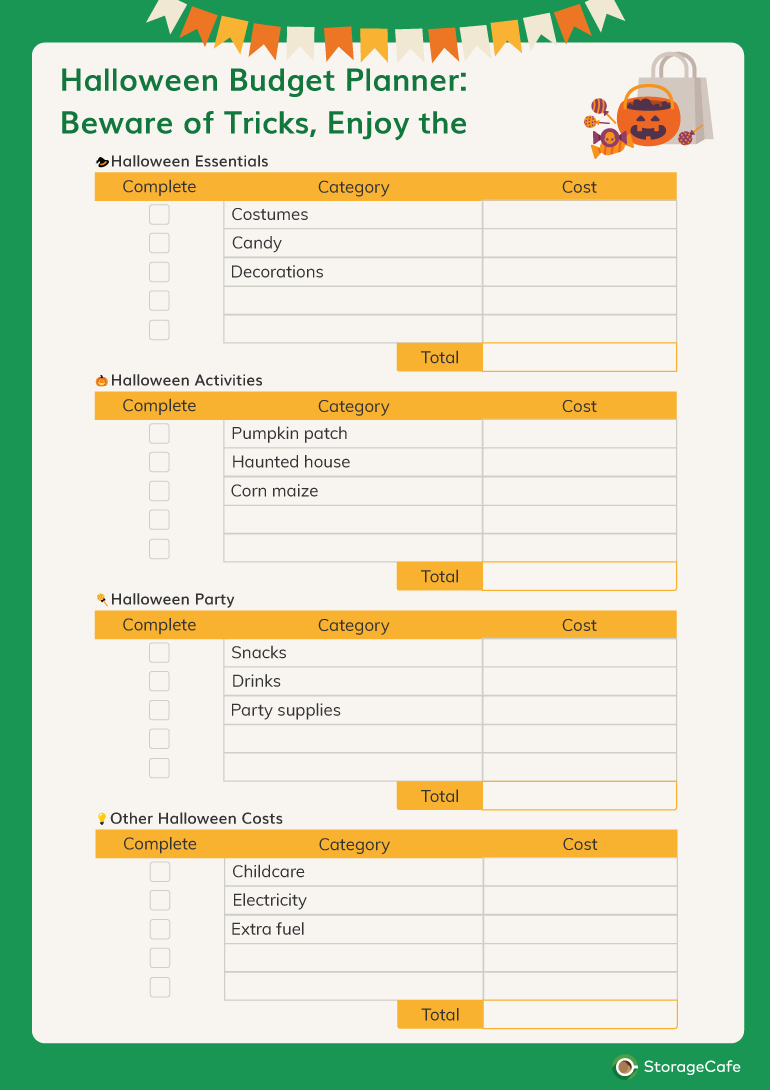
In the end, while Halloween is full of fun, it’s important to keep an eye on those sneaky costs that can add up before you know it! That’s why we suggest using our printable Halloween budget planner, that you can download from here(opens in new tab).



America’s Top Snowbird Destinations for 2026–2027: Florida Leads in Numbers, Texas Wins on Value
For Americans living in colder states, the approach of winter is reason enough to start looking south. Cold weather carries costs that go beyond the heating bill and shoveling snow. Seasonal affective disorder(opens in new tab) is far more prevalent in northern states, so a temporary move south isn’t simply an escape from the cold, but a chance to spend the hardest stretch of winter outdoors and in the sun.
How much does Halloween really cost in 2026? Plan wisely to avoid the scare of hidden costs
Americans’ love for Halloween is almost frightening — this year alone, we are on our way to spending $13.5 billion, according to data from the National Retail Federation(opens in new tab). That breaks down to about $115 Halloween costs per person, a whopping 49% more than 10 years ago.
How to Store LEGOs: All the Fun, None of the Clutter
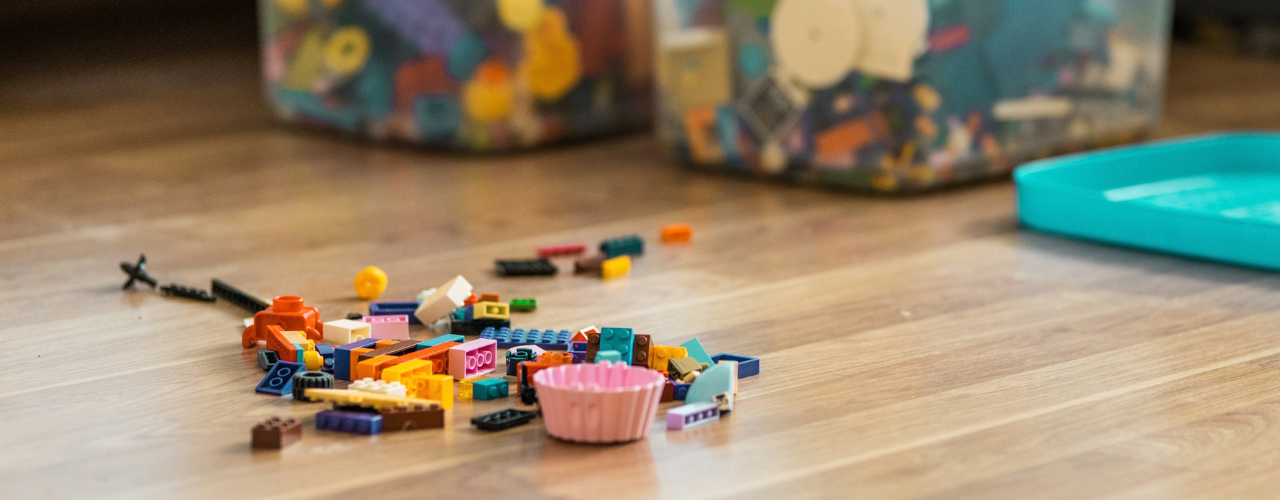
How to store LEGOs largely comes down to how your household uses them. If the bricks are part of everyday play, you need a setup that keeps them within easy reach and makes cleanup quick (for your feet’s sake, at least). Toy storage(opens in new tab) such as simple bins, playmats or containers that children can put away themselves may be enough. Larger or more serious collections usually need more organization, such as labelled drawers for loose pieces, trays for unfinished builds, shelves for completed models and separate storage for retired sets.

Cardboard Costume Guide: Tips and Ideas for a DIY Halloween
Whether for kids or adults, cardboard costume ideas often make the biggest splash once materialized, and that’s for a simple reason: doing a lot with a little is a universally impressive feat (especially in this economy). If you don’t have enough boxes you could temporarily repurpose, don’t worry! There are many places where you can find free moving boxes(opens in new tab), from stores and supermarkets to online groups and recycling drop-off spots. On the run? Try your luck at a self storage(opens in new tab) facility that sells moving supplies, often for cheap. This way, you can choose moving boxes of different shapes and sizes(opens in new tab), so you can make your costumes as complex as you want.

How to Celebrate Halloween: 9 Non-Spooky Ways To Enjoy It
As soon as October starts, it’s the official Halloween month. And while for many people it means it’s open season to get the scare of a lifetime, others, especially families with small children, might prefer to celebrate in a tamer way that’s both kid- and adult-friendly. While you’re likely to find more events where the spook factor is high, here’s how to celebrate Halloween in a not-so-scary way:

Motorcycle Storage Guide: How to Store Your Bike Safely
Motorcycles may be born to be wild, but eventually even the wild ones need somewhere to park. Whether riding season is winding down or your current living situation comes with plenty of square footage for you and less for your bike, motorcycle storage is one of those parts of ownership that doesn’t get as much airtime as the open road.

Halloween Decorating on a Budget (And Cheap Ideas for Everything Elsee)
Halloween has crept a long way from its eerie origins. While All Hallows’ Eve has transformed through the centuries, it wasn’t until the 1930s that trick-or-treating became a tradition in the U.S. and businesses began conjuring up mass-produced Halloween costumes. Now, Halloween is a monster-sized, billion-dollar industry, with a cauldron full of costumes and decorations ranging from the mainstream to the macabre. But is it all really worth your wallet? Maybe, but we’ll let you in on a little secret: You can keep your Halloween decorating on a budget and save on everything else, too. Take this plan and see it through!

Moving From a House to an Apartment: What to Expect, How to Downsize & How Self Storage Helps
For some, moving from a house to an apartment is a financial decision. For others, it’s about simplifying life. Maybe the kids have moved out and half the house sits empty, or you’re approaching retirement and no longer want to spend weekends on repairs. Or perhaps you’ve been weighing the cost of buying a home and wondering whether renting simply makes more sense right now.

Family Heirlooms Overload: How to Handle Family Inheritance Without Regret
Handling family heirlooms after a loss requires managing legal authority, emotional pressure and practical logistics at the same time, and the order you take them on matters more than most people expect.