

Key Takeaways
- Provide a comfortable place to sleep, make room for a guest to unpack and add some everyday essentials.
- To make room, remove the furniture, bins, papers and décor that prevent the room from working as a private, usable place to stay.
- Clean linens, working lighting, charging access, towels and a place to set down a bag matter more to guests than elaborate décor.
- In a small guest room, compact furniture, vertical storage and under-bed bins can preserve comfort without sacrificing floor space.
A guest room often becomes a holding zone for spare furniture, seasonal bins and unfinished decisions. To reclaim it, start with three basics: a comfortable place to sleep, room for a guest to unpack and the everyday essentials that make the space easy to use.
How to organize a guest room
Getting a room ready for visitors is easier than you think. Follow these steps and you will have the room ready in due time.
1. Clear the room’s function
Start with large or obvious items: duplicate lamps, unused side tables, outdated décor, piles of paperwork and personal collections. Remove anything that keeps the room from functioning as a place where someone can sleep, unpack and feel at ease.
For quick results, focus first on what visitors notice immediately:
- The path from the door to the bed
- The bed itself
- The top of the nightstand or dresser
- The closet, drawer, or area reserved for a suitcase
Even one uncluttered surface and an open walkway can make the room feel calmer.
2. Clean and reset the room
Once the floor and surfaces are clear, give the space a proper reset. Vacuum, dust and air out the room. Wash the linens, make the bed with fresh sheets, and place a folded blanket at the foot.
Then check the practical basics: make sure the bedside light works, an outlet is within reach, and the room will be comfortable at night.
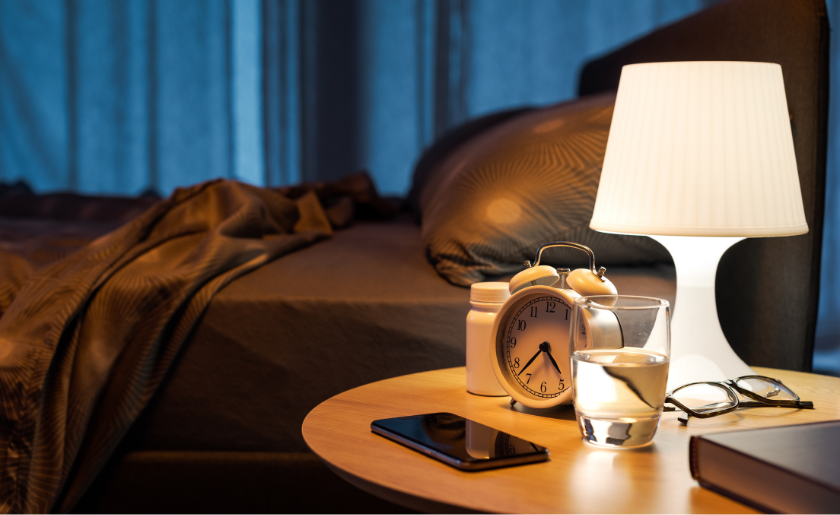
Aim for a space that feels clean, private and easy to use, as opposed to overly decorated or showroom-perfect.
3. Set up guest essentials
The right setup depends partly on how long someone will stay. For one or two nights, provide:
- A comfortable bed
- A bedside lamp
- Charging access
- A small surface for personal items
- A luggage rack, bench, or other dedicated place for a bag
For stays of several days, add empty hangers, a cleared drawer or shelf, hooks for coats and bags and a mirror.
For stays of more than a week, provide dedicated clothing storage, a larger surface for toiletries or work and enough room to unpack comfortably.
A few practical additions can make a substantial difference:
- Fresh bedding and two or three pillow options, if available
- Clean towels and a small basket of travel-size toiletries
- Tissues, a nightlight and a discreet trash can
- A fan or another temperature-control option
- Blackout curtains or a sleep mask
- A mirror and a flat surface for grooming, makeup, or a laptop
Avoid setting one catch-all budget unless you know for shure what it includes. A luggage rack and wall hooks cost very differently from blackout curtains, bedding, a fan, or a mattress topper.
4. Add storage that supports the room
Storage should help the room stay usable long-term, instead of just turning it back into a warehouse.
For that, use vertical storage, closed containers and under-bed space to keep household overflow out of sight. A floating shelf can replace a bulky nightstand, while a narrow rolling cart can hold supplies and move into a closet when guests arrive. Folding stools or extra seating can stay tucked away until needed.
If the room also functions as an office, hobby room, or study, a daybed, trundle, or Murphy bed can make the space more flexible.
5. Decide what to donate, sell, recycle, or store
As you clear the room, decide where each removed item belongs. Ask whether it is valuable, seasonal, difficult to replace, or likely to be needed again within a clear time frame.
- Donate usable furniture, home goods, books, linens and supplies you no longer need. Check local acceptance policies before making a trip or arranging pickup.
- Sell items with real resale value that no longer fit your home or lifestyle.
- Recycle or discard belongings that are broken, expired, damaged, or unusable.
- Store items that are genuinely worth keeping but do not need to remain in the house year-round.
If the items you remove are worth keeping but are crowding the home, self storage(opens in new tab) may be useful for seasonal décor, extra furniture, hobby equipment, sports gear, or boxed possessions during a renovation or move. The right unit size depends on what you are storing: a 5×5 unit(opens in new tab) may be good for a few boxes and small items, while larger units(opens in new tab) are best for furniture and more substantial household overflow.
If you go the storage unit route, clean and dry items first, label every box, keep an inventory and use sturdy containers. For moisture-sensitive belongings (like books, documents, photographs, clothing and wood furniture), climate control(opens in new tab) is the safest option, especially if you plan to store them long-term in a place with extreme temperature swings.
Small guest room ideas
A small guest room works best when it stays simple. Focus on: a comfortable bed, open floor space and a practical place for visitors to keep their belongings.
- Choose a compact bed, such as a twin, full, daybed, trundle, or sleeper sofa.
- Skip bulky furniture, including oversized dressers and bookcases.
- Use wall hooks, floating shelves and slim bedside tables to preserve floor space.
- Store extra linens, blankets and towels in low bins under the bed.
- Clear one drawer, shelf, or section of the closet, then add a few empty hangers.
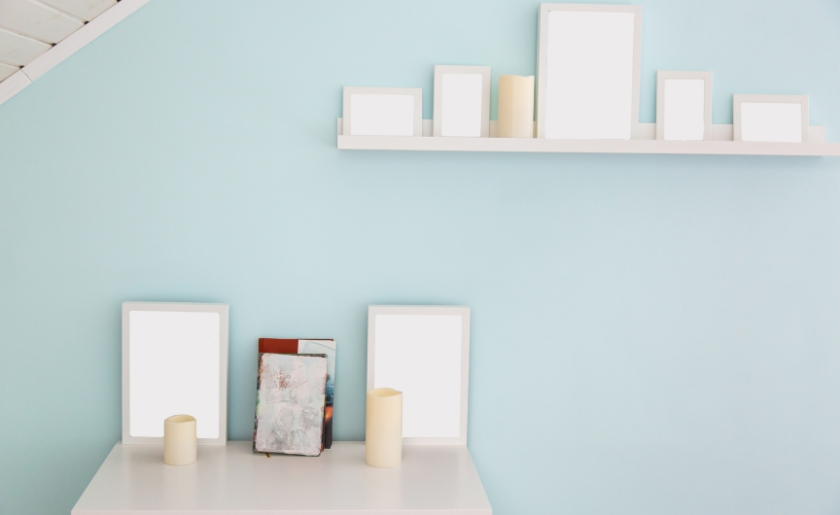
- Keep décor minimal: one mirror, one piece of art and warm lighting are enough.
Keep the room guest-ready
A guest room stays usable with a simple maintenance routine. After each visit, wash the linens, empty the trash, return supplies to their place, and address new clutter before it builds up.
FAQ
How do you make a small guest room feel comfortable?
Focus on the basics: a comfortable bed, clean linens, a clear path to walk and a small place for guests to set down a bag. Use wall hooks, under-bed storage and slim furniture instead of filling the room with large pieces. Finish with practical touches such as fresh towels, a bedside lamp, blackout curtains, a fan and an accessible phone charger.
What type of bed is best for a small guest room?
Choose a twin, full, daybed, trundle, or sleeper sofa. These options leave more room for a clear walkway, luggage and basic guest storage.
What are the best small guest room ideas?
The most useful small guest room ideas focus on function: choose a compact or multipurpose bed, keep a clear walkway, use wall-mounted and under-bed storage and reserve a small area for a guest’s bag and clothing. Avoid oversized furniture and excessive décor, which can make a small room feel crowded.
What should you remove from a small guest room?
Remove bulky furniture, excess décor and anything that blocks the path from the door to the bed. Keep only the essentials: a bed, bedside light, luggage spot and a little storage.


Living Room Storage Ideas: 28 Ways to Reclaim Your Hosting Space
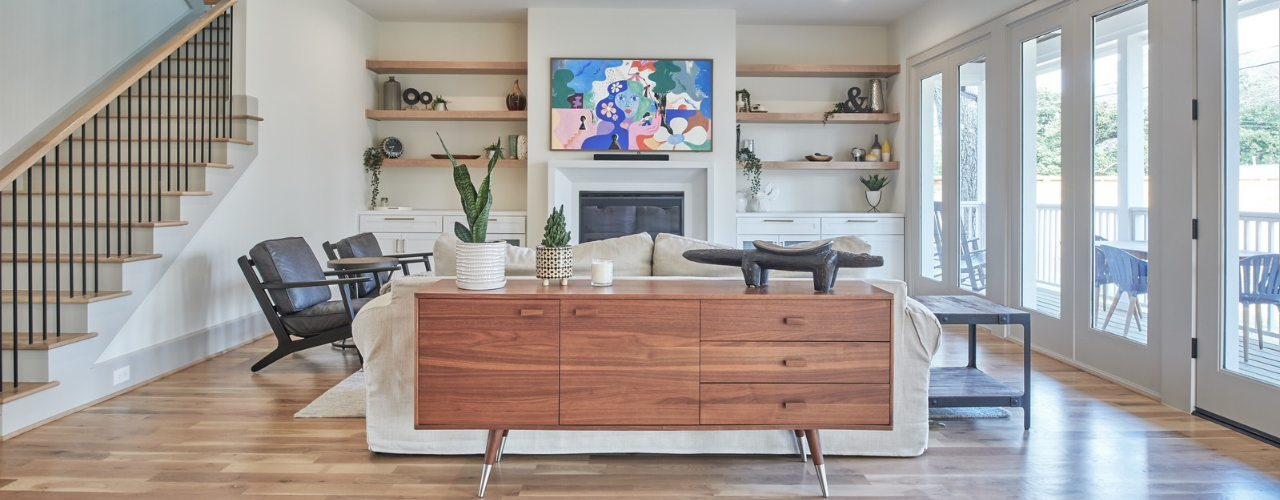
If a living room is where most of a household’s living happens, good storage should be the top priority for setting up or revamping the place. After all, think of how easier it would be to have people over when tidying up the place is just a matter of putting things in their right place (in a time when fewer and fewer people are entertaining friends at home(opens in new tab)). The trick is making room for all those wayward clothes, blankets, chargers and other small things that end up on (or, inexplicably, in) the sofa. Here are 28 living room storage ideas to get you started and make tidying up a quick affair.
25 Mudroom Storage Ideas (And Mistakes to Avoid)
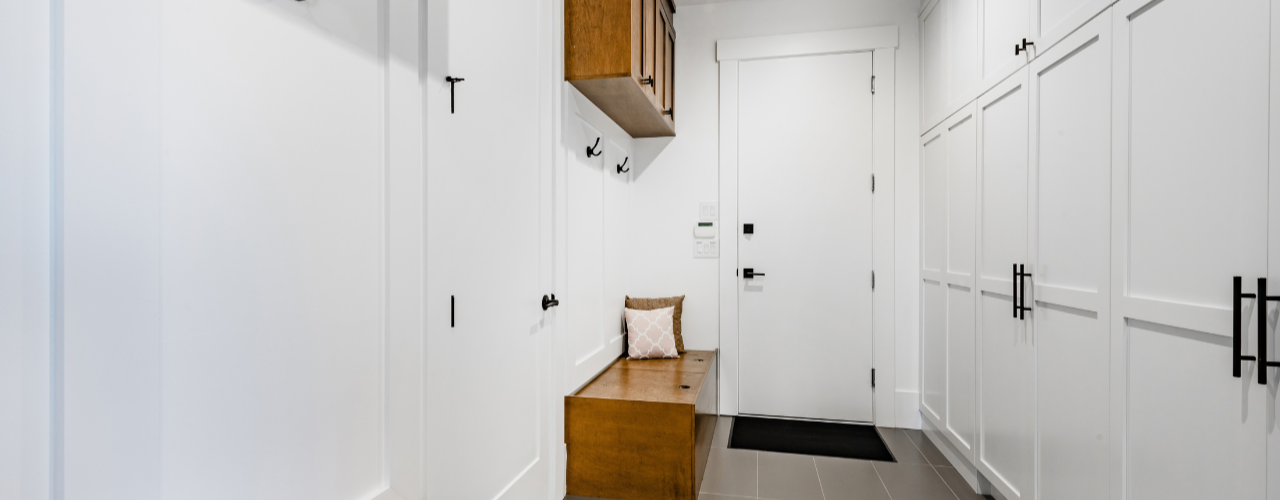
When you come home with muddy boots, an armful of bags and a coat you can’t wait to take off, it’s nice to have somewhere to put it all. With a mudroom, you can leave the outdoor mess at the door instead of carrying it through the house. Traditionally, you’d set aside a separate room, but you can just as easily use a hallway, an entryway closet, a laundry-room corner or a stretch of wall near the entrance.
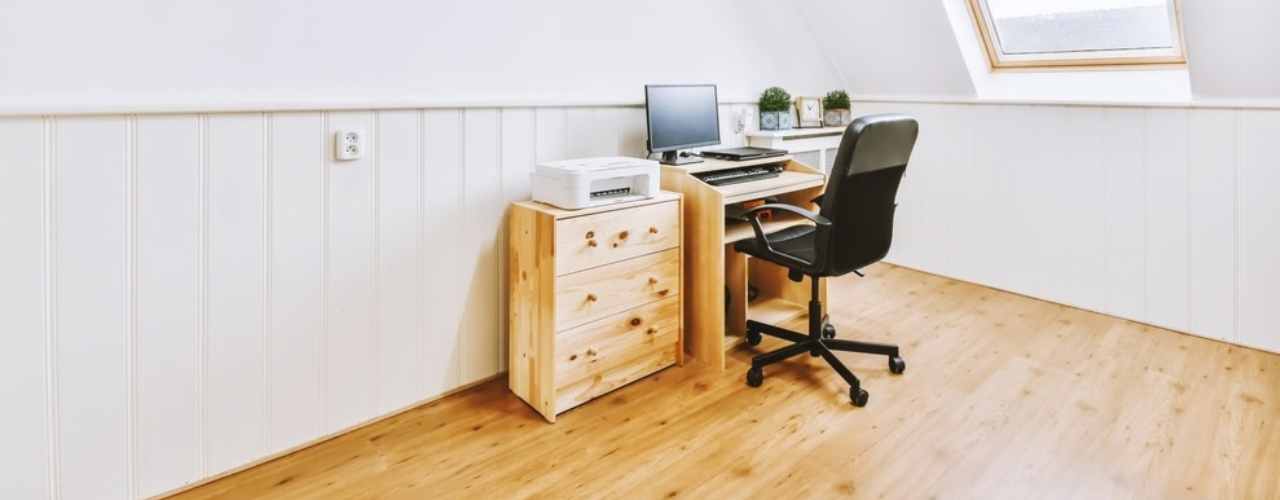
Is Your Home Office Worth the Rent? What Coworking and Self Storage Could Save You
Every square foot of your apartment comes with a price tag, and a home office claims more of them than most renters expect. It starts with a desk. Then come the second monitor, the printer, the filing cabinet and the overflow boxes. Before long, the corner you set aside for work has turned into a small room you are paying for every month.

Best U.S. Cities to Live Uncluttered: Plano, TX, Offers the Most Room to Breathe
Clutter is in our homes as much as in our heads. Both are shaped by where we live.

America’s Top Snowbird Destinations for 2026–2027: Florida Leads in Numbers, Texas Wins on Value
For Americans living in colder states, the approach of winter is reason enough to start looking south. Cold weather carries costs that go beyond the heating bill and shoveling snow. Seasonal affective disorder(opens in new tab) is far more prevalent in northern states, so a temporary move south isn’t simply an escape from the cold, but a chance to spend the hardest stretch of winter outdoors and in the sun.

How Much Does Halloween Really Cost in 2026? Plan Wisely to Avoid the Scare of Hidden Costs
Americans’ love for Halloween is almost frightening — this year alone, we are on our way to spending $13.5 billion, according to data from the National Retail Federation(opens in new tab). That breaks down to about $115 Halloween costs per person, a whopping 49% more than 10 years ago.
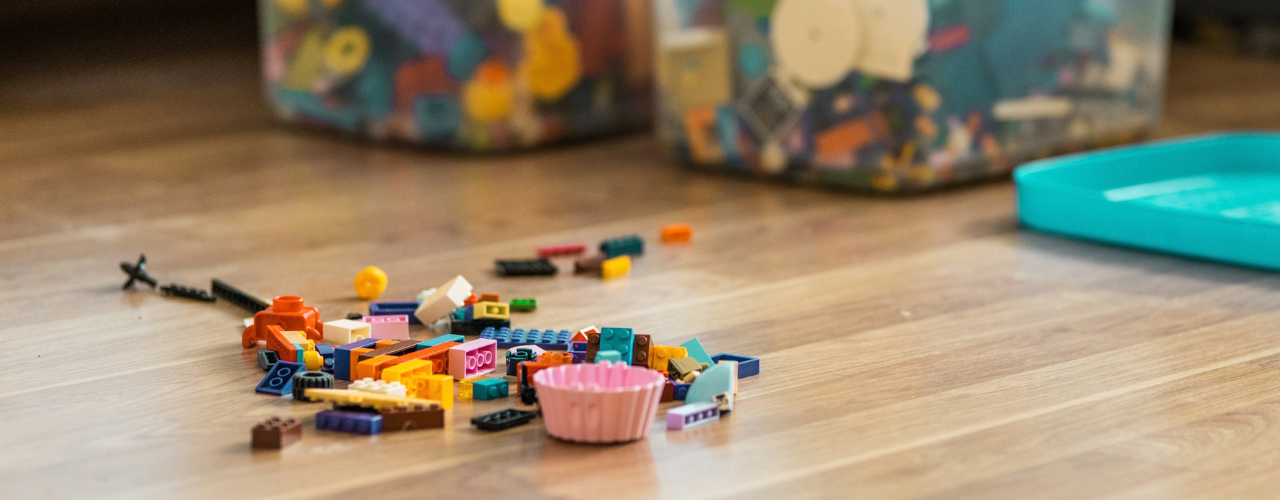
How to Store LEGOs: All the Fun, None of the Clutter
How to store LEGOs largely comes down to how your household uses them. If the bricks are part of everyday play, you need a setup that keeps them within easy reach and makes cleanup quick (for your feet’s sake, at least). Toy storage(opens in new tab) such as simple bins, playmats or containers that children can put away themselves may be enough. Larger or more serious collections usually need more organization, such as labelled drawers for loose pieces, trays for unfinished builds, shelves for completed models and separate storage for retired sets.

Cardboard Costume Guide: Tips and Ideas for a DIY Halloween
Whether for kids or adults, cardboard costume ideas often make the biggest splash once materialized, and that’s for a simple reason: doing a lot with a little is a universally impressive feat (especially in this economy). If you don’t have enough boxes you could temporarily repurpose, don’t worry! There are many places where you can find free moving boxes(opens in new tab), from stores and supermarkets to online groups and recycling drop-off spots. On the run? Try your luck at a self storage(opens in new tab) facility that sells moving supplies, often for cheap. This way, you can choose moving boxes of different shapes and sizes(opens in new tab), so you can make your costumes as complex as you want.

How to Celebrate Halloween: 9 Non-Spooky Ways To Enjoy It
As soon as October starts, it’s the official Halloween month. And while for many people it means it’s open season to get the scare of a lifetime, others, especially families with small children, might prefer to celebrate in a tamer way that’s both kid- and adult-friendly. While you’re likely to find more events where the spook factor is high, here’s how to celebrate Halloween in a not-so-scary way: