

Things used to be simple. Straightforward. You waited in line at your favorite store for the latest Silent Hill release, excitement building with every passing minute. You went in, bought the game, and rushed home to immerse yourself in it and explore this new world. You paid for it. You owned it.
These days, things are a little less clear. The waters get murkier when it comes to what you actually own in gaming. A title can suddenly disappear from your digital library, and the fine print lets you know that you never truly owned the game. You were granted a license to play it. Small print, big difference.
As everything moves with warp speed toward an all-digital future, one question becomes unavoidable. What is the real value of a physical game library? Why does preserving it matter — and if you choose that path, how do you store, protect, and extend the life of the games you love?
Why physical media matters
Nostalgia and ownership are two of the main pillars behind pro-physical-media enthusiasts, among others. There’s a familiarity in a box on a shelf, a certain satisfaction of building a library you can see and touch, the sense that these games belong to you in a way a digital version never quite does. However, nostalgia and sentiment only scratch the surface.
Beyond that, the value of physical media highlights stability in an increasingly digital landscape. It exists independently of online storefronts and shifting terms of service.
Here are a few reasons why physical media is still worth keeping and caring about.
Full ownership, beyond and behind the screen
In early April 2024, if you were among the owners of The Crew by Ubisoft, you probably woke up to quite a rude awakening when you opened Steam, ready to play the game after a break from not touching it — keeping things fresh, avoiding player fatigue. But, unlike any other day, Ubisoft began revoking access and licenses from players who owned the game.
Which meant that you were left with no game and no ownership. Despite having paid full price, the title could simply be taken away, just like that. The move sent an unprecedented shockwave through the gaming community, forcing many to confront a reality that had long been buried in fine print.
If a license can be revoked, are games ever truly safe unless they’re right there, where you can see and touch them? That same question ran through the minds of 1.4 million other people, eventually taking shape as the Stop Killing Videogames movement. Their concern became action, materializing in votes for a European Citizens’ Initiative meant to make those worries impossible to ignore.
The impact rippled outward, showcasing that now more than ever, ownership rights have gone from a niche concern to a full-blown boss fight for the industry. What started within gaming circles broke past that boundary and entered the mainstream conversation.
And in September 2024, that planted seed finally took root. A new Californian law was signed, forcing digital storefronts to be upfront about what customers actually receive when paying for digital content. Language that implied ownership, while only offering a revocable license, was no longer allowed under the law.
In a scenario like this, having your games physically in your home or stored away in a unit suddenly feels like the only real alternative. No one can discreetly revoke or snatch them from your hands.
When availability ends, collection begins
A show of hands for all those who jumped into a gaming series a little late. You’re already on the fifth game, having only just dipped your toes in to try it out, and you instantly get hooked. You love it. Sounds familiar, right? It’s so good that you immediately want to track down the rest of the series and binge it over a rainy weekend, anticipation already buzzing.
Then you hit a wall. You discover that earlier entries, especially the older ones, are no longer available digitally. The only way to play them is if you purchased them physically when they first released. The problem is, now they’re incredibly hard to find, outright gone, expensive, or in a country where the shipping costs are triple the game’s original worth.
Some games simply vanish from digital platforms over time. By collecting and growing a physical video game library, you keep those titles within arm’s reach and remove that issue from the equation entirely. In doing so, you’re also preserving your tastes as they evolve, building a collection that grows alongside you.
Another benefit is resale value. No one ever imagined that a game about two plumbers of Italian descent would become one of the most sought-after adventures in gaming history, yet here we are. A copy of Super Mario Bros. shattered records with more power than Mario uses to break the in-game blocks, sold for a staggering seven-figure sum — 2 million. The lesson to take from here is simple. You never know which cartridge or disc might one day become a collector’s dream, but if there’s even a chance, you probably wish you’d held onto it.
The timing couldn’t be more relevant and, luckily, it’s already on your side. During the pandemic, interest in physical games surged as people stayed indoors and turned to nostalgia for comfort. Game values multiplied by 33% in 2020, and by 2025, that spike had settled into a more mature, steady pace. More selective, but still very much ongoing.
And with the future of digital ownership remaining uncertain, if you’ve ever considered collecting, preserving, or even trading physical games, now is as good a time as any to start.
The value of experience
Oftentimes, the experience of playing a video game goes far beyond the act of playing the game itself. For some, a digital download strips away part of what makes a game feel special. The anticipation just doesn’t always match the experience of a simple click and wait, no matter how convenient the process may be.
Put simply, two camps have emerged. Those who embrace the ease of digital access and those who feel that some of the magic gets lost, diluted along the way. A physical copy asks more of you, but that’s part of the appeal. There are steps involved, small rituals that make the experience feel richer. Unwrapping the game, taking in the artwork, letting the excitement build before you even press start.
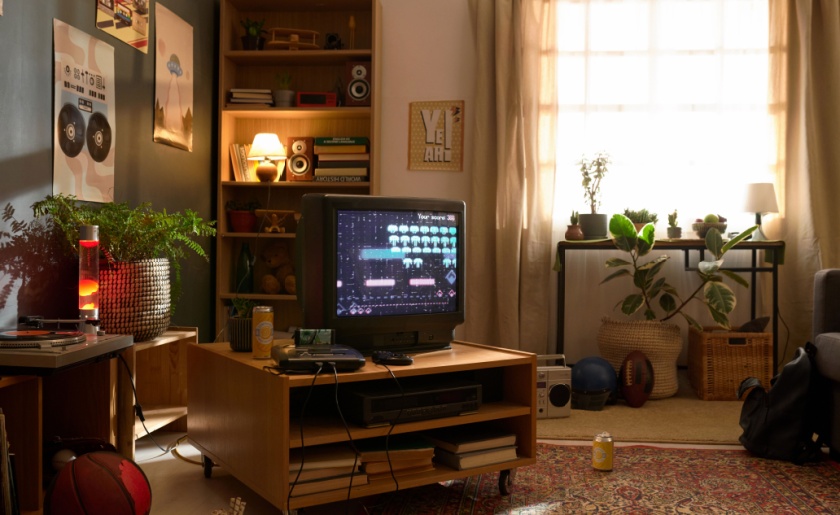
The process pulls you in more and creates a different kind of connection. You feel inclined to care for it, to store it properly, to preserve it. You invest effort into it. In turn, that effort makes the experience all the more meaningful.
The vanishing world outside the box
As touched upon briefly previously, videogames and the booklets, maps, and extra materials that came with them were some of the best parts of owning a game growing up. Nowadays, collector’s editions still appear with nearly every major release, though many of them focus almost entirely on digital bonuses and in-game items. And, as you might expect, that doesn’t quite scratch the same itch for everyone, bringing the conversation back to that first core point — ownership.
What’s missing is the physical context that makes things feel as if they exist outside the screen. Manuals that explained mechanics through artwork and lore, fold-out maps that invited exploration before you ever loaded a save file, little details that made the world feel larger than the console itself. Those extras helped define the experience, grounding it in something tangible and personal.
The limits of subscription-based access
For those opting into subscription-based gaming, another issue quickly becomes apparent. Once games rotate out of the service, they’re gone from your library as well. Along with them goes the progress you made, the saves you invested time in. Any chance to revisit or replay that experience later is gone, leaving you with little more than a memory of having played it at all.
Thus, the value of physical media reveals itself much more clearly, its permanent nature suddenly feeling far more real and far more valuable.
How to store physical media game libraries
Preserving and owning videogames is important; that much is clear. The next natural step is figuring out how to store them properly and keep them in good condition over time. We’ve got that covered.
What to do
Use desiccants
Store silica gel packets with your games and systems, especially in battery compartments for handhelds and controllers. They absorb excess moisture, which can build up due to temperature fluctuations and lead to condensation, corrosion, or even mold over time. Keeping humidity in check helps everything stay functional.
Avoid floor storage
Keep your collection off the ground. Shelves reduce the risk of accidental damage from spills or minor flooding, and they’re simply safer overall. As a bonus, they let your collection become part of your décor, and it can easily be integrated into the room. Display it thematically, add soft lighting, arrange it in a way that feels personal.
Be aware of disc rot
Disc-based games come with a unique weakness that other physical formats tend to avoid, known as disc rot. Don’t let the ominous name strike fear into you; there’s no actual decay involved. The disc’s internal reflective layer breaks down slowly. The root of this problem is mainly caused by oxidation, and once it starts, there’s no real way to reverse it. You can notice uneven patches of discoloration on the surface of the disc when this happens. The good news is that you can delay and slow it down tremendously with the right approach and a little bit of TLC.
Direct sunlight and moisture are a no-go, and periodic check-ups will let you know if everything is as it should be.
Protect games with proper cases
Use soft plastic sleeves or acrylic cases for an extra layer of protection. These help prevent scratches, crushed corners, and general wear, and they keep the dust away. For rarer or more valuable titles, this should enter your rotation in your checklist as soon as possible.
Store games vertically
For games in standard cases (PlayStation, Xbox, DVD-style PC games), vertical storage is ideal. It prevents slow compression over time, which can warp cases or damage cover art.
Check your collection periodically
Do quick check-ups every now and then. Make sure dust hasn’t settled into crevices and nothing shows signs of moisture damage. For cartridge-based games, it’s best to store cartridges separately from their boxes so they can be tested occasionally while keeping the packaging pristine.
Add lightweight protection
Resealable plastic bags are a flexible solution that can be sized to fit individual games and much more beyond that, including cartridges or entire boxes. They add an extra barrier without taking up much space.
Opt for a storage unit for extra space
A real-life save point, storage units can cover many of the requirements needed to preserve and prolong a growing game collection, especially once it no longer fits comfortably at home. They become a true game-changer for collections that outgrow your available space, as they provide a dedicated area just for them to patiently wait for their turn.
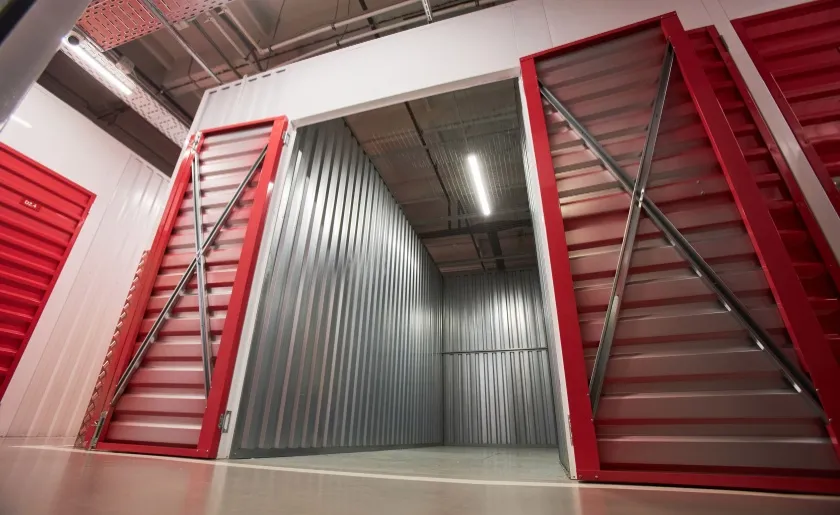
Temperature fluctuation, one of the biggest enemies of physical media, can be kept in check by opting for a climate-controlled unit. A stable environment helps prevent warping, moisture buildup, and other unpleasant surprises that can damage games over time.
Depending on how large your collection has grown, a smaller 5’x5’ locker-sized unit may be enough, while larger collections might benefit from a 5’x10’ or beyond. The key here is how you store everything once it’s inside.
Keep games off the floor using shelving, store them in protective cases or containers, and make sure everything is covered to guard against dust. Over long periods, gases released by aging plastics can accumulate and slowly affect metal contacts, so it’s worth factoring this in when planning any long-term storage setup.
What not to do
Don’t seal games without airflow
Avoid tight, airtight wrapping or shrink-style plastic. Trapped air can quickly turn into trapped moisture, creating the perfect environment for mold and warped paper to prosper. Soft plastic sleeves or archival-quality protectors are a much safer option, as they allow minimal airflow without exposing games to dust or damage.
Don’t store them in direct sunlight or UV exposure
This is one of the worst things you can do to physical media. Sunlight and UV rays fade cover art, discolor paper inserts, yellow plastic cases, and make plastics more brittle over time. Ink dyes break down, labels lose contrast, and cases can crack more easily. If your shelves face a window, it’s worth relocating your collection to a shaded area or using UV-filtering curtains.
Don’t store games in direct contact with batteries
Batteries, especially older or unused ones, can leak over time. Battery acid and corrosion can damage cartridges, discs, manuals, and metal contacts almost instantly. Always store batteries separately and never let them touch games, controllers, or packaging directly.
With ownership rights increasingly questioned in today’s digital-first landscape, having a physical videogame you can hold onto can feel like an oasis of stability. Something immovable and constant amid ever-shifting terms and access rules. Preserving and storing physical game libraries has become a hot topic for many, whether driven by resale value, rarity, or simply the joy of collecting and owning something tangible.
To maintain their lifespan, proper storage makes all the difference. Using a climate-controlled storage unit, adding silica gel packs to manage moisture, and routinely checking on your collection help ensure those games remain playable for years to come.
In the end, caring for a physical game library is like setting your save file to manual. You make sure your progress, your memories, and your ownership can never be overwritten.



Moving From a House to an Apartment: What to Expect, How to Downsize & How Self Storage Helps
For some, moving from a house to an apartment is a financial decision. For others, it’s about simplifying life. Maybe the kids have moved out and half the house sits empty, or you’re approaching retirement and no longer want to spend weekends on repairs. Or perhaps you’ve been weighing the cost of buying a home and wondering whether renting simply makes more sense right now.
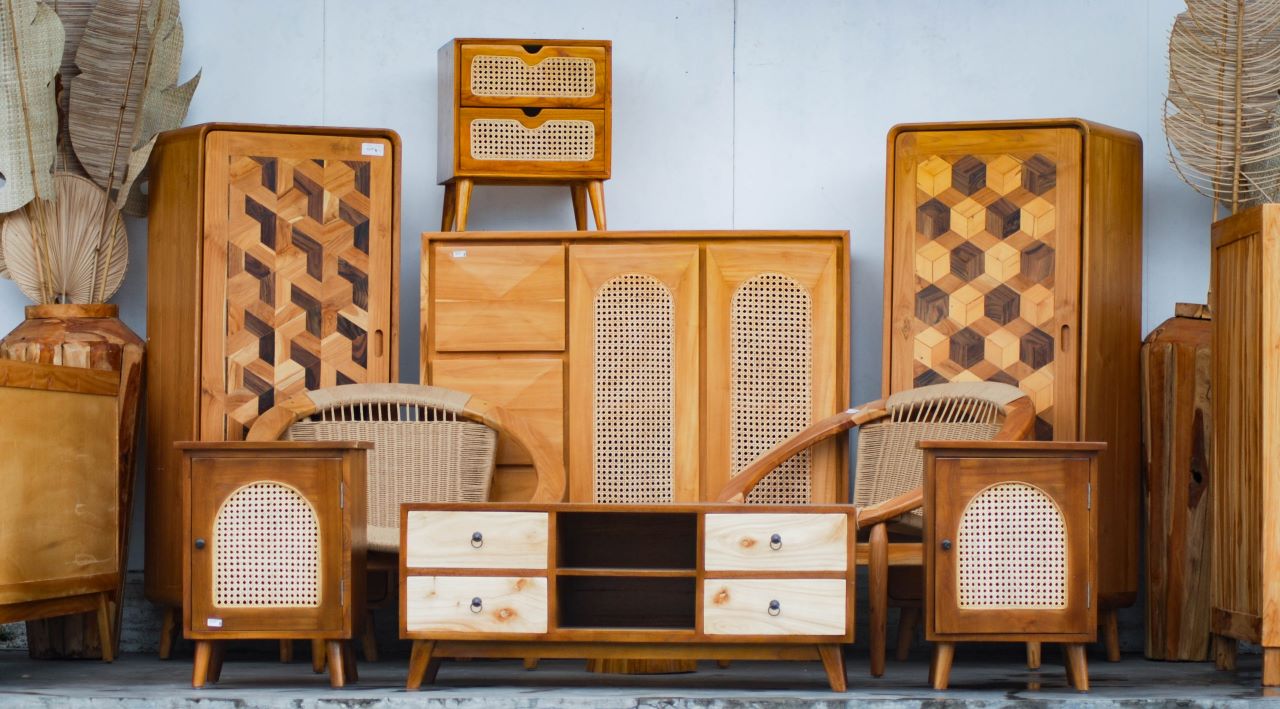
Family Heirlooms Overload: How to Handle Family Inheritance Without Regret
Handling family heirlooms after a loss requires managing legal authority, emotional pressure and practical logistics at the same time, and the order you take them on matters more than most people expect.

Blanket Storage: The Right Method for Every Space and Season
Blankets make our lives cozier, and storing them well is what keeps them soft and comfortable in the long run. Knowing how to store a blanket properly means your favorites come out of storage smelling fresh, feeling the same as when they went in, and lasting years longer than they otherwise would.
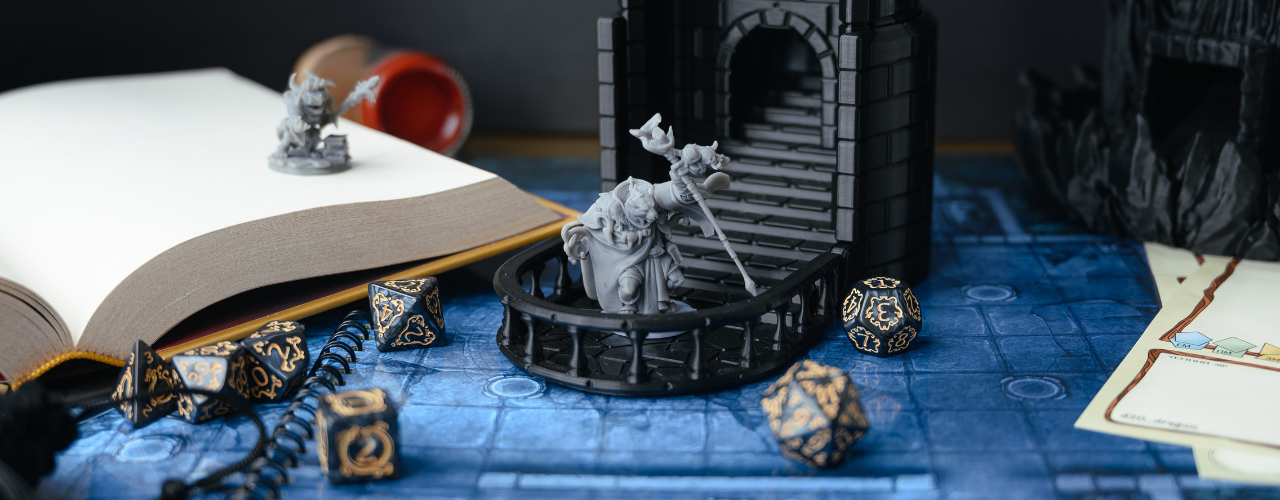
Board Game Storage Ideas That Keep Your Collection in Fighting Shape
Nobody warns you that getting into board games usually unlocks a second hobby, the much dreaded one that includes figuring out where on earth to put them. One game becomes a few, expansions start spawning beside their base boxes and before long, board game storage requires as much strategy as whatever is waiting on the other side of those lids.
Storage Locker vs. Storage Unit: What’s the Difference?
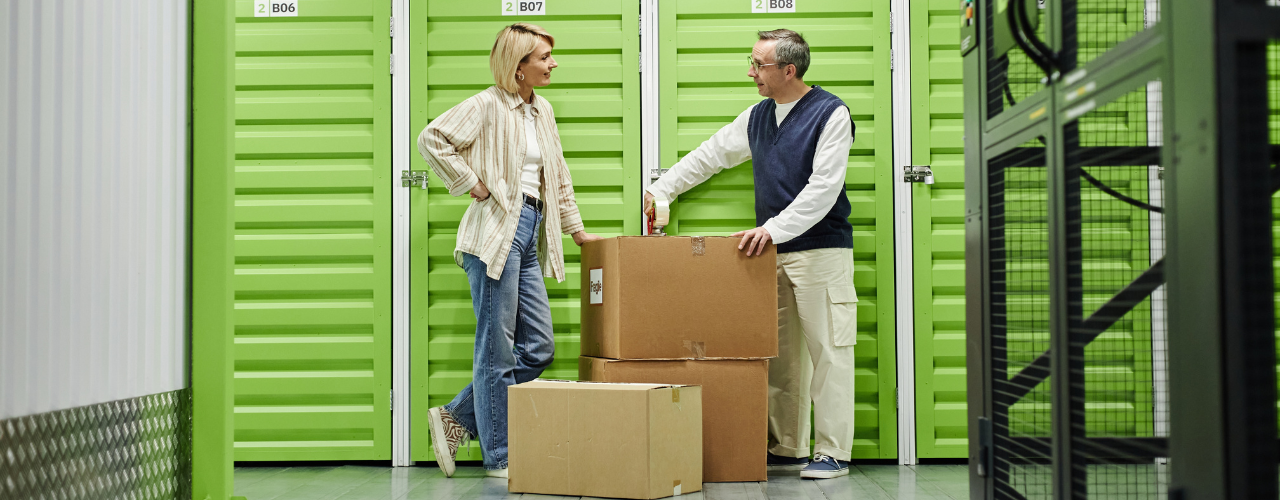
A locker and a unit may sound like two names for the same four walls and a lock, and depending on the storage facility, you may even see the terms used that way. However, once you start comparing available spaces, storage lockers tend to occupy the smaller end of the spectrum, while storage units(opens in new tab) give you considerably more room to work with.

Storage Ideas for Small Spaces: 9 Ways to Max Out Your Home
A messy home contains the seeds of its organization. Those seeds are everywhere: the space above doors, under beds, behind sofas and inside furniture can all become storage. Here are the best storage ideas for small spaces, so you can make the most of your cozy home.

Best U.S. Cities to Live Uncluttered: Plano, TX, Offers the Most Room to Breathe
Clutter is in our homes as much as in our heads. Both are shaped by where we live.
How to Organize Your Bathroom: 8 Ways to Stay Tidy
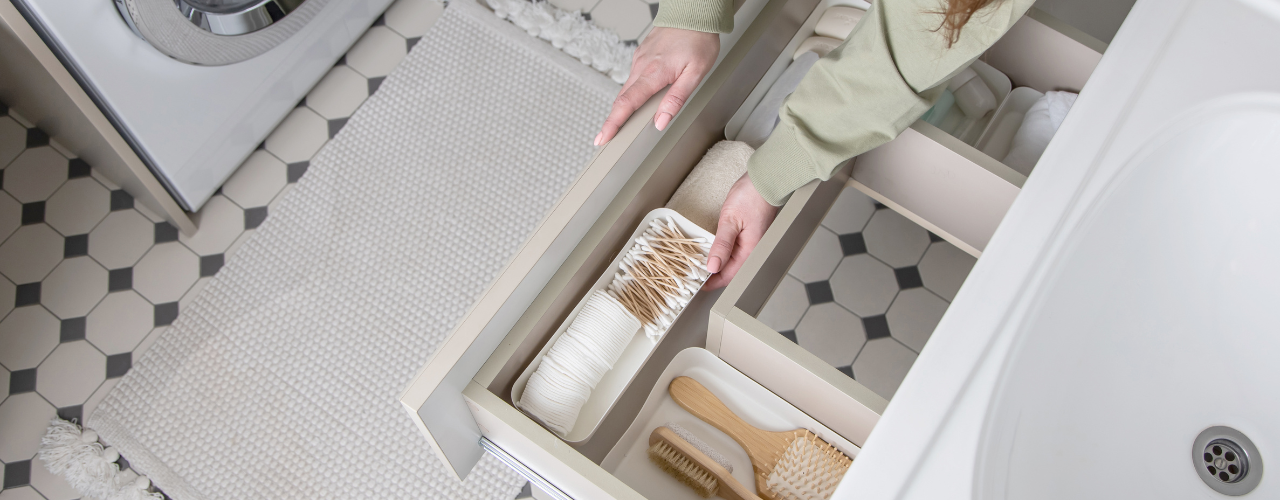
You already know why an organized bathroom is worth the effort, but let us remind you: it makes rushed mornings easier, keeps counters cleaner and just helps get you in the mood to go through your skincare routine like you should. Plus, in bigger households, it helps everyone find what they need. And you know how much a tidy bathroom counts for your self-esteem when a guest or a partner shows up. Luckily, you don’t need a degree to know how to organize your bathroom. The secret is keeping less, giving every item a home and making that home simple to use. Let’s go through some practical steps can help you create a bathroom that stays functional and nice to look at.

How to Use Silica Gel Packets for Storage
Moisture can cause significant damage to items in storage, leading to rust on tools, mold on clothing and warping in documents. Silica gel uses science to fix that. Often found in small packets inside product packaging, silica gel is a desiccant that absorbs moisture from the air, keeping your stored items dry and protected. This guide explains what silica gel is, how it works and how you can use it to preserve your belongings in self storage.