

If you are sorting through your closet and none of your friends and relatives need your clothes, you may be wondering where to donate clothes in Houston, TX. Luckily, the city offers plenty of convenient options for clothes donations, all rooted in a strong culture of community giving. Your simple gesture will keep wearable items in circulation, reduce waste, and may directly support someone’s health and dignity by providing weather-appropriate, clean clothing.
As for those items you’re still undecided on, you can find them a space away from home in one of the Houston’s many storage units. They’ll be there for you when you’re ready to use them or give them away.
1. Charity Clothing Pickup
Charity Clothing Pickup offers free, scheduled pickups from your home, so drivers can collect bags or boxes from your porch, driveway, or other ground-floor spot. They focus on usable items and welcome all types of clothing for men, women, and children in every season, along with many household goods. To make pickup efficient, pack items in sturdy bags or boxes, label them clearly, and place them where the driver can access them quickly and safely.
2. DonateStuff
DonateStuff gives you a simple, three-step way to donate clothes in Houston: you choose a partner charity, pick a pickup date, and place your donations outside before the driver arrives. The service supports a range of causes, including U.S. military veterans, youth mentorship programs, and animal rescue organizations. By scheduling a pickup, you keep usable clothing and small household items in circulation and support local and national nonprofits at the same time.
3. Fort Bend Women’s Center Pickup (via ThriftWise)
If you want your clothing donations to support survivors of domestic abuse, the Fort Bend Women’s Center is a strong choice. Through its ThriftWise resale stores and pop-up locations, it accepts clothing, linens, and other items that can be sold to fund counseling, housing, and related services. Depending on where you live, you may be able to schedule a pickup for larger donations, or you can drop off items at one of their stores in the Greater Houston area.
ThriftWise operates resale locations in Stafford and Richmond, plus pop-up shops and an online store that serve the broader Houston region. If your items are clean, in good condition, and suitable for resale, this is a good option when you are choosing where to donate clothes in Houston with a clear community benefit.
4. The Cottage Shop
The Cottage Shop in Montrose is a long-loved Houston resale boutique where every purchase and donation supports women and families working toward long-term stability. Owned and operated by The Women’s Home, it channels all proceeds into programs that help women rebuild their lives, while also serving as a vocational training site where clients learn retail, customer service, and workplace skills under professional supervision. The racks turn over quickly thanks to a steady flow of new and gently used pieces and a loyal local shopper base, so your items have a strong chance of being snapped up and turned into practical support for the community.
5. The Bluebird Circle
The Bluebird Circle is a long-standing Houston nonprofit that runs a resale shop to fund children’s and medical causes. It accepts a variety of donated goods, including clothing, accessories, and select home items, with an emphasis on pieces that can be sold in their well-organized shop. Many locals appreciate that proceeds support charitable work, making it a thoughtful choice for both everyday and higher-end wardrobe pieces.
6. Magpies & Peacocks
Magpies & Peacocks is a Houston-based nonprofit design house that transforms donated textiles into new fashion and design pieces while reducing waste. By collecting post-consumer clothing, fabric scraps, bolt ends, and other surplus materials, they keep textiles out of landfills and turn them into a resource for creativity and education.
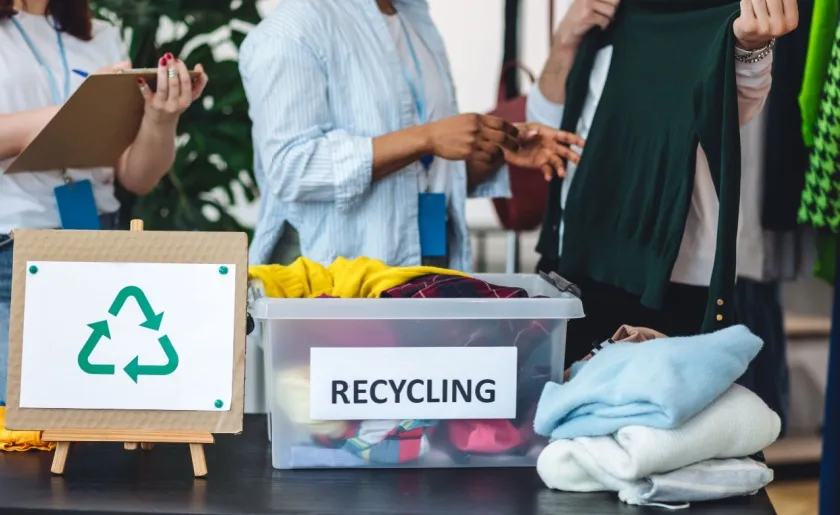
When you donate here, your unwanted clothing and fabric feed their resource library, which designers, artists, and students use to create small-batch, upcycled collections. The organization also runs workshops, skill-building programs, and sustainability education for schools, colleges, and the wider community, using each garment as a starting point for both training and innovation.
7. Facebook marketplace and local groups
If you like the idea of giving directly to neighbors, listing clothing as free on Facebook Marketplace can be very effective. You can create a quick post, set everything as porch pickup, and let nearby residents claim items they need. This approach works especially well for children’s clothes, seasonal wear, and bulk lots you want to pass on quickly.
8. Nextdoor and “buy nothing” communities
Nextdoor and local “Buy Nothing” groups are tailored to specific neighborhoods, so your clothing often goes to people who live just a few blocks away. You can post photos, list sizes, and invite residents to pick up items from your porch or lobby. This is a strong option if you want to meet very local needs and keep your donations within your immediate community.
How to prepare clothing donations
Before you donate clothes in Houston, wash or dry clean everything so items are fresh and ready to be worn. Check pockets, remove lint and pet hair, and look over each piece for broken zippers, missing buttons, or large stains. Most organizations focus on wearable, seasonally appropriate clothing that can go straight to racks or recipients, so a few extra minutes of prep makes a big difference.
Next, pack clothing in sturdy bags or boxes that can be lifted and stacked without tearing. It’s also good to label containers by category — such as “Women’s Medium,” “Kids 4T,” or “Winter Coats” — to make sorting faster for staff and volunteers. For pickup services, place your donations in a visible, agreed-upon location (porch, driveway, or lobby) ahead of time so drivers can collect them quickly and safely.
Self storage for clothes in Houston
You should donate your clothes when the timing feels right, and self storage can help you bridge the gap until you are ready. In a city where many renters share limited wardrobe space, using a unit as a staging area lets you sort and box up clothing at your own pace, then pull together focused donations. As for those items you only use in the winter or summertime, you can also store them in the same unit and save space at home. This seasonal aspect makes self storage a great solution for thrift shops, too. And after all, Houston is one of the best places for thrifting.
How do you make the most of this service? First, make sure you use a storage unit size guide and calculator to figure out roughly how much space you need. Then, start comparing prices using self storage websites, especially those platforms that let you filter options by your preferred size and price range. That’s basically how you find cheap storage online.
As it happens, Clutch City lets you seize upon some great storage unit deals. In fact, a typical storage unit in Houston is around $118 per month, which is lower than the national average. Moreover, a compact 5×10 storage unit (about the size of a closet) might be closer to $58 for a standard unit or $71 for a climate-controlled option (better for long-term storage, to avoid damage from heat, humidity or mildew). Of course, it depends a lot on the neighborhood. For instance, you can find a storage unit in Copper Grove for about $80, while a unit in Greater Heights can run you upwards of $200.
Choosing the best option for your closet
When you are deciding where to donate clothes in Houston, start with your goals and the type of items you have. Free pickup services are ideal for large batches and busy schedules, charity thrift stores shine when you want to support specific causes, and resale or consignment shops help you unlock extra value from modern or designer pieces.
When you can, start by offering good-quality pieces straight to people in your community, then lean on Houston’s network of pickup services and thrift shops to make sure the rest finds its way to a useful new home.



Moving From a House to an Apartment: What to Expect, How to Downsize & How Self Storage Helps
For some, moving from a house to an apartment is a financial decision. For others, it’s about simplifying life. Maybe the kids have moved out and half the house sits empty, or you’re approaching retirement and no longer want to spend weekends on repairs. Or perhaps you’ve been weighing the cost of buying a home and wondering whether renting simply makes more sense right now.
Family Heirlooms Overload: How to Handle Family Inheritance Without Regret
Handling family heirlooms after a loss requires managing legal authority, emotional pressure and practical logistics at the same time, and the order you take them on matters more than most people expect.
Blanket Storage: The Right Method for Every Space and Season
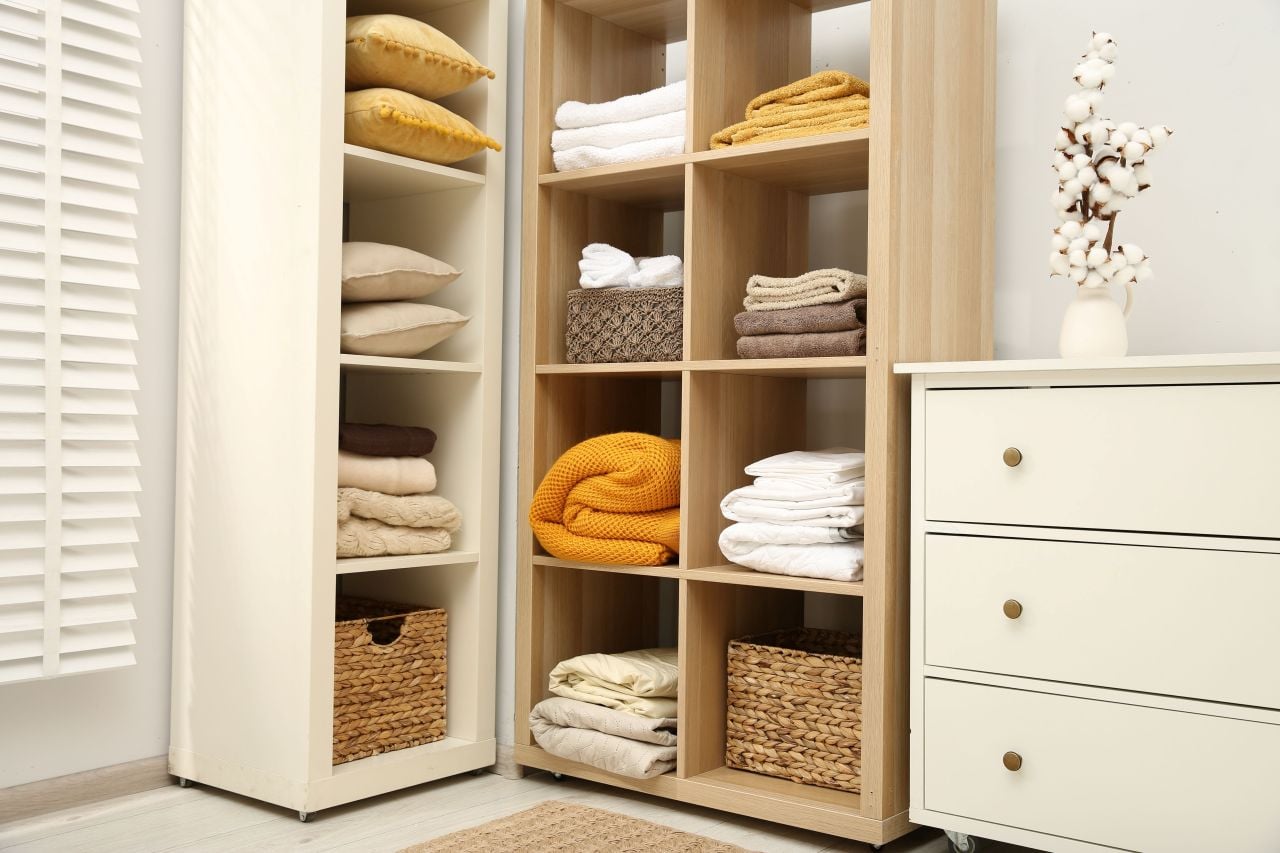
Blankets make our lives cozier, and storing them well is what keeps them soft and comfortable in the long run. Knowing how to store a blanket properly means your favorites come out of storage smelling fresh, feeling the same as when they went in, and lasting years longer than they otherwise would.

Board Game Storage Ideas That Keep Your Collection in Fighting Shape
Nobody warns you that getting into board games usually unlocks a second hobby, the much dreaded one that includes figuring out where on earth to put them. One game becomes a few, expansions start spawning beside their base boxes and before long, board game storage requires as much strategy as whatever is waiting on the other side of those lids.

Storage Locker vs. Storage Unit: What’s the Difference?
A locker and a unit may sound like two names for the same four walls and a lock, and depending on the storage facility, you may even see the terms used that way. However, once you start comparing available spaces, storage lockers tend to occupy the smaller end of the spectrum, while storage units(opens in new tab) give you considerably more room to work with.

Storage Ideas for Small Spaces: 9 Ways to Max Out Your Home
A messy home contains the seeds of its organization. Those seeds are everywhere: the space above doors, under beds, behind sofas and inside furniture can all become storage. Here are the best storage ideas for small spaces, so you can make the most of your cozy home.

Best U.S. Cities to Live Uncluttered: Plano, TX, Offers the Most Room to Breathe
Clutter is in our homes as much as in our heads. Both are shaped by where we live.
How to Organize Your Bathroom: 8 Ways to Stay Tidy
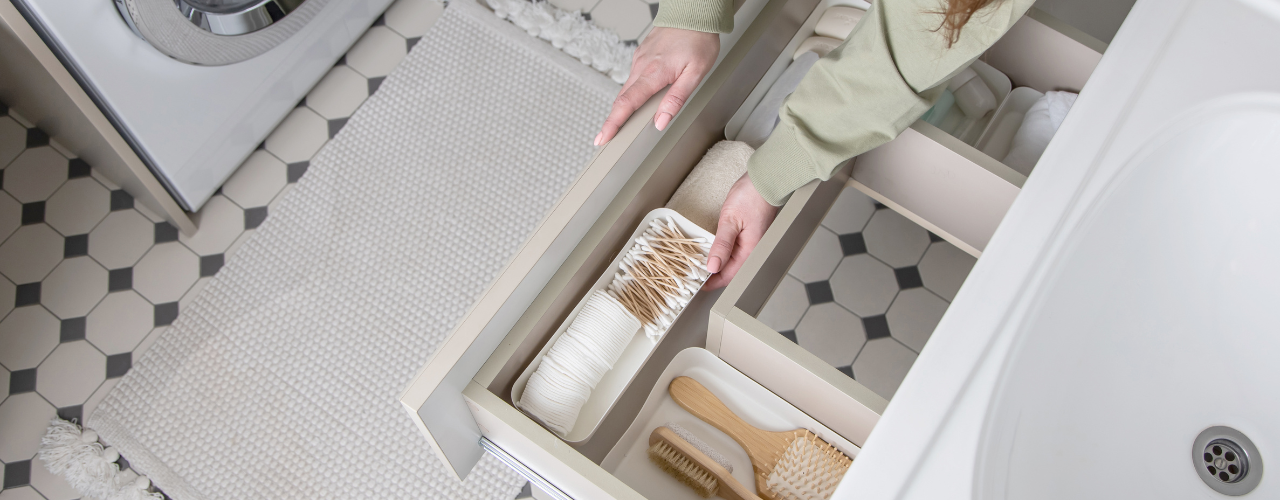
You already know why an organized bathroom is worth the effort, but let us remind you: it makes rushed mornings easier, keeps counters cleaner and just helps get you in the mood to go through your skincare routine like you should. Plus, in bigger households, it helps everyone find what they need. And you know how much a tidy bathroom counts for your self-esteem when a guest or a partner shows up. Luckily, you don’t need a degree to know how to organize your bathroom. The secret is keeping less, giving every item a home and making that home simple to use. Let’s go through some practical steps can help you create a bathroom that stays functional and nice to look at.

How to Use Silica Gel Packets for Storage
Moisture can cause significant damage to items in storage, leading to rust on tools, mold on clothing and warping in documents. Silica gel uses science to fix that. Often found in small packets inside product packaging, silica gel is a desiccant that absorbs moisture from the air, keeping your stored items dry and protected. This guide explains what silica gel is, how it works and how you can use it to preserve your belongings in self storage.