

When you start looking for a self storage unit to rent, one thing becomes clear very quickly: self storage discounts are a standard part of the industry. From introductory specials to military savings and online-only rates, operators frequently offer promotions designed to make renting a unit more affordable and flexible.
That’s not accidental. Self storage operators compete in dynamic markets and use discounts strategically to help customers move in quickly, test a unit size or manage short-term needs during a move or renovation.
We browsed the most common types of self storage discounts and how they typically work to help you figure out which one fits your situation best.
1. “First month free” self storage discounts
The “first month free” promotion remains one of the most widely used self storage discounts.
This offer eliminates the base rent for your first billing cycle, lowering your upfront costs at move-in. For customers who need storage during a move, a home renovation, or a temporary transition, it can provide immediate financial breathing room.
In most cases, the free month applies to rent only. Administrative fees, locks or tenant insurance may still apply. After the promotional period ends, the unit reverts to the standard monthly rate.
This type of self storage discount works particularly well for short-term storage needs or for customers who want to secure a unit quickly without a heavy first payment. If you only need storage for two or three months, a free first month can save you a third or even half of the total cost.
2. “50% off” introductory discounts
Another common form of self storage discount is 50% off the first month, or sometimes the first two or three months.
Instead of concentrating all the savings in a single billing cycle, this structure spreads the discount over a slightly longer introductory period. For renters planning to stay several months, this can sometimes offer better overall value than a single free month.
As with most promotions, these discounts are typically reserved for new customers and may apply only to specific unit sizes or availability tiers.
If you’re planning to rent long-term, make sure you also factor in the regular monthly rate. A strong introductory offer won’t offset a higher ongoing rate over many months, so calculating the total estimated annual cost before committing is worth the extra step.
3. “$1 first month” promotions
The $1 first month special is another variation of introductory self storage discounts. Rather than advertising a free month, the operator charges a nominal amount while promoting an extremely low entry cost.
Functionally, it works similarly to the free-month model. The savings apply to the first billing cycle, and standard rates follow afterward.
This promotion is designed to make move-in as accessible as possible, especially for customers who need storage quickly and want to minimize upfront expenses.
4. Military self storage discounts
Military discounts are among the most consistent and ongoing self storage discounts offered across the industry.
These typically provide a modest percentage reduction on monthly rent and are often available year-round rather than limited to a seasonal promotion. Some operators allow these discounts to combine with introductory offers, while others apply them independently.
For service members and veterans, this type of self storage discount can provide predictable, longer-term savings rather than just a short-term incentive. Facilities near military bases commonly offer these rates, but the discount is not limited to those locations. Military discounts often extend to veterans as well, so it’s worth asking at the facility about the specific terms.
5. Student self storage discounts
In markets with strong college populations, student self storage discounts are pretty common. These promotions often align with academic calendars and are designed to accommodate summer breaks, semester transitions or temporary housing gaps. They may take the form of reduced first-month rates, short-term incentives or percentage-based reductions.
Because student demand tends to be seasonal, operators structure these discounts to make short stays practical and affordable.
6. Online-only and web rate discounts
Many self storage operators offer online-only pricing to encourage customers to reserve units digitally. These discounts may include lower web rates, waived administrative fees, or pricing available exclusively through online reservations.
Since operators manage pricing dynamically, reserving online often gives you access to the most competitive rate available at that moment. When comparing options, it’s worth checking digital pricing before visiting in person or before calling the facility directly.
7. Long-term and prepay self storage discounts
While introductory specials are the most visible, some operators offer incentives for longer commitments.
These may include reduced rates for prepaying several months in advance or structured savings tied to multi-month agreements. For customers who know they will need storage long term, this type of self storage discount can lower the overall cost over time.
The trade-off is reduced flexibility, so it makes sense only when your timeline is clear. Also, these types of discounts tend to be rarer, so you might have to dig around a bit to find facilities offering them.
How to get the best self storage deals for your needs
Self storage discounts are designed to make renting more accessible, but the right promotion depends entirely on how long you plan to keep the unit.
If you only need storage for a month or two — during a move, for example — a first month free or $1 move-in special can significantly reduce your upfront cost. In that case, the introductory discount does most of the work.
If you expect to store for six months or longer, the equation changes. A dramatic first-month offer won’t matter as much as the standard monthly rate that follows. For example, saving $150 in month one won’t offset a higher base rate over the next eight months. For longer stays, a 50% discount for several months, or simply a lower ongoing rate, may deliver better overall value.
It also helps to think about flexibility. If your timeline is uncertain, an introductory special with no long-term commitment may be safer than a prepay discount that locks you in.
When comparing facilities, StorageCafe lets you filter by location, unit size, price, and amenities, making it easier to put the promotional rate and the regular monthly rate side by side before you decide.
Ultimately, the key is matching the structure of the discount to your timeline. When you look at the total cost over the period you actually plan to store and not just the promotional headline, self storage discounts become much easier to evaluate and use to your advantage.
FAQ: Self storage discounts
What is the most common self storage discount?
“First month free” and “50% off” introductory promotions are the most widely used. Both lower upfront move-in costs and help customers secure units quickly.
Are self storage discounts only for new customers?
In most cases, introductory discounts apply to new renters. However, military, student and loyalty-based discounts may be available beyond the initial move-in period, depending on the operator.
Do self storage discounts apply to all unit sizes?
Not always. Many promotions are tied to specific unit sizes, availability tiers or locations. For example, it’s common for larger or climate-controlled units to have different promotional structures.
Are online self storage discounts better than in-person rates?
Often, yes. Many operators provide web-only pricing or online-exclusive specials. Reserving digitally can give you access to the most competitive advertised rate.
Do storage facilities raise rates after a promotional period?
After an introductory discount ends, units typically revert to the standard market rate. That’s why it’s important to understand both the promotional rate and the regular monthly cost before committing.
—————————————–
Self storage discounts are a normal and positive part of how the industry operates. They allow operators to remain competitive while giving customers flexible entry points based on their needs. Whether you’re storing for a month or a year, understanding how each type of discount works helps you choose confidently and ensures that the savings align with your timeline.



What to Know Before Starting a Self Storage Business in 2027
If you’re wondering how to start a self storage business, two questions come first: Does your area need more storage, and what would it take to run the business? Before you commit to a property, it helps to understand local demand, the costs involved and the day-to-day work of serving renters.

How to Organize Your Garage: A Step-by-Step Guide
A messy garage is often the product of plain, human indecision. And no, buying more bins isn’t the end-all decision to fix a cluttered garage. Luckily, the steps you need to take are not that complicated. Decide what your garage is for, empty it, sort and measure and buy storage last. Here’s how to make informed decisions along the way, so your garage stays organized for the long term.

Should You Vacuum Seal Clothes? Everything You Actually Need to Know
Vacuum storage bags seem like the perfect solution when storage space is an issue: suck out the air, shrink that pile of winter sweaters into a fraction of the space and suddenly your closet is no longer overflowing. For the right types of clothes or other household linens, vacuum bags are actually quite handy and a great way to save closet space.

ATV Storage Guide: How To Store and Winterize Your ATV
The riding season is winding down, and that’s when most people start thinking about ATV storage. Keeping an ATV at home isn’t always easy. Garages fill up fast, sheds are rarely built for a four-wheeler and some apartment complexes and homeowners associations don’t allow one in the parking lot or driveway.
21 Garage Storage Ideas: Free Up Your Floor Space
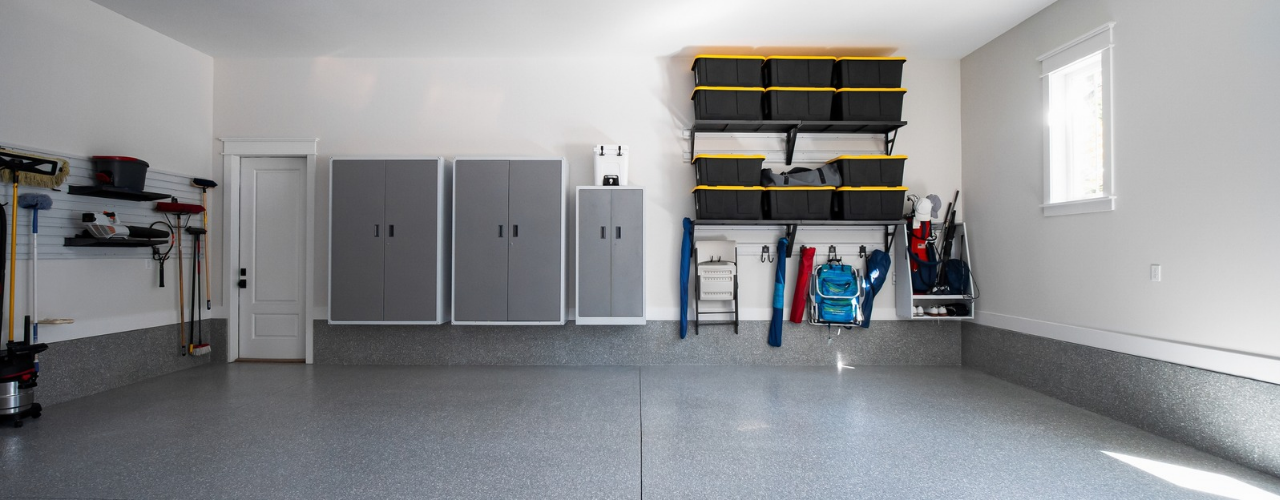
Garage storage is more important than it sounds, because it helps you move things off the floor and onto walls, ceilings and rolling units. In time, this makes a big difference and saves you from awkwardly tiptoeing around stuff you’ve left on the ground. Use the garage storage ideas below and you’ll build a setup that fits what you own, how often you use it and how much space you have.

How to Move a Piano: Moving, Insurance & Storage Guide
Before we get into the nitty-gritty of the matter, let’s agree on the simple fact that, unlike other types of relocation conundrums, moving a piano is just a very cool thing to see, let alone accomplish. The labor that makes piano concerts possible and keeps legendary instruments alive, a piano relocation takes meticulous planning, special equipment and a crew that really knows their stuff. That is, unless you’re set on recreating the piano crash of a classic Looney Toons gag.

Hall Closet Organization: 30 Ideas for Simpler Storage
Be it built-in, freestanding, or wholly improvised, your hall closet works best when you can grab anything quickly and put it back just as fast. These 30 ideas for organizing your hall closet walk you through planning, deciding where things go, choosing the right containers and way more. By the end, you’ll even know what to do when your closet still runs out of room.

Holiday Decoration Storage: A Guide for Every Season
Taking down the holiday decorations is never as exciting as putting them up. One minute, your home is looking wonderfully festive, and the next, you’re trying to remember which box the Christmas ornaments came in while wrestling with a string of lights that managed to tie itself into a dozen knots. With every holiday bringing its own collection of decorations, a good holiday decoration storage system helps you keep a growing collection under control.

Where to Get Moving Boxes in Philadelphia
Philadelphia’s historic charm can put your patience to the test on moving day. Between cobblestone streets, narrow rowhouse entrances and the occasional pothole, you don’t want to worry about not having enough boxes on top of it all. Start gathering your moving boxes early and you’ll have one less box to check off on packing day. Luckily, you have plenty of places to get your boxes from.