

Key Takeaways
- Rinse and dry all gear thoroughly after every dive to prevent corrosion, mold, and material breakdown.
- Store gear in a cool, dry, dark, and well-ventilated space to avoid UV damage, heat degradation, and moisture buildup.
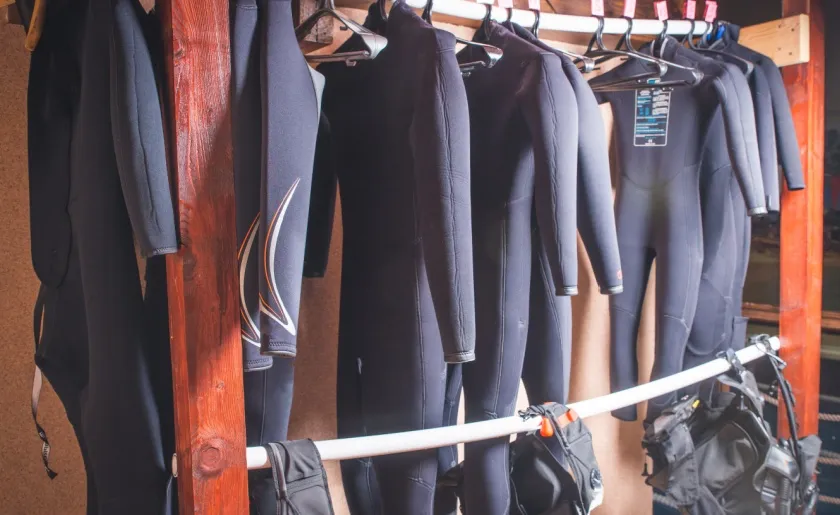
- Hang or lay gear flat and never fold wetsuits, drysuits or BCDs, to prevent permanent creases or damage.
- Use modular storage solutions (pegboards, racks, clear bins) to keep gear organized, accessible, and protected.
- Service gear regularly (regulators, tanks, BCDs) to maintain performance and warranty validity.
The best way to store scuba gear is in a cool, dry, shaded space where equipment can hang or lie flat without compression. Salt residue, moisture, heat and UV exposure are the main causes of premature breakdown in neoprene, rubber and metal components. Rinsing thoroughly after every dive and allowing everything to dry completely before storage prevents most long-term damage.
Scuba gear isn’t cheap, and a few simple habits make a significant difference in how long it lasts, whether you have a dedicated gear room, a closet in a small apartment or you need to rent a self storage unit.
Clean and dry before you store anything
As with most sports’ equipment, scuba storage starts with cleaning. After every dive (be it saltwater, chlorinated pool, or freshwater), rinse all gear thoroughly inside and out with fresh water. Check the science if you need convincing: salt and chemicals cause discoloration, corrosion, and material breakdown if left to sit.
Pay special attention to:
- Regulators: Rinse the first stage (keep the dust cap on), and flush water through the second-stage mouthpiece and exhaust valve. Never press the purge button when the regulator isn’t pressurized.
- BCDs: Rinse the inside of the bladder, not just the outside. Add fresh water through the inflator hose, inflate, shake, then drain through the dump valves, because trapped saltwater rots the air cell.
- Wetsuits and drysuits: Rinse inside and out. Use a mild wetsuit shampoo to kill odor when needed.
- Clips, snaps, and valves: Work moving parts while rinsing to flush out grit.
- Dive computers: Rinse the water-activated contacts, especially after saltwater.
Once rinsed, air-dry everything completely in a shaded, well-ventilated area. Make sure to never store gear wet or damp: that’s how mold and mildew start.
Where to store scuba gear
The ideal storage spot is cool, dry, dark, and well-ventilated with a steady temperature. Direct sunlight degrades neoprene and rubber, and heat accelerates the breakdown.
For long-term storage, avoid garages and attics when you can, as they swing between temperature extremes and expose gear to dust, mildew, and chemical or gasoline fumes. If a garage is your only option (common in warm climates), keep gear off the floor and away from fumes, ideally in a sealed cabinet or covered rack.
Divers consistently recommend modular, expandable setups so storage keeps pace as your kit grows:
- IKEA Jonaxel is popular for organizing gear in tight spaces. With a typical setup you can hang the BCD, wetsuit, and regulators up top with drawers or use wire baskets below for accessories, save-a-dive kits, and small items. Stackable, expandable units are also great if you want to add capacity over time.
- Rolling garment racks (with a hanging bar for suits and BCDs, hooks for reg sets, and shelves for fins and weights) work well in garages and roll out to the truck for loading.
- Clear plastic bins and totes are inexpensive, see-through, and have handles for carrying. Use one for wet gear in the car and another as a rinse bucket if you don’t have a hose.
- Ziplock bags keep small items sorted by function — bungees in one, clips and double-enders in another — and protect regulators during long-term storage.
- Mesh dive bags are for small items (boots, mask, defog, snorkel) so you grab one bag on dive day instead of a dozen loose pieces, and they breathe so damp gear can dry.
Also, you can keep humidity low by running a dehumidifier in your storage room, which protects everything stored there from temperature swings.
When to consider a self storage unit
For many divers, home simply isn’t the right place to store a full kit, especially for the off-season, multiple gear sets, or bulky items like tanks and drysuits. If your only options at home are a hot garage, a damp basement, or a closet that’s already overflowing, a self storage unit can be the better choice.
The same rules apply that make storage work anywhere: cool, dry, dark, and stable. A climate-controlled self storage unit checks all of those boxes. It holds a steady temperature year-round, keeps humidity in check, and stays out of direct sunlight — exactly the conditions that protect neoprene, rubber, and metal from the temperature swings and moisture that quietly destroy gear at home.
A self storage unit is worth considering if you:
- Dive seasonally and need somewhere to stash gear for months at a time
- Own multiple sets (recreational, technical, sidemount) that won’t fit at home
- Store tanks and want them upright, secured, and off concrete in a stable space
- Lack a garage, spare room, or closet with the right conditions
There are plenty of organization hacks you can pull inside the unit: add shelving or a rolling rack, hang suits and BCDs on wide hangers, keep regulators and computers in cases and use clear bins and mesh bags to stay organized. A small 5’x5’ unit is usually enough for a complete kit, and you can scale up as the sport — and your gear collection — grows.
How to store each piece of gear
First of all, go vertical: walls and doors are your best friends, especially in small spaces. Get a cheap hook, screw it into a closet door, let it hold your wetsuit and gear bag, then shut the door and that’s it. Hanging a wetsuit also prevents the creases that form in folded neoprene and lets it finish drying.
If you have a garage or spare room, you can scale up with pegboards, rails, and hooks for masks, regulators, fins, and more. You can even try a hanger-fan combo to speed up drying for thick suits and drysuits.
Now, let’s take it item by item
Masks and fins: Store masks in their original box or wrapped in cloth to protect the lens and keep the skirt’s shape. Lay fins flat or support them — never stand them on the tips, which distorts them. Reinsert foot-pocket inserts if you have them.
Wetsuits: Hang on a wide or dedicated wetsuit hanger, or lay flat stuffed with rolled towels. Never fold for long-term storage — folding creates permanent creases in the neoprene.
Drysuits: Hang on a thick hanger or store loosely rolled with the zipper undone (avoid sharp folds that snap the zip). Dust latex seals with unscented talc to keep them from sticking and degrading — skip scented or baby powder, which can contain seal-damaging petroleum.
BCDs: Hang partially inflated so the bladder walls don’t stick together. A light coat of silicone spray protects rubber and silicone parts during long storage.
Regulators and gauges: Store in a padded reg bag or sealed plastic bag with hoses loosely coiled. Never store a regulator connected to the cylinder valve.
Dive computers: Use a hard case to prevent crushing and scratching, check the manufacturer’s guidance on whether to remove batteries, and test batteries before your next dive.
Dive knives: Lubricate lightly and store in a dry sheath.
Lights and strobes: Remove alkaline batteries for long-term storage (they leak) and fully charge rechargeables before storing. Finally, clean and lubricate O-rings each time you open the housing.
Cylinders: Store upright in a cool, dry place, secured so they can’t tip, keep them off bare concrete and other moisture-holding surfaces, and leave a slight positive pressure (around 300 psi) inside to prevent internal moisture and corrosion.
Protect gear when transporting and stacking
It’s important to treat delicate items — regulators, computers, masks — carefully by keeping them in protective cases or bags in transit. When loading or stacking, put heavy items like cylinders on the bottom and lighter, more fragile gear on top. On dives, make sure to secure loose hoses, SPGs, and alternate air sources with clips, retractors, or bungees so they don’t scuff your gear or damage marine life.
Don’t skip servicing
Like it or not, storage care goes hand in hand with maintenance. Regulators, BCDs, and tanks need periodic professional servicing — many manufacturers require annual service to keep warranties valid. Servicing before long-term storage removes internal contaminants before they form hard deposits. Tanks also need a visual inspection every year and a hydrostatic test every five years, regardless of how often you dive. That’s just the price of getting to have one of the coolest hobbies around.
FAQ
Where should I store my scuba gear?
In a cool, dry, dark, well-ventilated spot with a steady temperature, out of direct sunlight. Avoid garages and attics when possible — temperature swings, dust, and fumes damage gear.
Should I rinse my gear after every dive?
Yes. Rinse everything inside and out with fresh water after every dive — saltwater, pool, or freshwater — then dry completely before storing.
Can I fold my wetsuit for storage?
No. Folding creates permanent creases in the neoprene. Hang it on a wide hanger or lay it flat.
How do I store a regulator long-term?
In a padded or sealed bag with hoses loosely coiled. Keep the dust cap on the first stage, and never store it connected to the tank.
Should a BCD be stored inflated or deflated?
Partially inflated and hung, so the bladder walls don’t stick together.
How should I store scuba tanks?
Upright, secured so they can’t tip, off bare concrete, with a slight positive pressure (around 300 psi) inside to prevent internal corrosion.
What about dive computers and lights?
Store computers in a hard case. For lights, remove alkaline batteries (they leak) and fully charge rechargeables before storage.
How do I store gear in a small space?
Use vertical space — door hooks, pegboards, and modular units like IKEA Jonaxel or Kallax. Mesh bags and clear bins keep small items organized and expandable as your kit grows.
Do I need to service gear before storing it?
For long-term storage, yes — servicing removes internal contaminants. Tanks need a visual inspection yearly and a hydrostatic test every five years.
Storing scuba gear well comes down to a simple routine: rinse it, dry it completely, and keep it cool, dark, and out of the sun. Hang suits and BCDs instead of folding them, store delicate gear in cases, keep tanks upright with slight pressure, and use modular systems you can expand as your kit grows. Take care of your gear, and it will take care of you on every dive.



Living Room Storage Ideas: 28 Ways to Reclaim Your Hosting Space
If a living room is where most of a household’s living happens, good storage should be the top priority for setting up or revamping the place. After all, think of how easier it would be to have people over when tidying up the place is just a matter of putting things in their right place (in a time when fewer and fewer people are entertaining friends at home(opens in new tab)). The trick is making room for all those wayward clothes, blankets, chargers and other small things that end up on (or, inexplicably, in) the sofa. Here are 28 living room storage ideas to get you started and make tidying up a quick affair.

25 Mudroom Storage Ideas (And Mistakes to Avoid)
When you come home with muddy boots, an armful of bags and a coat you can’t wait to take off, it’s nice to have somewhere to put it all. With a mudroom, you can leave the outdoor mess at the door instead of carrying it through the house. Traditionally, you’d set aside a separate room, but you can just as easily use a hallway, an entryway closet, a laundry-room corner or a stretch of wall near the entrance.

Is Your Home Office Worth the Rent? What Coworking and Self Storage Could Save You
Every square foot of your apartment comes with a price tag, and a home office claims more of them than most renters expect. It starts with a desk. Then come the second monitor, the printer, the filing cabinet and the overflow boxes. Before long, the corner you set aside for work has turned into a small room you are paying for every month.

Best U.S. Cities to Live Uncluttered: Plano, TX, Offers the Most Room to Breathe
Clutter is in our homes as much as in our heads. Both are shaped by where we live.

America’s Top Snowbird Destinations for 2026–2027: Florida Leads in Numbers, Texas Wins on Value
For Americans living in colder states, the approach of winter is reason enough to start looking south. Cold weather carries costs that go beyond the heating bill and shoveling snow. Seasonal affective disorder(opens in new tab) is far more prevalent in northern states, so a temporary move south isn’t simply an escape from the cold, but a chance to spend the hardest stretch of winter outdoors and in the sun.

How Much Does Halloween Really Cost in 2026? Plan Wisely to Avoid the Scare of Hidden Costs
Americans’ love for Halloween is almost frightening — this year alone, we are on our way to spending $13.5 billion, according to data from the National Retail Federation(opens in new tab). That breaks down to about $115 Halloween costs per person, a whopping 49% more than 10 years ago.
How to Store LEGOs: All the Fun, None of the Clutter
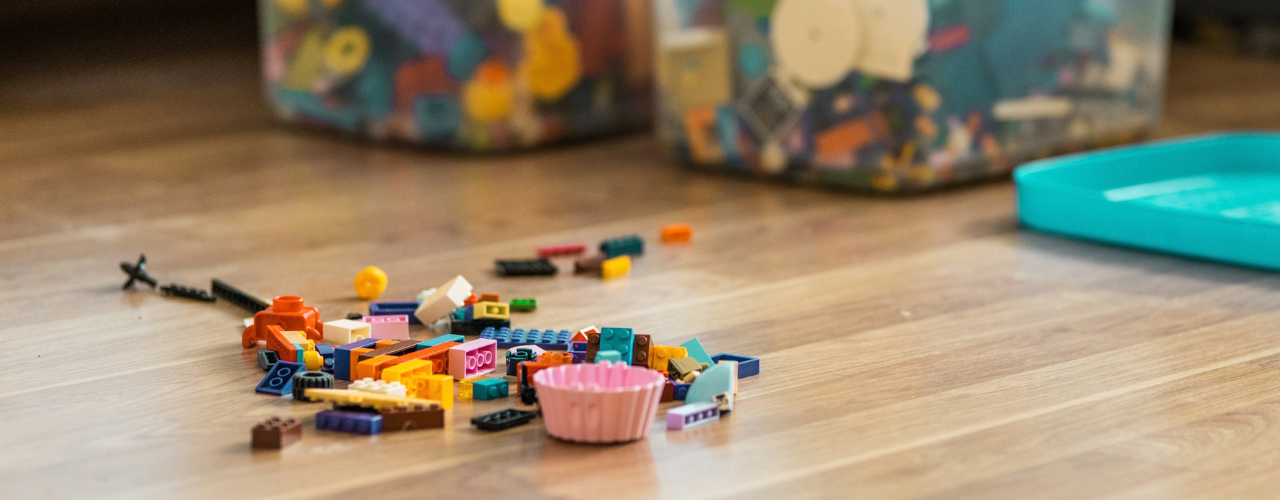
How to store LEGOs largely comes down to how your household uses them. If the bricks are part of everyday play, you need a setup that keeps them within easy reach and makes cleanup quick (for your feet’s sake, at least). Toy storage(opens in new tab) such as simple bins, playmats or containers that children can put away themselves may be enough. Larger or more serious collections usually need more organization, such as labelled drawers for loose pieces, trays for unfinished builds, shelves for completed models and separate storage for retired sets.

Cardboard Costume Guide: Tips and Ideas for a DIY Halloween
Whether for kids or adults, cardboard costume ideas often make the biggest splash once materialized, and that’s for a simple reason: doing a lot with a little is a universally impressive feat (especially in this economy). If you don’t have enough boxes you could temporarily repurpose, don’t worry! There are many places where you can find free moving boxes(opens in new tab), from stores and supermarkets to online groups and recycling drop-off spots. On the run? Try your luck at a self storage(opens in new tab) facility that sells moving supplies, often for cheap. This way, you can choose moving boxes of different shapes and sizes(opens in new tab), so you can make your costumes as complex as you want.

How to Celebrate Halloween: 9 Non-Spooky Ways To Enjoy It
As soon as October starts, it’s the official Halloween month. And while for many people it means it’s open season to get the scare of a lifetime, others, especially families with small children, might prefer to celebrate in a tamer way that’s both kid- and adult-friendly. While you’re likely to find more events where the spook factor is high, here’s how to celebrate Halloween in a not-so-scary way: