

Renting a storage unit usually begins with a practical need. You may be preparing for a move, clearing space at home, renovating, downsizing or simply trying to bring more order into a crowded living situation. In many cases, the first instinct is to consider renting immediately.
But before filtering listings, it helps to understand the basics. What size unit makes sense? Do you actually need climate control? How should you pack your belongings so they stay protected?
That’s where the StorageCafe Storage Resource Center comes in. The page is designed as a starting point, a place to understand how self storage works before committing to a self storage unit. Our page doesn’t overwhelm you with technical details but, instead, it walks through the key decisions renters face and explains why they matter.
Here’s how it’s structured and how it helps you make a better-informed decision.
Storage costs and unit sizes explained
Right from the start, the focus is on how much self storage costs and on unit sizes. These are often the biggest sources of uncertainty for renters. Costs vary significantly depending on location and amenities, so our new Resource Center directs you immediately to a page where you can find all the details on that topic.
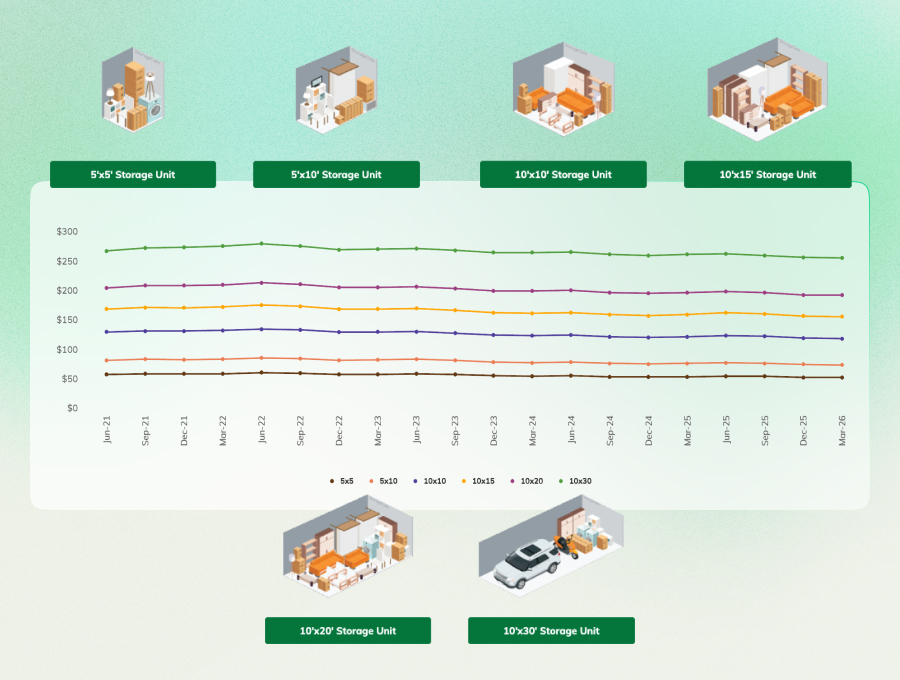
Understanding unit sizes is another common difficulty people face when renting self storage. Most people have a rough idea of what they want to store, but translating that into square footage is not intuitive. A 5×5 unit sounds small, but it can hold more than expected. A 10×10 unit might sound sufficient, but depending on furniture and layout, it can fill quickly.
The Resource Center explains common unit dimensions shortly and in practical terms, connecting that information to real-world examples, such as storing a few seasonal boxes or larger household furniture. It also directs you to a detailed storage unit sizes guide and to the unit size calculator for a more tailored estimate. Spending a few minutes understanding size before renting can prevent the inconvenience of selecting a unit that feels cramped or paying for more space than you actually need.
Types of storage and when to choose each
Self storage is not a one-size-fits-all service. Standard units, climate-controlled spaces or vehicle storage all serve different purposes. Understanding those differences before beginning your search makes the filtering process far more efficient.
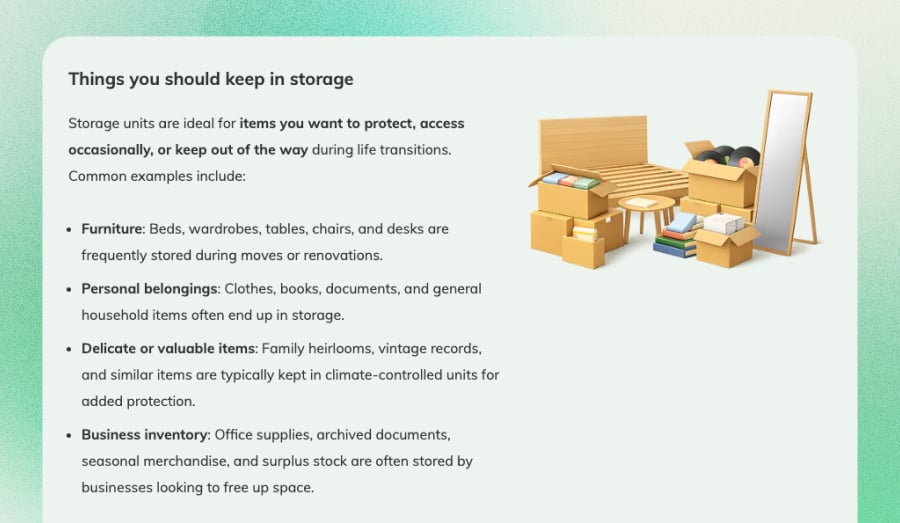
For example, climate control may be worth considering if you are storing wood furniture, electronics or documents in areas with high humidity or significant temperature swings. Vehicle storage involves different considerations entirely.
The different life scenarios when self storage becomes important are also visited in our Resource Center. Storage needs look different depending on whether you are moving between apartments, renovating a home, managing seasonal items or decluttering long-term. Each situation carries different priorities around timing, accessibility and duration.
By outlining all these distinctions clearly, Storage Cafe’s Resource Center helps you narrow your options based on your actual circumstances instead of relying on guesswork.
Learn how to prepare items for storage
Choosing the right unit is only part of the process. How you prepare your belongings — and even what you decide to store in the first place — can have just as much impact on the outcome.
The Resource Center walks through the fundamentals renters often overlook. It explains not only how to pack and organize items properly, but also which types of belongings are appropriate for storage and which are not. Many first-time renters are surprised to learn that certain materials, perishable goods or sensitive items require special handling or should not be stored at all.
Finding all these details upfront helps prevent avoidable damage, safety issues or policy violations. It also gives renters confidence that they’re making informed decisions rather than guessing. For anyone new to self storage, learning what to store, what to avoid and how to prepare items correctly can make the entire experience smoother and far more predictable.
Why starting here matters
The StorageCafe Storage Resource Center is not meant to replace the search experience or provide exhaustive technical detail. Its purpose is to give renters orientation before they begin comparing listings.
Understanding unit sizes, storage types, amenities and preparation basics upfront allows you to interpret pricing more accurately and filter results more effectively. It reduces uncertainty and lowers the risk of avoidable mistakes.
If you’re planning to rent a storage unit, starting with a clear understanding of how storage works makes the next steps much easier. The Resource Center provides that foundation, so when you begin your search, you’re making decisions based on information rather than assumptions.
FAQs
Do I need to use the Resource Center before searching for storage?
Spending a few minutes reviewing the information can help you make more informed decisions. Understanding storage sizes, amenities and pricing upfront often makes it easier to compare facilities and find the right unit faster.
What should I do after using the Resource Center?
Once you have a better understanding of your storage needs, you can move directly into the StorageCafe search experience to compare facilities, evaluate amenities and find available storage units in your area.
What’s the biggest mistake first-time storage renters make?
Many people focus on finding the lowest price without first understanding what they actually need. Choosing the wrong unit size or skipping an important amenity can end up costing more than spending a few minutes researching your options upfront.
How do I know whether self storage is actually the right solution for me?
Not every space problem requires a storage unit. Sometimes decluttering, reorganizing or downsizing belongings can solve the issue. The Resource Center helps you think through your situation before committing to a rental.
How much planning should I do before searching for storage?
More than most people think. Having a rough inventory of what you’re storing, how long you’ll need storage and how often you’ll need access can make the search process much easier and help you narrow your options quickly.
I’m storing something unusual. Can the Resource Center still help?
In many cases, yes. Whether you’re storing a vehicle, business inventory, seasonal items or sensitive belongings, the Resource Center can point you toward the relevant guides and tools so you can better understand your options before renting.
What if I still have questions after using the Resource Center?
The Resource Center is designed to help you get oriented, but every storage situation is different. Once you’ve narrowed your options, reviewing facility details and speaking directly with the operator can help answer any location-specific questions.


25 Mudroom Storage Ideas (And Mistakes to Avoid)
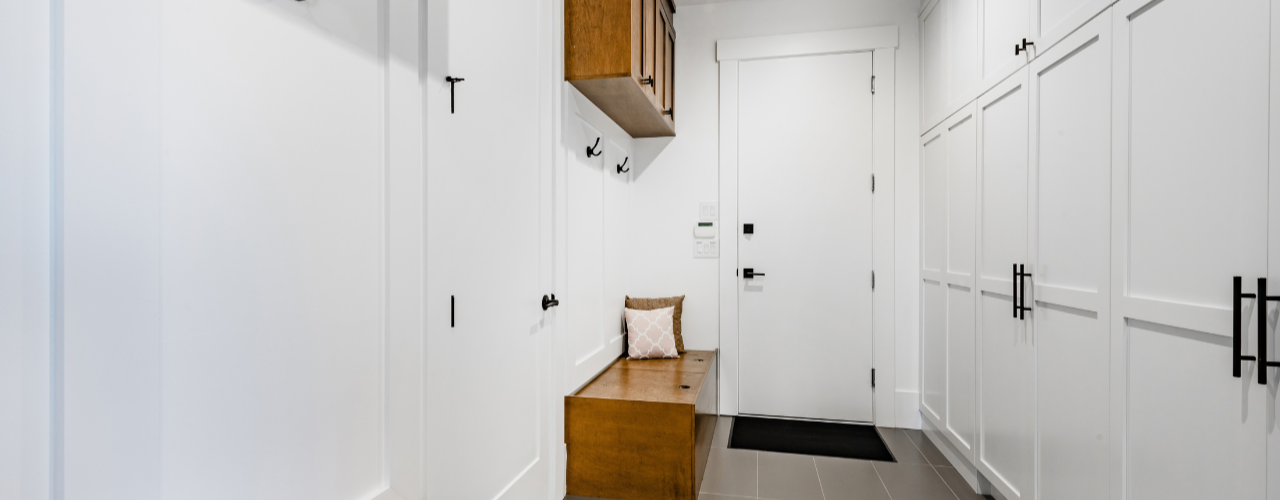
When you come home with muddy boots, an armful of bags and a coat you can’t wait to take off, it’s nice to have somewhere to put it all. With a mudroom, you can leave the outdoor mess at the door instead of carrying it through the house. Traditionally, you’d set aside a separate room, but you can just as easily use a hallway, an entryway closet, a laundry-room corner or a stretch of wall near the entrance.

Is Your Home Office Worth the Rent? What Coworking and Self Storage Could Save You
Every square foot of your apartment comes with a price tag, and a home office claims more of them than most renters expect. It starts with a desk. Then come the second monitor, the printer, the filing cabinet and the overflow boxes. Before long, the corner you set aside for work has turned into a small room you are paying for every month.

America’s Top Snowbird Destinations for 2026–2027: Florida Leads in Numbers, Texas Wins on Value
For Americans living in colder states, the approach of winter is reason enough to start looking south. Cold weather carries costs that go beyond the heating bill and shoveling snow. Seasonal affective disorder(opens in new tab) is far more prevalent in northern states, so a temporary move south isn’t simply an escape from the cold, but a chance to spend the hardest stretch of winter outdoors and in the sun.

How Much Does Halloween Really Cost in 2026? Plan Wisely to Avoid the Scare of Hidden Costs
Americans’ love for Halloween is almost frightening — this year alone, we are on our way to spending $13.5 billion, according to data from the National Retail Federation(opens in new tab). That breaks down to about $115 Halloween costs per person, a whopping 49% more than 10 years ago.

How to Store LEGOs: All the Fun, None of the Clutter
How to store LEGOs largely comes down to how your household uses them. If the bricks are part of everyday play, you need a setup that keeps them within easy reach and makes cleanup quick (for your feet’s sake, at least). Toy storage(opens in new tab) such as simple bins, playmats or containers that children can put away themselves may be enough. Larger or more serious collections usually need more organization, such as labelled drawers for loose pieces, trays for unfinished builds, shelves for completed models and separate storage for retired sets.

Cardboard Costume Guide: Tips and Ideas for a DIY Halloween
Whether for kids or adults, cardboard costume ideas often make the biggest splash once materialized, and that’s for a simple reason: doing a lot with a little is a universally impressive feat (especially in this economy). If you don’t have enough boxes you could temporarily repurpose, don’t worry! There are many places where you can find free moving boxes(opens in new tab), from stores and supermarkets to online groups and recycling drop-off spots. On the run? Try your luck at a self storage(opens in new tab) facility that sells moving supplies, often for cheap. This way, you can choose moving boxes of different shapes and sizes(opens in new tab), so you can make your costumes as complex as you want.

How to Celebrate Halloween: 9 Non-Spooky Ways To Enjoy It
As soon as October starts, it’s the official Halloween month. And while for many people it means it’s open season to get the scare of a lifetime, others, especially families with small children, might prefer to celebrate in a tamer way that’s both kid- and adult-friendly. While you’re likely to find more events where the spook factor is high, here’s how to celebrate Halloween in a not-so-scary way:

Motorcycle Storage Guide: How to Store Your Bike Safely
Motorcycles may be born to be wild, but eventually even the wild ones need somewhere to park. Whether riding season is winding down or your current living situation comes with plenty of square footage for you and less for your bike, motorcycle storage is one of those parts of ownership that doesn’t get as much airtime as the open road.

Halloween Decorating on a Budget (And Cheap Ideas for Everything Elsee)
Halloween has crept a long way from its eerie origins. While All Hallows’ Eve has transformed through the centuries, it wasn’t until the 1930s that trick-or-treating became a tradition in the U.S. and businesses began conjuring up mass-produced Halloween costumes. Now, Halloween is a monster-sized, billion-dollar industry, with a cauldron full of costumes and decorations ranging from the mainstream to the macabre. But is it all really worth your wallet? Maybe, but we’ll let you in on a little secret: You can keep your Halloween decorating on a budget and save on everything else, too. Take this plan and see it through!