

The best RV storage ideas work by finding space you already have but aren’t using — under beds, inside cabinet doors, on walls, above entry steps and in the overhead bunk. Most RV owners run out of obvious places quickly, but the real storage capacity in a typical trailer or motorhome comes from vertical surfaces, divided compartments and rethinking what each space was designed for.
Whether you’re weekend camping, full-timing or somewhere in between, the ideas below come from experienced RVers who’ve figured out how to keep a compact space functional without expensive upgrades or custom renovations.
1. Rethink what space is supposed to be
Don’t let the manufacturer have the final say on how a space gets used — some of the best storage solutions in an RV come from ignoring what a cabinet was originally intended for and asking what fits instead. A compartment designed for one purpose often ends up solving a completely different storage problem.
“The weirdest cabinet in our rig was a tall, flat, skinny space under the mounted TV that I couldn’t figure out. It became the perfect cabinet. Bottles fit perfectly upright without falling or shifting when we were on the move. You have to let go of what spaces were designed for and just ask what fits,” explained Becca Marsh, Advanced Travel Advisor and former full-time RV dweller at Wanders & Wink.
That same mindset helped her uncover another storage goldmine. “Our bed lifted like a hatch to a whole storage unit underneath. Extra blankets, seasonal clothes, shoes, larger kitchen items — it is likely the most underutilized space in most RVs,” she added.
With that in mind, take a fresh look at the areas you’ve already got before shopping for new organizers.
Convert the space beneath a dinette bench into specific zones
Many RV dinette benches hide large storage compartments, but they’re often treated as one giant catch-all. Instead of tossing everything inside, divide the space into categories using bins or soft-sided organizers. One section can hold outdoor gear, another board games and electronics and another emergency supplies.
Utilize the space above the cabinets
That awkward gap between upper cabinets and the ceiling is often ignored until random items start accumulating there. Rather than letting it become a clutter shelf, use matching baskets or fabric bins to store lightweight items such as extra paper towels, seasonal décor, rarely used kitchen gadgets or spare linens.
Turn an unused cabinet into a charging station
Nearly every RV develops a drawer full of tangled charging cables sooner or later. You can solve the problem by converting a small cabinet into a charging hub with a power strip, cord organizers and labeled device slots.
Don’t stop at the hanging rod
Most people open an RV closet, hang their clothes and call it a day — meanwhile, a foot or more of usable space is sitting below the hems of those shirts and jackets. A laundry hamper, stackable drawers, shoe organizers or a couple of storage bins can fit there, turning empty air into storage.
2. What are the best vertical storage ideas for an RV?
From adhesive hooks to magnetic strips, RV walls are one of the most underused storage surfaces in any rig — and some of the easiest to put to work without drilling a single hole.
Every unused stretch of vertical space is an opportunity to free up high-traffic areas. Unlike a traditional home, where walls mostly exist to hold family photos and questionable décor choices, RV walls have to work for a living. The more you can move upward, the less likely horizontal surfaces are to become dumping grounds for everything else. The writing’s on the wall — and thankfully, so is a good chunk of your storage potential.

A few places to start:
- Install a slim slide-out pantry beside the fridge or microwave. A tall, skinny shelving unit on casters can transform that dead space into a pull-out pantry for spices, canned goods, snacks or cleaning supplies.
- Create a floating kitchen wall with adhesive hooks. Full-timers swear by heavy-duty Command hooks for hanging oven mitts, measuring cups, utensils, dish towels and small cutting boards — no drilling required.
- Make magnetic strips your ally: Your fridge door can do more than display campground souvenirs. Magnetic hooks and holders can keep measuring spoons, paper towels, grocery lists and lightweight kitchen tools within reach.
- Think upward when storing toilet paper. Rather than using a traditional horizontal holder, install vertical holders that store multiple rolls while taking up less wall space.
- Mount a spice rack where you actually cook. Keeping spices on the wall frees up cabinet space and saves you from a rummaging session.
- Hang a fruit hammock under an upper cabinet. It sounds a little silly until you realize it keeps produce off the counter, improves airflow and prevents bananas from getting crushed beneath a week’s worth of groceries.
- Repurpose a wall-mounted file organizer. The same holders designed for office paperwork can store cutting boards, foil, plastic wrap, paper plates, notebooks, campground maps and even tablets.
One rule experienced RVers swear by: heavy things low and close to center, light things high. Don’t just think about storage — think about how a 65-mph highway curve will treat your shelves while chasing some of the country’s top RV destinations.
3. Use self storage for what doesn’t need to be there
The smartest RV storage decision is often figuring out what doesn’t need to be in the RV at all. The more room something takes up, the harder it becomes to justify carrying it from campground to campground.
“When we first started this journey, I tried to squeeze as much as possible into each compartment. However, I have since changed my focus to provide maximum accessibility and simplicity. Every item has its own designated location,” says Eamonn Turley, RV expert and CEO of Road Smiles.
Rather than treating every compartment as a challenge to fill, Turley separates year-round essentials from seasonal belongings.
“Although we do store some items outside of the RV during downtime, we utilize offsite storage for our seasonal equipment and specialty gear. We have our essential tools, emergency equipment, leveling equipment and base kitchen items remaining in the RV year-round. Our seasonal clothes, holiday decorations and other larger recreational items are stored offsite until needed.”
The RV carries the things that support everyday travel. Everything else waits its turn. For seasonal gear, holiday décor, specialty equipment and other items that spend more time stored than used, a self storage unit can act as a home base between adventures rather than asking the RV to do every job at once.
4. Store setup gear above your entry steps
If you’ve upgraded your RV’s entry steps, check whether the original cavity is still sitting empty. With a lockable storage box, that space becomes a natural home for the equipment you reach for the moment you pull into a site — leveling blocks, wheel chocks, electrical adapters and water hookups. Everything you need first is waiting right where the action starts.
5. Use undercarriage space for valuables
Most RV owners spend plenty of time looking for storage inside the rig and very little time looking underneath it. Yet the chassis frame can be a practical place for a small lockable box.
Spare keys, emergency cash, copies of important documents or an extra set of batteries don’t need to compete with kitchen supplies and clothing for cabinet space. Better yet, these are items you’ll rarely access but will be very glad to have if the situation calls for them.
6. Turn the overhead cab bunk into a storage loft
Not using the overhead bunk above the cab as a sleeping space? Then there’s a good chance one of the largest storage areas in your RV is sitting mostly untouched.
Bulky items and off-season clothing tend to create headaches because they aren’t needed every day but take up a disproportionate amount of room. The overhead bunk solves that problem naturally. Add a cargo net across the opening and those larger items can stay put through every curve.
7. How do you maximize storage in an RV kitchen?
Few places reveal the limits of RV living faster than the kitchen, with cabinets filling up long before the trip is over. A few targeted adjustments create enough breathing room to make everything run smoothly.
Ditch the cardboard
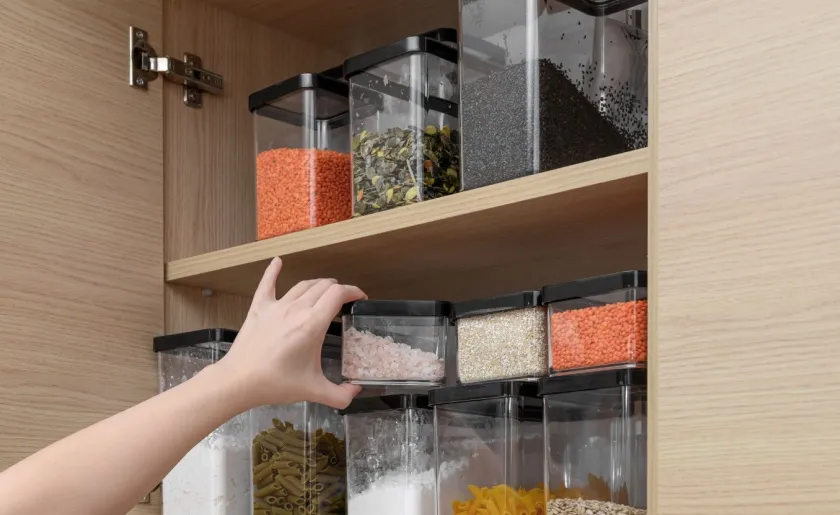
Move dry goods out of cereal boxes and cracker boxes into square, stackable containers. The actual contents often occupy about half the space once freed from their packaging — and nothing rattles around on the road.
Add a pull-out cutting board
Counter space is one thing RV kitchens never seem to have enough of. A slim pull-out cutting board installed above an existing drawer creates an instant prep station when needed and disappears just as quickly when dinner is done.
Break up deep pantry cabinets
Deep pantry shelves tend to create a familiar problem: the items in front get used, while everything in the back enters witness protection. Adding small shelf risers or extra interior shelves creates multiple storage levels that are accessible.
Give cabinet doors a job
Lightweight racks, adhesive bins and small organizers can store spice packets, foil, plastic wrap, cleaning supplies or measuring spoons, freeing up shelf space for larger items.
Corral loose items with bins
A cabinet full of miscellaneous kitchen supplies has a tendency to reorganize itself every time the RV moves. Many full-time RVers rely on bins, baskets and small containers to create what Marsh calls “a system inside the system.”
“Things roll, shift and disappear into the back,” Marsh says. “We used small totes, buckets and boxes inside every deep cabinet so we could actually move things around without excavating the entire space,” she added.
8. What are the best RV bathroom storage ideas?
The best RV bathroom storage ideas go vertical — walls, doors and the space above the toilet are where the real square footage hides. Imagine a standard elevator. Now add a toilet, a shower and a sink. That’s roughly the amount of space most RV bathrooms are working with, which means every inch of it matters.
Here are a few ideas worth borrowing:
Store towels in a wall-mounted wine rack
A wine rack may not be the first thing that comes to mind when organizing a bathroom, but they come in handy when dealing with compact spaces. Microfiber towels rolled tightly fit perfectly inside the individual compartments, dry faster than folded towels and take up less space.
Repurpose dry-erase marker holders
Mounted on the inside of a medicine cabinet door, dry-erase marker holders create secure storage for cotton swabs, hair ties, lip balm, tweezers and other small items that would otherwise scatter across every surface.
Give everyone their own toiletry pouch
Assign each person a labeled hanging toiletry bag that lives inside the medicine cabinet while driving. At camp, it unfolds and hangs from a hook — shared shelves stay clear, and there’s no free-for-all.
Replace bottles with a wall-mounted dispenser
Swapping shampoo, conditioner and body wash bottles for a wall-mounted dispenser reduces counter and shower clutter while keeping products secure on the road. No more bottles toppling over at every turn.
RV storage: Finding a home base between adventures
Nearly half a million Americans now call an RV their full-time home, and roughly one in three of those households is traveling with children. Yet even the most dedicated road warriors eventually reach the end of a trip. When that happens, the storage challenge shifts from organizing the inside of the RV to deciding where the entire vehicle should live until the next adventure begins.
For some owners, the answer is simple. For others, it can be a bit more complicated. A garage may not be large enough to accommodate a motorhome or trailer. Certain neighborhoods and homeowners’ associations restrict RV parking on driveways or public streets. And leaving a recreational vehicle exposed to the elements year-round isn’t ideal regardless of local rules.

RV storage solves that problem by giving your motorhome, campervan, travel trailer or fifth wheel a designated place to stay between trips. Many RV storage facilities go beyond simply offering a parking space. Depending on the location, you may find covered parking, electrical hookups, wash stations and dump stations that make preparing for your next trip considerably easier.
Of course, finding the right storage facility matters just as much as choosing the right campsite. Using StorageCafe’s search portal, you can browse RV storage options across the country by city, neighborhood or ZIP code.
Cost is another consideration. Across the country, rates can vary depending on location, storage type and local demand.
For current RV storage prices across the country, visit our RV storage directory.
FAQ
What should I store in a storage unit instead of my RV?
Seasonal clothing, holiday decorations, specialty recreational gear and rarely used equipment are all good candidates for offsite storage. Keeping only what you need for current trips inside the RV means every compartment serves a purpose, and nothing competes for space with your day-to-day essentials. A self storage unit effectively becomes the RV’s home base.
How do I keep items from shifting or breaking while driving?
Non-slip shelf liners are one of the most effective and inexpensive fixes. Beyond that, bungee cords and tension rods inside cabinets can act as barriers that keep items from migrating. Liquids should always be stored upright in bins rather than loose on shelves. Heavier items packed low and toward the center of the rig will also reduce the impact of sharp turns and sudden braking.
What’s the best way to store gear for multiple activities — hiking, cycling, fishing — without it becoming a jumble?
Activity-based bins work better than category-based ones in an RV. Rather than grouping all “outdoor gear” together, keep everything needed for a specific activity in one bin or bag. That way you’re pulling out one container for a fishing day rather than hunting across three compartments for a rod.
How do I handle clothing storage across seasons?
Keep only clothing relevant to your current climate inside the rig and swap the rest with offsite storage as you move between regions. Vacuum compression bags work well for transitional items that need to travel but don’t need to be accessible every day — they cut bulky clothing down without taking up a dedicated compartment. The overhead bunk, when not used for sleeping, is one of the most practical places for anything that needs to stay on board but isn’t in regular rotation.
The road to a more organized RV
Getting organized inside an RV has less to do with buying another organizer and more to do with looking at your space a little differently. Once you stop focusing on where things are supposed to go and start asking what fits, an RV can feel larger than its square footage suggests.
Sometimes the biggest difference comes from a single shelf, a few storage bins or finally giving those charging cables a permanent address. Start with the areas that frustrate you most — whether that’s the bathroom counter, the kitchen cabinets or the closet floor — and build from there.
RV living isn’t about fitting more stuff into the rig, but about making room for the experiences that brought you there in the first place.



Moving From a House to an Apartment: What to Expect, How to Downsize & How Self Storage Helps
For some, moving from a house to an apartment is a financial decision. For others, it’s about simplifying life. Maybe the kids have moved out and half the house sits empty, or you’re approaching retirement and no longer want to spend weekends on repairs. Or perhaps you’ve been weighing the cost of buying a home and wondering whether renting simply makes more sense right now.
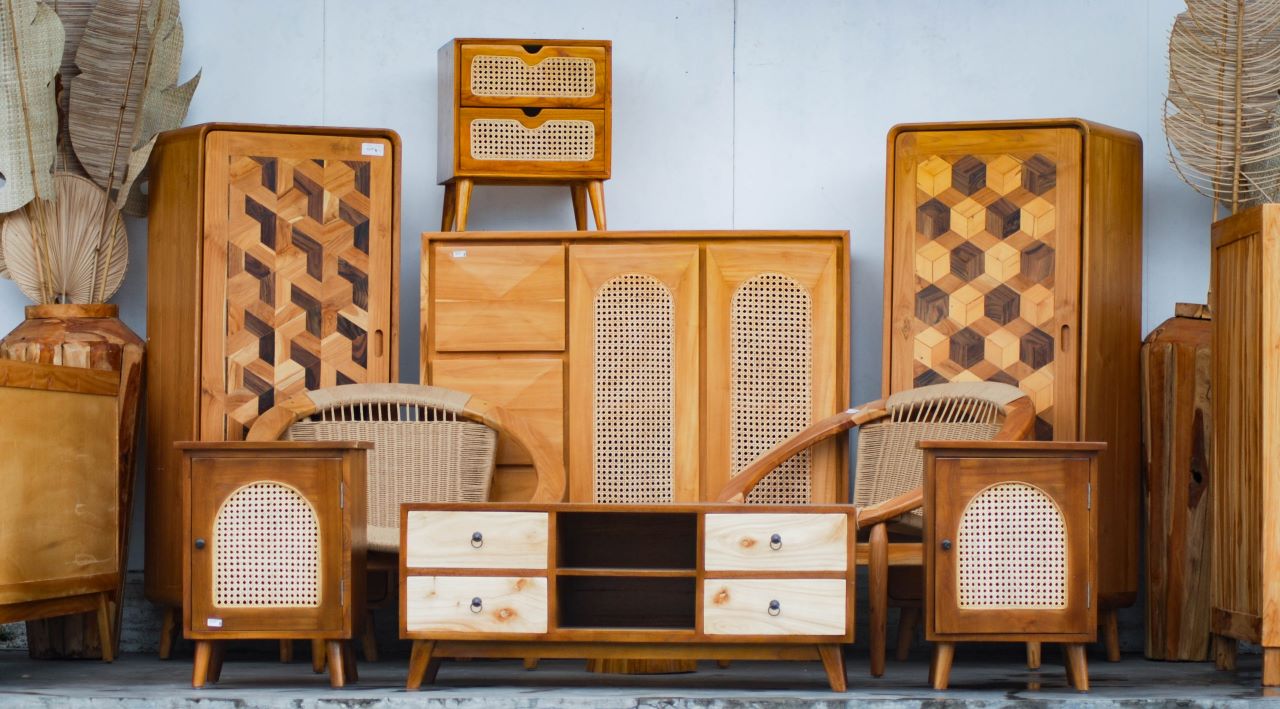
Family Heirlooms Overload: How to Handle Family Inheritance Without Regret
Handling family heirlooms after a loss requires managing legal authority, emotional pressure and practical logistics at the same time, and the order you take them on matters more than most people expect.
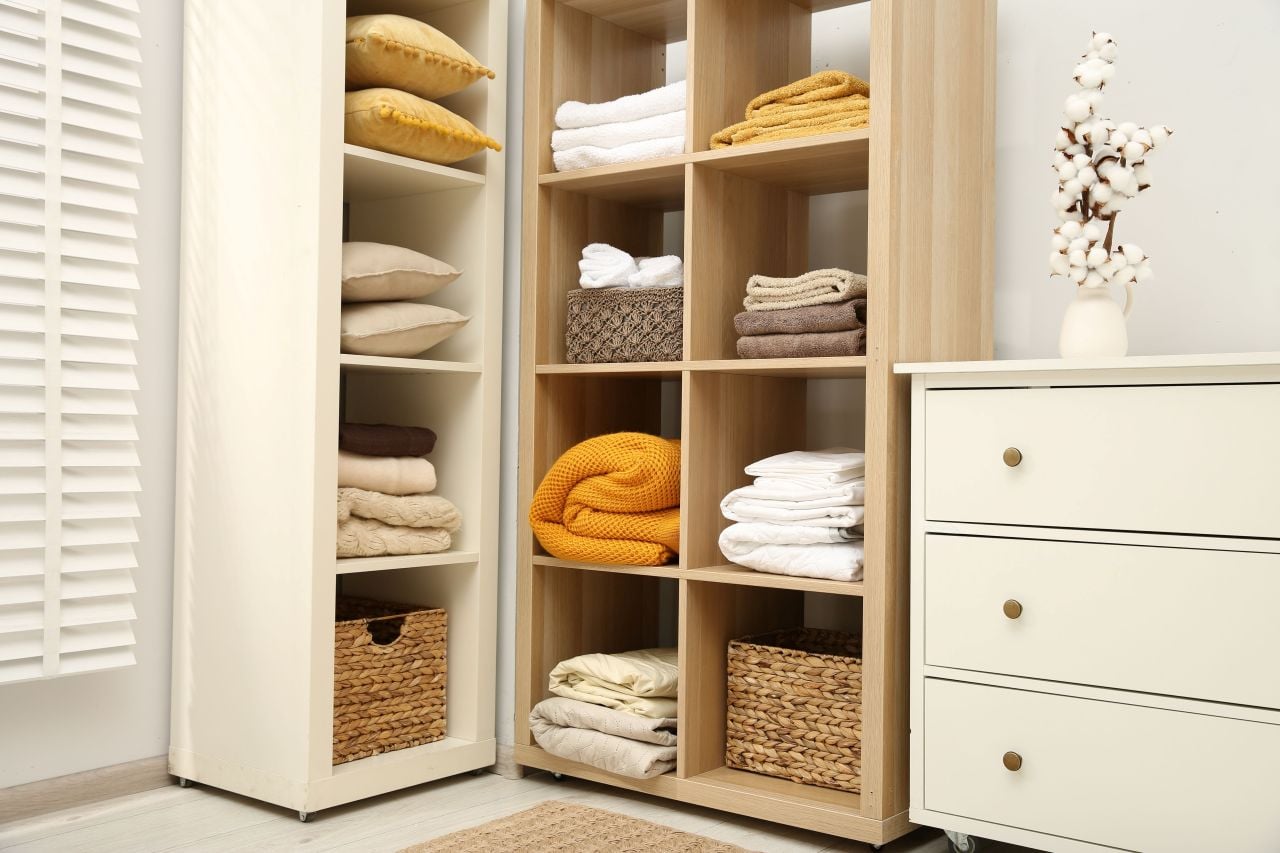
Blanket Storage: The Right Method for Every Space and Season
Blankets make our lives cozier, and storing them well is what keeps them soft and comfortable in the long run. Knowing how to store a blanket properly means your favorites come out of storage smelling fresh, feeling the same as when they went in, and lasting years longer than they otherwise would.

Board Game Storage Ideas That Keep Your Collection in Fighting Shape
Nobody warns you that getting into board games usually unlocks a second hobby, the much dreaded one that includes figuring out where on earth to put them. One game becomes a few, expansions start spawning beside their base boxes and before long, board game storage requires as much strategy as whatever is waiting on the other side of those lids.

Storage Locker vs. Storage Unit: What’s the Difference?
A locker and a unit may sound like two names for the same four walls and a lock, and depending on the storage facility, you may even see the terms used that way. However, once you start comparing available spaces, storage lockers tend to occupy the smaller end of the spectrum, while storage units(opens in new tab) give you considerably more room to work with.

Storage Ideas for Small Spaces: 9 Ways to Max Out Your Home
A messy home contains the seeds of its organization. Those seeds are everywhere: the space above doors, under beds, behind sofas and inside furniture can all become storage. Here are the best storage ideas for small spaces, so you can make the most of your cozy home.

Best U.S. Cities to Live Uncluttered: Plano, TX, Offers the Most Room to Breathe
Clutter is in our homes as much as in our heads. Both are shaped by where we live.
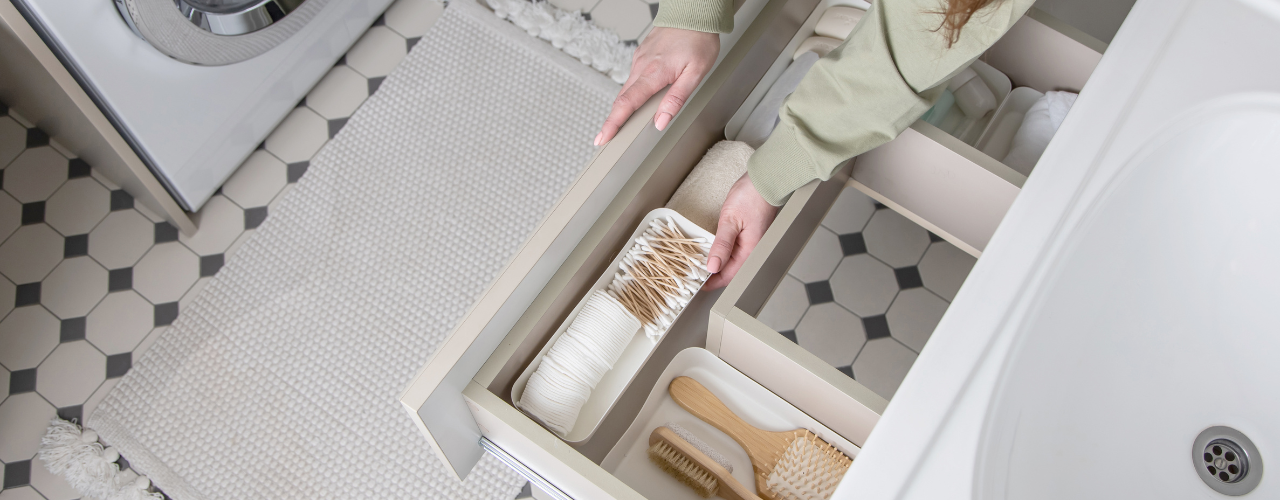
How to Organize Your Bathroom: 8 Ways to Stay Tidy
You already know why an organized bathroom is worth the effort, but let us remind you: it makes rushed mornings easier, keeps counters cleaner and just helps get you in the mood to go through your skincare routine like you should. Plus, in bigger households, it helps everyone find what they need. And you know how much a tidy bathroom counts for your self-esteem when a guest or a partner shows up. Luckily, you don’t need a degree to know how to organize your bathroom. The secret is keeping less, giving every item a home and making that home simple to use. Let’s go through some practical steps can help you create a bathroom that stays functional and nice to look at.

How to Use Silica Gel Packets for Storage
Moisture can cause significant damage to items in storage, leading to rust on tools, mold on clothing and warping in documents. Silica gel uses science to fix that. Often found in small packets inside product packaging, silica gel is a desiccant that absorbs moisture from the air, keeping your stored items dry and protected. This guide explains what silica gel is, how it works and how you can use it to preserve your belongings in self storage.