

Philadelphia has a strong tradition of giving back, and donating furniture is a practical way to support local charities while freeing up space in your home. Whether you’re downsizing, moving, or just decluttering, there are plenty of organizations ready to take your gently used furniture. And if you’re not ready to part with certain pieces just yet, self-storage can buy you time to decide.
1. Uhuru Furniture & Collectibles
A community-driven store supporting civil rights, Uhuru Furniture(opens in new tab) accepts a wide range of furniture.
What they accept: Bedroom furniture (dressers, nightstands, chests of drawers, armoires, blanket chests), living room furniture, dining room furniture, outdoor furniture, console and occasional tables, desks (under 5’), antiques, home office furniture, exercise equipment (limited).
What they don’t accept: Disassembled items, pianos, pool tables, beds, bedframes, headboards, footboards, mattresses, box springs, desks over 5’ long, most L-shaped desks, large china cabinets, large office items, large entertainment centers, TV armoires, wall units, or items left outdoors that are not intended for outdoor use.
How to donate: Email [email protected] with photos, your name, phone number, pickup location, and preferred dates. Pickups are typically scheduled within 3-7 business days, Wed-Sun, 10:30 a.m.–6 p.m. You can also drop off during store hours (Wed-Sun, 11 a.m.–6 p.m.).
Uhuru Furniture is ideal for those looking to support a mission-driven organization while responsibly rehoming their furniture.
2. Habitat for Humanity Philadelphia ReStore
Habitat’s ReStore accepts furniture to fund affordable housing projects.
What they accept: Non-upholstered furniture in excellent condition (desks under 4’, bookcases, coffee tables, dressers, dining chairs/tables, end tables, game tables, patio furniture, TV stands). The same goes for upholstered furniture — it should be in excellent condition (armchairs, couches, office chairs, ottomans, recliners, sectionals; must be free of wear, stains, rips, and pet damage; vacuum before pickup).
What they don’t accept: Bed frames, box springs, cribs, mattresses, barstools, china cabinets, loose cabinet drawers.
How to donate: Schedule a free pickup online or drop off at their ReStore location.
Pickup: Book online for eligible items.
Drop-off: 2318 Washington Ave., Mon-Sat 10 a.m.-4 p.m., Sun 12 p.m.-4 p.m.
Habitat ReStore is perfect for those with high-quality furniture looking to support affordable housing.
3. Philly AIDS Thrift (PAT)
PAT (opens in new tab) supports local HIV/AIDS charities and accepts furniture.
What they accept: Gently used furniture.
What they don’t accept: Beds, bed frames, futons, mattresses, bed pillows, sofa beds, pull-out sofas, upholstered furniture that is torn, stained, threadbare, or musty, unassembled shelving.
How to donate: Drop off during donation hours (Tues-Sat, 12 p.m.-7 p.m.). For large items, partner with ReSupply for pickup (schedule online or call (860) 264-0289).
PAT is a solid choice for those looking to support HIV/AIDS advocacy while donating furniture.
Use Facebook Marketplace or Buy Nothing for faster pickup
If a charity cannot accept your furniture, its pickup schedule does not fit your move-out date, or you simply need an item gone quickly, consider offering it for free through Facebook Marketplace or a local Buy Nothing(opens in new tab) group.
Facebook Marketplace lets you create a free listing with photos, dimensions, condition details, and a pickup window. Add “free,” “pickup only,” or “must be picked up by [date]” to help attract people who can collect the item promptly. This can work especially well for bulky pieces such as couches, dressers, tables, shelving, and patio furniture.
Buy Nothing groups are neighborhood-based communities where people give away items at no cost. Search Facebook for a Buy Nothing group serving your Philadelphia neighborhood, then post clear photos and a brief description of the furniture. Because members are local, you may be able to arrange a porch pickup or curbside handoff within a day or two.
For safety and convenience, avoid sharing more personal information than necessary, arrange daytime pickups when possible, and clearly state whether the recipient must bring help to move large furniture. If you place an item curbside, check Philadelphia’s local rules and avoid leaving it out long enough to become trash or obstruct the sidewalk.
What to do with worn-out furniture
If furniture is damaged, heavily worn, or not accepted by a charity, Philadelphia’s free bulk collection program may be a practical disposal option. It is available to single-family homes and multi-family buildings with up to six units, with a limit of four items per scheduled appointment.
The city prioritizes intact metal-framed furniture for bulk collection. Wooden furniture and other compactible items may be subject to weekly curbside collection rules or neighborhood-specific restrictions, so confirm the requirements before placing anything outside.
Schedule a pickup through the City of Philadelphia Bulk Collection Portal(opens in new tab) or call 311. One the day you’ve chosen for pickup through the online calendar, make sure your items are curbside by 7:00 AM.
If pickup is not convenient, residents can also bring eligible items to one of Philadelphia’s six Sanitation Convenience Centers.
How self storage can help
Not every piece of furniture needs to leave your life the moment you run out of space. If you’re between moves(opens in new tab), downsizing (opens in new tab) temporarily, or just unsure about letting go, a short-term storage unit in Philadelphia(opens in new tab) can give you time to decide. It’s a practical way to hold onto items until you’re ready to donate, sell, or keep them.
For wood furniture, antiques, or upholstered pieces, climate-controlled storage(opens in new tab) is worth considering. Philadelphia’s humidity and temperature swings can damage materials over time, and a climate-controlled unit keeps pieces in good condition until you’re ready to move them along.
To sum up
Philadelphia has several options for donating furniture, including Uhuru Furniture, Habitat ReStore, and Philly AIDS Thrift, each with its own acceptance rules. For furniture that needs to go sooner, Facebook Marketplace and Buy Nothing can connect you with nearby people who may be able to pick it up quickly.
FAQ
What furniture can I donate in Philadelphia?
Most organizations accept gently used furniture in good condition. Uhuru Furniture takes bedroom, living room, and dining room sets, while Habitat ReStore focuses on non-upholstered and upholstered furniture in excellent condition. Philly AIDS Thrift accepts gently used furniture. Always check each organization’s guidelines before donating.
Do furniture donations in Philadelphia need to be in perfect condition?
Most charities require furniture to be in good to excellent condition. Upholstered items must be free of stains, rips, or pet damage. Non-upholstered furniture should be structurally sound and free of noticeable wear. Organizations like Uhuru and Habitat ReStore have strict quality standards, so inspect your items before scheduling a pickup.
Can I get a tax deduction for donating furniture in Philadelphia?
Most nonprofits, including Uhuru Furniture, Habitat ReStore, and Philly AIDS Thrift, provide tax-deductible receipts for donations. Keep your receipt and itemize the donation on your tax return to claim the deduction.


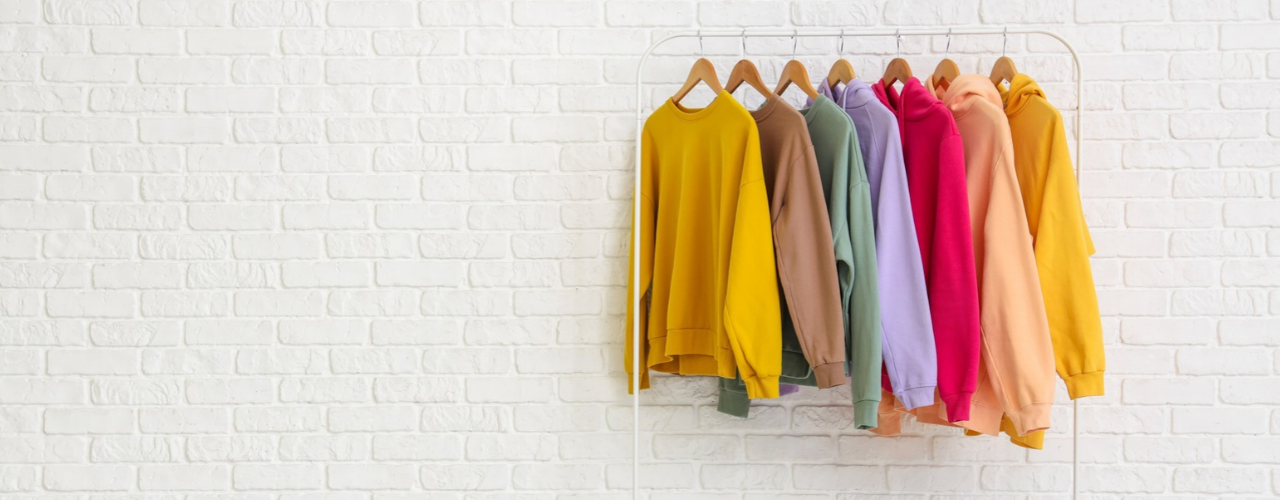
Sweatshirt Storage Ideas Worth Keeping Up Your Sleeve
Sweatshirts are great until you realize how much room they take up. A few thick hoodies can fill a drawer fast, with lighter crewnecks getting squashed underneath or pushed somewhere you forget about. Good sweatshirt storage can make that pile much easier to manage without requiring a bigger closet.
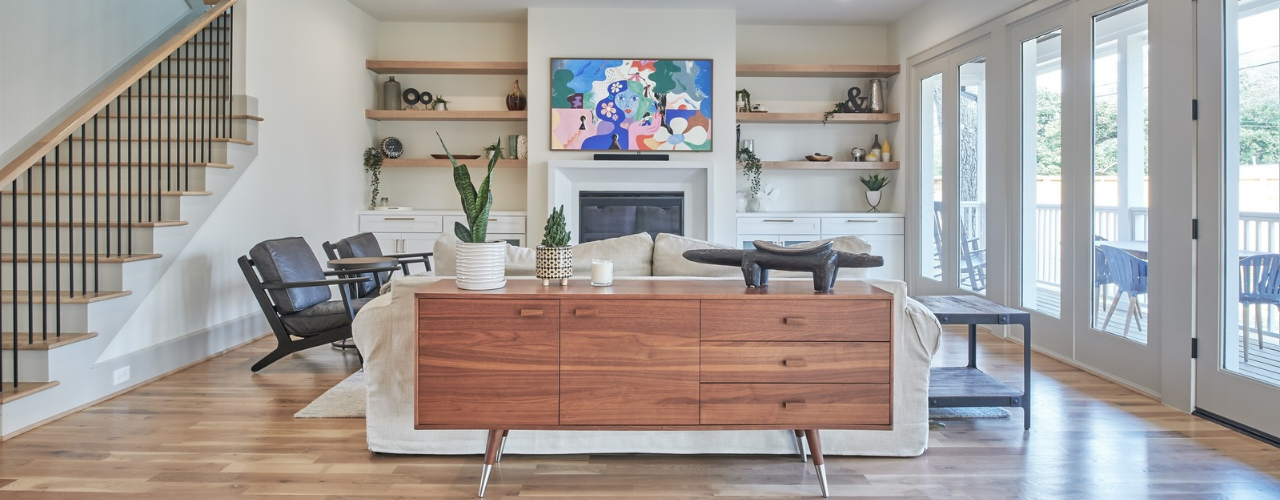
Living Room Storage Ideas: 28 Ways to Reclaim Your Hosting Space
If a living room is where most of a household’s living happens, good storage should be the top priority for setting up or revamping the place. After all, think of how easier it would be to have people over when tidying up the place is just a matter of putting things in their right place (in a time when fewer and fewer people are entertaining friends at home(opens in new tab)). The trick is making room for all those wayward clothes, blankets, chargers and other small things that end up on (or, inexplicably, in) the sofa. Here are 28 living room storage ideas to get you started and make tidying up a quick affair.
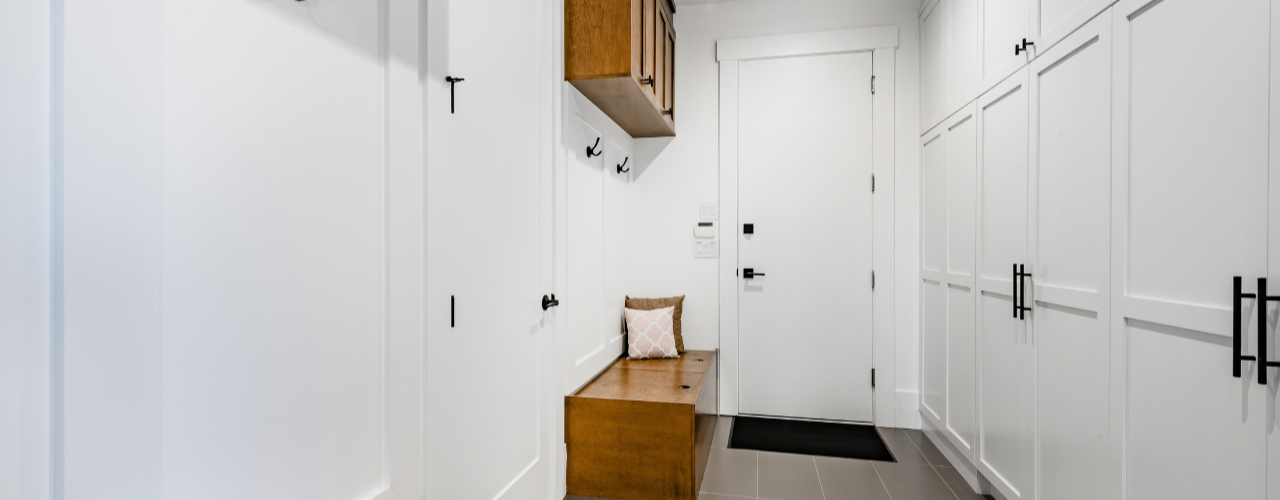
25 Mudroom Storage Ideas (And Mistakes to Avoid)
When you come home with muddy boots, an armful of bags and a coat you can’t wait to take off, it’s nice to have somewhere to put it all. With a mudroom, you can leave the outdoor mess at the door instead of carrying it through the house. Traditionally, you’d set aside a separate room, but you can just as easily use a hallway, an entryway closet, a laundry-room corner or a stretch of wall near the entrance.
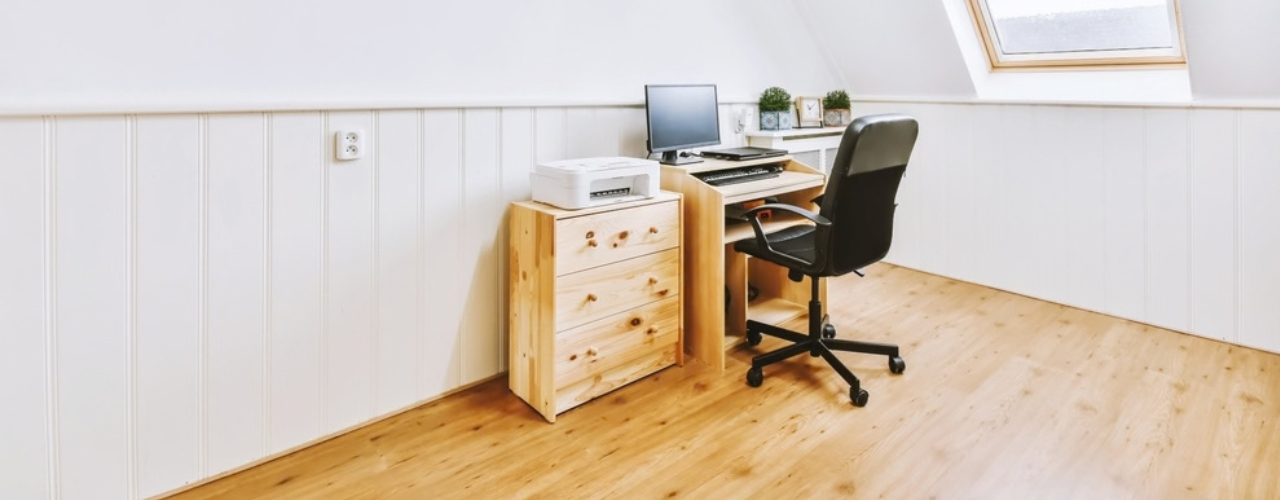
Is Your Home Office Worth the Rent? What Coworking and Self Storage Could Save You
Every square foot of your apartment comes with a price tag, and a home office claims more of them than most renters expect. It starts with a desk. Then come the second monitor, the printer, the filing cabinet and the overflow boxes. Before long, the corner you set aside for work has turned into a small room you are paying for every month.

Best U.S. Cities to Live Uncluttered: Plano, TX, Offers the Most Room to Breathe
Clutter is in our homes as much as in our heads. Both are shaped by where we live.

America’s Top Snowbird Destinations for 2026–2027: Florida Leads in Numbers, Texas Wins on Value
For Americans living in colder states, the approach of winter is reason enough to start looking south. Cold weather carries costs that go beyond the heating bill and shoveling snow. Seasonal affective disorder(opens in new tab) is far more prevalent in northern states, so a temporary move south isn’t simply an escape from the cold, but a chance to spend the hardest stretch of winter outdoors and in the sun.

How Much Does Halloween Really Cost in 2026? Plan Wisely to Avoid the Scare of Hidden Costs
Americans’ love for Halloween is almost frightening — this year alone, we are on our way to spending $13.5 billion, according to data from the National Retail Federation(opens in new tab). That breaks down to about $115 Halloween costs per person, a whopping 49% more than 10 years ago.
How to Store LEGOs: All the Fun, None of the Clutter
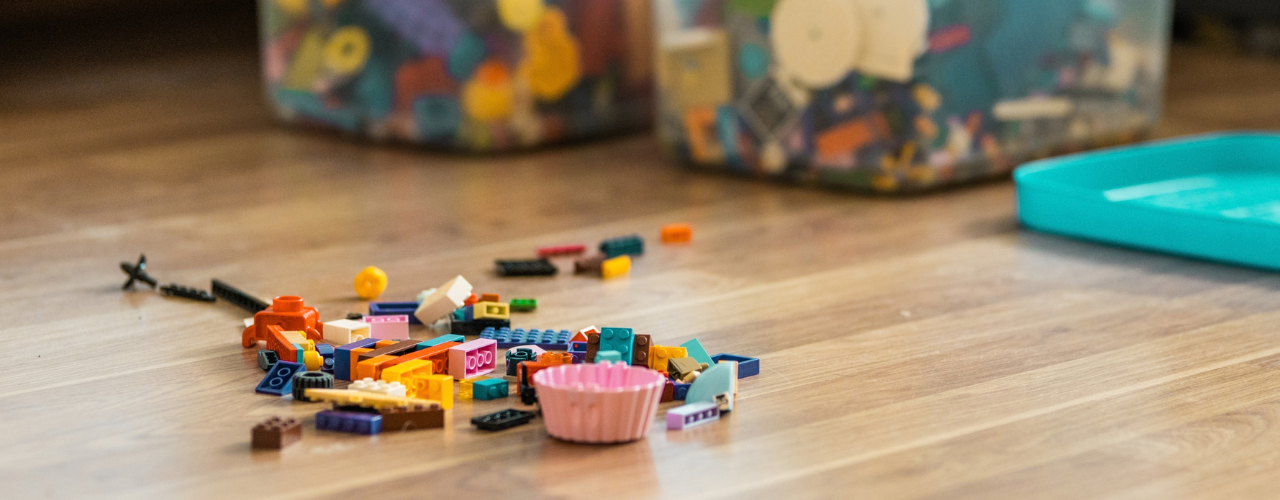
How to store LEGOs largely comes down to how your household uses them. If the bricks are part of everyday play, you need a setup that keeps them within easy reach and makes cleanup quick (for your feet’s sake, at least). Toy storage(opens in new tab) such as simple bins, playmats or containers that children can put away themselves may be enough. Larger or more serious collections usually need more organization, such as labelled drawers for loose pieces, trays for unfinished builds, shelves for completed models and separate storage for retired sets.

Cardboard Costume Guide: Tips and Ideas for a DIY Halloween
Whether for kids or adults, cardboard costume ideas often make the biggest splash once materialized, and that’s for a simple reason: doing a lot with a little is a universally impressive feat (especially in this economy). If you don’t have enough boxes you could temporarily repurpose, don’t worry! There are many places where you can find free moving boxes(opens in new tab), from stores and supermarkets to online groups and recycling drop-off spots. On the run? Try your luck at a self storage(opens in new tab) facility that sells moving supplies, often for cheap. This way, you can choose moving boxes of different shapes and sizes(opens in new tab), so you can make your costumes as complex as you want.