


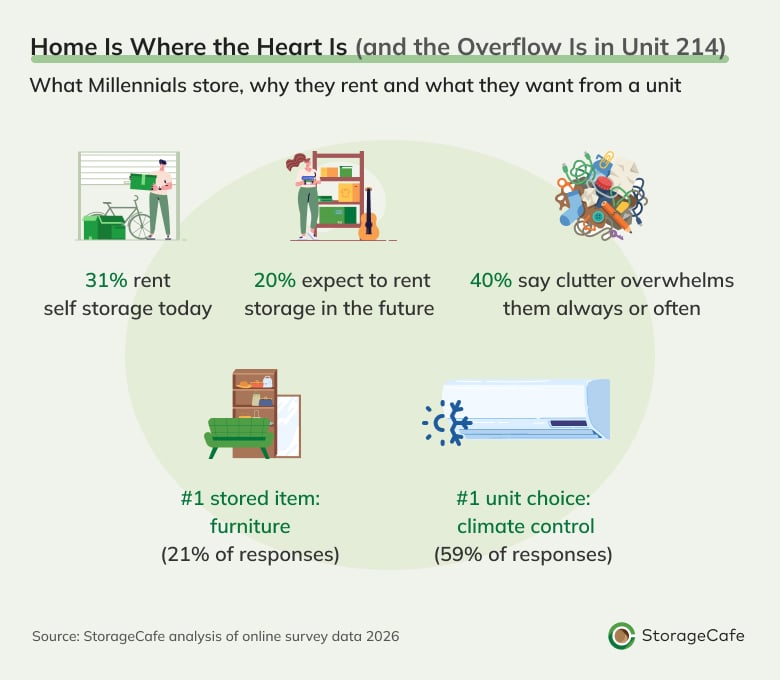
So, you’re a Millennial. You probably know all the lyrics to Phoebe Buffay’s Smelly Cat. Hannah Montana’s The Best of Both Worlds has become more like a life philosophy rather than a fun tune. And if you rent a self storage unit, you’re in good company. You’ve officially joined the 31% of Millennials who rent storage space, most often because there simply isn’t enough room at home, according to StorageCafe’s 2026 Self Storage Demand and Trends survey(opens in new tab).
Nearly one in three Millennials currently rent self storage(opens in new tab), right in the middle of the generational spread. Gen X and Boomers are a little more likely to have a unit, while Gen Z trails behind.
Millennials seem to picture a future with less storage than the present suggests. Only 20% expect to rent a storage unit in the future, the lowest share of any generation. That’s the Millennial relationship with storage — it doesn’t always end up pinned on the vision board, yet it somehow becomes a trusted sidekick along the way.
That is, of course, until those LEGO sets keep coming and they don’t stop coming.
Welcome to the unit. Let’s see what’s inside.
Why Millennials turn to self storage
A storage unit isn’t exactly the kind of milestone people celebrate with cake and confetti, but it does earn its place sooner than many Millennials expect. Homes can only stretch so far before closets start negotiating and storage usually enters the picture after life has changed significantly..
Changes in household size account for 10% of Millennial storage triggers, the highest share of any generation. Sometimes two homes become one. Sometimes one home becomes two. The belongings, however, tend to stick around either way and very few pieces of furniture are considerate enough to shrink on command.
Moving also plays a big role, as 43% of Millennial renters switch apartments within two years(opens in new tab), creating plenty of in-between moments where items need somewhere to hibernate. Another 23% point to moving as the reason they rent storage. What begins as a temporary stop for a few boxes can linger longer than the lease that started it all.
For some Millennials, the need for extra square footage begins while the dream home is still on paper. If you’re eyeing a fixer-upper in the right city(opens in new tab), it usually comes bundled with renovation plans and a whole new strategy for a game of musical chairs for everything you own.
Among Millennials planning to use storage in the future, 11% say remodeling is what sends them looking for extra space, because buying a fixer-upper feels exciting right up until every available surface is covered with a layer of construction dust. Keeping everything out of the way while the work gets done can make the project a lot more digestible to live through.
The saying used to be that home is where the heart is, but nowadays it also seems to be leaning toward home being where the business is. Business purposes account for 6% of current Millennial storage responses — a share that tracks with rising Millennial entrepreneurship.
What’s in the Millennial storage unit?
Open a Millennial storage unit and you’ll be greeted by an amalgamation of nostalgia and hobbies that never stuck for good. Maybe Mom was right, and that whole dinner-party host era you were determined to make happen was just a phase.
Furniture makes up the biggest share of that story, appearing in 21% of Millennial storage responses today and climbing to 27% among Millennials planning future storage, the biggest increase of any category. Unlike a coffee table from IKEA, furniture doesn’t become obsolete just because your floor plan does.
As a Millennial, you’ve survived low-rise jeans, boots with the fur and at least a few fashion eras you’d rather pretend never happened. Your wardrobe has evolved right alongside you, and clothing accounts for 14% of current storage responses, rising to 18% among future users. If your closet still contains jeans you’re convinced will make a comeback, you’re keeping the dream alive along with a lot of fabric.
The shift to hybrid work reshaped not just where Millennials spend their weekdays, but what lives inside their homes too. Home appliances account for 14% of current Millennial storage responses and rise to 19% among Millennials planning future storage. The air fryer may be the new favorite, but try telling that to the microwave that’s still sitting exactly where it’s been since 2014.
How Millennials use their storage unit
Millennials don’t seem to treat storage units like that forgotten gym membership you keep meaning to cancel. They’re much more like an extra room with a different ZIP code. 30% of Millennial storage users visit their unit at least once a week, edging past the national average of 28%. That’s hardly surprising for a generation juggling smaller homes.
Booking one follows the same logic. From someone who went from waiting for dial-up to connect and risking their family computer on LimeWire to booking just about everything online, standing in line to fill out paperwork was never going to be the preferred option.
Digital convenience, including online booking and app access, accounts for 9% of Millennial feature preference responses. Price still matters, but convenience has earned a permanent seat at the table. Around-the-clock access also ranks high, with 16% of Millennials saying it’s important. Drive-up access, meanwhile, sits at 9%, the lowest Millennial priority, suggesting most visits involve grabbing one or two things rather than moving an entire apartment.
Climate control(opens in new tab) tops the list by a comfortable margin, chosen in 59% of Millennial unit type responses. Some lessons only need to be learned once, especially after discovering what a long, hot summer can do to belongings you planned on keeping for years. Once you’ve watched heat win that battle, climate control starts looking a lot less like an upgrade and a lot more like common sense.
Portable storage also finds its biggest audience among Millennials, with 5% choosing it over every other generation. Maybe that’s the reward for becoming accidental experts at moving. After enough apartment switches, bringing the storage to you starts sounding like one of adulthood’s better ideas.
What size do Millennials go for when picking a storage unit?
Few things expose how little attention you’ve paid to your own furniture quite like choosing a storage unit. Next thing you know, you’re Googling your couch model and holding a ruler in your hand, hoping four inches somehow got shorter overnight.
However, if Millennials can agree on one thing, it’s that they don’t agree on unit size. Then again, Millennials have never exactly been on the same save file. The 10’x10′(opens in new tab) edges ahead at 23%, but only by the slimmest of margins. Another 21% rent a 5’x10′ unit(opens in new tab), while 15% go with a 10’x20′, giving Millennials the most evenly distributed mix of unit sizes of any generation. Some are furnishing their first apartment while others are venturing into the uncharted territory of their under-bed storage just to find somewhere to store their cosplay collection.
What’s causing Millennial clutter
Marie Kondo may have convinced Millennials to ask whether something sparks joy, but judging by the numbers, plenty of it still sparks another weekend of putting the decision off.
Feeling overwhelmed by clutter(opens in new tab) has become a familiar part of the Millennial experience, as 40% say they feel that way always or often, second only to Gen Z. Clothing accounts for the biggest share of Millennial clutter at 29%, followed by old electronics at 10%.
Millennial clutter at 29%, followed by old electronics at 10%. Seasonal décor and hobby gear each make up 6% of Millennial clutter responses, while toys and baby items account for 5%.
The average American home holds close to 300,000 items(opens in new tab) and somewhere in that count are the impulse purchases from lockdown and other UFOs, aka the unidentified forgotten items.
Maybe that’s why Millennials have such a complicated relationship with storage. More of the generation feels overwhelmed by clutter than almost anyone else, but only 20% expect to rent a storage unit in the future, the lowest share of any generation. Planning for storage has never been the goal. Finding yourself needing it anyway feels much more on brand.
The wonderfully weird corner of Millennial storage
While percentages can tell you how many Millennials store furniture or clothing, they can’t explain why someone is paying to keep more than a thousand ink pens or an entire LEGO city alive.
Every storage unit has at least one item that makes perfect sense to the person paying for it and leaves everyone else with questions.
Giant LEGO cities made the list of strangest things put in storage after one respondent’s wife banned them from the living room. The builds may have lost their prime real estate, but at least nobody had to step on one barefoot during the eviction.
A prom dress carries a different kind of baggage, as it may never make another dance-floor appearance, yet throwing away a piece of your teenage main-character era can feel far more dramatic than storing it for another year.
Gen Z culture seems to have seeped into the storage unit as well, finding a home somewhere between the bins and boxes, with one Millennial making room for their daughter’s Labubus. Vinyl records(opens in new tab), on the other hand prove that Millennials are still hanging on to at least one collection of their own.
Signed basketball hats have also earned protected status. Old academic books remain in circulation too, even when the degree has been framed and the required reading has not been opened since finals week.
Hobbies can demand a surprising amount of square footage once the initial excitement wears off. One unit holds empty tropical fish aquariums, ready for the day their owner decides to dive back in.
Scuba equipment(opens in new tab) takes the underwater theme considerably farther. Fishing memorabilia rounds out that particular collection, proving that even hobbies with plenty of open water can run out of room at home.
Maybe that’s the best way to describe a Millennial storage unit: a museum of side quests, nostalgia and the versions of yourself you weren’t ready to part with just yet.
FAQ
What’s the cheapest way to store my stuff between apartment moves?
A smaller unit rented short-term is almost always the most cost-effective option. A 5’x10′ unit can hold the contents of a one-bedroom apartment and typically runs between $50–100 a month depending on location. Booking online tends to come with first-month discounts and avoiding climate control on items that don’t need it can bring the cost down further.
Can I run my small business or side hustle out of a storage unit?
For inventory storage, absolutely. Many small business owners use storage units as a cost-effective alternative to commercial warehouse space, especially in the early stages. Most facilities allow business use for storage purposes, though actually operating out of a unit — working inside it, meeting clients — is usually against the terms. It’s a great place for your stock, less so for your standing desk.
How do I know when it’s time to upgrade to a bigger unit?
The clearest sign is when you’re rotating items in and out just to access what you need, or when you’re stacking things so high that finding anything requires a small excavation. A good rule of thumb is that if you can’t comfortably walk to the back of your unit, you’ve outgrown it.
Can I access my storage unit at 11pm when I finally have time?
Many facilities offer extended or 24-hour access, and it’s one of the most requested features among Millennial renters for exactly that reason. It’s worth checking access hours before booking, since they vary significantly by facility. If late-night access matters to you, filter for it upfront rather than finding out after you’ve signed.
What’s the difference between portable storage and a regular unit — and which one makes more sense for someone who moves a lot?
Portable storage gets dropped off at your door, you fill it at your own pace and it gets picked up and stored or delivered to your next location. A traditional unit requires you to transport everything yourself.
For frequent movers, portable storage removes a significant amount of logistical friction, though it tends to cost more and offers less flexibility in unit size. If you’re mid-move or between leases, portable storage is hard to beat.
Is there a storage unit size that makes sense for a one or two-bedroom apartment?
A 5’x10′ works well for a one-bedroom’s worth of overflow — think a few pieces of furniture, several boxes and seasonal items. A 10’x10′ covers most of a two-bedroom comfortably. If you’re storing during a full move rather than just managing overflow, sizing up to a 10’x15′ gives you room to actually move around inside, which makes loading and unloading significantly less painful.
Turns out, you did need the extra space
Maybe that’s been the Millennial story all along. You grew up believing you’d outgrow your Pokémon cards, your prom dresses, the furniture from your first apartment and every hobby that briefly became your entire personality. Sometimes you did. Other times, they moved somewhere else while you figured out what came next.
A storage unit doesn’t measure how much stuff you’ve accumulated. It measures every version of yourself that helped you get here. The one who downloaded songs on LimeWire. The one who insisted the LEGO collection would definitely fit in the living room. Every shelf holds a little reminder that growing up doesn’t always follow a straight line.
Maybe Hannah Montana had it right all along, and the best of both worlds isn’t choosing between holding on and letting go but finding the middle ground.


Second Acts With Roll-Up Doors: The Most Unexpected Self Storage Conversions In The U.S.
You probably don’t expect to stash your holiday decorations in a former armory. Or tuck away old photo albums where moviegoers once lined up for popcorn. But across the country, some of the most unexpected buildings are getting a second act — as self storage facilities.

Storage Unit Insurance: Your Coverage Options Compared
Your homeowners or renters policy may already cover your stored belongings, but likely not for their full value or against every risk. This guide explains where coverage comes from, what each option leaves out and how to decide whether you need more from your storage unit insurance.

I’m Gen Z: What’s in My Storage Unit?
Trading Facebook posts for TikTok dances and Beanie Babies for Labubus, Gen Z has given growing up online a whole new meaning. Defined by everything concerning reusing, recycling and cycling through trends that previous generations would rather forget (looking at you, Millennials and capri jeans), it’s no wonder this is also a generation that can spot an authentic vintage find from a fast-fashion knockoff in under three seconds. And when your wardrobe can go from Depop find to next season’s comeback without warning, a little extra space starts making sense.
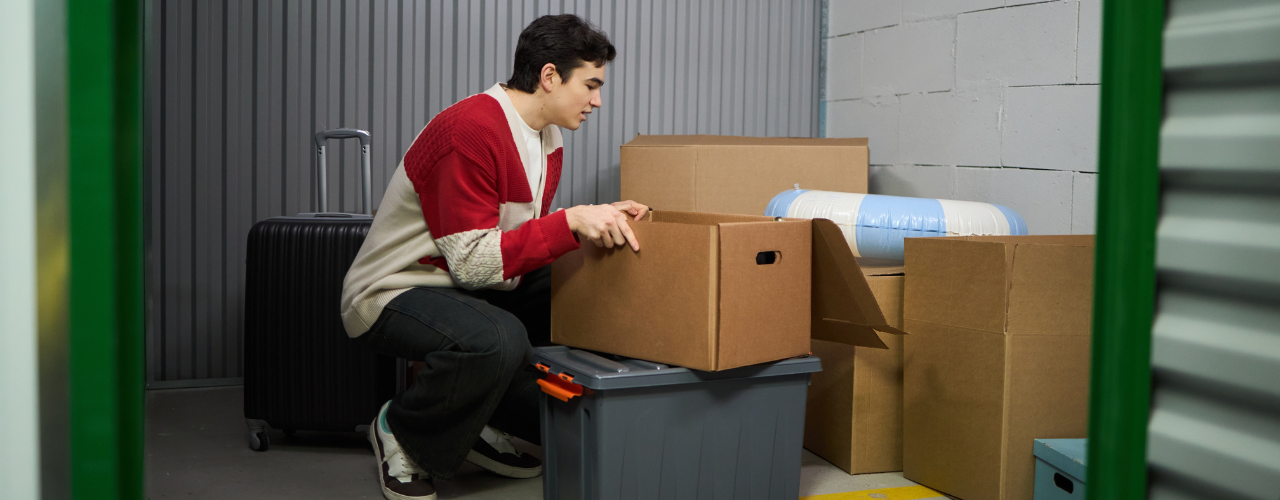
I’m a Millennial: What’s in My Storage Unit?
So, you’re a Millennial. You probably know all the lyrics to Phoebe Buffay’s Smelly Cat. Hannah Montana’s The Best of Both Worlds has become more like a life philosophy rather than a fun tune. And if you rent a self storage unit, you’re in good company. You’ve officially joined the 31% of Millennials who rent storage space, most often because there simply isn’t enough room at home, according to StorageCafe’s 2026 Self Storage Demand and Trends survey(opens in new tab).

Attic Storage Done Right: What’s Worth Keeping Up Top?
The attic is one of those places where holiday decorations end up next to a forgotten suitcase, a broken lamp and boxes nobody’s opened since moving day. Out of sight, out of mind works well enough until you need something from the back or realize you’ve been adding weight to a floor you know little about.

What to Know Before Starting a Self Storage Business in 2027
If you’re wondering how to start a self storage business, two questions come first: Does your area need more storage, and what would it take to run the business? Before you commit to a property, it helps to understand local demand, the costs involved and the day-to-day work of serving renters.
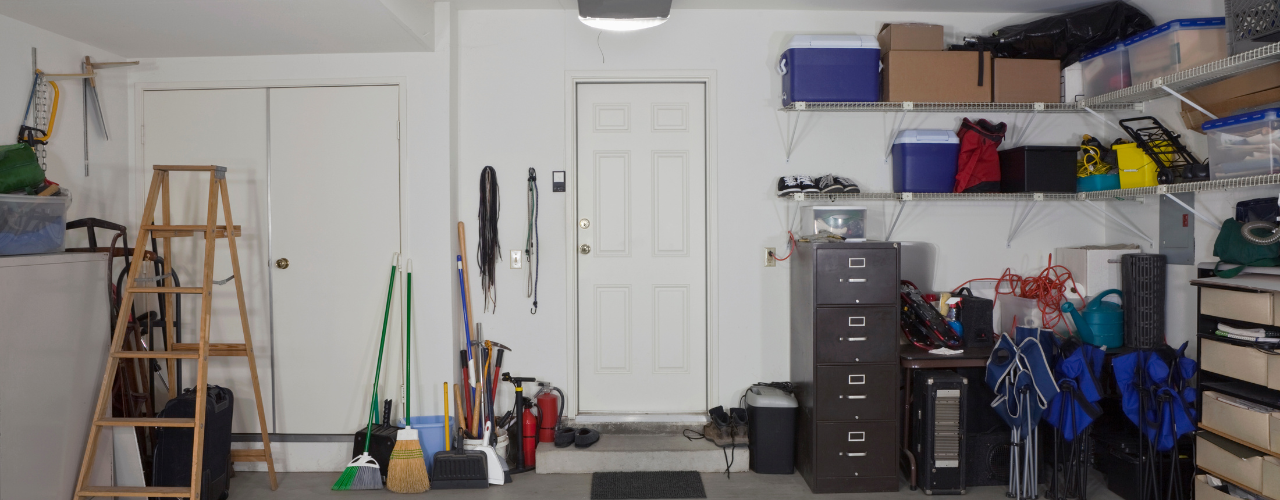
How to Organize Your Garage: A Step-by-Step Guide
A messy garage is often the product of plain, human indecision. And no, buying more bins isn’t the end-all decision to fix a cluttered garage. Luckily, the steps you need to take are not that complicated. Decide what your garage is for, empty it, sort and measure and buy storage last. Here’s how to make informed decisions along the way, so your garage stays organized for the long term.
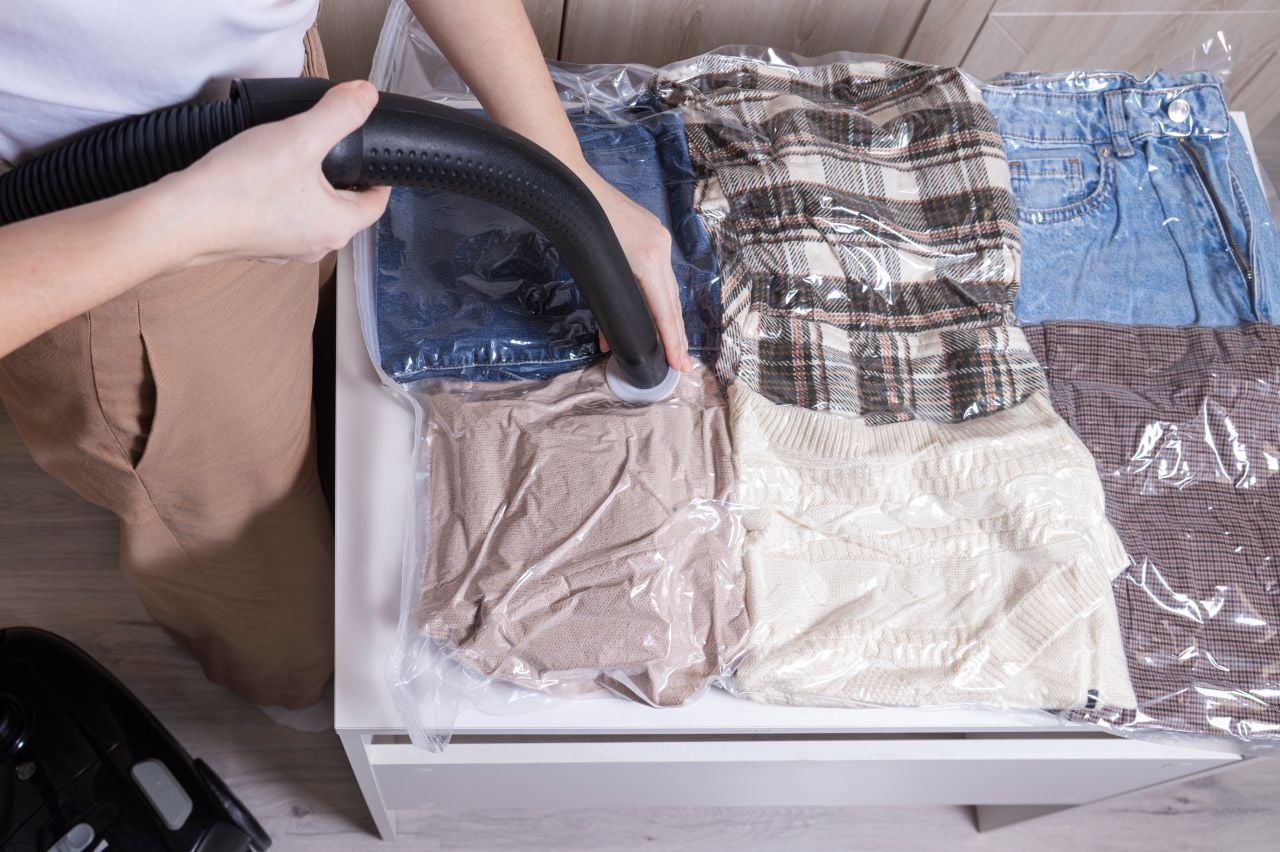
Should You Vacuum Seal Clothes? Everything You Actually Need to Know
Vacuum storage bags seem like the perfect solution when storage space is an issue: suck out the air, shrink that pile of winter sweaters into a fraction of the space and suddenly your closet is no longer overflowing. For the right types of clothes or other household linens, vacuum bags are actually quite handy and a great way to save closet space.

ATV Storage Guide: How To Store and Winterize Your ATV
The riding season is winding down, and that’s when most people start thinking about ATV storage. Keeping an ATV at home isn’t always easy. Garages fill up fast, sheds are rarely built for a four-wheeler and some apartment complexes and homeowners associations don’t allow one in the parking lot or driveway.