

Paint tubes, brushes, sketchbooks, scraps of paper, beads, half-used rolls of tape and that one very specific pen you swear you just had in your hand. Building up an art supply collection is rarely a neat process, and each new material brings its own storage needs.
Good art supply storage must account for that variety while still making sense when you’re in the middle of working. A beautifully organized box isn’t doing you much good if getting to your favorite brush requires moving everything out of the way first. Supplies you reach for constantly require a different setup from bulk materials or the miscellaneous bits collected for a future project.
That leaves plenty of room to get creative with storage itself. Rolling carts can follow you around a workspace, pegboards turn bare walls into unused storing spots and humble storage boxes can handle everything from paints to collage materials. Some of the best solutions weren’t even designed with artists in mind.
Ahead, we’re looking at art supply storage ideas for different materials, working habits and spaces, because your supplies deserve a little art direction too.
Keep your most-used art supplies in the hot zone
There are art supplies you pull out once every few months, and then there are the brushes, paints and tools that barely get a chance to cool down between projects. Those are the ones worth organizing around first. Instead of sorting absolutely everything by medium, create a small hot zone for the supplies that regularly make it onto your desk, regardless of which drawer or category they would technically belong to.
A rolling cart works well here because it can hold several types of supplies without eating into your working surface. Keep whatever you grab most often on the top tier, then let the lower levels handle things that still need to be nearby but aren’t invited to every creative session. Paints might sit next to a water jar and palette up top, while spare brushes, rags or protective gloves can live farther down. When you’re finished, the whole setup can roll away rather than leaving your desk permanently dressed for the occasion.
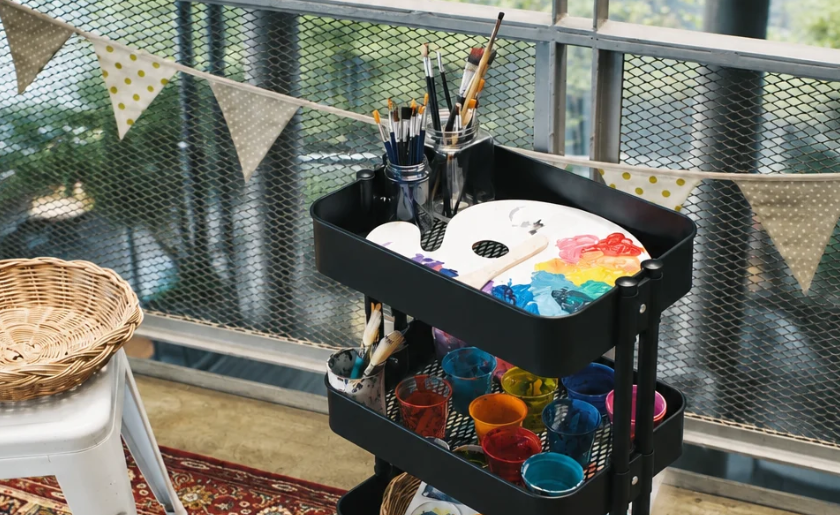
Open containers can make the same setup even smoother. A small bin or tray doesn’t need a lid when its contents are coming out again tomorrow, and a large-capacity pencil case can keep favorite pens, markers and drawing tools together without assigning each one its own tiny compartment. The goal isn’t to give every supply a labeled home, but to make sure the things your hands automatically look for have one.
Put tiny art supplies in their place
Beads have a natural talent for escaping, and collage scraps seem equally determined to colonize whichever drawer you put them in. Once your collection includes dozens of small supplies that are difficult to stack and even harder to find at a glance, larger storage boxes can create more rummaging than organization.
Cheap plastic shoe boxes are a good starting point for collage materials, craft paints and small bottles, even more so when they’re clear enough to see what’s inside before opening them. For supplies that need more separation, look beyond the art aisle. Fishing tackle boxes already come divided into small compartments, with many offering adjustable dividers that can accommodate anything from beads to pastels and small paint tubes. Stackable versions can also grow alongside a collection without requiring a completely new storage setup every time another medium catches your eye.
The hardware aisle has another contender. Small-parts organizers designed for nuts, bolts and screws often have removable or adjustable dividers, making them a good match for washi tape, charcoal sticks, ink cartridges and other supplies that don’t cooperate with uniform compartment sizes. Clear fronts or drawers also make it easier to spot what you’re after without conducting an archaeological dig through the entire collection.
Some unconventional art supply storage ideas come from farther outside the studio. Two-tier cases made for nail technicians can accommodate small paint tubes and brushes, while clear acrylic drawers normally marketed for makeup give smaller supplies their own shallow compartments. Stackable clear cubes with X-shaped dividers offer another option for anything you want separated but still visible on a shelf.
For small quantities, even a weekly pill organizer can moonlight as an art box. Its individual compartments can hold tiny supplies or small portions of materials for a project, and the separate lids mean opening one doesn’t send the contents of every other compartment along for the ride.
The common denominator here is visibility. Tiny supplies are less likely to vanish into the Bermuda Triangle of the craft drawer when you can see what you own, and you might even make it through a project without buying something you already had all along.
Give wet and messy art supplies their own zone
If the paint stains adorning every long sleeve of your sweatshirt are any indication, paint ends up everywhere except the surface it was originally intended for. Palettes stay wet, tubes get squeezed into increasingly strange shapes and mediums come with the added risk of leaking onto whatever has the misfortune of sharing a drawer with them. For this part of your art supply storage, containing the mess is just as important as keeping everything organized.
Start with the palette itself. Larger, flat plastic bins can hold wet palettes horizontally between painting sessions while keeping them separate from paper and other supplies that have no business getting acquainted with damp paint.
For acrylics, gouache and other paints you want to keep workable for longer, an airtight palette case can serve the same purpose while slowing down moisture loss between sessions.
Paint tubes are easier to manage when you can see what you’re working with. An essential oil travel box can be repurposed to hold smaller tubes upright, with the individual slots keeping them from collapsing into one colorful heap. Another option is to bring them off the work surface altogether. A metal cart fitted with a pegboard and hooks can hold frequently used tubes where their labels and colors remain visible.
Wall-mounted nail polish racks offer a similar trick. Their narrow shelves happen to suit smaller paint tubes well, turning an organizer designed for rows of polish into a compact paint display. Arrange tubes by color and finding the blue you’re after becomes easier than squeezing five nearly identical tubes to discover which one still contains ultramarine.
Then there are the mediums that spend their lives being poured, mixed and rematched, only to inevitably end up crusting around the lid. Restaurant-style squeeze bottles can be repurposed for materials such as gesso or diluted inks, with the narrow nozzle giving you more control over how much comes out at once. Just label each bottle and make sure the container is compatible with whatever you’re putting inside it.
Keeping the messy supplies together also gives the occasional spill fewer opportunities to become mixed media in the most literal sense.
Find a flat-out better system for paper and sketchbooks
Paper comes with its own set of storage rules, as a tube of paint can survive being shuffled around a drawer, but sketch paper, finished studies and those oddly sized scraps you’re going to use someday are less forgiving. Once they start bending at the corners or getting wedged beneath heavier supplies, even a well-organized collection(opens in new tab) can end up looking a little worse for wear.
A nine-cube storage unit gives these materials room to spread out without any other downsides. Magazine dividers placed inside individual cubes can separate smaller sheets, cardstock and works in progress, while other compartments can hold sketchbooks, binders or scrapbooks. You can also dedicate a cube to larger piles that need to stay horizontal, so delicate paper isn’t carrying the weight of half your art collection.
When floor space is already spoken for, look at the back of the door. A clear over-the-door pocket organizer can hold smaller paper pads and other lightweight supplies without asking for another piece of furniture.
Larger sheets can head to the wall instead. Wide, wall-mounted shoe storage compartments can be repurposed as slots for drawing paper and other flat materials, keeping them separated and off the work surface.
Even the smaller rolls can get an unconventional home. An old CD or DVD spindle case can corral rolls of tape, wire or string around its center post, while the clear cover keeps the contents contained.
With the flat stuff properly filed away, the only paper taking over your desk should be the sheet you’re staring at while you wonder whether that last brushstroke was a brilliant decision.
Pack a portable creative kit
Having a smaller, portable version of your usual setup means you can take your favorite materials along without hauling half your studio out the door, because inspiration doesn’t always have the courtesy to strike when you’re sitting at your desk, surrounded by every supply you own. Sometimes it catches you halfway through a trip, with a sudden urge to put something on paper and only a questionable ballpoint pen at your disposal.

Roll it up with canvas brush holders
Canvas brush rolls are a good starting point for painters and illustrators. Their individual slots keep brushes and other slender tools separated, while the whole thing rolls up into a compact bundle. Supplies that need a sturdier home are a good candidate for a portable art box or a fishing tackle case with adjustable compartments that can hold smaller paint tubes and other essentials without letting them mingle too enthusiastically in transit.
Take your studio outdoors with a plein air kit
For plein air painting, consider putting together a compact kit with a travel watercolor palette and a small sketchbook, adding other materials according to your preferred medium. A lightweight pochade box is another option for artists working with oils or acrylics, as it combines a portable painting surface with storage for a limited selection of materials.
Just remember to pack wet artwork separately, unless an accidental print on the inside of your bag is part of the artistic vision.
Keep a travel kit ready to go
One habit worth adopting is keeping a travel kit stocked with duplicates of the supplies you use most often. That way, heading to class or spending an afternoon drawing outdoors doesn’t involve dismantling your home setup, only to discover upon arrival that your favorite pencil didn’t make the journey alongside you.
Give the kit a little inventory check after each outing, replenish whatever you’ve used and it’ll be ready for the next time.
Get crafty with DIY art supply storage
Buying organizers for the supplies you use to make things feels a little ironic when you could just make the organizers yourself, doesn’t it? Before adding another purchase to your art budget, have a look around the house or pay your local thrift store a visit.
Give jars and old packaging a second act
Empty mason jars make lovely holders for brushes and drawing tools, and you can customize them with leftover paint or washi tape, although a little paint splatter will take care of that eventually.
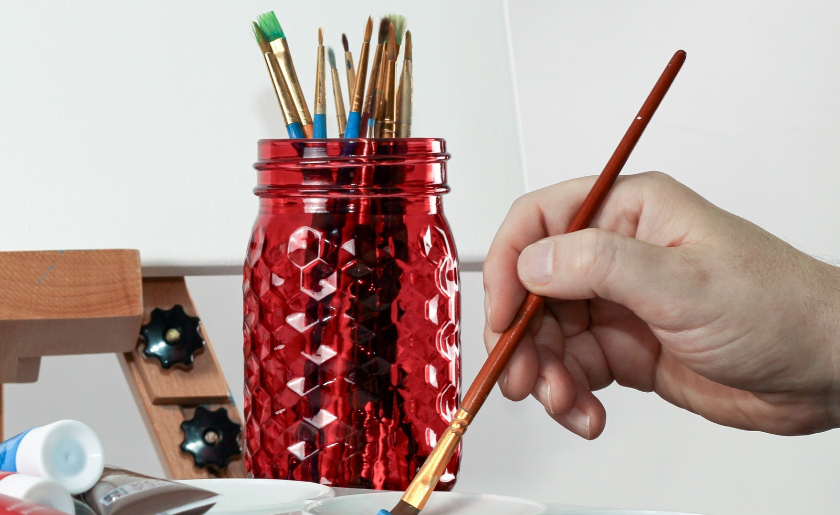
Sturdy cardboard packaging is another thing worth saving. Add homemade dividers cut from spare cardboard to create separate compartments or reuse the original inserts from previous art supply purchases. Just make sure the boxes can withstand repeated handling, and keep anything damp well away from them.
Build your own storage from thrifted finds
Old wooden crates can be stacked and secured to create open shelving with plenty of room for bulkier art materials. Give rough edges a light sanding first so they don’t snag fabric or scratch whatever you’re storing inside.
For another DIY project(opens in new tab) to add to your workspace, a piece of scrap MDF can become a portable drawing board. Have it cut to your preferred size, smooth and seal the edges, then pair it with large clips to hold your paper in place. It’s a nice little companion for drawing away from your setup without investing in a new one.
Use self storage when your art collection needs a bigger canvas
Finished artwork (opens in new tab)can take up a good amount of room, and larger pieces aren’t easy to tuck away in a cupboard. If your collection is starting to interfere with the space you need to work, renting a self storage unit(opens in new tab) can help accommodate the overflow.
A climate-controlled unit(opens in new tab) is worth considering for materials sensitive to fluctuations in temperature and humidity, more so if you’re planning to store your artwork for an extended period. You’ll also want to give some thought to how everything is packed and arranged inside the unit, so keep the following checklist in mind before locking up.
- Make sure everything is clean and dry before packing(opens in new tab). Paintings should be fully cured according to their medium, while brushes and other reusable tools need to be cleaned and dried.
- Protect finished artwork individually and use acid-free tissue or glassine where appropriate for the medium and surface, along with suitable protective wrapping. Avoid placing plastic directly against painted surfaces.
- Keep canvases from pressing against one another. Store stretched canvases upright in a sturdy rack or with rigid separators between them, making sure nothing rests against the painted surface. Larger framed pieces should also have adequate support rather than leaning precariously against a growing tower of supplies.
- Get everything off the floor. Shelving or sturdy pallets can provide an additional buffer between your collection and the concrete. Keep heavier materials on lower shelves and avoid stacking boxes.
- Check what you’re allowed to store(opens in new tab). Solvents, paint thinners and other flammable or hazardous art materials may be prohibited under your facility’s rules. Check the rental agreement before packing them and never transfer chemicals into unmarked containers.
- Label your boxes and leave yourself a walkway. Group materials by medium or project, mark fragile contents clearly and keep an inventory of what’s inside the unit. A small aisle between shelves or stacks will save you from having to excavate your entire artistic career whenever you need one canvas.
Finally, consider checking on your collection periodically, even when you don’t need to retrieve anything.
FAQ
1. How do you keep acrylic paint from drying out in storage?
Keep acrylic paints in their original containers with the lids tightly closed and wipe any dried paint from the rims to maintain a proper seal. Store them in a cool, dry place away from direct sunlight and freezing temperatures. For paint left on a palette, a stay-wet palette with a suitable moisture-retaining insert can help extend its working time between sessions.
2. What is the best way to store paintbrushes without damaging their bristles?
Always clean your paintbrushes thoroughly after use and reshape the bristles while they’re still damp. Let them dry horizontally or with the bristles pointing downward to prevent water from collecting inside the ferrule (the metal part holding the bristles). Once completely dry, store them upright with the bristles facing up or in a protective brush case, making sure the tips aren’t pressed against anything.
3. How long do art supplies last before they expire?
It depends on the medium and how well you’ve stored it. Unopened acrylic paints can remain usable for years, while markers and liquid inks may dry out much sooner. Dry materials such as graphite pencils and pastels generally have a much longer shelf life when kept away from moisture. Check for changes in consistency, unusual odors or mold before using older supplies, and follow the manufacturer’s storage recommendations.
4. How should you store art supplies in a humid environment?
Humidity can encourage mold growth on paper and cause certain materials to deteriorate over time. Keep your supplies away from exterior walls prone to condensation and use a hygrometer to monitor moisture levels in your workspace. A dehumidifier can help maintain more stable conditions, while silica gel packets offer additional moisture protection inside suitable sealed containers. Avoid packing anything away while it’s still damp.
A little organization is a fine art
Your art supply collection can look lived in, and that’s OK. What counts is having a system you can work with, one that works with your creative habits and leaves enough room for the next project (and the inevitable impulse purchase from the art store). Give your most-used materials a home, revisit your setup as your collection grows and don’t be afraid to get inventive with the organizers themselves.
You’ve already got the creative vision. Now your art supply storage just needs a little brush-up.



Where to Get Moving Boxes in Philadelphia
Philadelphia’s historic charm can put your patience to the test on moving day. Between cobblestone streets, narrow rowhouse entrances and the occasional pothole, you don’t want to worry about not having enough boxes on top of it all. Start gathering your moving boxes early and you’ll have one less box to check off on packing day. Luckily, you have plenty of places to get your boxes from.
Art Supply Storage from A to Easel
Paint tubes, brushes, sketchbooks, scraps of paper, beads, half-used rolls of tape and that one very specific pen you swear you just had in your hand. Building up an art supply collection is rarely a neat process, and each new material brings its own storage needs.
Scary Good DIY Halloween Decorations That Won’t Haunt Your Wallet
A few floating candles in the hallway, a family of ghosts by the front door and a suspicious number of bats climbing up the bedroom wall can make October feel a whole lot spookier. While Halloween stores are full of tempting finds, some of the best DIY Halloween decorations can come from things you already have tucked away in drawers, closets or the recycling bin.

Suburban Giants and Urban Risers: Where America’s 100 Largest Metros Fall on the Self Storage Map
Self storage has long been a suburban story. Across America largest 100 metros, 59% of the inventory built over the past decade sits outside city cores, largely preserving the ratio of the total existing inventory.
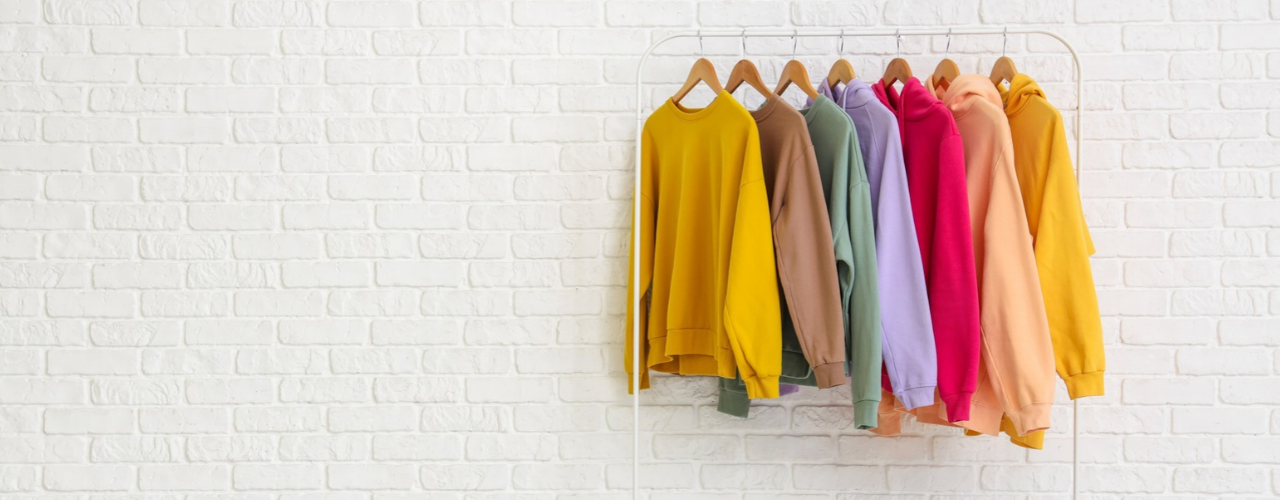
Sweatshirt Storage Ideas Worth Keeping Up Your Sleeve
Sweatshirts are great until you realize how much room they take up. A few thick hoodies can fill a drawer fast, with lighter crewnecks getting squashed underneath or pushed somewhere you forget about. Good sweatshirt storage can make that pile much easier to manage without requiring a bigger closet.

Living Room Storage Ideas: 28 Ways to Reclaim Your Hosting Space
If a living room is where most of a household’s living happens, good storage should be the top priority for setting up or revamping the place. After all, think of how easier it would be to have people over when tidying up the place is just a matter of putting things in their right place (in a time when fewer and fewer people are entertaining friends at home(opens in new tab)). The trick is making room for all those wayward clothes, blankets, chargers and other small things that end up on (or, inexplicably, in) the sofa. Here are 28 living room storage ideas to get you started and make tidying up a quick affair.
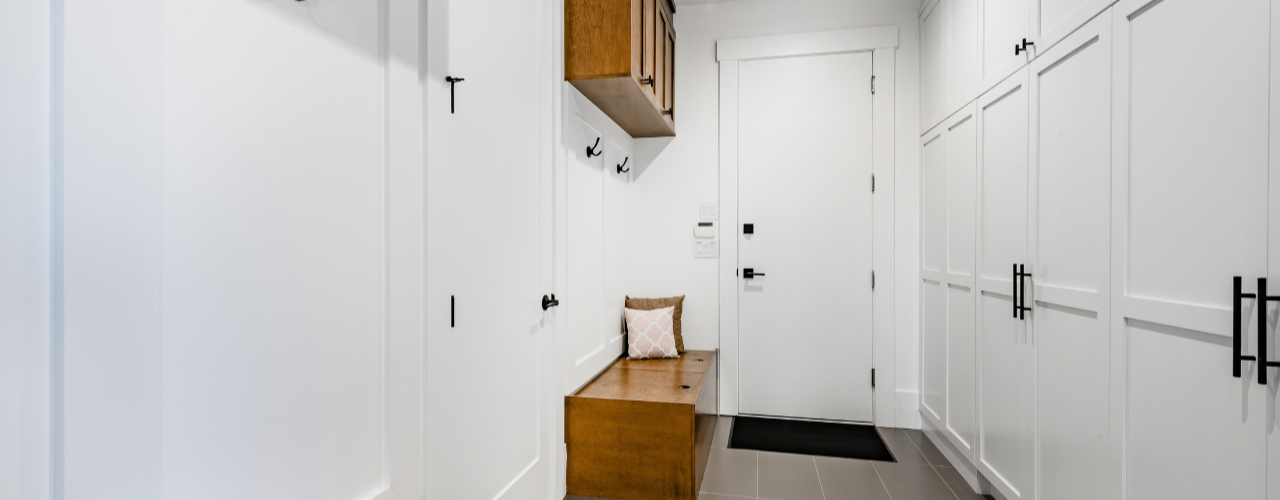
25 Mudroom Storage Ideas (And Mistakes to Avoid)
When you come home with muddy boots, an armful of bags and a coat you can’t wait to take off, it’s nice to have somewhere to put it all. With a mudroom, you can leave the outdoor mess at the door instead of carrying it through the house. Traditionally, you’d set aside a separate room, but you can just as easily use a hallway, an entryway closet, a laundry-room corner or a stretch of wall near the entrance.
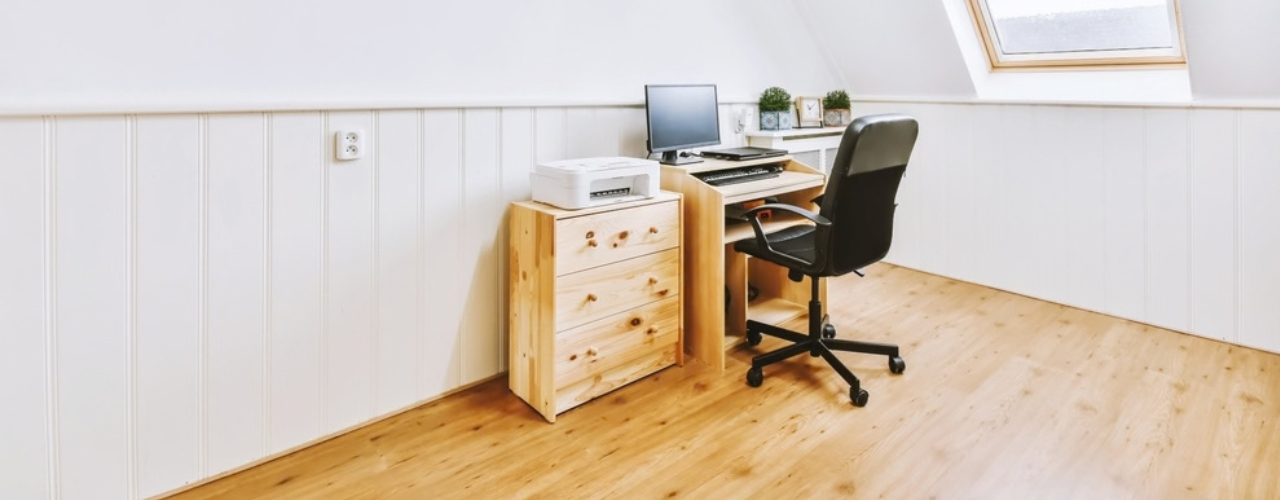
Is Your Home Office Worth the Rent? What Coworking and Self Storage Could Save You
Every square foot of your apartment comes with a price tag, and a home office claims more of them than most renters expect. It starts with a desk. Then come the second monitor, the printer, the filing cabinet and the overflow boxes. Before long, the corner you set aside for work has turned into a small room you are paying for every month.

Best U.S. Cities to Live Uncluttered: Plano, TX, Offers the Most Room to Breathe
Clutter is in our homes as much as in our heads. Both are shaped by where we live.