

The holiday season truly comes to life when you plug in the Christmas lights for a wondrous décor. It’s an exciting time of the year, but it’s equally difficult to pick the right lights for your home. Which style and size could best fit your home? Ask yourself a few basic questions starting with your holiday budget, the type of Christmas lights best suited for your display design, theme and your energy requirements.
Keeping all these considerations in mind, let’s look at the types of Christmas that you can choose from to create some of that holiday magic both inside and outside of your home.
1. Go for LED or incandescent lights
Before deciding whether you’ll go for LED or incandescent lights, it’s important to know their differences and also some of their pros and cons.
LED Christmas lights
As they’re a more recent invention, they come with a handful of perks:
- They last longer ( up to 100,000 hours), which can save you a lot of energy.
- They don’t produce heat, which makes them less likely to cause a fire.
- They come in warm and cold-glowing colors.
- They can be used both indoors and outdoors, but their intense brightness recommends them for outdoors use especially.
- You can connect several light sets together, but make sure the combined wattage doesn’t go over 210 watts. You should also check the package for the wattage as different lights can amount to a different amount of watts.
- They’re more expensive than incandescent bulbs, but it’s worth investing in them.

Incandescent lights
They are the most common type of lights used, named so due to the glow they give off when lit. Here are their most common features:
- They’re less costly than LEDs.
- They give off a warm glow that LEDs lack.
- They require more energy.
- They tend to last between two and six years.
- The most common incandescent Christmas light today is the mini light bulb (the T1¾ bulb).
- The first incandescent Christmas light bulbs had the shape of a tube and a cone (C style), or more recently referred to as “retro”.
- Rice and microlights are the smallest and the narrowest type of bulbs, usually found on small wreaths and trees and in miniature decorations.
2. Pick Christmas lights by bulb size
There is a large selection of bulbs based on their size. Here are some of the most common ones:
The C-series
The original ones were the C-6, but you can also find the C5, the C7 and the C9. The C6 will help you bring back that retro look on trees or even on your porch columns when you wrap them around them. They will make a statement with an extra pop of color.
The C7 light is one of the most common ones. They come in a clear cone shape, with a screwable base called “candelabra” and brightness of around 5 watts. You should get these types of lights if you’re aiming for the old-fashioned Christmas look. The C7 bulbs are perfect for pathways — make sure to pick LEDs for outdoor displays, as these will be sure to create that magical Christmas atmosphere. The S14/T50LED or incandescent bulbs are also great to decorate the outdoors.
The C9 is the other most common C light. A little larger in diameter than the C7 (about an inch and a quarter in diameter), they have a brightness of around 7 watts. As they give off quite a lot of light, they’re used in outdoor strings and yard decorations, but can also adorn larger Christmas trees, dormers walkways, eaves and peaks of roofs.
The G-series
Globe lights (G) are another type of incandescent bulbs, which have a crystal appearance. They’re numbered to indicate their diameter in millimeters as such: G12 berry lights (12 mm – just under half an inch in diameter), G30 (over an inch in diameter) and G50 (two inches in diameter), which are perfect for outdoor Christmas party decorations, patios and smaller trees.
3. You can select from different styles of lights
Christmas lights come in various styles and shapes for every corner of your home. Here are some of the most common types of lights that you can incorporate into your décor:
Mini string lights
This type of light comes with small bulbs and have been popular for the past few decades. They have a sparkling glow that exudes warmth. They’re colored and can give your Christmas tree that ageless look. For medium lighting, you are going to need about 100 mini Christmas tree lights per foot, when looking vertically at a tree. In the case of dense evergreen trees, like pines, firs and spruce you may need to use more lights. Larger bulbs might be better suited for this type of greenery. Keep in mind that they use quite a lot of energy.
Microlights
Microlights are just the smaller version of the mini string lights, They are designed for indoor use only. As they are low voltage and use less electricity than mini string lights, they can last up to 12,000 hours.

Flameless candles
Flameless candles are another type of Christmas lights with a charm of their own. Put them on your windowsills or anywhere else in your home where you can add a little extra light.
Icicle lights
As their name suggests, icicle lights imitate icicles when hung with their small, lighted extensions. The drops hang down from anywhere from 5 – 30 inches each. They come in uneven length so that when hung up they don’t look even.
Net lights
Net lights can be easily placed over surfaces or shrubs to illuminate them. Since they’re already strung together, it’s easy to install them to help create that wondrous holiday atmosphere.
Rope lights
Rope lights are usually LEDs bulbs in clear sheaths trying to recreate the classic Christmas string lights. They can be used to adorn doorways, windows and walkways.
Luminaries
It’s easy to create a cozy Christmas ambiance with these lights for the outdoors. Originally from New Mexico, they are basically made out of paper bags which are weighted with sand. Inside, there’s usually a lit candle. They’re used to line paths and walkways or arranged in interesting patterns to light up the ground level.
Lanterns
Holiday-themed lanterns are another lighting solution that promises a little bit of vintage charm to your holiday ensemble.
Lighted trees and branches
If you want to take a simpler route to decorate your shrubbery for Christmas, go for the pre-lit trees and branches. They save the hassle of finding the right lights and they’re elegant.

When trying to pick which string of lights will best suit your display, make sure you decide on the style that you’re going for. Is it retro or more modern? Start by picking a focal point. Then, place lights outside of that point to help bring your display together.
4. Find the right lights by the power source
Make sure you have a power plan in place before picking the right lighting scheme for your home. Think about how far into your yard you wish to extend your lights, and whether you are going to need extension cords. Here are some of the ways in which you can power up your lighting scheme:
Use an electric power supply
If you opt for this type of power supply for your Christmas lights, you need to make sure you have enough extension cords within reach of the outlet, especially for the more remote areas of your yard.
Consider battery-operated lights
Since no plug is necessary, battery-operated lights can be placed anywhere inside the home. They are best suited for décor that’s away from outlets, but you can also use them if you decide to wear a light-up costume.
Take advantage of solar-powered lights
They’re typically used for the outdoors and are a very efficient source of power. Connected to solar panels that can be grounded, solar-sourced Christmas lights use to turn on when it gets dark outside. They’re a little more expensive, but they save you energy in the long run. You should also know that they only come in cold LED coloring.
5. How many Christmas lights will you need?
It is up to you how many lights you want to put up, but there is a general rule that can help you out in this context: You need about 100 mini lights for every foot-and-a-half of the indoor tree. If you enjoy a generous Christmas lighting décor, you can always add more. Keep in mind that you can add fewer lights on thinner trees. Also, you should use large bulbs for pines, spruces and firs.

6. Plan on storing your lights after the holidays
Making a plan on how to approach your Christmas lights will prove itself useful to getting that dreamy décor you’ve been waiting for all year long. Make sure to also plan on how to store your lights when the holidays are over. Instead of cramming your home with all lighting display, you can put them in storage. Renting a 5×5 storage unit might be all that you need if you have fewer lights. If, however, you have a large house that was adorned with yards of Christmas lights, you’re better off looking into a 10×10 storage unit to make sure all your lights can comfortably fit. Besides, you can also store other household items such as clothing and even a small piece of furniture when you rent a unit of this size
Did we help you decide which kind of Christmas lights you are going to need for your home? Let us know in the comments section below.



Fall Cleaning Checklist: Your Guide To A Cozy, Organized Home This Season
Many of us feel the urge to prepare our homes for the season ahead as soon as the first yellow leaves hit the ground. With days growing shorter, families spending more time indoors, and holiday gatherings appearing on the horizon, it’s only natural that we want our homes to be neat, tidy and comfy.
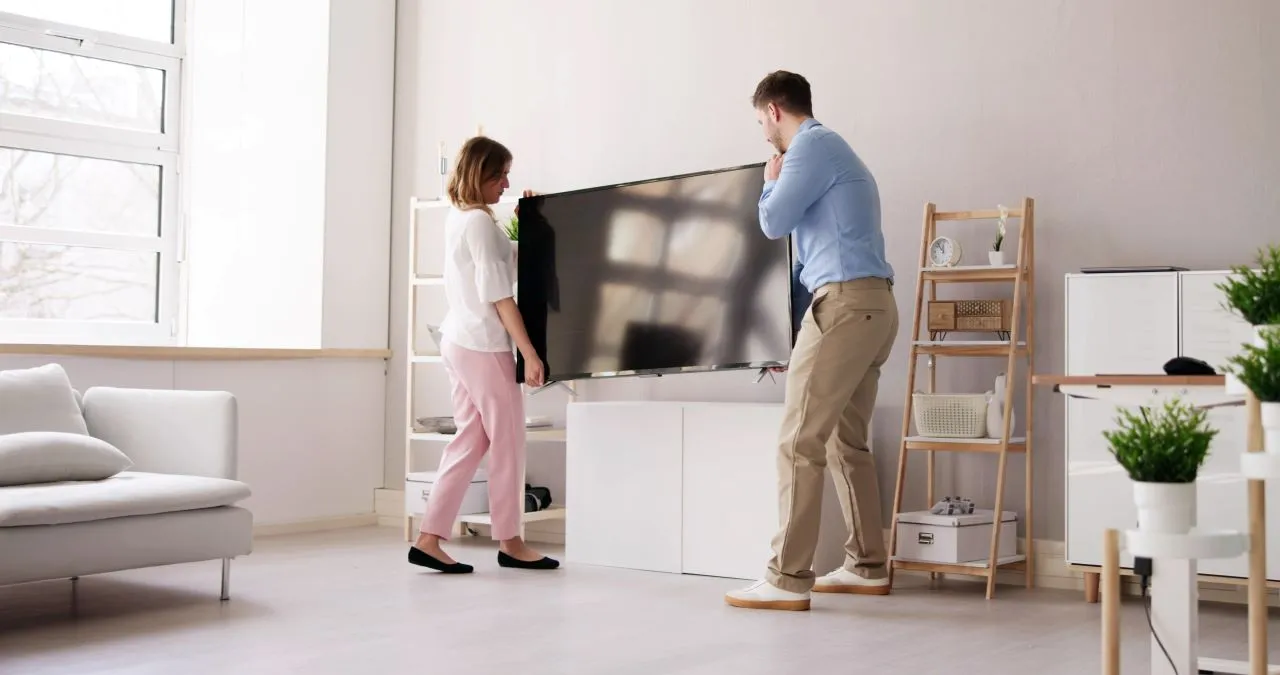
How to Move a TV: The Right Way to Pack, Transport and Store Any Television
TVs rank among the most stressful items to move. They’re large, awkward to carry and one wrong move can leave you with a cracked screen or dead pixels. Modern LED, OLED, and QLED panels are significantly more fragile than the heavy TVs of the past. Their screens are thin, their internal components are delicate, and they’re designed to sit still on a stand, not ride in the back of a moving truck.
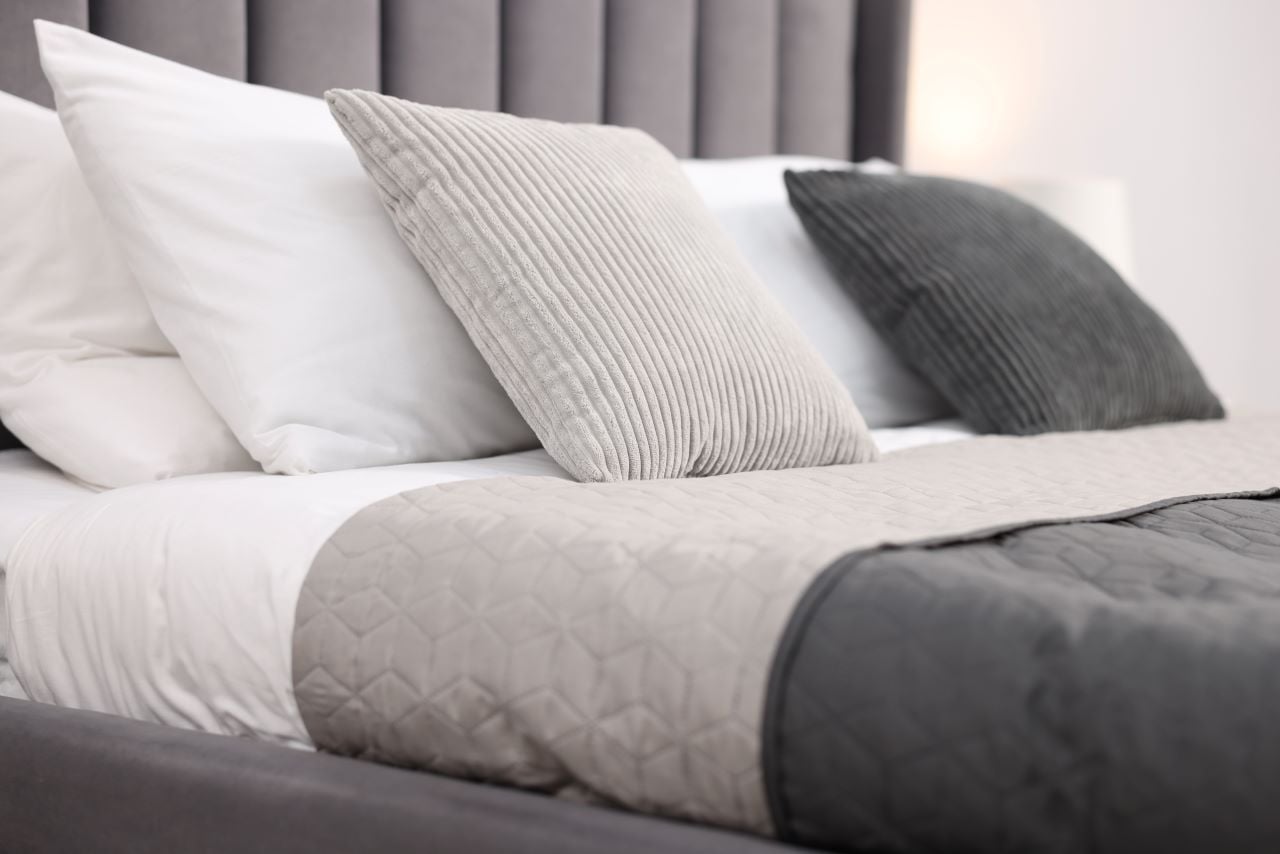
How to Store Bedding the Right Way (Without Smells or Flattened Fills)
If you’ve ever pulled a comforter out of storage and immediately caught a whiff of something musty, you know how frustrating it can be. Good quality bedding can be quite expensive, so you definitely want to keep what you own in pristine conditions.
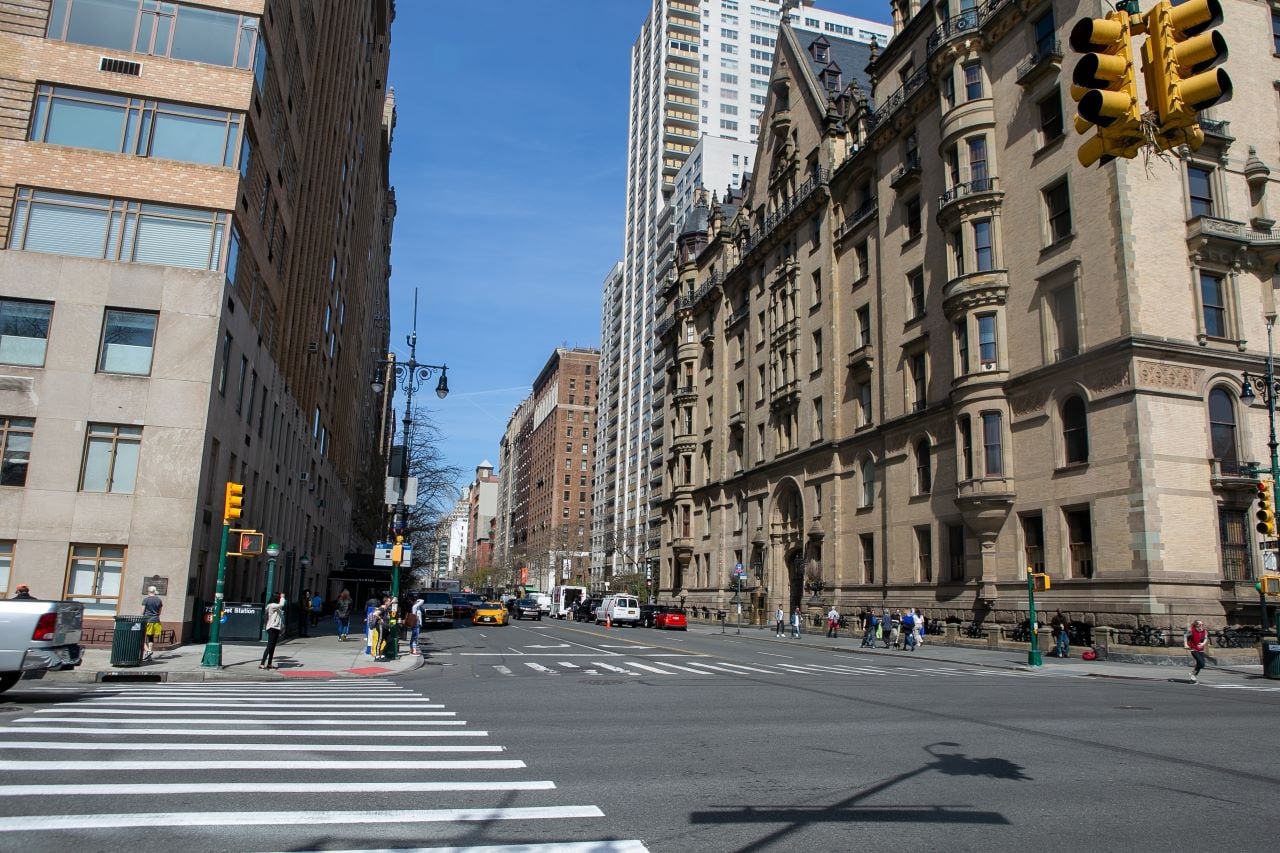
Where to Get Moving Boxes in NYC: Your Complete Guide
Moving across New York City comes with all sorts of logistical puzzles. You’re working around narrow staircases, building freight elevators with limited hours, alternate-side parking windows, and doormen who’d rather you weren’t blocking the lobby with a dolly. The last thing you want to be scrambling for on top of all that is moving boxes.

How to Keep Personal Belongings Organized When Living Together
You dreamed of the Friends apartment. Or maybe just a tidy place where you and your roommate had your own corners of the world. For couples, living together was supposed to feel like home. For multigenerational living, it was supposed to bring everyone closer. What nobody warns you about is that living together introduces a whole new layer of organization in shared spaces. Your stuff, their stuff and everyone’s habits are competing for the same square footage.

Where to Donate Furniture in San Francisco: 6 Organizations That Make It Easy
San Francisco has no shortage of places to donate furniture, which is good news in a place where moving trucks seem to be a permanent part of the streetscape. Anyone who’s ever watched three friends pivot a couch around the tight corner of a San Francisco Victorian knows moving day here can turn into a spectator sport. Apartments change, roommates come and go and sometimes the couch that fit in one place might not make the trip to the next.
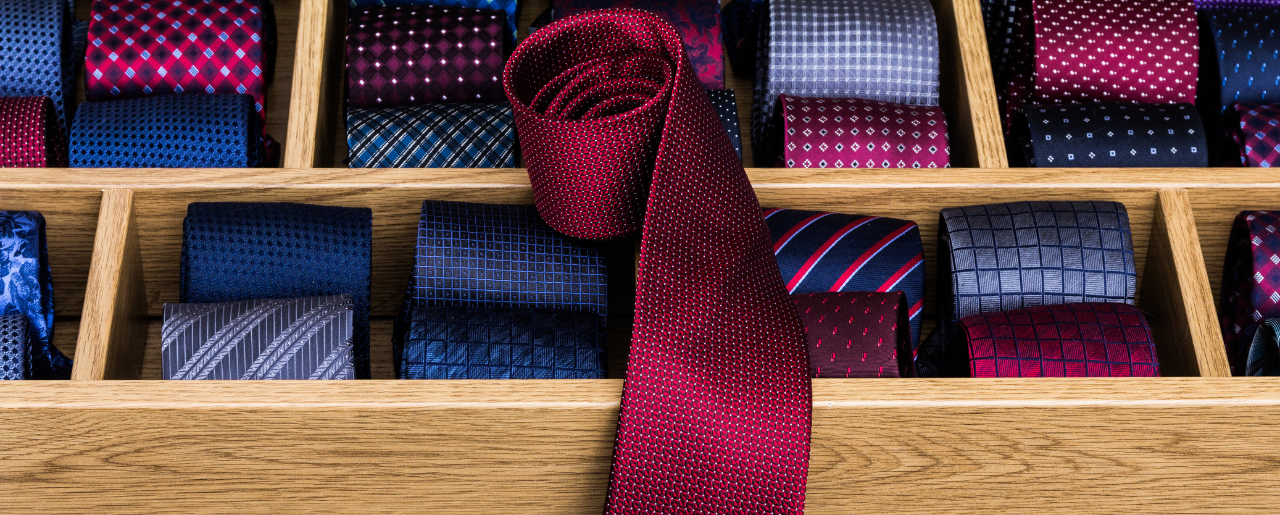
How to Store Ties: Closet, Drawer and Travel Scenarios
The best way to keep your ties wrinkle-free is to just learn how to properly store them. You can start by knowing to never store ties knotted, in tight rolls, or exposed to direct sunlight or heat (which causes discoloration). But there are a few extra steps you can take to ensure your ties stay in top form. Let’s go through all the places and ways you can store your ties, and you may never have to worry about a crumpled necktie again in your life.
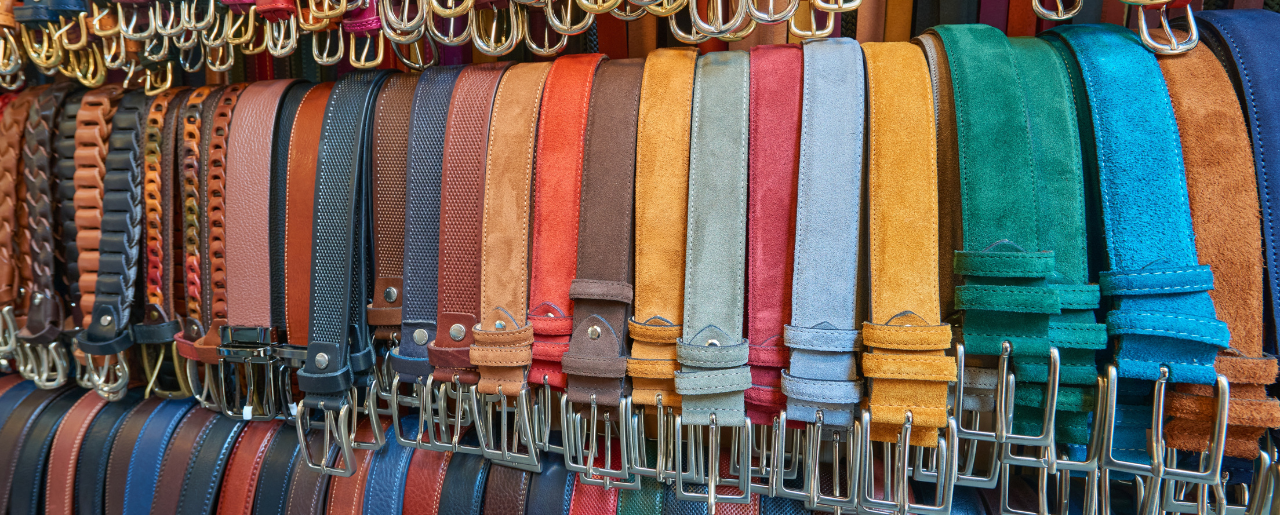
How to Store Belts (Without any Hassle)
If you want to make sure you’re storing your belts properly, we get it. A belt might be a small part of an outfit, but small details can make a big difference. Belts have been part of clothing for thousands of years — dating back to the Bronze Age — and while their purpose has evolved, they remain both functional and personal. If you have a favorite leather belt, an expensive piece, or simply a few belts you want to keep looking their best, it’s worth knowing how to store them properly. The right method can help prevent creases, cracks, scratches and unnecessary wear.
Where to Donate Books in Chicago
As much as we don’t like giving up books, sometimes we just have to in order to create the mental and bookshelf space for new literary adventures. But we all want to make sure our books aren’t wasted and get a second life. Chicago has a generous network of organizations that will put your books back into the hands of readers who’ll treasure them. Here’s where to donate books in Chicago, based on our research.