

Learning how to organize a small kitchen is truly an art form. The kitchen is often the heart of a home — a space where family, friends, and roommates gather to cook, share food, laugh, and connect. But not every kitchen offers the luxury of space, especially in apartments or older homes.
A small kitchen can feel limiting, but it doesn’t have to be. With the right strategies, you can transform even the tiniest cooking area into an efficient, functional, and inviting space. In fact, one advantage of a small kitchen is that everything you need is close at hand — making meal prep faster and easier.
Here are some practical tips on how to organize a small kitchen so you can make the most of every inch:
1. Start by analyzing your own habits
There isn’t a single, definite answer to how to organize a small kitchen, because the best way to do it must take into account your own habits. Do you cook three meals daily? Then you need to focus on getting as much counter and storage space as possible. If you don’t cook full meals on a daily basis, but you or your kids often use the kitchen for working and studying, you should prioritize a large, sturdy table over a kitchen island or extra counter space.
2. Get tall kitchen cabinets

When it comes to storage, the best cabinets for small kitchens are tall, ceiling-height designs. In a compact space, every inch counts — and using vertical storage allows you to nearly double your cabinet capacity. These taller cabinets make it easier to keep your kitchen organized while minimizing clutter on countertops and open surfaces.
Open shelving may seem tempting when remodeling a small kitchen, as it creates a sense of openness and makes the room feel larger. However, this design choice often comes at the cost of functionality. Without enclosed storage, it’s harder to keep items neatly tucked away, and your kitchen can quickly look crowded.
For maximum efficiency and a clean, streamlined look, opt for ceiling-height cabinets that take full advantage of your vertical space.
3. Favor multiple-use kitchen appliances
Be mindful about the cooking gear and utensils you are purchasing, if you want a small kitchen that’s streamlined and well-organized. There are so many tools out there that do just one, very specific thing — like an apple peeler, an avocado cutter, an egg boiler, and so on. Most of these gadgets can be easily replaced by regular kitchen items like knives, or a pot. Kitchen appliances also take a lot of counter and cabinet space, so keep only the ones that you actually need on a daily basis. If you use your sandwich or waffle maker every few months, you definitely can go without them.

Also, if you consider purchasing a new appliance, or tool, favor the ones that do more than one thing — get a multicooker instead of a slow cooker, for example, because the former has far more uses than the latter.
4. Buy sets of things
One common space waster in kitchen cabinets are pots, pens, tableware, cups, mugs and glasses that are not part of a set. You can’t neatly stack or nestle one inside the other with mismatched kitchen items. You can avoid the problem by purchasing good quality sets of cookware and tableware that take up a lot less space and are easier to store. Of course, if you have favorite bowls or mugs, you should keep those — just make sure that the majority of the stuff in your kitchen cabinets is stackable. This strategy also makes loading the dishwasher easier and more convenient, as you can fit more dishes in a single load.
5. Get rectangular storage containers
Rectangular storage containers for sugar, flour, pasta and any other ingredients save a lot of cabinet and pantry space. There’s no “dead space” when using these, as may happen with cylindric containers. You can arrange them neatly in rows and fit more stuff inside your cabinets and your pantry than you thought possible.
6. Pick the right table for your space
If a kitchen island or a full-size table simply takes up too much space in your small kitchen, you have several options. A very practical option is a drop leaf console table that you can extend when needed. You can extend just one side, or both, if you have company over, or if you plan on using it as a workspace as well. For the rest of the time, it can be a very practical, narrow console table.

You can replace the classic kitchen island — that is indeed useful as it provides space for preparing food and for using your kitchen appliances — with a sturdy, yet compact, kitchen cart. This type of furniture answers the same types of needs as a kitchen island, but it takes up a lot less floor space and is also mobile, allowing you to move it where needed.
7. Rent a self storage unit
Sometimes, not matter what you do, there’s simply not enough space in your kitchen for all your belongings. In such circumstances, your best option is to rent a self storage unit. You can use it for the items you don’t use on a daily basis, but you still need: your elegant china set for fancy dinners, the big oven pan you use to roast a turkey, and so on. A 5×5 storage unit can hold several boxes and even some pieces of furniture, like extra pliable chairs for guests and more.
This solution is practical particularly for people living in large cities, where space is a hot commodity. The cost for a 10×10 self storage unit in New York City, for example, is around $175 per month, but it allows you to keep safe not only kitchen items, but also sports equipment, seasonal clothing, extra furniture, and so on.
8. Use colors to enhance the space
Apart from being practical and well organized, the kitchen also needs to be an inviting, cozy space, so you also should pay attention to design elements. One of the easiest ways to change and improve the look of your small kitchen is through a fresh coat of paint — either on walls or on the furniture.

Most people are tempted to use only light colors in small rooms, but your small kitchen will benefit the most from combining light colored surfaces with blocks of solid, bold ones. Use luminous off whites for the big elements of the kitchen (floors, walls, countertops), but play around with darker shades here and there to create more volume and depth in your kitchen. You could add an accent wall, install a colorful backsplash or repaint the base cabinets in a different color.


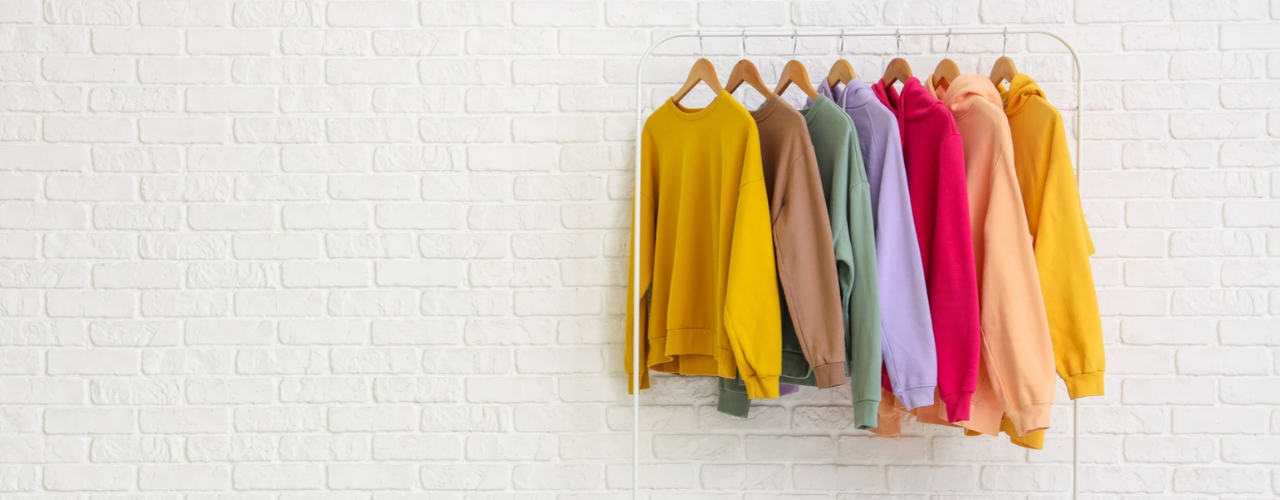
Sweatshirt Storage Ideas Worth Keeping Up Your Sleeve
Sweatshirts are great until you realize how much room they take up. A few thick hoodies can fill a drawer fast, with lighter crewnecks getting squashed underneath or pushed somewhere you forget about. Good sweatshirt storage can make that pile much easier to manage without requiring a bigger closet.
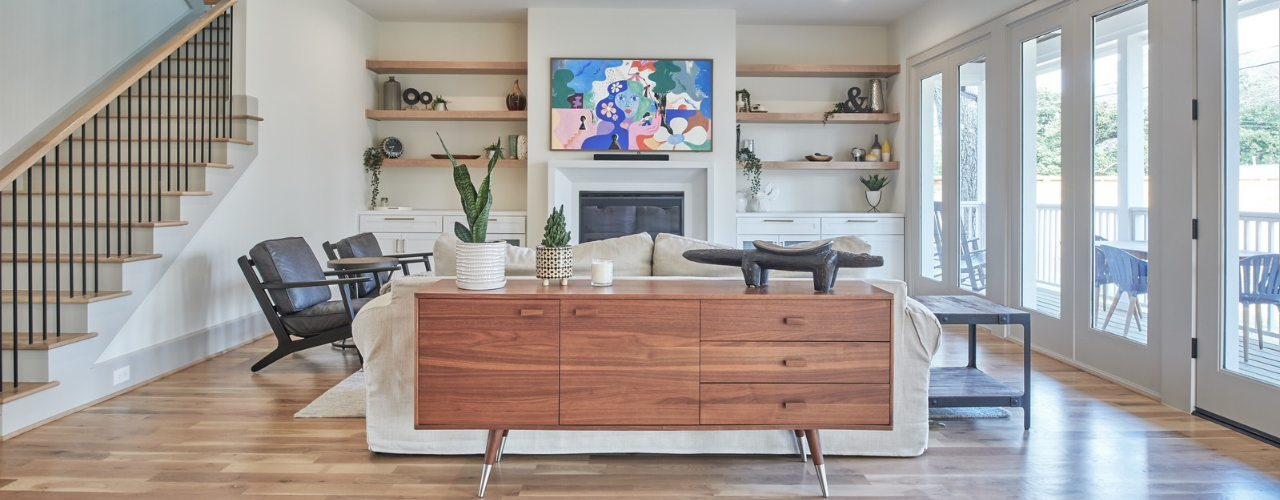
Living Room Storage Ideas: 28 Ways to Reclaim Your Hosting Space
If a living room is where most of a household’s living happens, good storage should be the top priority for setting up or revamping the place. After all, think of how easier it would be to have people over when tidying up the place is just a matter of putting things in their right place (in a time when fewer and fewer people are entertaining friends at home(opens in new tab)). The trick is making room for all those wayward clothes, blankets, chargers and other small things that end up on (or, inexplicably, in) the sofa. Here are 28 living room storage ideas to get you started and make tidying up a quick affair.
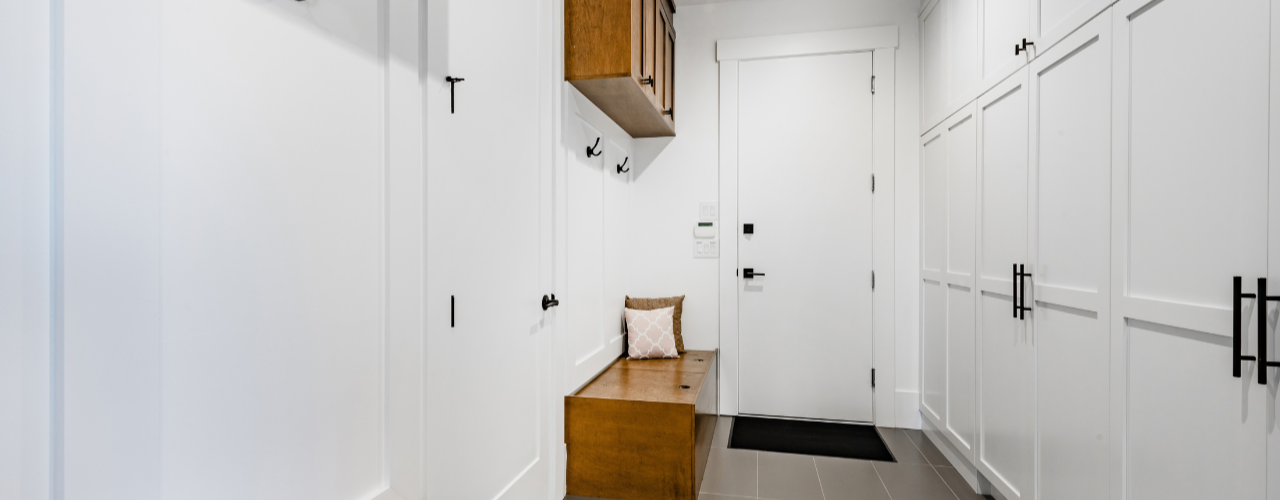
25 Mudroom Storage Ideas (And Mistakes to Avoid)
When you come home with muddy boots, an armful of bags and a coat you can’t wait to take off, it’s nice to have somewhere to put it all. With a mudroom, you can leave the outdoor mess at the door instead of carrying it through the house. Traditionally, you’d set aside a separate room, but you can just as easily use a hallway, an entryway closet, a laundry-room corner or a stretch of wall near the entrance.
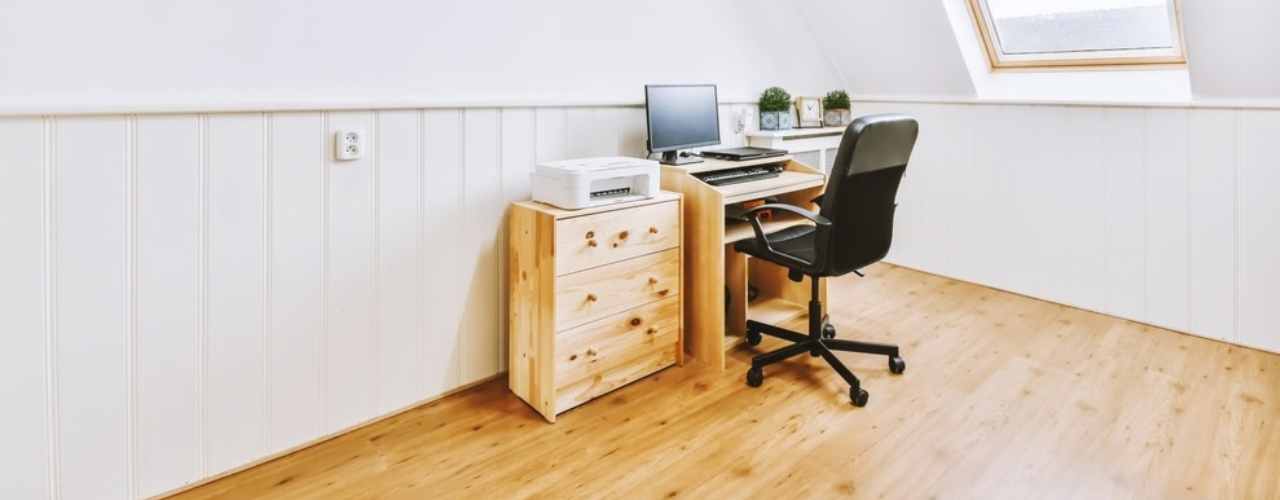
Is Your Home Office Worth the Rent? What Coworking and Self Storage Could Save You
Every square foot of your apartment comes with a price tag, and a home office claims more of them than most renters expect. It starts with a desk. Then come the second monitor, the printer, the filing cabinet and the overflow boxes. Before long, the corner you set aside for work has turned into a small room you are paying for every month.

Best U.S. Cities to Live Uncluttered: Plano, TX, Offers the Most Room to Breathe
Clutter is in our homes as much as in our heads. Both are shaped by where we live.

America’s Top Snowbird Destinations for 2026–2027: Florida Leads in Numbers, Texas Wins on Value
For Americans living in colder states, the approach of winter is reason enough to start looking south. Cold weather carries costs that go beyond the heating bill and shoveling snow. Seasonal affective disorder(opens in new tab) is far more prevalent in northern states, so a temporary move south isn’t simply an escape from the cold, but a chance to spend the hardest stretch of winter outdoors and in the sun.

How Much Does Halloween Really Cost in 2026? Plan Wisely to Avoid the Scare of Hidden Costs
Americans’ love for Halloween is almost frightening — this year alone, we are on our way to spending $13.5 billion, according to data from the National Retail Federation(opens in new tab). That breaks down to about $115 Halloween costs per person, a whopping 49% more than 10 years ago.
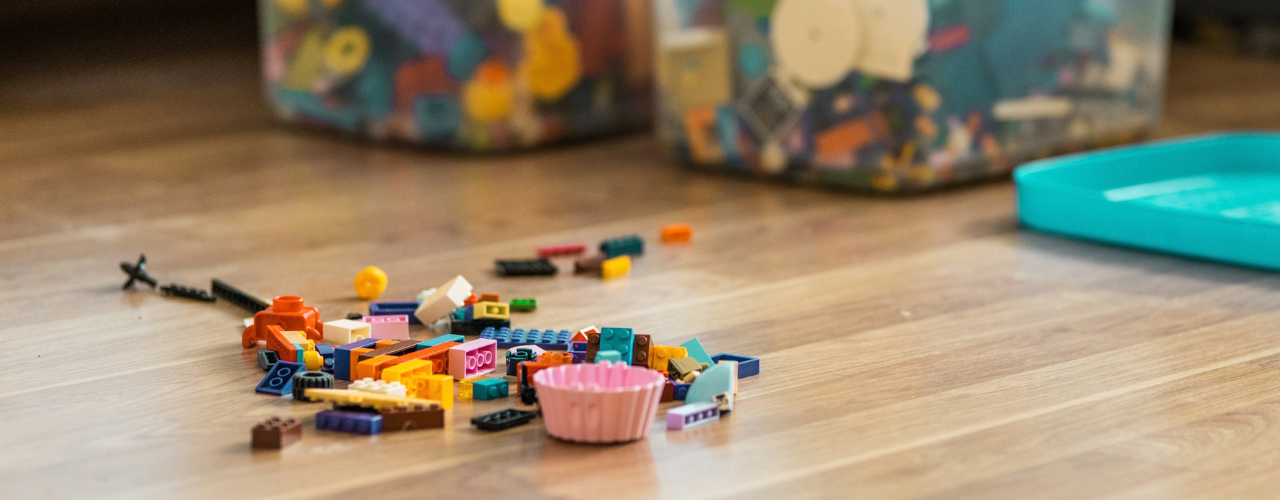
How to Store LEGOs: All the Fun, None of the Clutter
How to store LEGOs largely comes down to how your household uses them. If the bricks are part of everyday play, you need a setup that keeps them within easy reach and makes cleanup quick (for your feet’s sake, at least). Toy storage(opens in new tab) such as simple bins, playmats or containers that children can put away themselves may be enough. Larger or more serious collections usually need more organization, such as labelled drawers for loose pieces, trays for unfinished builds, shelves for completed models and separate storage for retired sets.

Cardboard Costume Guide: Tips and Ideas for a DIY Halloween
Whether for kids or adults, cardboard costume ideas often make the biggest splash once materialized, and that’s for a simple reason: doing a lot with a little is a universally impressive feat (especially in this economy). If you don’t have enough boxes you could temporarily repurpose, don’t worry! There are many places where you can find free moving boxes(opens in new tab), from stores and supermarkets to online groups and recycling drop-off spots. On the run? Try your luck at a self storage(opens in new tab) facility that sells moving supplies, often for cheap. This way, you can choose moving boxes of different shapes and sizes(opens in new tab), so you can make your costumes as complex as you want.