

Moving into a new home is thrilling and stressful in equal measure. While you’re busy planning the big-ticket items like furniture and appliances, it’s easy to forget a handful of smaller essentials that you’ll suddenly need right before or just after the move. That’s exactly why a good new home checklist is worth keeping close. To make your move as smooth as possible, we’ve pulled together the ultimate list of basic items and setup tasks that cover everything your new place needs. First-time buyer or seasoned mover, this guide will help you settle in safely and comfortably, without those maddening last-minute runs to the store.
Security and safety essentials
1. New door lock
Should you change the locks when you move in? If you’re not moving into a brand-new turnkey home, yes. You simply never know who’s had access to the property before you, and replacing the lock is the surest way to guarantee no stranger is walking around with a copy of your key.
When you pick a new lock, look for one that keeps your home easy to get into for you while shutting out anyone who shouldn’t be there, so it’s worth spending a little more on quality. You can add a deadbolt, swap in a standard replacement lock, or go all-in on an electronic keyless lock. Smart locks give you more control and take away the worry of ever losing your keys.
2. Fire extinguisher
If your home already has a smoke alarm, you might assume fire safety is handled. It isn’t. A fire extinguisher is non-negotiable, and every home needs at least one so you can knock out common hazards like a kitchen fire fast. Keep it somewhere easy to grab, make sure everyone in the house knows where it lives and how to use it, check it regularly, and replace it once it expires.
According to the U.S. Fire Administration, there are five main types of fire extinguisher, each built for a different kind of fire:
Type A — for ordinary materials like cloth, wood, and paper.
Type B — for combustible and flammable liquids.
Type C — for electrical equipment.
Type D — for flammable metals.
Type K — for cooking oils and fats.
3. Smoke and carbon monoxide detectors
No room for shortcuts when it comes to safety. Your new home may already have smoke alarms, but never assume they work, since detectors don’t last forever and their batteries die. Test every unit the day you move in, swap in fresh batteries, and if any detector is more than ten years old, replace it entirely.
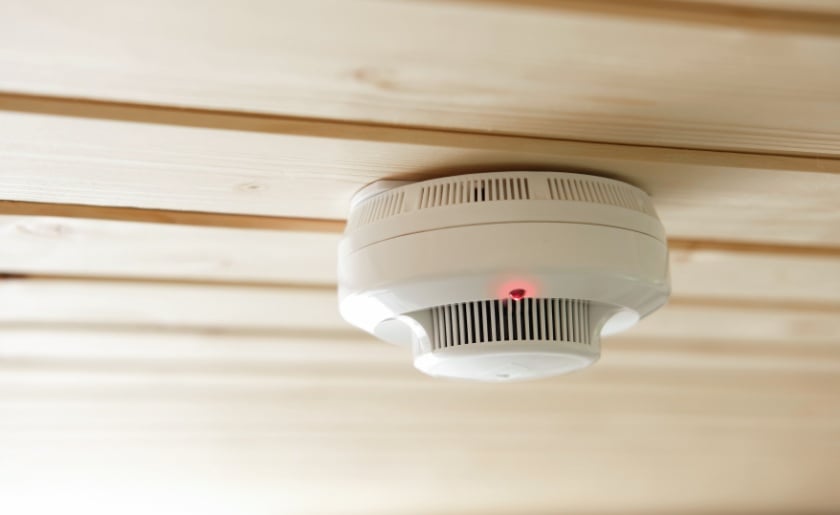
Just as important, and far too often forgotten, is the carbon monoxide detector, which protects you from a silent, odorless gas that faulty furnaces, water heaters, or stoves can produce. Make sure you have working units near every sleeping area and on every floor, and get in the habit of testing them regularly. These small, cheap devices genuinely save lives.
4. Home security system
A solid security system belongs near the top of everyone’s list, keeping your new home protected around the clock. With so many options out there, you can find one that fits both your needs and your budget. You can go for a self-install system, which is pretty straightforward, or call a security company and have a professional system installed for you.
Essential kits and tools
1. Cleaning supplies
Next up is a well-stocked, organized cleaning kit. Moving is a messy business, and no matter how careful you are, unpacking and settling in always leaves behind plenty of dirt and dust. The good news is that a proper cleaning kit prepped in advance makes short work of it. Keep it easy to carry and packed with a range of essentials. The most useful things to have on hand are:
- A good all-purpose cleaner
- A disinfectant
- Furniture polish
- Bleach
- Microfiber cloths and paper towels
- Gloves and sponges
Toss in anything else you think you’ll need, and have it all ready before moving day. It’s much easier to set up a smart cleaning schedule when you’ve got all the essentials at hand.
2. Tool kit
A trusty tool kit is another new-home must-have. It’s easy to skip, figuring you won’t need to fix anything the moment you arrive, but repairs aren’t the only reason you’ll reach for it. Unless you plan to hammer in a nail with the heel of your shoe, you’ll want a proper tool set within reach. If you’re new to this and want to keep costs down, start small and build up over time. A few beginner essentials: a good hammer, a screwdriver set, a drill, a set of vise grips, a pry bar, a utility knife, and the toolbox to hold it all.
3. First aid and medical supplies
Every home needs a ready-to-use first aid kit, new or not. Accidents happen when you least expect them, so keeping basic medical supplies close is essential for those small injuries. It’s no replacement for professional care, but most of the time it’s all you need for minor scrapes, burns, or bug bites.
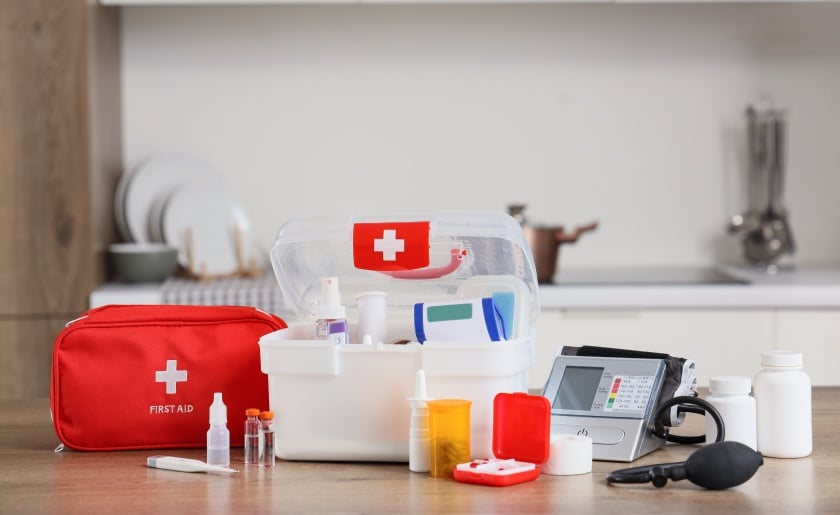
The American Red Cross recommends a kit include: absorbent compress dressings, adhesive bandages, cloth tape, antibiotic ointment packets, antiseptic wipe packets, aspirin, an emergency blanket, a breathing barrier, an instant cold compress, nonlatex gloves, hydrocortisone ointment packets, a gauze roll bandage, sterile gauze pads, an oral thermometer, and tweezers. Buy a ready-made kit or build your own to match your needs.
Room-by-room necessities
1. Kitchen necessities
The kitchen is probably where the most easily-forgotten items hide. Beyond the major appliances, stocking one takes far more than plates, cups, and utensils. So you’re not caught out when you attempt your first home-cooked dinner, keep this list handy while you shop.
2. Cooking and prep tools
Start with a kitchen scale, measuring utensils, a grater, a couple of mixing bowls, a cutting board, and, most importantly, at least one sharp knife. You’ll need something to cook in too, so grab frying pans, pots, and a baking sheet. Don’t forget storage containers, plastic bags, napkins, cloths, dishwasher soap, and sponges.
3. Pantry staples
Beyond the usuals like dairy, fruit, vegetables, meat, grains, and water, stock the basics that let you cook almost anything: baking powder, baking soda, an oil of your choice, flour, sugar, vinegar, and seasonings like salt, pepper, cinnamon, chili powder, thyme, and turmeric. The aim is a kitchen that’s fully equipped for the way you cook.
4. Hangers
Clothes are among the first things you pack and the first you’ll want to unpack, and getting them all put away takes real organization. If you want your new closet to work well and look great, stock up on the right supplies, and not just any hangers, but good ones. Match them to your clothes: plastic hangers in various shapes and colors for lighter items, wooden ones for suits, sweaters, and knits, with thick, curved hangers ideal for your coat closet. While you’re sorting, treat it as a chance to declutter and keep only what you plan on wearing.
5. Iron and ironing board
Keeping your clothes organized is only half the job; keeping them looking their best means regular ironing. It’s essential if you want to stay presentable and keep your shirts as crisp as the day you bought them. Invest in a sturdy ironing board and a quality iron. You can go with a basic, budget model, a steam iron for a smoother finish, or the newest option, a vertical steam iron, which costs more but is a real time-saver.
6. Window treatments
Walk into a new home and the windows are usually bare. That’s lovely for natural light during the day, but come nightfall it offers zero privacy. So curtains, blinds, or shades should sit near the top of your shopping list, ideally sorted before your first night. Beyond keeping curious eyes out, the right window treatments help you manage your home’s temperature, blocking summer heat and holding in winter warmth, which can make a real dent in your energy bills. Measure your windows carefully before buying, and remember the rods, brackets, and hardware you’ll need to hang everything.
7. Doormats and entryway essentials
A good doormat is one of the quiet heroes of a well-kept home. Placed at every entrance, a sturdy mat is your first line of defense against the dirt, mud, and debris that would otherwise end up tracked across your freshly cleaned floors, saving you hours of mopping and vacuuming.
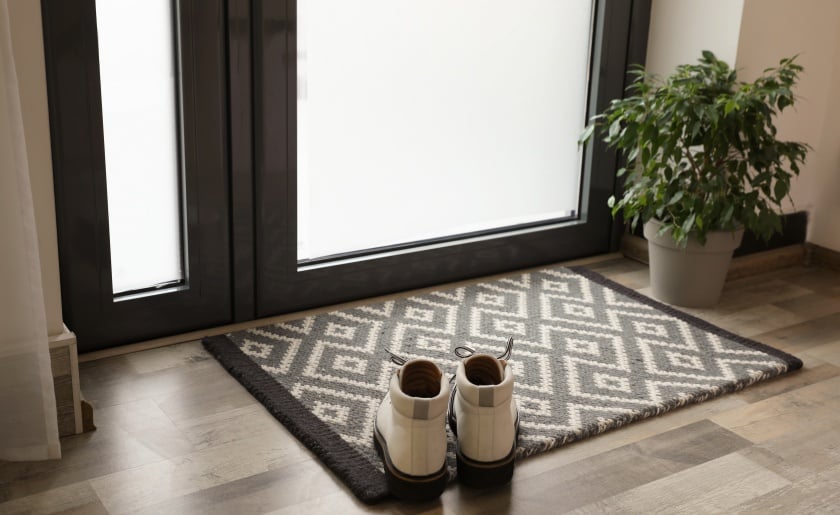
Doormats also set the mood, giving anyone who walks up a warm welcome. While you’re at it, add a few more entryway essentials to keep clutter down, like a shoe rack, some hooks for coats, bags, and keys, and a small basket for the odds and ends that always pile up by the door.
Power, utilities, and setup
1. Batteries
Next come the essentials you’ll want for safety, like a short or long power outage, and for keeping your gadgets running. Everything from LED lights to remote controls depends on them, so you don’t want to be caught short when one dies. Work out which types of batteries your home needs, then stock up. Depending on the sizes, choose single-use batteries, which are cheaper, easy to find, and hold their charge well, or rechargeables, which create less waste and pay off over time, though they cost a bit more upfront.
2. Light bulbs
Picture your first night in the new place: the sun’s down, you flip a switch, and… nothing. Spare bulbs are one of those things nobody thinks about until they’re standing in the dark, groping for their phone flashlight. There’s no guarantee every fixture has a working bulb, and odds are at least one will need replacing sooner than later.
Stock up on a variety ahead of time, covering all the shapes, wattages, and fittings your home uses. The smart pick is energy-efficient LED bulbs, which last far longer than the old kind and trim your electricity bill. Some even come with smart features, letting you adjust brightness and color or control them right from your phone.
3. Extension cords and power strips
In a perfect world, every outlet would sit exactly where you need it, but reality rarely cooperates. More often, the one spot you want for your lamp, TV, or home office is nowhere near a socket. That’s where a few good extension cords and power strips save the day, sparing you from rearranging your whole layout around the outlets.
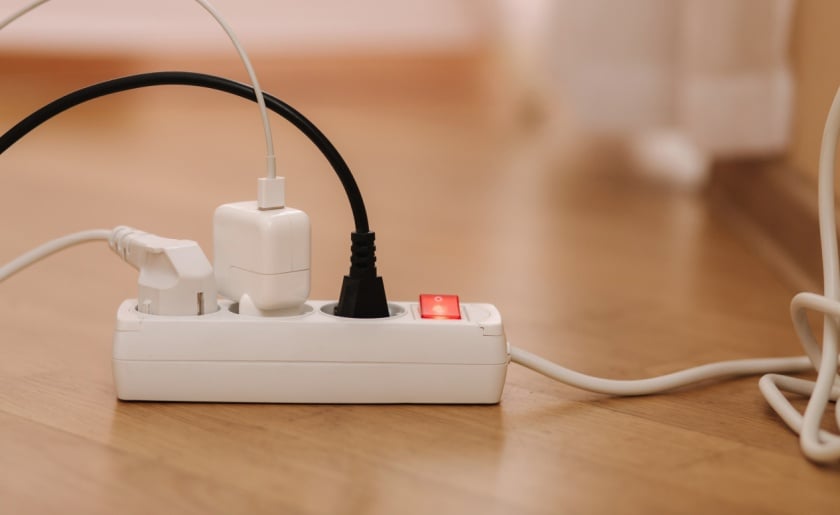
For extra peace of mind, go with surge-protected strips that shield your electronics from sudden voltage spikes. Just don’t overload them, and tuck them away neatly so you’re not tripping over a tangle of cables.
4. Trash cans and bins
It’s hardly the most glamorous thing on the list, but a good set of trash cans is a must. From the moment you start unpacking, you’ll produce a surprising amount of waste, from cardboard boxes to packing materials, so you’ll want somewhere to toss it all from day one.
Every room benefits from its own bin, whether a sleek can for the kitchen, a small basket for the bathroom, or a discreet one under your desk. While you’re at it, set up proper recycling with separate bins for paper, plastic, and glass. Pick durable, easy-to-clean options with secure lids, especially in the kitchen, where keeping odors and pests away matters most.
5. Plunger and basic plumbing supplies
This is one of those items you truly hope you’ll never use, but when the moment arrives, you’ll be so glad you had it. Nothing beats the panic of a clogged toilet on your first weekend in a new home, with no idea where the nearest store is and nothing to fix it.
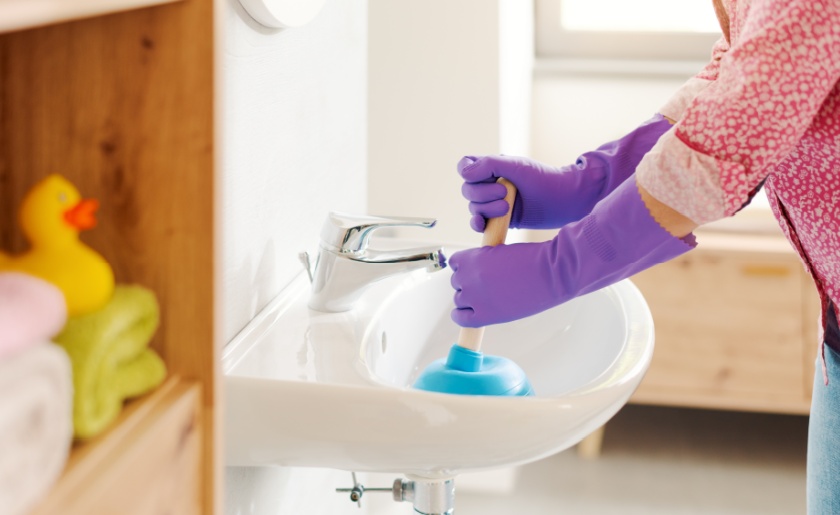
A plunger is the bare minimum, but it’s smart to keep a few basic plumbing supplies nearby too: a drain snake for stubborn clogs, plumber’s tape for sealing leaky connections, and a bucket for catching surprise drips. Leave the major plumbing to the pros, but these basics let you handle the small, common mishaps yourself.
6. Setting up utilities
Before your first night in the new place, there’s one crucial box that’s easy to overlook: getting your utilities running. Nothing spoils a move-in like arriving to no water, no electricity, and no gas. To avoid it, reach out to your utility providers well ahead of time, ideally a couple of weeks before the big day, to schedule the transfer or activation of your essential services. Make a list covering electricity, gas, water, sewer, and trash collection, and confirm exactly when each will be switched on. It’s also smart to take meter readings the moment you arrive, so you’re never billed for someone else’s usage.
7. Internet and connectivity setup
These days, getting your internet sorted is almost as essential as keeping the lights on, yet it’s one of the things people leave until the very last minute. The catch is that installation appointments can take days or even weeks, so the sooner you book, the better.
Research the providers in your new area, comparing plans, speeds, and prices to find the best fit for your household. Once you’ve chosen, book your installation as early as you can, ideally to line up with your move-in date. Think about where you place your router for the best coverage, and invest in a quality unit or a mesh system if you’ve got a larger space or annoying dead zones.
8. Checking HOA rules and local regulations
If your new home is part of a homeowners association, taking a little time to learn the rules before you settle in can spare you a world of headaches later. Plenty of new homeowners have been blindsided by a fine over something as harmless as the color they painted their front door or where they parked their boat. HOA rules can cover a surprising amount, from exterior changes and landscaping standards to noise levels, pet policies, and trash schedules, so it’s well worth asking for a copy of the bylaws and reading them closely. Even if there’s no HOA, look into your local municipal rules on permits, recycling, and any restrictions that apply where you live.
When to get a storage unit
There are plenty of good reasons to rent a self storage unit to help you relocate, whether you need somewhere to keep your things temporarily during a big move or long-term after downsizing. Stashing your belongings while you relocate, then moving them into your new space bit by bit, makes it far easier to decide what goes where, what to keep, and what to donate or sell, all without being buried under a mountain of boxes your movers dumped in the middle of your living room.
The trick is renting the right unit, and that starts with getting the size right. Pay for too much space and you’re wasting money every month; pick one that’s too small and you’re stuck cramming boxes or renting a second unit. If you’re not sure what you need, our storage unit size guide walks you through what fits in each unit, and our storage unit size calculator does the math for you based on what you’re storing, so you land on the perfect fit the first time.

It’s also worth thinking about how sensitive your belongings are. Wooden furniture, electronics, artwork, important documents, and anything prone to warping, cracking, or mildew hold up far better in a climate-controlled unit, which keeps temperature and humidity steady year-round. It costs a little more, but for items you can’t easily replace, that peace of mind is well worth it.
Safety and security come first when you choose a unit, but a few other factors are worth checking too, like price, accessibility, location, availability, and reviews. Prices can swing quite a bit from one facility to the next, even in the same neighborhood, so it pays to compare before you commit. Luckily, our storage price guide makes it easy to see what a fair deal looks like in your area. Once you know what you’re looking for, you can make a smart choice and reach out to a facility that fits.
Frequently asked questions
What should I buy first when moving into a new house?
Start with safety and access: change the door lock, test the smoke and carbon monoxide detectors, and keep a fire extinguisher within easy reach. Then make sure your utilities and internet are switched on, and have cleaning supplies and a basic tool kit ready for unpacking day.
What do first-time homeowners forget to buy?
The most commonly forgotten items are spare light bulbs, a plunger and basic plumbing supplies, extension cords, window treatments, trash cans, and doormats — small things you rarely notice until you urgently need them.
Should I set up utilities before moving in?
Yes. Contact your electricity, gas, water, sewer, and trash providers around two weeks before move-in to schedule activation or transfer. Book your internet installation early too, since appointments can take days or weeks.
Do I really need to change the locks on a new home?
It’s strongly recommended. You can’t be sure who else has a copy of the keys — previous owners, tenants, contractors, or agents — so a fresh lock or a keyless smart lock is the safest bet.
Final thoughts
Now that you’re up to speed on everything your new home needs, stock up on the essentials, tackle the setup tasks early, and enjoy the adventure to the fullest. With this checklist in hand, you’ll be ready for whatever your new place throws your way, from the first night to the first home-cooked dinner and well beyond.


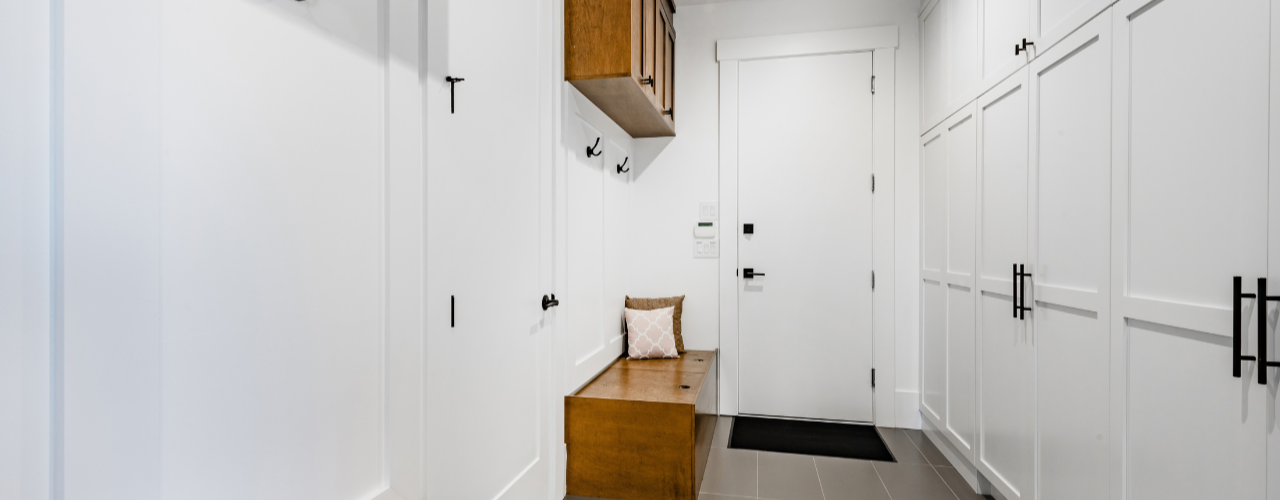
25 Mudroom Storage Ideas (And Mistakes to Avoid)
When you come home with muddy boots, an armful of bags and a coat you can’t wait to take off, it’s nice to have somewhere to put it all. With a mudroom, you can leave the outdoor mess at the door instead of carrying it through the house. Traditionally, you’d set aside a separate room, but you can just as easily use a hallway, an entryway closet, a laundry-room corner or a stretch of wall near the entrance.
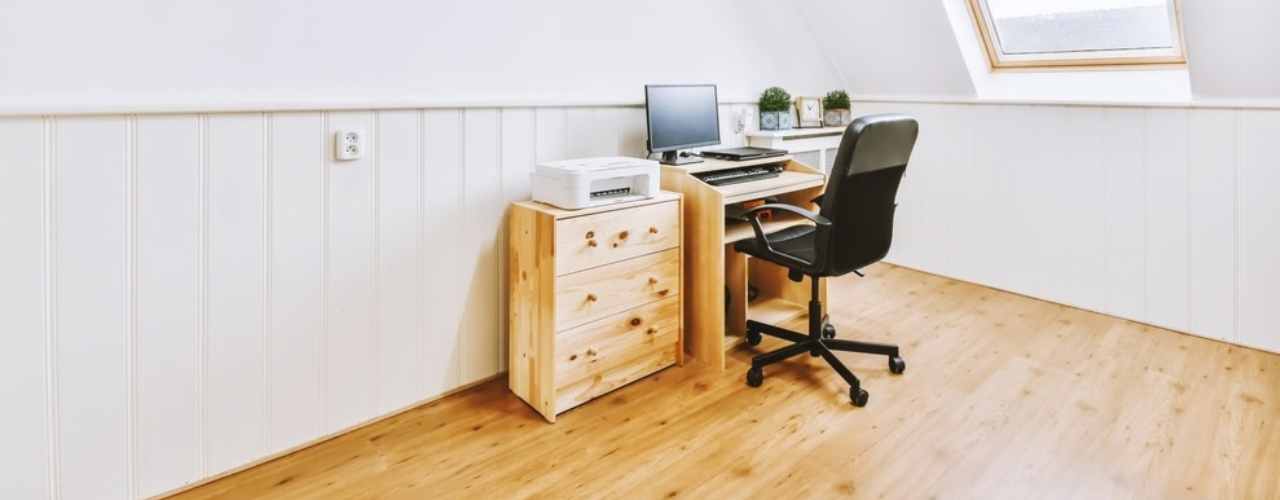
Is Your Home Office Worth the Rent? What Coworking and Self Storage Could Save You
Every square foot of your apartment comes with a price tag, and a home office claims more of them than most renters expect. It starts with a desk. Then come the second monitor, the printer, the filing cabinet and the overflow boxes. Before long, the corner you set aside for work has turned into a small room you are paying for every month.

Best U.S. Cities to Live Uncluttered: Plano, TX, Offers the Most Room to Breathe
Clutter is in our homes as much as in our heads. Both are shaped by where we live.

America’s Top Snowbird Destinations for 2026–2027: Florida Leads in Numbers, Texas Wins on Value
For Americans living in colder states, the approach of winter is reason enough to start looking south. Cold weather carries costs that go beyond the heating bill and shoveling snow. Seasonal affective disorder(opens in new tab) is far more prevalent in northern states, so a temporary move south isn’t simply an escape from the cold, but a chance to spend the hardest stretch of winter outdoors and in the sun.

How Much Does Halloween Really Cost in 2026? Plan Wisely to Avoid the Scare of Hidden Costs
Americans’ love for Halloween is almost frightening — this year alone, we are on our way to spending $13.5 billion, according to data from the National Retail Federation(opens in new tab). That breaks down to about $115 Halloween costs per person, a whopping 49% more than 10 years ago.
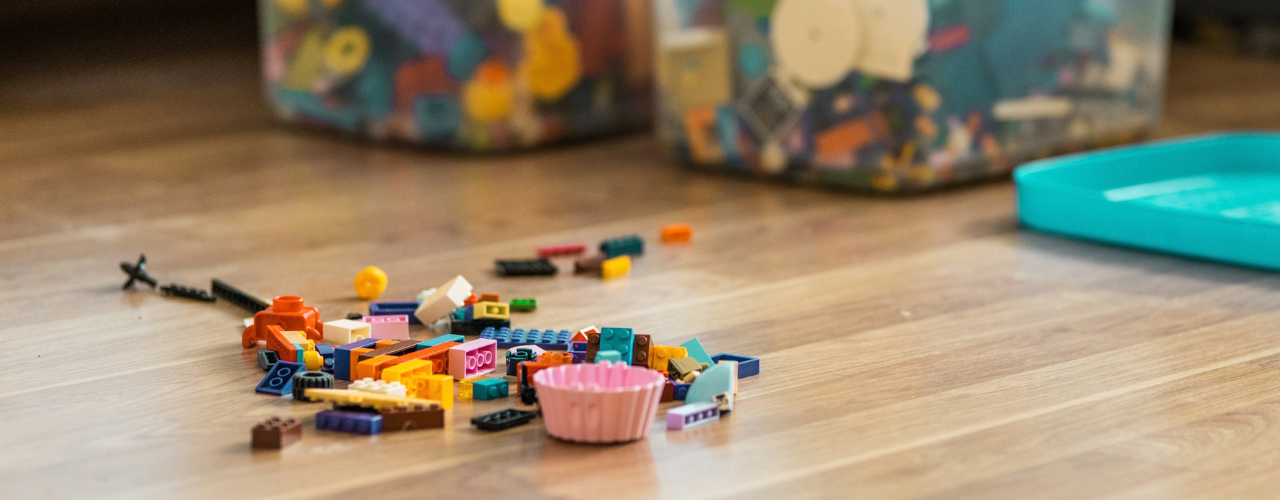
How to Store LEGOs: All the Fun, None of the Clutter
How to store LEGOs largely comes down to how your household uses them. If the bricks are part of everyday play, you need a setup that keeps them within easy reach and makes cleanup quick (for your feet’s sake, at least). Toy storage(opens in new tab) such as simple bins, playmats or containers that children can put away themselves may be enough. Larger or more serious collections usually need more organization, such as labelled drawers for loose pieces, trays for unfinished builds, shelves for completed models and separate storage for retired sets.

Cardboard Costume Guide: Tips and Ideas for a DIY Halloween
Whether for kids or adults, cardboard costume ideas often make the biggest splash once materialized, and that’s for a simple reason: doing a lot with a little is a universally impressive feat (especially in this economy). If you don’t have enough boxes you could temporarily repurpose, don’t worry! There are many places where you can find free moving boxes(opens in new tab), from stores and supermarkets to online groups and recycling drop-off spots. On the run? Try your luck at a self storage(opens in new tab) facility that sells moving supplies, often for cheap. This way, you can choose moving boxes of different shapes and sizes(opens in new tab), so you can make your costumes as complex as you want.

How to Celebrate Halloween: 9 Non-Spooky Ways To Enjoy It
As soon as October starts, it’s the official Halloween month. And while for many people it means it’s open season to get the scare of a lifetime, others, especially families with small children, might prefer to celebrate in a tamer way that’s both kid- and adult-friendly. While you’re likely to find more events where the spook factor is high, here’s how to celebrate Halloween in a not-so-scary way:

Motorcycle Storage Guide: How to Store Your Bike Safely
Motorcycles may be born to be wild, but eventually even the wild ones need somewhere to park. Whether riding season is winding down or your current living situation comes with plenty of square footage for you and less for your bike, motorcycle storage is one of those parts of ownership that doesn’t get as much airtime as the open road.