

Austin’s real estate market is on an upward trend, fueled by economic growth and low interest rates. Big corporations like Google, Tesla and Oracle are moving operations to the city, creating a steady influx of high paying jobs. This, in return, leads to numerous corporate relocations, on one hand, and to an increased inbound migration from professionals looking for better job. Mortgage interest rates are also at historic lows: the 30-year fixed rate is around 3%, while the 15-year rate is slightly above 2%. Thus, it’s not surprising that home sales are booming in Austin: the median sales price rose almost 42% year-over-year this April, to an all-time high of $460.000.
Are there any chances of finding a bargain in Austin’s tight housing market under these circumstances? Much like in other competitive markets, good deals often take the form of a fixer upper. A house that might not seem like much at first glance but satisfying the prospective buyer’s budget and location needs can be converted into a dream home.
One of the main advantages of buying a fixer upper is obviously price, which will most likely be lower compared to a fully remodeled or a brand-new home. True, you will invest some, or even all, of the price difference into remodeling the fixer upper, but here comes the second advantage – you get the opportunity to redo everything so that it suits all your wants and needs. It’s hard to find a turnkey home that perfectly fulfills your taste and preferences in terms of interior design and layout. If you’re not afraid of taking on big projects and getting your hands dirty, literally, here’s how to find a fixer upper in Austin – and make the most of the whole experience:
1. Search in all the right places
The chances to find a fixer upper that’s worth buying increase as you move away from the most popular neighborhoods and start looking at areas that are not quite as fashionable yet. With the real estate market in Austin already soaring, chances are that in no time, all its neighborhoods will be “up and coming.” Central Austin is full of gems in need of a few repairs, as are Anderson Mill in the northwest region of the city, MLK on the eastside and Cherry Creek in far south Austin. Suburbs like Redwood, Elgin and Lockhart, that come with a low cost of living and lower than average housing costs should also be high on your search list.
 Make sure you keep an eye on words like “fixer-upper,” “good bones,” “TLC,” “rare opportunity” and “full remodel needed” in the property description as you browse listings.
2. Take the initiative
Finding a good fixer-upper involves a lot of leg work. Search for listings on different platforms – the homes labeled as short sales are usually not in great shape and require work. But don’t stop at that.
You should also drive around the neighborhoods you’re interested in to spot fixer-uppers. If you notice homes that don’t look lived in, with a neglected exterior, there’s a very good chance they’ll be listed for sale soon, if they aren’t already. Ask people in the neighborhood the details about such houses – most will be glad to share details, as nobody wants neglected homes on their street – and see if you can obtain the owners’ contact information. This method could help you jump-start your fixer-upper house hunting, and you might end up landing a sweet deal.
Foreclosure auctions are another way of finding fixer-uppers, and most banks and lenders post the foreclosed properties on their websites. Also, tax delinquent properties are a matter of public record, so you should regularly check Travis County Tax Office’s data on such properties – it doesn’t necessarily mean all tax delinquent properties are for sale, but there’s a good chance you’ll find some fixer-uppers for sale among them. Also, you can look for real estate flyers attached to the local newspapers to get a hand on the information.
3. A thorough inspection of the property is mandatory
Hire a home inspector to perform a detailed inspection of the property and list all the problems that must be remedied. Apart from the cosmetic repairs, you will notice at first glance there’s a very good chance that a fixer-upper also has some hidden issues that are more complicated and expensive to fix. The home inspector will look at all the elements of the house (foundation, roof, electrical, plumbing) and draw up a report that includes everything that must be fixed. Based on that information, you can decide whether it’s a fixer-upper worth pursuing or if you should keep looking.
 4. Build your budget carefully
Take into account the home inspector’s report with the mandatory repairs and the other changes you plan on making, and come up with a total budget – how much it will cost to completely renovate the fixer-upper. It’s a good idea to ask a contractor for the price estimate – one from a professional is a lot more reliable than a price estimate you calculate yourself. If the remodeling costs are higher than you initially hoped for, you can use the price estimate to negotiate a lower selling price with the owners of the fixer-upper home.
5. Thinking of tackling the renovation yourself? Make sure you can deal with the challenges of a DIY project
That’s a difficult decision, and there are pros and cons for each alternative. A DIY remodel will probably be cheaper and surely rewarding, but you risk biting off more than you can chew. There are a few things to keep in mind to make sure your DIY home improvement project is successful:
- The house needs cosmetic changes, not structural ones – most of us are perfectly capable of painting walls, installing laminate flooring or even tiles. However, when it comes to structural changes, like moving walls, repairing the foundation or the roof and fixing the plumbing and electrical systems, professionals are the way to go. Such repairs must be done properly to ensure the house is safe to live in.

- You’re OK with living in the middle of a construction zone for a while – you bought your fixer-upper and decided to DIY the renovation. You might have to move in before all the work is done, and that might even be a good strategy. Assuming it’s feasible, you’re saving time and money by living in the same house you’re renovating. Just make sure you have a functional bedroom and bathroom and put the rest of your furniture and other belongings in storage. A 10×10 storage unit in Austin rents for about $100 per month. If you need more space for your furniture and other items, you could get a 10×20 storage unit – the street rate for one is around $170 per month.
- You’re a handy person and have at least some experience with home repairs. You don’t have to be a builder, but if you never put your hands on a drill before, an extensive, money drenching DIY remodel project is not the best place to start. Watching a lot of The Return of Chip and Jo on HGTV might be a good idea as it can help visualize the amount of work that a makeover involves – and the results as well. But make sure you assess your skills realistically – mistakes can be very costly in a big project.
- You have time to dedicate to this project – you’ll have to spend every afternoon and every weekend working on your fixer-upper. If you don’t have that kind of time (busy schedule, traveling for work, family commitments), you should consider hiring builders. Also, if you’re thinking of purchasing a home warranty to cover the costs of these repairs and maintenance, try checking those affordable warranties.
If you’re going the DIY route, you will also need a lot of tools, and decent quality ones will cost a pretty penny – so make sure you add that to your budget. Also, you might still have to hire contractors along the way if you discover hidden issues with the house that you can’t fix on your own. Make your final decision by taking into account all the aspects mentioned above – saving money doesn’t necessarily mean DIY. Sometimes it might be cheaper to work with a contractor.
From picking the right fixer-upper home to deciding how to proceed with the remodeling work, it’s important to analyze all the aspects when launching into such a big, complex project. However, if done properly, the results will definitely be worth it. Happy flipping!



Where to Get Moving Boxes in Philadelphia
Philadelphia’s historic charm can put your patience to the test on moving day. Between cobblestone streets, narrow rowhouse entrances and the occasional pothole, your belongings need more than whatever boxes happen to be lying around. Sturdy cartons and plenty of internal cushioning can make the difference between a dish set that survives the move and one that doesn’t. Start gathering your moving boxes early and you’ll have one less box to check off on packing day.

Scary Good DIY Halloween Decorations That Won’t Haunt Your Wallet
A few floating candles in the hallway, a family of ghosts by the front door and a suspicious number of bats climbing up the bedroom wall can make October feel a whole lot spookier. While Halloween stores are full of tempting finds, some of the best DIY Halloween decorations can come from things you already have tucked away in drawers, closets or the recycling bin.

Suburban Giants and Urban Risers: Where America’s 100 Largest Metros Fall on the Self Storage Map
Self storage has long been a suburban story. Across America largest 100 metros, 59% of the inventory built over the past decade sits outside city cores, largely preserving the ratio of the total existing inventory.

Sweatshirt Storage Ideas Worth Keeping Up Your Sleeve
Sweatshirts are great until you realize how much room they take up. A few thick hoodies can fill a drawer fast, with lighter crewnecks getting squashed underneath or pushed somewhere you forget about. Good sweatshirt storage can make that pile much easier to manage without requiring a bigger closet.
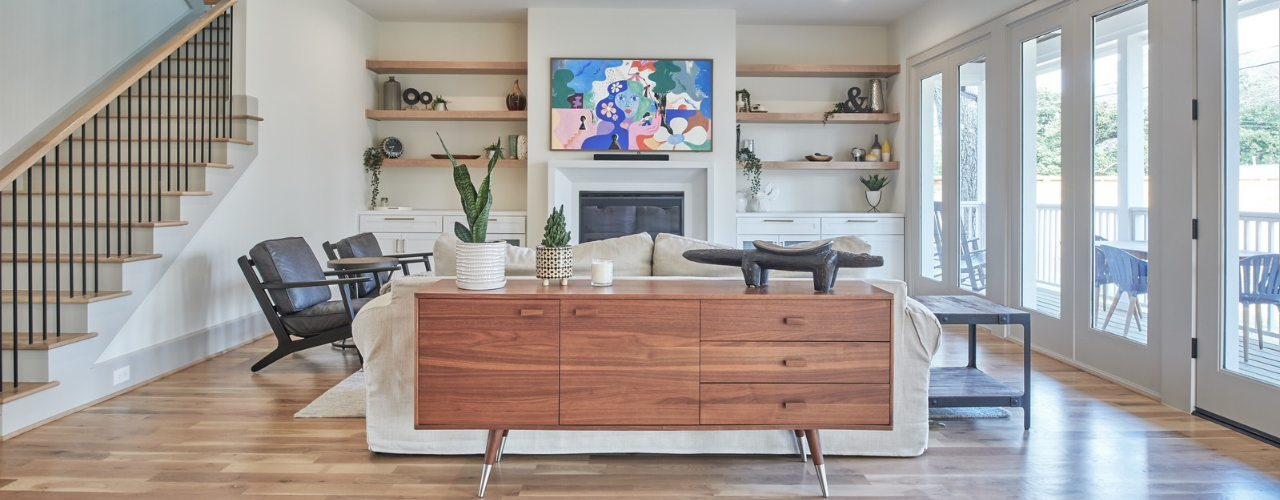
Living Room Storage Ideas: 28 Ways to Reclaim Your Hosting Space
If a living room is where most of a household’s living happens, good storage should be the top priority for setting up or revamping the place. After all, think of how easier it would be to have people over when tidying up the place is just a matter of putting things in their right place (in a time when fewer and fewer people are entertaining friends at home(opens in new tab)). The trick is making room for all those wayward clothes, blankets, chargers and other small things that end up on (or, inexplicably, in) the sofa. Here are 28 living room storage ideas to get you started and make tidying up a quick affair.
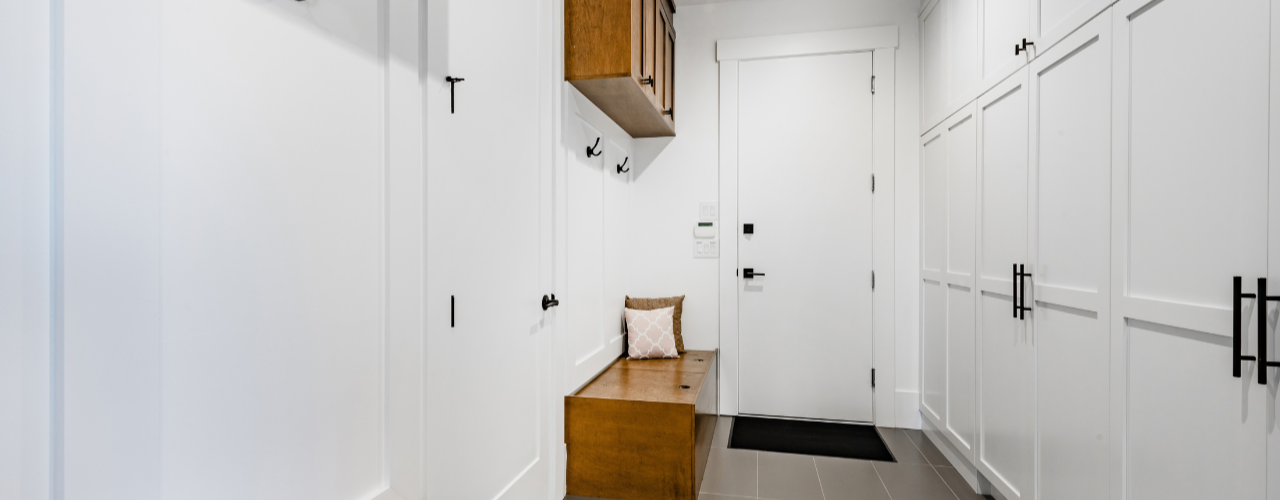
25 Mudroom Storage Ideas (And Mistakes to Avoid)
When you come home with muddy boots, an armful of bags and a coat you can’t wait to take off, it’s nice to have somewhere to put it all. With a mudroom, you can leave the outdoor mess at the door instead of carrying it through the house. Traditionally, you’d set aside a separate room, but you can just as easily use a hallway, an entryway closet, a laundry-room corner or a stretch of wall near the entrance.
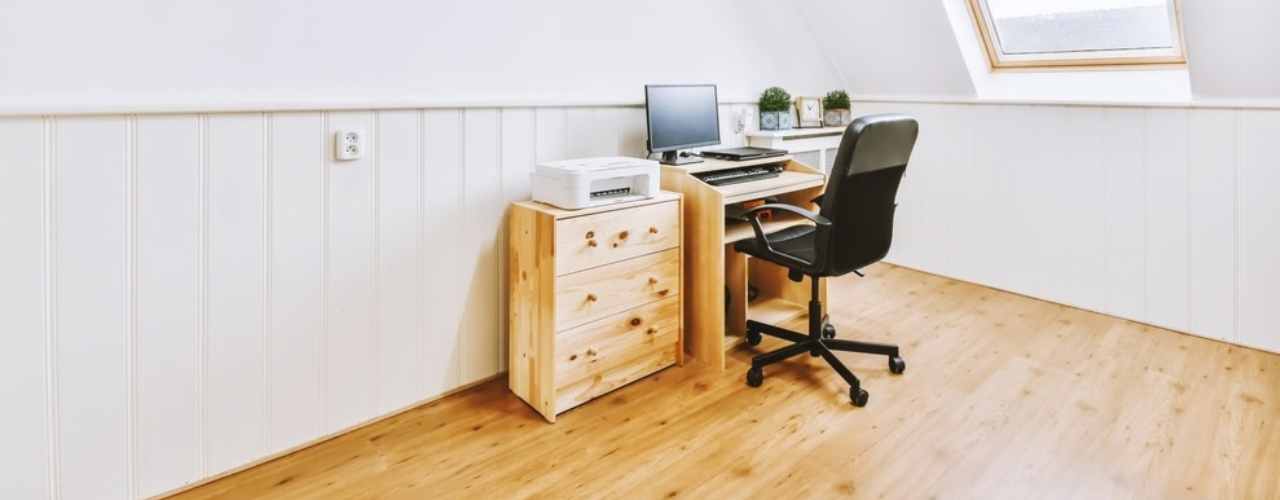
Is Your Home Office Worth the Rent? What Coworking and Self Storage Could Save You
Every square foot of your apartment comes with a price tag, and a home office claims more of them than most renters expect. It starts with a desk. Then come the second monitor, the printer, the filing cabinet and the overflow boxes. Before long, the corner you set aside for work has turned into a small room you are paying for every month.

Best U.S. Cities to Live Uncluttered: Plano, TX, Offers the Most Room to Breathe
Clutter is in our homes as much as in our heads. Both are shaped by where we live.

America’s Top Snowbird Destinations for 2026–2027: Florida Leads in Numbers, Texas Wins on Value
For Americans living in colder states, the approach of winter is reason enough to start looking south. Cold weather carries costs that go beyond the heating bill and shoveling snow. Seasonal affective disorder(opens in new tab) is far more prevalent in northern states, so a temporary move south isn’t simply an escape from the cold, but a chance to spend the hardest stretch of winter outdoors and in the sun.