

The benefits of having a dog or a cat are many — they truly enhance your life, including your mental and physical wellbeing. However, a pet is a big responsibility, so you must weigh the pros and cons to know whether or not you’re ready for one. Unfortunately, many people get so excited about the prospect of being a pet parent that they forget to consider many important factors. If you’re considering having a four-legged friend, check out our list of pros and cons to see if now is a good time or if you should wait a little longer.
The advantages of getting your first pet
Companionship
Pets are people too! Many good pets can love you back and offer unrivaled companionship. Dogs in particular are usually excited to see you as soon as you step foot in your home. A perfect pet will snuggle with you, go on walks, and hang out with you no matter what.
Furthermore, having a pet can improve your mental health. Pet parents often note they have decreased feelings of depression and stress thanks to their furry friends. Sometimes just looking into the bright eyes of your cat or dog makes the stress of a day melt away.
Pets also give us a sense of purpose and responsibility. You are responsible for the health, wellness and happiness of your animals, which can make getting up every day much easier because of the love you have for them.
Dogs can give an enhanced sense of security
Dogs often don’t like people they don’t know coming onto their property, and even if yours is typically mellow and great with people, they’re likely to bark at a knock on the front door. This can provide you with a sense of security, knowing a dog might scare away any potential intruders.
Dogs and cats are also known to be able to detect fires and gas leaks in your home before you do, which means you’ll be able to get out much sooner once they notify you of danger.
Give an animal in a shelter a better life
If you adopt a pet from a shelter, you are giving them a better life, as many dogs and cats don’t make it out of a shelter once they’re in, and the attention they receive there is limited. Many animals in shelters once had loving owners who passed away or could no longer care for them, so they have nowhere else to go. Other animals, unfortunately, come from abusive backgrounds. No matter your pet’s history, keeping them out of a shelter and putting them into a loving home will be good for them.
The disadvantages of getting your first pet
You might have to pay higher rent
If you live in a rental apartment, you might have to pay more in rent if you get a pet. According to Smart Move, many landlords can make rent higher for those who have pets, and you may have to put down a non-refundable pet deposit as well. Be sure to check out the local pet laws relating to all the necessary vaccination, identification and leashing requirements. Before adopting a pet, make sure you understand the fees associated with owning a pet where you live and do the math to determine whether or not you can afford it.
Your living expenses will rise
On top of the possibility of having to pay a higher rent, you’ll also need to know about other living expenses. When you get a pet, there may be initial costs like collars, leashes, litter boxes, toys and scratching posts. But food will course be your biggest expense, and you can’t pause that financial outlay. Some vet visits may also be necessary, and you’ll need to consider how much these cost, especially in emergencies.
In addition, you could create a special area in the house for your new pet. A whole room dedicated to your animals is a great idea, and you can keep them there when you have visitors who have allergies. Cats love to have an obstacle course to play on, which takes up space, and you’d even need to make room for a basket in the corner of the living room for a large breed of dog. To create the necessary space, you can put some furniture and other things in a self storage locker — a 5×10 storage unit could easily be big enough and it won’t cost much.

You may have to cut down on vacations
If you’re someone who loves to travel, you might find you can do that less when you get a dog or a cat. Dogs, especially, need care when you’re away longer than your normal 8-hour workday. Cats, on the other hand, can be left for longer periods of time as long as they have food and water because they use indoor litter boxes. However, it’s never a good idea to leave any pet alone for too long.
Remember, many pets love to be with you and are sad when you’re away. Taking care of their emotional needs is one important thing a pet parent does, so if you’re constantly gone, being a pet parent is not for you. However, if you’re only going on vacation once in a while, you may be able to board your dog or cat, depending on its personality. If your dog gets on fine with other people, you can find a sitter — and this is easier for cats.
Pets can require quite a lot of your time
All pets require your time and attention. You’ll need to feed, train, exercise and even groom many pets. A breed of dog well known for being rather dependent will require even more of your time, and some dogs that grow up in shelters will be needier, which means they may be constantly pawing you for attention.
If you adopt a younger animal, you will be spending even more time on training, including potty training. Many new pet parents underestimate the time puppy training takes and tend to scold them rather too often instead of finding time to train them. Remember, your dog or cat doesn’t speak your language, and they live in the present, which means when you scold them, they don’t know what they did wrong.

Being a pet parent is a responsibility many people aren’t ready for. Dogs and cats in particular have needs and feelings, so you must know whether or not you’re ready for such a big commitment before you bring one into your home. If you’re someone who desperately wants a dog or cat, consider adopting one. As a pet parent, the pros outweigh the cons, but ultimately it’s up to you to determine if you have the money and time to handle your first pet.



Moving From a House to an Apartment: What to Expect, How to Downsize & How Self Storage Helps
For some, moving from a house to an apartment is a financial decision. For others, it’s about simplifying life. Maybe the kids have moved out and half the house sits empty, or you’re approaching retirement and no longer want to spend weekends on repairs. Or perhaps you’ve been weighing the cost of buying a home and wondering whether renting simply makes more sense right now.

Family Heirlooms Overload: How to Handle Family Inheritance Without Regret
Handling family heirlooms after a loss requires managing legal authority, emotional pressure and practical logistics at the same time, and the order you take them on matters more than most people expect.
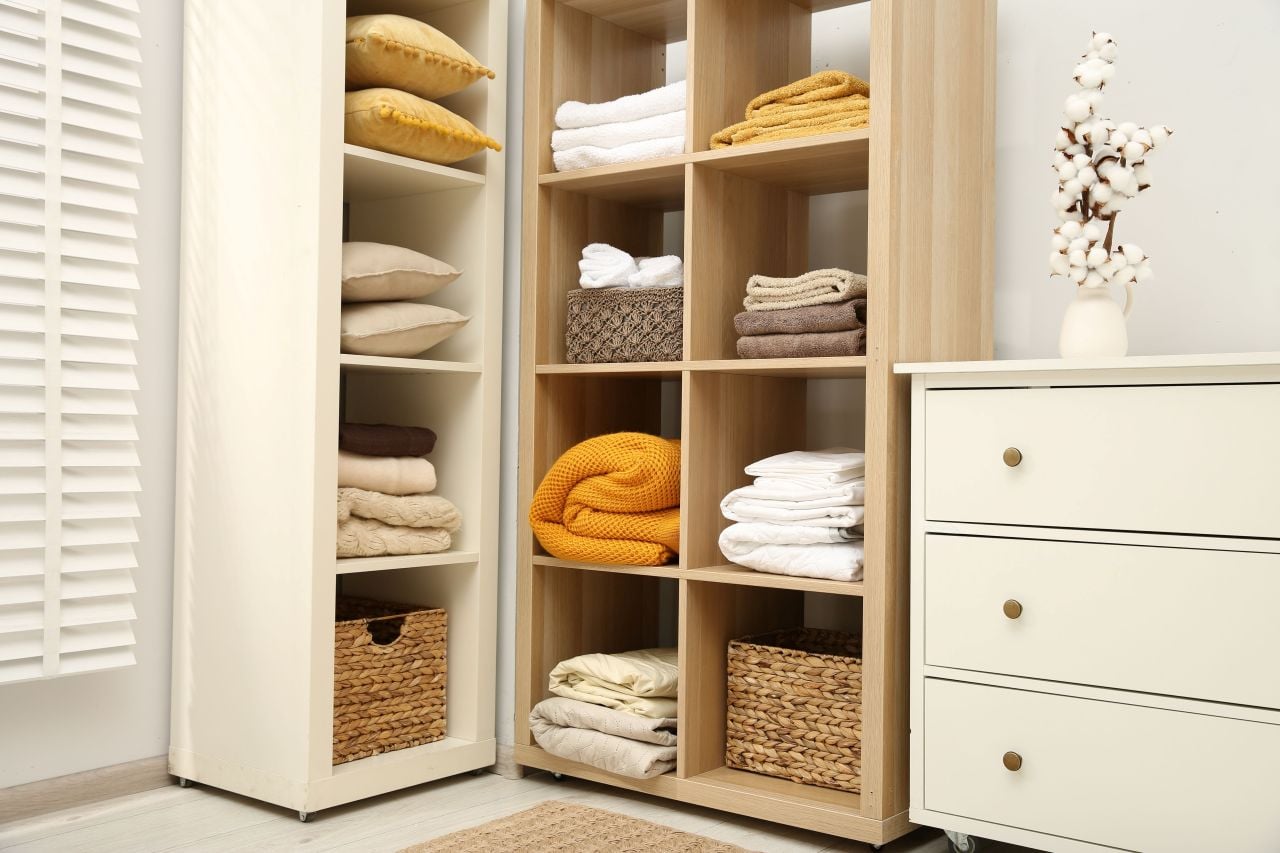
Blanket Storage: The Right Method for Every Space and Season
Blankets make our lives cozier, and storing them well is what keeps them soft and comfortable in the long run. Knowing how to store a blanket properly means your favorites come out of storage smelling fresh, feeling the same as when they went in, and lasting years longer than they otherwise would.

Board Game Storage Ideas That Keep Your Collection in Fighting Shape
Nobody warns you that getting into board games usually unlocks a second hobby, the much dreaded one that includes figuring out where on earth to put them. One game becomes a few, expansions start spawning beside their base boxes and before long, board game storage requires as much strategy as whatever is waiting on the other side of those lids.
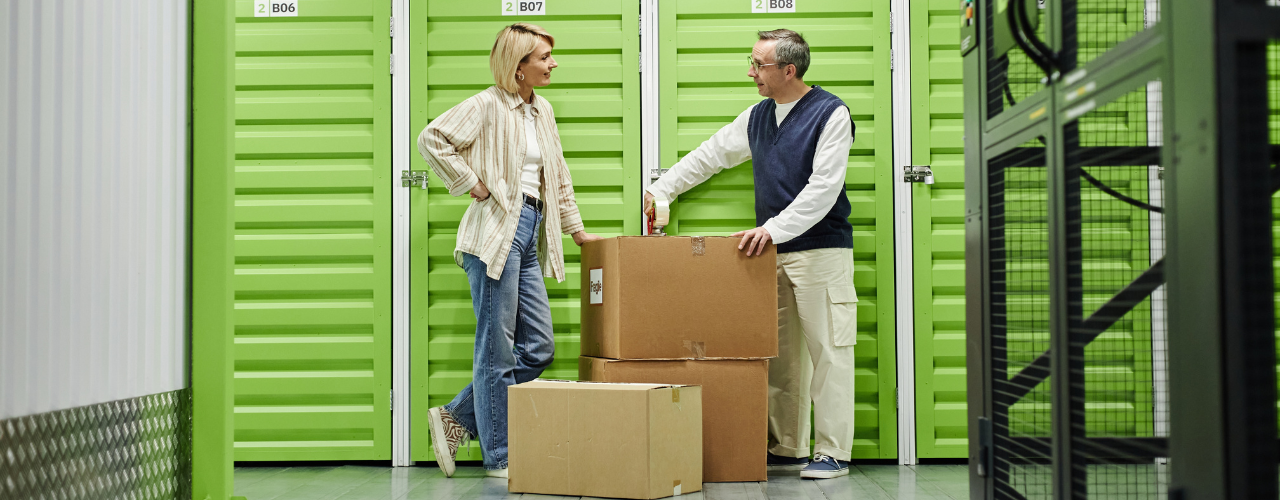
Storage Locker vs. Storage Unit: What’s the Difference?
A locker and a unit may sound like two names for the same four walls and a lock, and depending on the storage facility, you may even see the terms used that way. However, once you start comparing available spaces, storage lockers tend to occupy the smaller end of the spectrum, while storage units(opens in new tab) give you considerably more room to work with.

Storage Ideas for Small Spaces: 9 Ways to Max Out Your Home
A messy home contains the seeds of its organization. Those seeds are everywhere: the space above doors, under beds, behind sofas and inside furniture can all become storage. Here are the best storage ideas for small spaces, so you can make the most of your cozy home.
Best U.S. Cities to Live Uncluttered: Plano, TX, Offers the Most Room to Breathe
Clutter is in our homes as much as in our heads. Both are shaped by where we live.
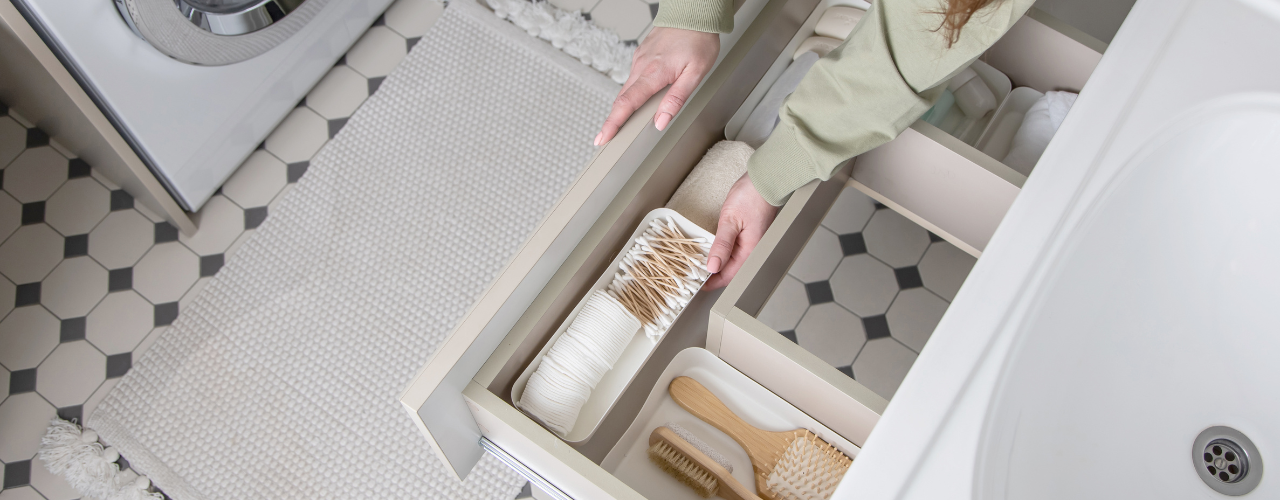
How to Organize Your Bathroom: 8 Ways to Stay Tidy
You already know why an organized bathroom is worth the effort, but let us remind you: it makes rushed mornings easier, keeps counters cleaner and just helps get you in the mood to go through your skincare routine like you should. Plus, in bigger households, it helps everyone find what they need. And you know how much a tidy bathroom counts for your self-esteem when a guest or a partner shows up. Luckily, you don’t need a degree to know how to organize your bathroom. The secret is keeping less, giving every item a home and making that home simple to use. Let’s go through some practical steps can help you create a bathroom that stays functional and nice to look at.

How to Use Silica Gel Packets for Storage
Moisture can cause significant damage to items in storage, leading to rust on tools, mold on clothing and warping in documents. Silica gel uses science to fix that. Often found in small packets inside product packaging, silica gel is a desiccant that absorbs moisture from the air, keeping your stored items dry and protected. This guide explains what silica gel is, how it works and how you can use it to preserve your belongings in self storage.