

“This year is going to be different. I’m going to get in shape. I will exercise more. I want to lose some weight!” How many times have you heard your friends make these promises as New Year’s resolutions? More importantly, how many times have you tried to do the same thing but did not follow through with it? With the New Year just around the corner and with exercising at home being a rising trend, this is the perfect time to actually go through with it.
While jogging, crowded gyms and professional sports might not appeal to everybody, a home fitness studio has nothing but advantages. Forget about driving to the running track, showering at the gym or having people make fun of you for not throwing a ball the right way. That’s not the point of exercising. Even with the tiniest home fitness studio, you can enjoy the benefits of exercising in the comfort of your own home, at your own pace and in the way you want.
Where do I start?
Easy, you start out by imagining where your private gym could go. Maybe the garage? The basement? The second bedroom or that home office that you don’t quite use? Even a corner of your living room can work! The second aspect that you must consider is your needs — are you looking to lose weight, build up some muscle or simply break a sweat every couple of days to get that dopamine going?
How and where you set up your home gym will determine, to a large extent, whether you will actually want to work out in it or just let it gather dust. Pick the space of your future gym by considering the type of surface you’ll need and the types of workouts you will be performing.
After you’ve decided on a spot, self storage can come in handy when vacating that certain space. This is especially the case for areas of your home that you were looking to declutter anyway — spots that will foster a treadmill or a multi-station in a bit. Putting your belongings away in a storage unit is a great option. You don’t have to throw anything away, and you’re not remodeling the house or doing spring cleaning. Get a 5’x10’ unit and put all your extra furniture and other belongings in there so you can make space for your new fitness studio.

Your goals and the necessary equipment depend on each other
Different needs require different equipment, and while some people might need dumbbells, treadmills and multi-stations, others are fine with yoga mats and foam rollers. Bottom line is that you have to clearly establish your goals. If losing weight is your purpose, then you’ll probably need enough space for a treadmill or stationary bicycle. On the other hand, if you’re trying to add muscle, free weights are a must, while resistance bands, jump ropes and foam rollers are necessary if you are more into tightening your core and improving your flexibility.
Storage becomes an essential aspect when you want to pack a ton of gear in a smaller space. Storage containers can keep discs and dumbbells and can easily slide under your bed. Check out these smart storage ideas for your house and see how you can even store a weight rack in a space that is under-used. Finally, don’t overlook the importance of natural light, mirrors and gym flooring, as well as putting away the distractions that might ruin your workouts.
Self storage is also a good option to consider also buying your home gym equipment. If your space is not ready yet, then store away your gear in a unit until everything is in order. Similarly, you’ll find that after a month or two of exercising with light dumbbells, you’ll be ready to move on to heavier ones. This goes to show that you’ll need quite a bit of equipment, and you can always put the unused items in your storage unit.

Staying in shape, losing weight and belly fat or building muscle
If your aim is simply keeping in shape and improving your physical condition in general, it’s a good idea to focus on bodyweight exercises. Plus, you won’t need much special gear, since push-ups, planks, lunges or squats don’t require more than an exercise mat and a relaxed space. Also, don’t forget to do a bit of everything — some cardio, a bit of resistance and flexibility exercises. The same bodyweight exercises can be extremely beneficial for somebody looking to build muscle. However, dumbbells, resistance bands and even large multi-functional gym machines (if you have the space) can help with muscle strengthening.
On the other hand, if you’re trying to lose those extra 10 pounds or get rid of your muffin top, you should focus most (but not all) of your workouts around cardio – cycling, running, interval training, HIIT. Get an elliptical and a stationary bike if you have the room, or just a folding treadmill if you’re low on space.
Home fitness options for a tight budget
You can design a home fitness studio that won’t break your budget. Most big-box and off-price department stores sell fitness accessories for low prices — you’re almost sure to find a bargain. This will get you the basics, but what about bigger items? Well, many people have taken the route of home exercising in the last two years, so used equipment can also be a good option. Many people are looking to offload gym gear, so look for second-hand equipment online.
Likewise, you can also focus on bodyweight exercises, which will save you a lot of money. If you’re struggling to lose weight but don’t want to invest in a treadmill or an elliptical machine, jump rope is a great option — it will get you almost the same cardio workout. Other inexpensive alternatives include balance discs or kettlebells instead of pricey cable machines. Ultimately, there are endless workout videos on YouTube and other similar platforms, so you don’t have to invest in customized routines and programs, especially if you’re a beginner.

Break a sweat and achieve your goals!
Let StorageCafe help you find a home for your personal belongings until you make your dream fitness studio. Your unit will also come in handy afterward if you need to store extra gym gear.
Finally, we’re not saying that actually using the home gym is the easy part, but after all the work you put into designing the place, your workouts will feel even more rewarding. Visiting your home gym regularly will help you achieve your goals and live a healthier and happier life.



Where to Get Moving Boxes in Philadelphia
Philadelphia’s historic charm can put your patience to the test on moving day. Between cobblestone streets, narrow rowhouse entrances and the occasional pothole, your belongings need more than whatever boxes happen to be lying around. Sturdy cartons and plenty of internal cushioning can make the difference between a dish set that survives the move and one that doesn’t. Start gathering your moving boxes early and you’ll have one less box to check off on packing day.

Scary Good DIY Halloween Decorations That Won’t Haunt Your Wallet
A few floating candles in the hallway, a family of ghosts by the front door and a suspicious number of bats climbing up the bedroom wall can make October feel a whole lot spookier. While Halloween stores are full of tempting finds, some of the best DIY Halloween decorations can come from things you already have tucked away in drawers, closets or the recycling bin.
Suburban Giants and Urban Risers: Where America’s 100 Largest Metros Fall on the Self Storage Map
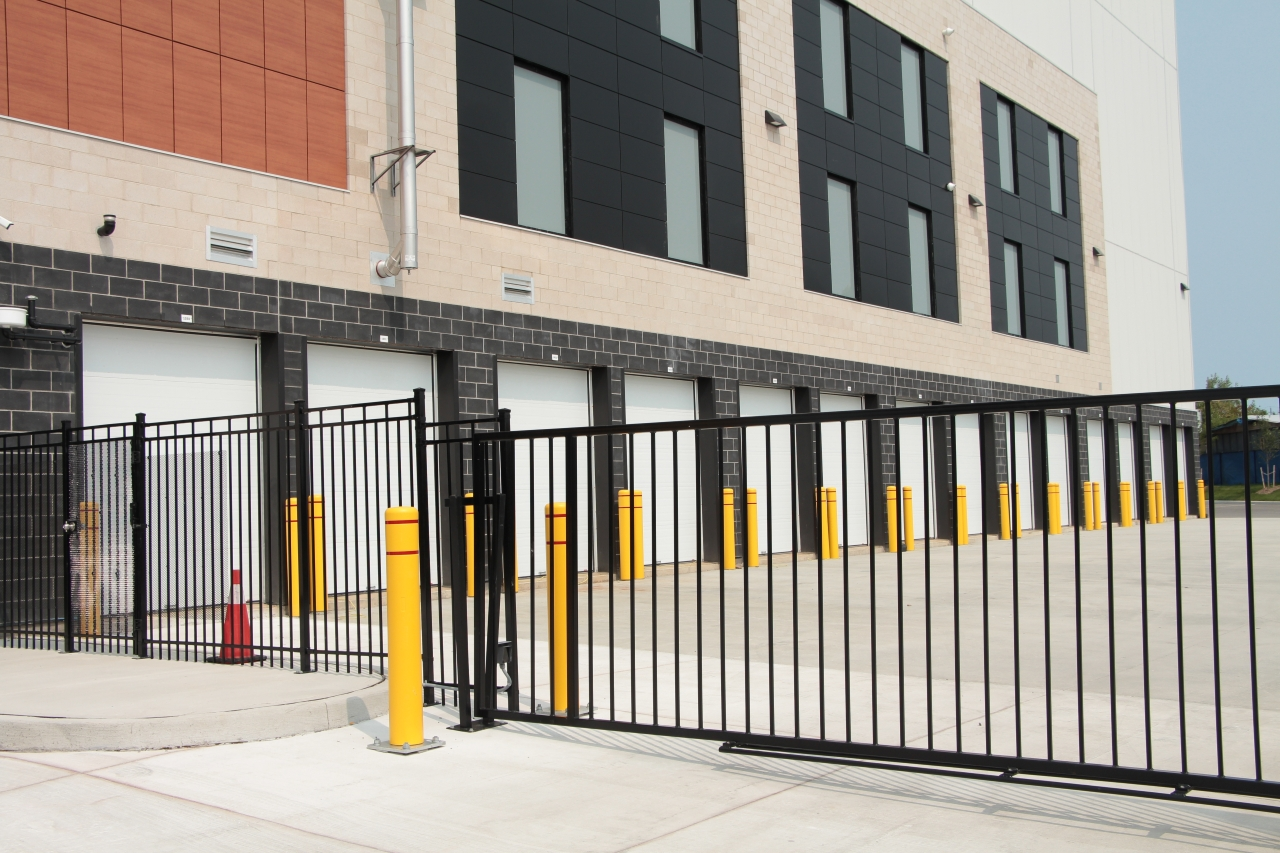
Self storage has long been a suburban story. Across America largest 100 metros, 59% of the inventory built over the past decade sits outside city cores, largely preserving the ratio of the total existing inventory.
Sweatshirt Storage Ideas Worth Keeping Up Your Sleeve
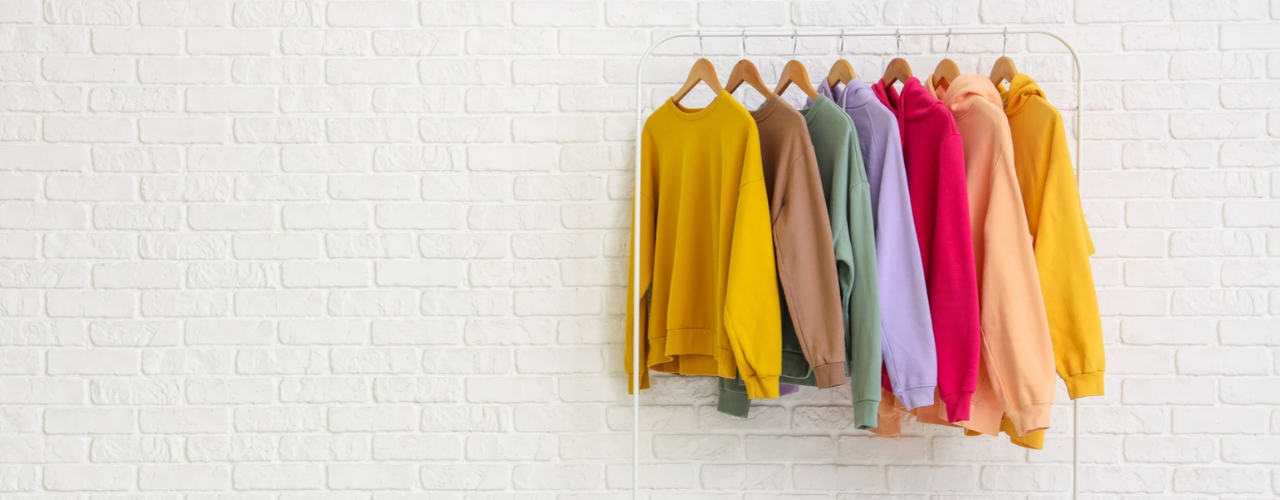
Sweatshirts are great until you realize how much room they take up. A few thick hoodies can fill a drawer fast, with lighter crewnecks getting squashed underneath or pushed somewhere you forget about. Good sweatshirt storage can make that pile much easier to manage without requiring a bigger closet.
Living Room Storage Ideas: 28 Ways to Reclaim Your Hosting Space
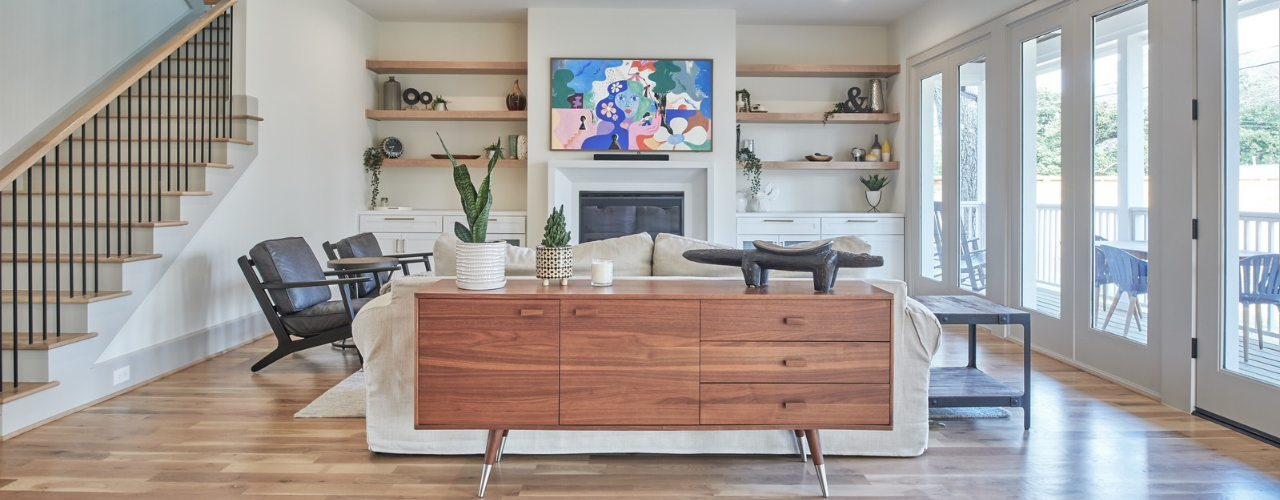
If a living room is where most of a household’s living happens, good storage should be the top priority for setting up or revamping the place. After all, think of how easier it would be to have people over when tidying up the place is just a matter of putting things in their right place (in a time when fewer and fewer people are entertaining friends at home(opens in new tab)). The trick is making room for all those wayward clothes, blankets, chargers and other small things that end up on (or, inexplicably, in) the sofa. Here are 28 living room storage ideas to get you started and make tidying up a quick affair.
25 Mudroom Storage Ideas (And Mistakes to Avoid)
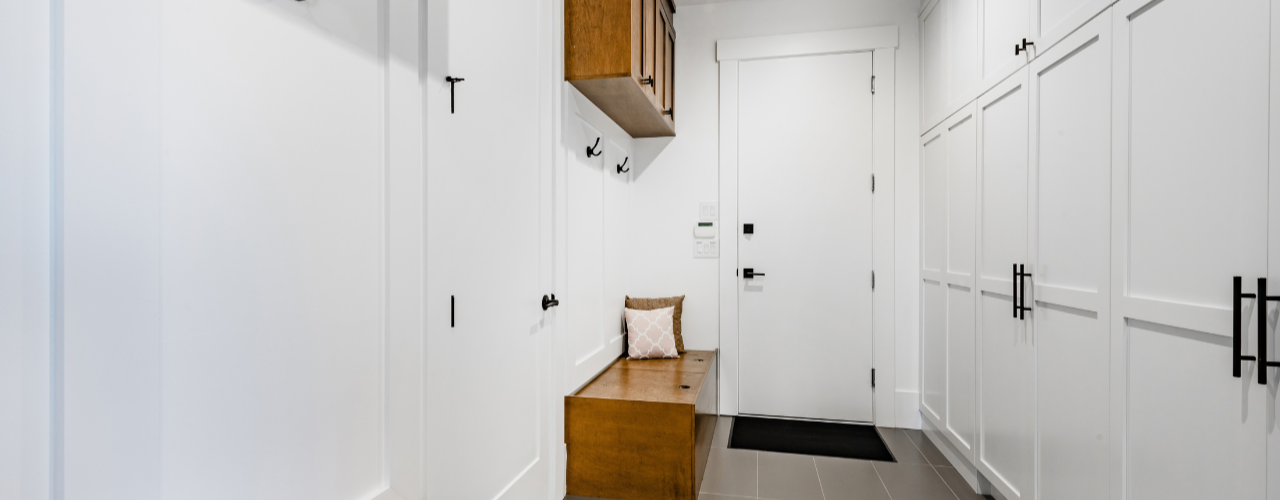
When you come home with muddy boots, an armful of bags and a coat you can’t wait to take off, it’s nice to have somewhere to put it all. With a mudroom, you can leave the outdoor mess at the door instead of carrying it through the house. Traditionally, you’d set aside a separate room, but you can just as easily use a hallway, an entryway closet, a laundry-room corner or a stretch of wall near the entrance.
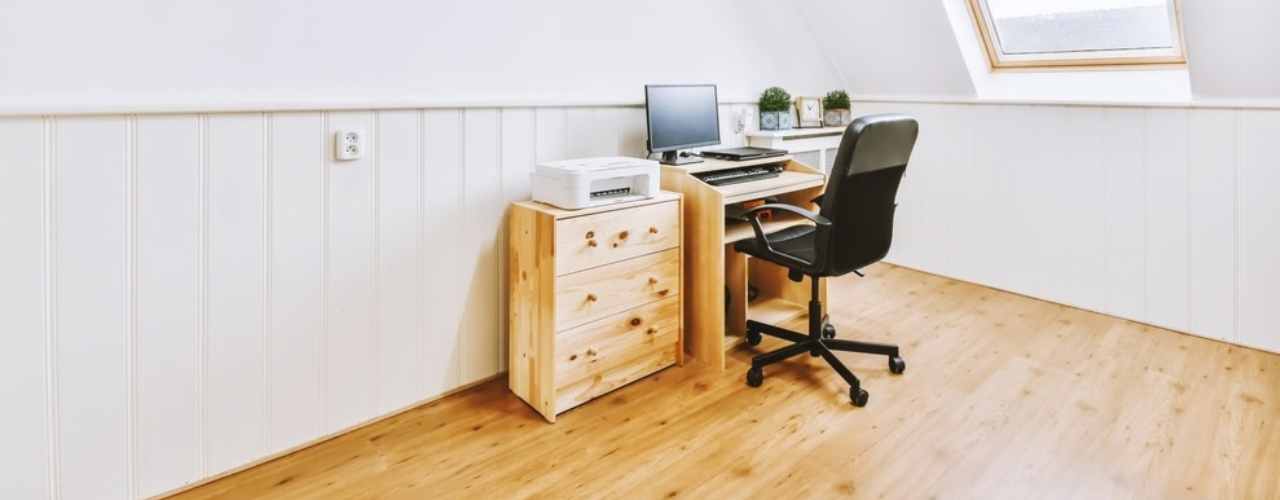
Is Your Home Office Worth the Rent? What Coworking and Self Storage Could Save You
Every square foot of your apartment comes with a price tag, and a home office claims more of them than most renters expect. It starts with a desk. Then come the second monitor, the printer, the filing cabinet and the overflow boxes. Before long, the corner you set aside for work has turned into a small room you are paying for every month.
Best U.S. Cities to Live Uncluttered: Plano, TX, Offers the Most Room to Breathe
Clutter is in our homes as much as in our heads. Both are shaped by where we live.

America’s Top Snowbird Destinations for 2026–2027: Florida Leads in Numbers, Texas Wins on Value
For Americans living in colder states, the approach of winter is reason enough to start looking south. Cold weather carries costs that go beyond the heating bill and shoveling snow. Seasonal affective disorder(opens in new tab) is far more prevalent in northern states, so a temporary move south isn’t simply an escape from the cold, but a chance to spend the hardest stretch of winter outdoors and in the sun.