

Home prices are rising. Apartment sizes are shrinking. Combine a tight housing market with a fluctuating economy and the demands of modern lifestyles, and it’s no surprise that people are starting to think outside the classic single-family box. After all, necessity is the mother of invention — so why shouldn’t housing needs inspire the invention of alternative homes?
That’s the story behind many offbeat types of dwellings, from the famous tiny house movement to the rise of manufactured housing. And then there are the truly innovative builds: residential tree houses, eco-friendly earth shelters that give Middle Earth a run for its money, even underground abodes built with resilience in mind.
Be they cost-saving or eye-catching, these homes are united under the roof of alternative housing. Let’s explain that. Alternative housing is an umbrella term for anything that falls outside the domain of conventional units such as single-family homes and multi-family developments.
So what does this new American housing dream look like, exactly? Let’s take a closer look at 15 home styles shaking up the habitual — and what they might mean for the future of living.
1. Tiny homes & micro-apartments
They may be tiny in square footage, but they’ve sparked a massive cultural shift. Modern tiny homes usually measure 100 to 400 square feet, often mounted on wheels to sidestep zoning limits. Purpose‑built tiny‑home communities are emerging across the U.S., some with shared gardens and common spaces. True to their size, tiny homes usually come with modest price tags, typically ranging from $30,000 to $80,000.
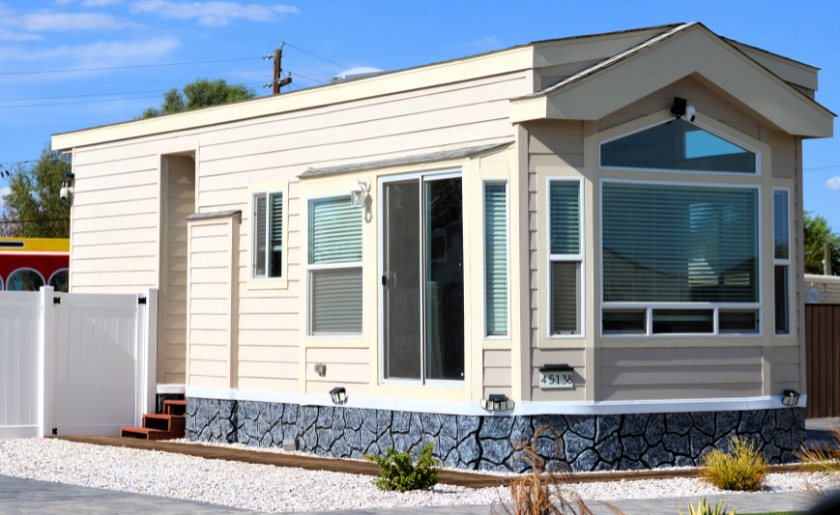
Meanwhile, micro‑apartments — ultra‑compact urban studios between 250 and 400 square feet — put a new spin on the spirit of old urban tenements. This time, they’re stylish, modern, and often close to downtown. That’s especially true in the top U.S. cities for micro-housing, including Cleveland, Minneapolis, and San Francisco — which have the highest share of micro-apartments in the nation. Plus, micro-housing just makes renting more manageable — In cities like Chicago, micro-units rent at nearly half their conventional counterparts.
The tiny‑home lifestyle appeals to those prioritizing simplicity, mobility, and lower environmental impact. “I have learnt that small and eco-friendly dwellings can easily be accommodated in cities, utilizing the unused areas and preventing the sprawl,” says Jake Fry, CEO of SmallWorks. “It is surprising to see that these houses can accommodate the current demands and this proves that even small houses can be as comfortable as large houses so long as they are designed well.”
Historically speaking, tiny homes trace their roots back centuries — from yurts in Mongolia and teepees in North America to Henry David Thoreau’s 150‑square‑foot cabin at Walden Pond in 1845. The modern movement began in the late 1990s when Jay Shafer completed his 96 sq ft house in Iowa and co‑founded the Small House Society in 2002. The Great Recession of 2008 pushed the idea into the mainstream, as families sought smaller, cheaper, and more sustainable homes.
2. Manufactured homes
In a market where affordability feels like a relic, manufactured homes seem to deliver what many buyers are still hoping for: dignity, space, and a roof that doesn’t come with a lifetime of debt.
Today, there are about 7.9 million manufactured units in the U.S., equal to 5.4% of all housing stock. The average price for manufactured homes hovers around $123K, without counting land costs — which is still way below the national average of $360K. You’ll find a lot of manufactured homes in Sun Belt states like Arizona, Florida, and New Mexico; most times significantly below the state’s average house prices.
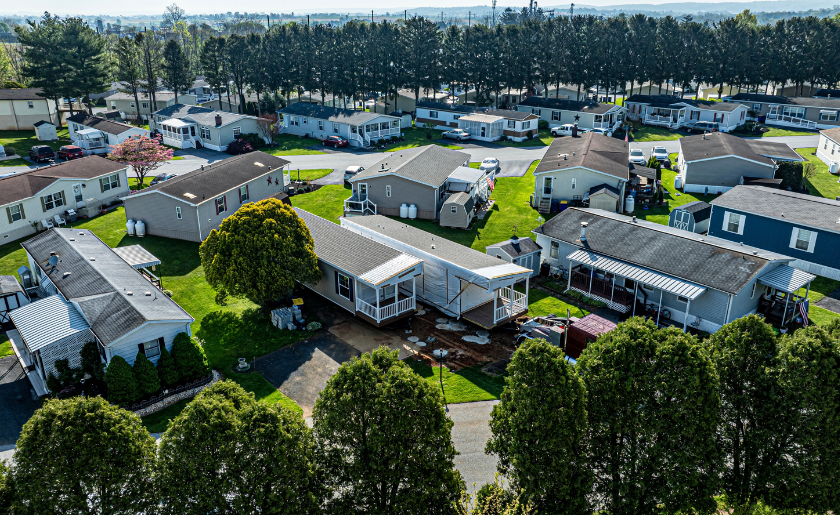
Plus, even if the land is leased, there is still a way forward: resident co-ops. Basically, it’s when homeowners manage to collectively purchase the land beneath their homes if the current owner decides to sell. Some states, like New York, have even passed right-of-first-refusal laws to protect residents in manufactured home communities.
Manufactured housing’s modern footprint has surprisingly old roots. Think of these as the descendants of Lustron houses, the prefabricated enameled steel homes built for G.I.s returning after WW2. Then, just as today, this housing answered a housing crisis. The trend morphed into the mobile home wave of the fifties and sixties, which used lighter-weight materials. Finally, in 1974, H.U.D. passed official regulations for these types of units, and they’ve been known as “manufactured homes” ever since.
3. Modular & prefab homes
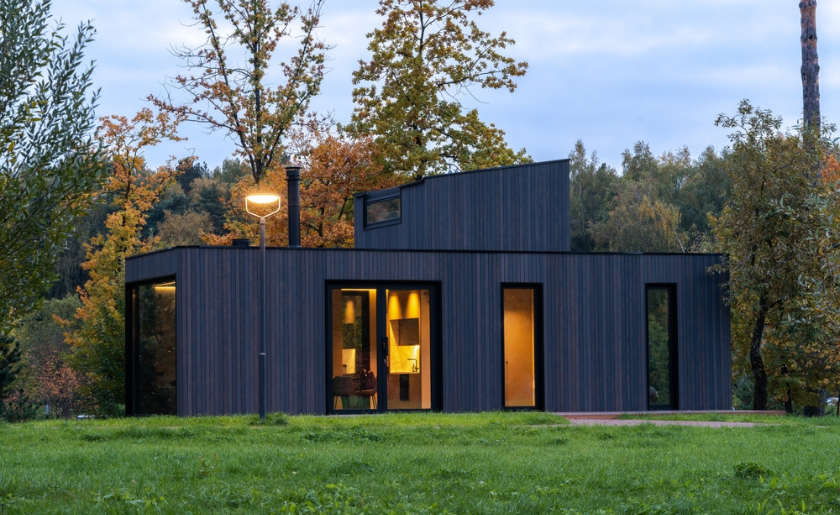
Modular and prefab homes are ideal for design-minded pragmatists who love efficiency, sustainability, and the thrill of seeing a dream house arrive in pieces and come together in days. These homes are factory-crafted, shipped to site, and assembled in half the time of conventional construction.
Modular homes can also make construction sustainable, as they cut costs by up to 20%, waste far less, and meet national codes for safety and performance. Unlike manufactured homes, most modular units are attached to a foundation and thus are not movable (You can’t have them all!).
The prices are also attractive. Recent government data shows that modular units sell at $120,000 to $270,000 for a 1,500 to 2,000 square-foot home. Based on size and finishes. Put simply, modular homes are great if you want a fast, efficient construction process and a flexible layout at reasonable price. You’ll see lots of them in California, Oregon, Washington, Colorado, and parts of the Northeast with friendly zoning.
And while the efficiency feels cutting-edge, the idea itself has been in motion for centuries. Long before modern suburbs, modular thinking was already crossing oceans. In the 17th century, English settlers shipped prefabricated panels to Massachusetts Bay — basically flat-pack housing before IKEA was ever a dream. A century and a half later, the 1849 Gold Rush sent thousands of kit homes west, built fast for workers chasing fortune. London carpenter John Manning exported his portable house to Australia in the 1830s, while Sears’ famous 1908-1940 “kit homes” made the idea mainstream across the U.S.
The 20th century turned prefab into architecture. Le Corbusier’s Dom-ino (1914) reimagined the home as a living machine and Buckminster Fuller’s Dymaxion House (1927) took the yurt shape to futuristic extremes. After WWII, Walter Gropius and Konrad Wachsmann’s Packaged House system laid the foundation for the sleek, efficient modular builds we see today.
4. 3D-printed homes
These concrete or biopolymer builds have a typical price of $140,000 to $160,000, as they cost 10-25% less to build than usual concrete masonry homes. They also arrive layer by layer like a giant architectural latte. 3D printed homes are best suited to early adopters and green thinkers who want their home to be as disaster-relief as possible. Right now, you’ll find most of them in Texas, Arizona, and California.
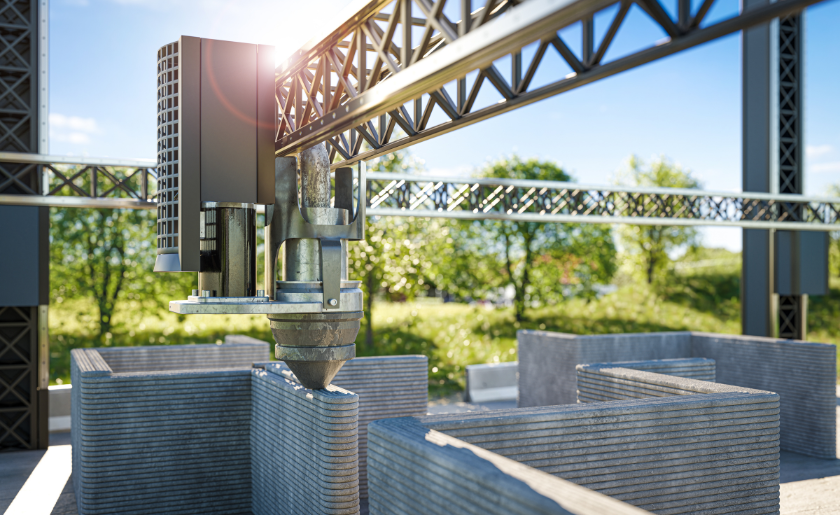
Of course, this futuristic method didn’t appear overnight. Back in the 2010s, companies like ICON and Apis Cor decided to skip hammers and let robots handle it. By 2018, entire homes were being printed in a day: a timeline that makes traditional construction look like it’s buffering.
5. Accessory Dwelling Units (ADUs)
The backyard isn’t just for grilling anymore — it’s becoming a financial lifeline, a guest suite, a rental unit, or all three at once. Most ADUs span 400 to 1,000 square feet, built as detached cottages, garage conversions, or basement suites. Most ADUs cost between $40K and $360K to build, and, in cities like Portland, Seattle and Vancouver, they rent at around $1,300 per month.
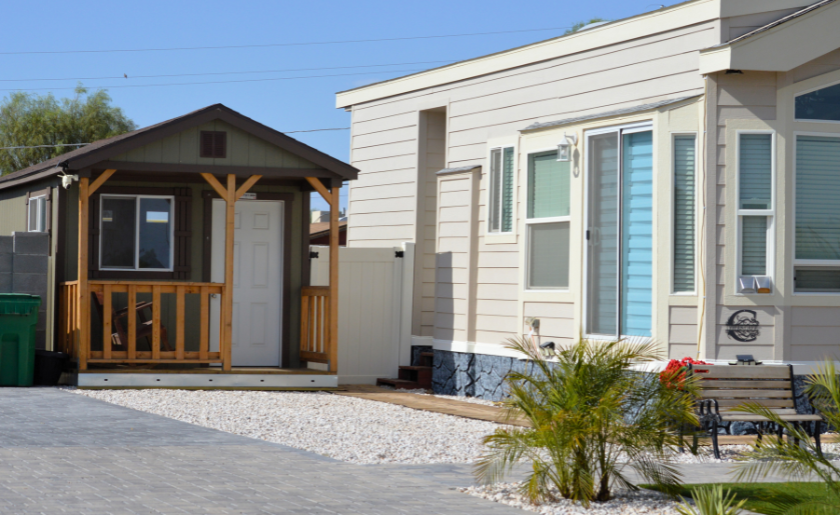
ADUs typically can boost property value and create flexible space for multigenerational families. Thanks to pro-housing policies in California and Washington, these small additions have become a cornerstone of urban affordability.
But long before cities began rewriting zoning laws, the first ADUs weren’t called that at all: they were carriage houses, tucked behind Victorian estates for servants or extended family. As cities densified, the idea reemerged in the 1980s, when rising costs pushed planners to rethink backyard space. Over the years, Portland, Oregon, led the charge with zoning reforms in 2010.
6. RVs & vans
Once, living in a van was the domain of digital nomads and Instagram dreamers. Now, it’s for anyone who’s ever looked at their rent and thought, “There’s got to be another way.”
RVs and converted vans offer mobility and affordability, often costing up to 70% less to live in than fixed homes. To give you an idea, RVs range from $15K to $150K; vans run $10K to $100K. Solar panels, composting toilets, and lithium batteries make full off-grid living possible. And after all, every RV is one camper makeover away from being a great place to live.
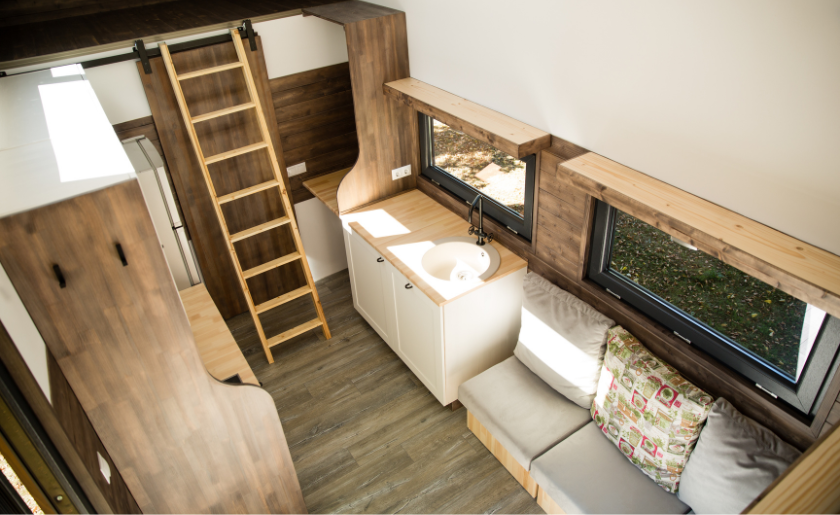
After all, the open road has always whispered of freedom. The first recreational vehicles rolled out in the 1910s, soon followed by the great 1950s RV boom, when highways stretched wide and wanderlust became part of American culture. By the 2010s, a new generation had rediscovered the appeal: the digital nomads of the “van life” movement.
7. Skoolies
School-bus turned homes. Yes, you read that right. Here’s why it makes sense. School bus conversions cost around $55K and $95K, often run on solar power, and can come with full kitchens and Wi-Fi. As soon as you move in, you can look forward to saving up to $70K on rent. What better way to get over residual morning school anxiety?
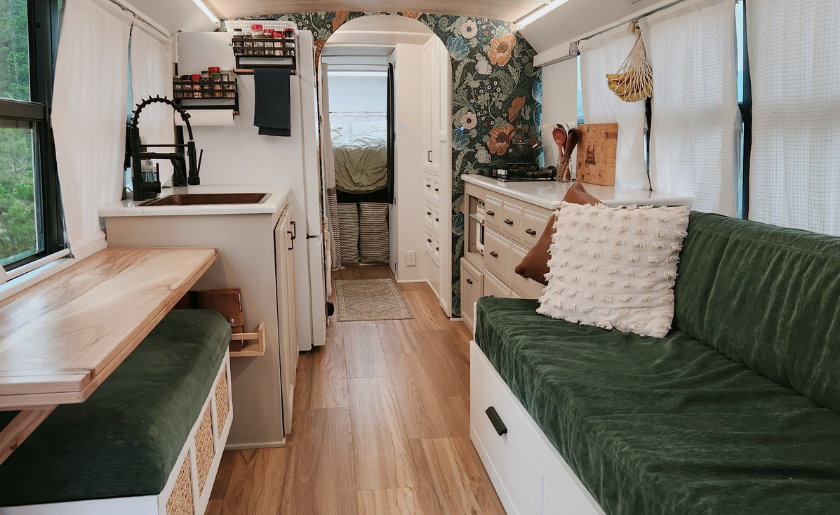
Here, too, history goes way back. Once the engines of childhood commutes, old school buses got a second life after WWII, when veterans began converting them into mobile homes. By the 1960s, skoolies were counterculture icons — homes-on-wheels painted in tie-dye and idealism. And now, they’re part of the alternative housing pantheon, beloved by DIY travelers across Colorado, Texas, California, and Arizona.
8. Houseboats
It’s homeownership for those longing for the seafaring life — and zero lawn to mow. Add in solar panels, bio-waste systems, and hybrid motors, and you’ve got the gold standard for sustainable, albeit slightly wobbly living. You also get waterfront views, fresh air, and just enough sway to rock you to sleep. Plus, you may save quite a lot on housing costs: Older, smaller models hover near $10-50K; newer versions range from $100K upwards to $1M+.
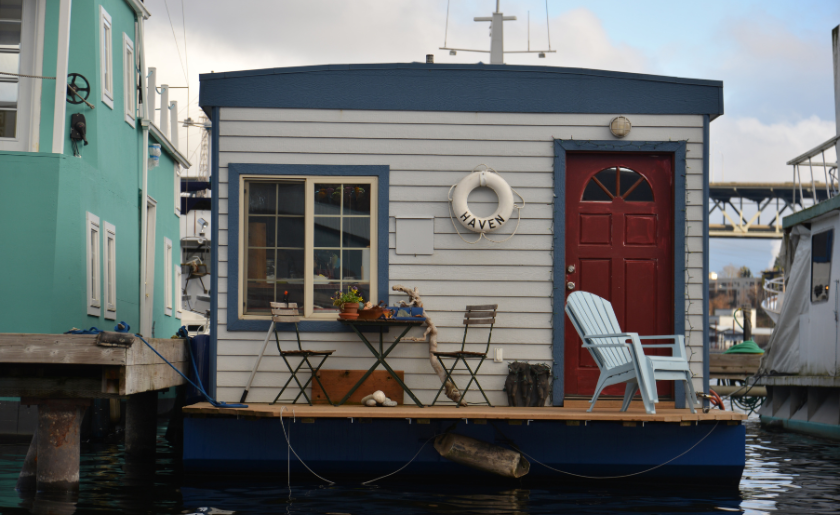
It’s a modern idea with ancient anchors. For centuries, houseboats have proven one thing: gravity is optional. From 19th century Amsterdam to Southeast Asia’s floating villages, people have been living on water since long before Wi-Fi reached it. Seattle joined the trend in the 1920s, when artists and sailors wanted a middle ground between owning a home and roaming the earth at will. Now, they’re a hit in Seattle’s Lake Union, Sausalito, Miami, Portland, and towns along the Mississippi.
9. Shipping container homes
It’s the architectural equivalent of turning lemons into lemonade — only here, the lemon is a steel box that used to ship cargo. To put it another way, the humble shipping container is having its glow-up, and the math explains it all.
Single-container homes often cost $25K to $82K, while multi-unit projects land around $100K to $250K. Not only are shipping container homes affordable; they can also be easily customized: add insulation, solar panels, or stack them into full container communities. Usually, you’ll find them showing up in cities with experienced builders; think Texas, California, Oregon, and Florida.
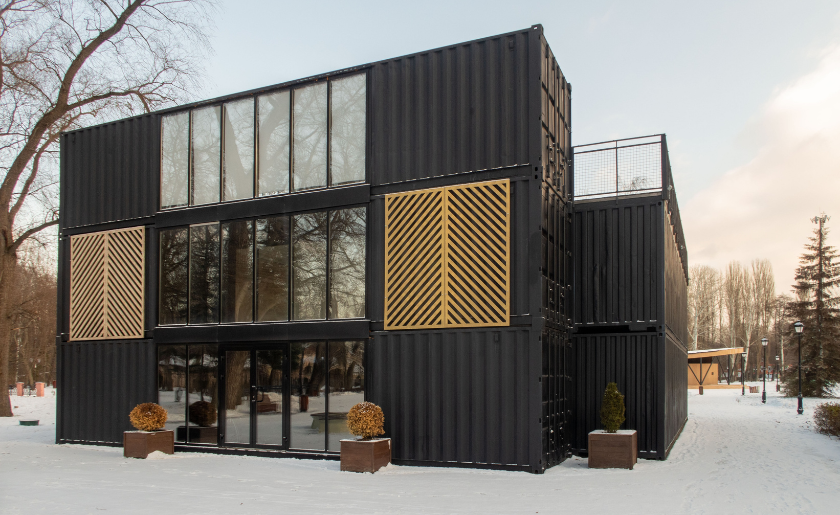
This type of alternative housing was born of the 1950s intermodal revolution — and it has found a second act as an icon of adaptive reuse. Designers in the 1980s began transforming these steel boxes into minimalist sanctuaries, and by the 2000s, they’d become shorthand for sustainable urban living.
10. Treehouses
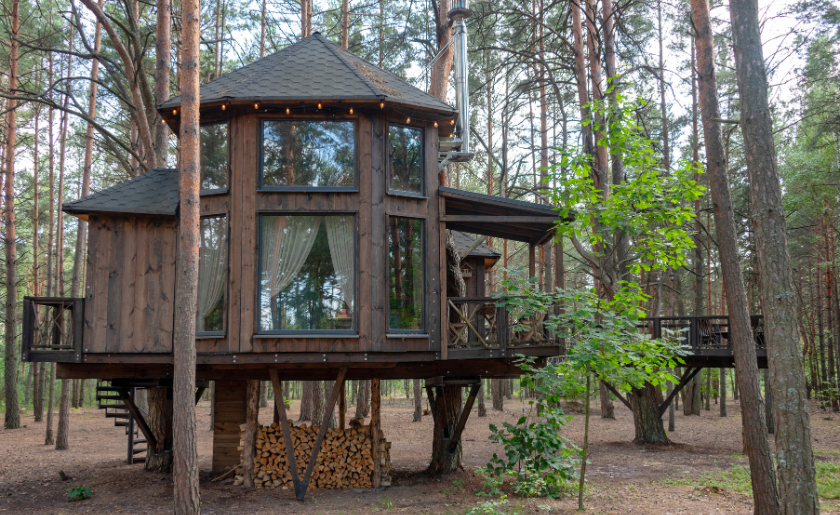
You don’t need a trust fund or a tiny tot to chase the treehouse dream — just a good tree and a solid plan. And you wouldn’t be alone: In recent years, the nostalgic treehouses have turned into minimalist cabins and childhood dreams made tax-deductible home. It’s perfect for people who want to get closer to nature (or just far enough away from their neighbors’ lawn equipment).
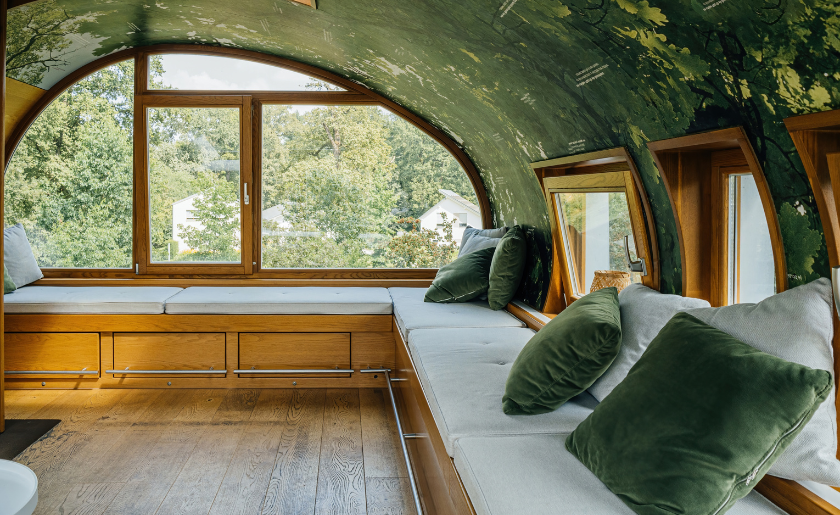
Solar power, rainwater collection, and composting means you can live among the branches without feeling like you’re roughing it. Plus, you can save some serious money while having fun building: a medium-sized treehouse can cost between $4,000 and $12,000 to build.
All that to say: Treehouses have come a long way from the “no girls allowed” sign days. In many Pacific and African communities, they were practical; safe spots above floods or storage for crops. Then came the 1960s, when counterculture folks decided that if society lived on the ground, they’d rather not.
11. Barndominiums
For homeowners in rural Texas and the Midwest, getting around housing costs is not their first rodeo. Barndominiums prove that. And when you look at the math, “Barndos” just make sense, starting with the fact that they use steel frames and cost 20 to 40% less than traditional builds. That lands most barndominiums at around $100K to $250K. Plus, they have open-floor layouts, which lets you customize to your heart’s content.
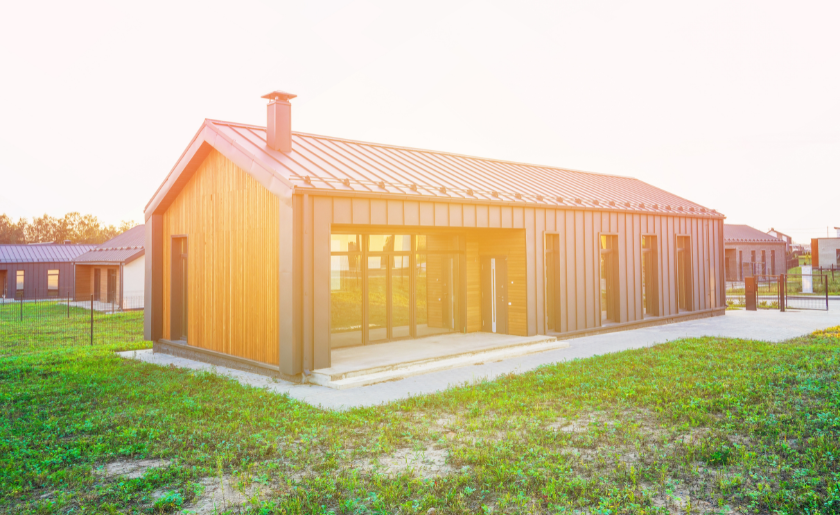
Still, this ‘new’ trend got its start long before Pinterest boards and farmhouse décor. Born in 1980s Texas (naturally), barndominiums started as pure practicality: farmers got ambitious and started turning barns into homes big enough for people, livestock, and one ambitious barbecue pit. Somewhere along the way, they became rural chic, complete with high ceilings, open layouts, and enough space to swing a tractor.
12. Earth-bermed and adobe homes
The first forms of housing really paid respect to Mother Earth. Now they’re deemed “alternative”, but they’re no less a good idea. Earth-bermed homes are low-maintenance, high-efficiency, and perfect for anyone who likes the idea of living quietly in a hill while confusing Google Maps. As for adobe homes, they’re a true a Southwest staple in New Mexico, Arizona, Colorado and California. You can expect around$250K for small DIY builds up to $400K+ for architected adobe homes. Basically, they’re perfect for those of us who just want a proper house (with four walls and adobe slats).
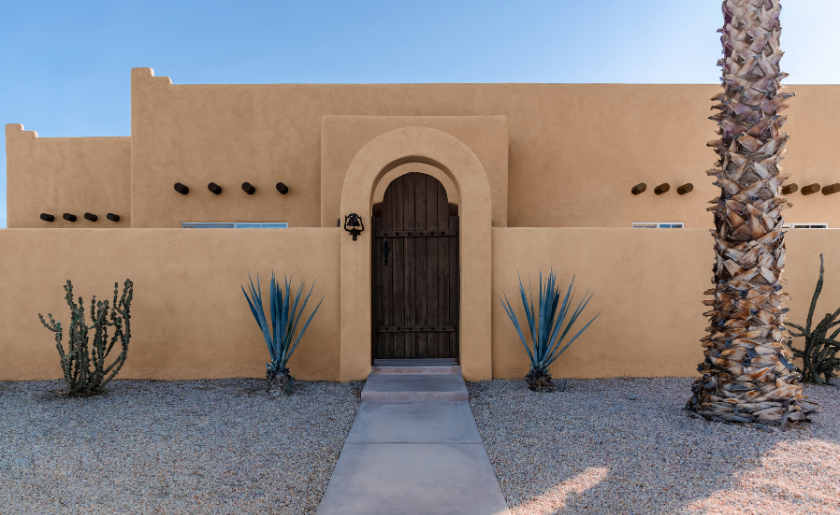
The history reaches back millennia, as Adobe has been around since ancient Mesopotamia — it’s basically the original “eco” building material, minus the marketing. In the American Southwest, Taos Pueblo (circa 1400 AD) is still standing proof that ground, straw, and sunlight can get the job done for, oh, six hundred years or so.
Earth-bermed homes took that same wisdom to a new level by … going halfway underground. Popularized during the 1970s energy crisis, they were part insulation, part rebellion against oil prices. With the earth as your thermostat, you don’t need to fight over the A/C remote — nature already set the temperature.
13. Bunker homes
Made from reinforced concrete and tucked underground, bunker homes stay cool in the summer, warm in the winter, and blissfully unaware of small talk. They’re quiet, efficient, and ideal for anyone who enjoys stability (geological or emotional).
Prices range wildly, but you can make do with about $10,000 for a DIY version. If you want to leave it up to professionals, a typical finished installation for a 200 square-foot unit averages $40,000 to $80,000+ depending on amenities, region, and soil conditions.
And if modern life sometimes feels chaotic, this design has been calm under pressure for decades. Sure, they were once built for WW2 or the Cold War, bunkers were all about surviving the end of the world. But now, they’re especially great for people trying to survive their homeowners’ association.
14. Co-living & cohousing
Co-living developments are a nice blend of privacy and community: micro-apartments paired with shared kitchens, lounges, and workspaces. They’re also just a good financial decision: Co-living spaces typically save you 20 to 50% on rent compared to traditional apartments. To give you an idea, co-living rents in New York City average $1,800, while studios rent at an average of $3,500. depending on location and amenities. That’s a good deal for singles, young professionals, older adults, and anyone seeking affordability, strong community connections.
These developments are prominent in major urban centers like San Francisco, New York City, Denver, Austin and Los Angeles, and there are more than 170 established cohousing communities in 36 U.S. states.
As with many modern trends, it’s really an old idea rediscovered. Born in 1960s Denmark as “bofællesskab,” or living fellowship, cohousing reached U.S. shores in the 1980s via Berkeley’s cooperative scene. After the 2008 recession, it found new life as an antidote to loneliness and rising rents.
15. Converted motels & hotel-to-housing projects
They take what’s already built, give it new purpose and save plenty of time and money. Motel and hotel conversions are quick — often under six months — and 40 to 60% cheaper than new builds. This results in rents that may range from $1,100 to $1,250 depending on city and level of renovation. Each room becomes a self-contained micro-unit, ideal for supportive housing or urban infill. In high-cost cities like Manhattan, where land is scarce, this adaptive reuse model has become one of the most practical ways to turn vacancy into affordability.
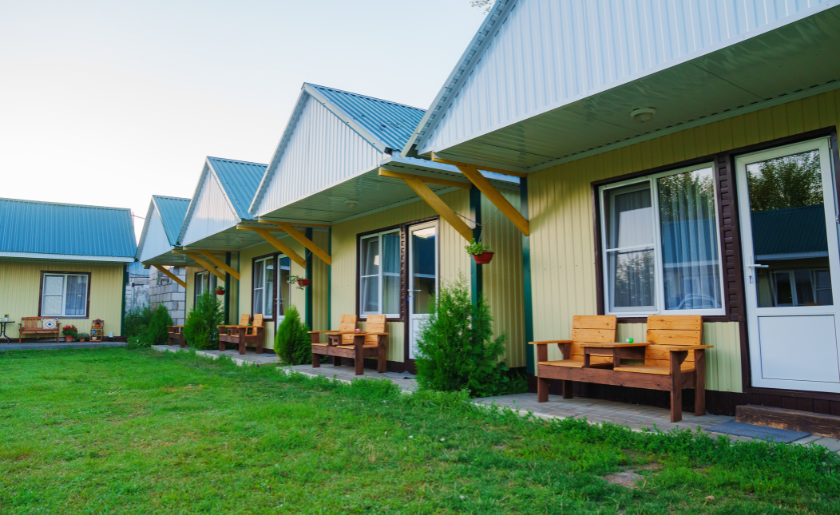
This ‘new’ approach has older roots than most people realize. During the Great Depression, struggling families found refuge in roadside inns. Nearly a century later, the COVID-19 pandemic revived the concept, this time with scale and purpose. Through programs like California’s Project Roomkey (2020), governments transformed underused hotels into thousands of affordable apartments.
How self storage complements alternative housing
Alternative housing often means rethinking space — and knowing what to keep close and what to store. Chris Desino, real estate agent and the owner of Ocala Horse Properties, shared a story of a retired couple who moved into a 300-square-foot tiny home by the coast. “They adjusted faster than they expected,” Desino said. “Less upkeep gave them more time to travel and enjoy the day-to-day.”
But they did wish for one thing: more storage. “Living small teaches you to be intentional, but a little extra room for hobbies or guests would make it perfect.” That’s where self storage comes in.
Self storage offers breathing room for compact living, giving your life space to stretch without cluttering the kitchen table. Need to stash skis for the summer? Tools between projects? A kayak or a camper van’s worth of memories? There’s a unit for that. Think of storage as the bonus room you only pay for when you use it.
Modern facilities offer climate-controlled storage for delicate materials, flexible leases for nomads and planners alike, and security that feels quietly reliable. For tiny home dwellers, ADU owners, or full-time travelers, self storage becomes an invisible wing of the house: steady, silent and endlessly helpful.
Frequently Asked Questions
Are alternative homes legal everywhere?
Not quite. Zoning laws vary wildly — a tiny home might be welcome in one county and considered an outlaw shed in the next. Many cities, like Portland and Austin, are updating codes to allow ADUs, modular builds, and micro-housing, but it’s always best to check local ordinances beforehand.
Which alternative housing option is the most affordable?
Manufactured homes still win on cost per square foot, but converted motels, RVs, and ADUs can come close. Tiny homes sound cheap until you start adding custom finishes and solar setups. The rule of thumb? The simpler the footprint, the lighter the bill.
Do these homes require special maintenance or storage solutions?
A little. Houseboats need barnacle checks, skoolies need oil changes, and adobe homes appreciate the occasional patch job after a rainstorm. Most owners rely on self storage for tools, seasonal gear, or the belongings that don’t fit their new lifestyle.
Where are alternative homes most common?
Cities love ADUs, modular builds, and co-living setups. Rural areas lean toward mobile and manufactured homes, barndominiums and shop houses.
Does alternative housing hold value?
Absolutely. Owners often see steady value through rental income, efficient land use, and low-cost, sustainable design.
How does self storage help with compact living?
It’s like a pressure valve for your space. Self storage keeps things organized and accessible so your smaller home stays open, calm, and livable.
Bottom line: Alternative housing is here to stay
Alternative housing is reshaping how Americans live. From tiny homes and ADUs to houseboats, skoolies, and factory-built modular units, these homes prioritize flexibility, affordability, and smarter use of space — often far more affordable than traditional options.
Rooted in history but revived by modern pressures, each type answers a different need. Some reduce footprints, others create community, and all push back against the idea that bigger is better. Self storage fills the gaps, so these homes can have room to breathe without the clutter.


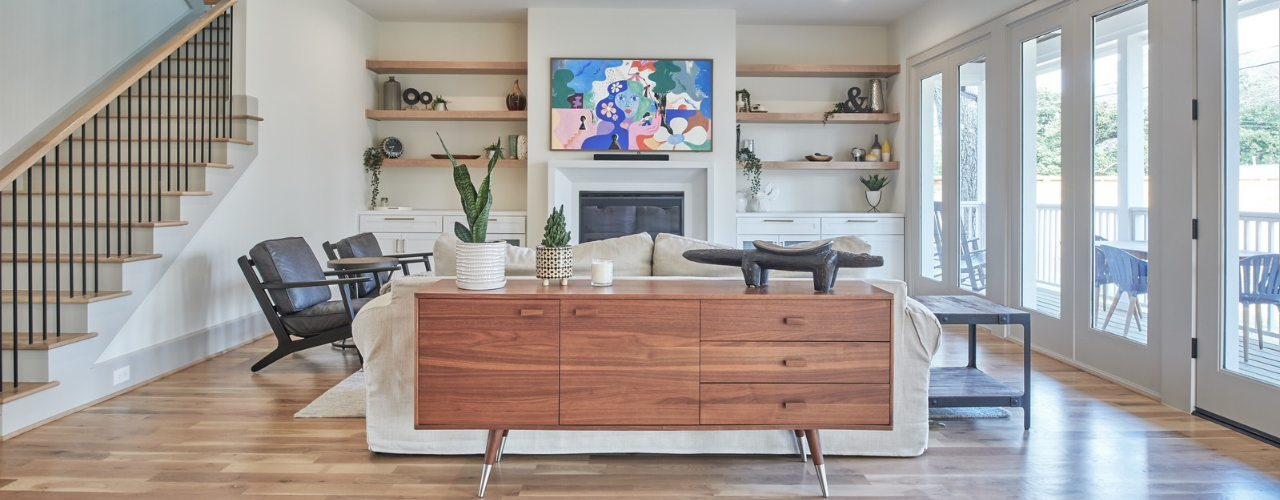
Living Room Storage Ideas: 28 Ways to Reclaim Your Hosting Space
If a living room is where most of a household’s living happens, good storage should be the top priority for setting up or revamping the place. After all, think of how easier it would be to have people over when tidying up the place is just a matter of putting things in their right place (in a time when fewer and fewer people are entertaining friends at home(opens in new tab)). The trick is making room for all those wayward clothes, blankets, chargers and other small things that end up on (or, inexplicably, in) the sofa. Here are 28 living room storage ideas to get you started and make tidying up a quick affair.
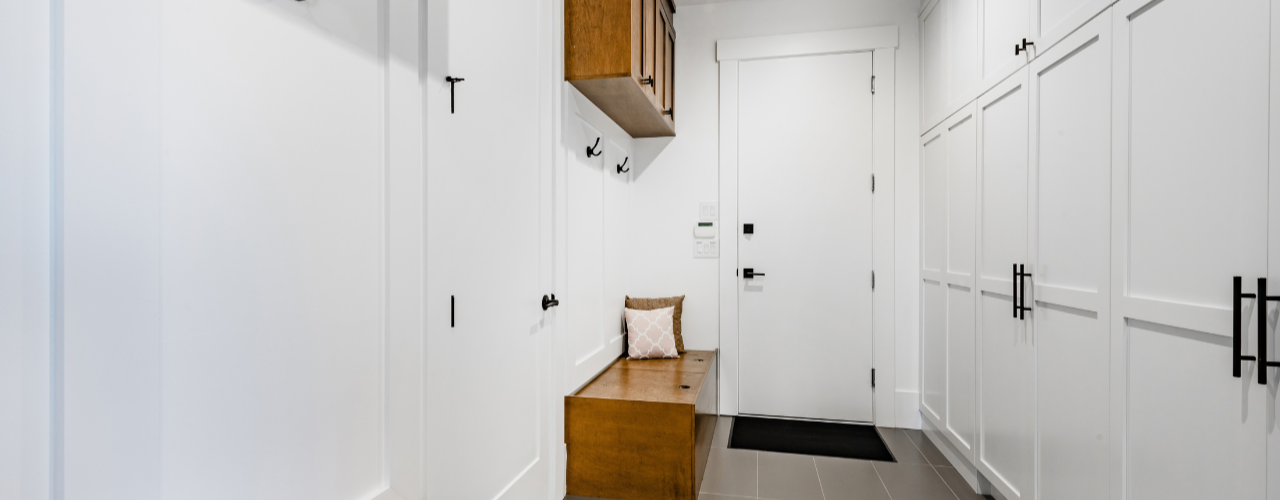
25 Mudroom Storage Ideas (And Mistakes to Avoid)
When you come home with muddy boots, an armful of bags and a coat you can’t wait to take off, it’s nice to have somewhere to put it all. With a mudroom, you can leave the outdoor mess at the door instead of carrying it through the house. Traditionally, you’d set aside a separate room, but you can just as easily use a hallway, an entryway closet, a laundry-room corner or a stretch of wall near the entrance.
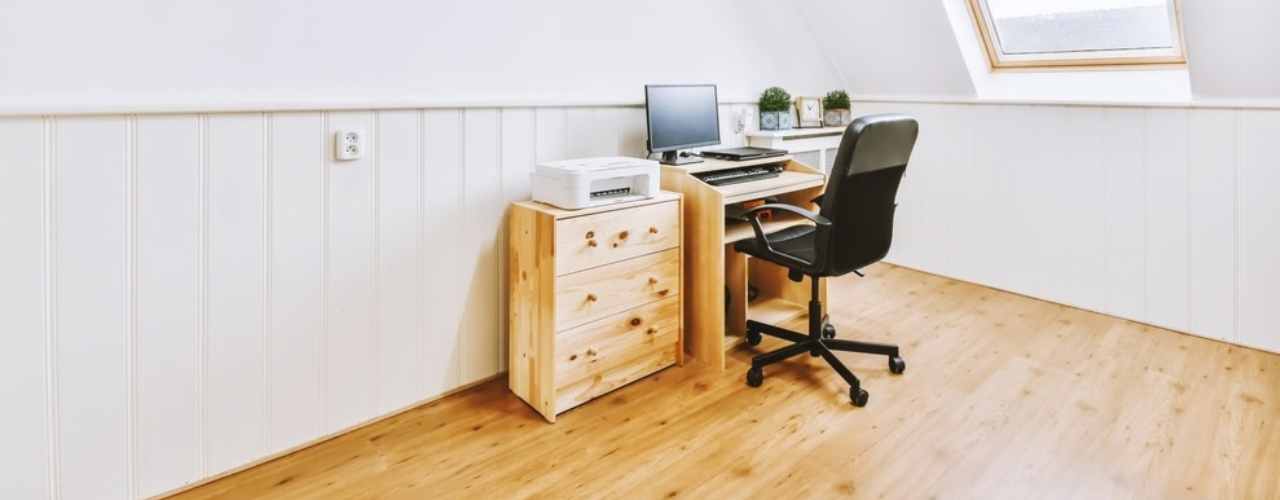
Is Your Home Office Worth the Rent? What Coworking and Self Storage Could Save You
Every square foot of your apartment comes with a price tag, and a home office claims more of them than most renters expect. It starts with a desk. Then come the second monitor, the printer, the filing cabinet and the overflow boxes. Before long, the corner you set aside for work has turned into a small room you are paying for every month.

Best U.S. Cities to Live Uncluttered: Plano, TX, Offers the Most Room to Breathe
Clutter is in our homes as much as in our heads. Both are shaped by where we live.
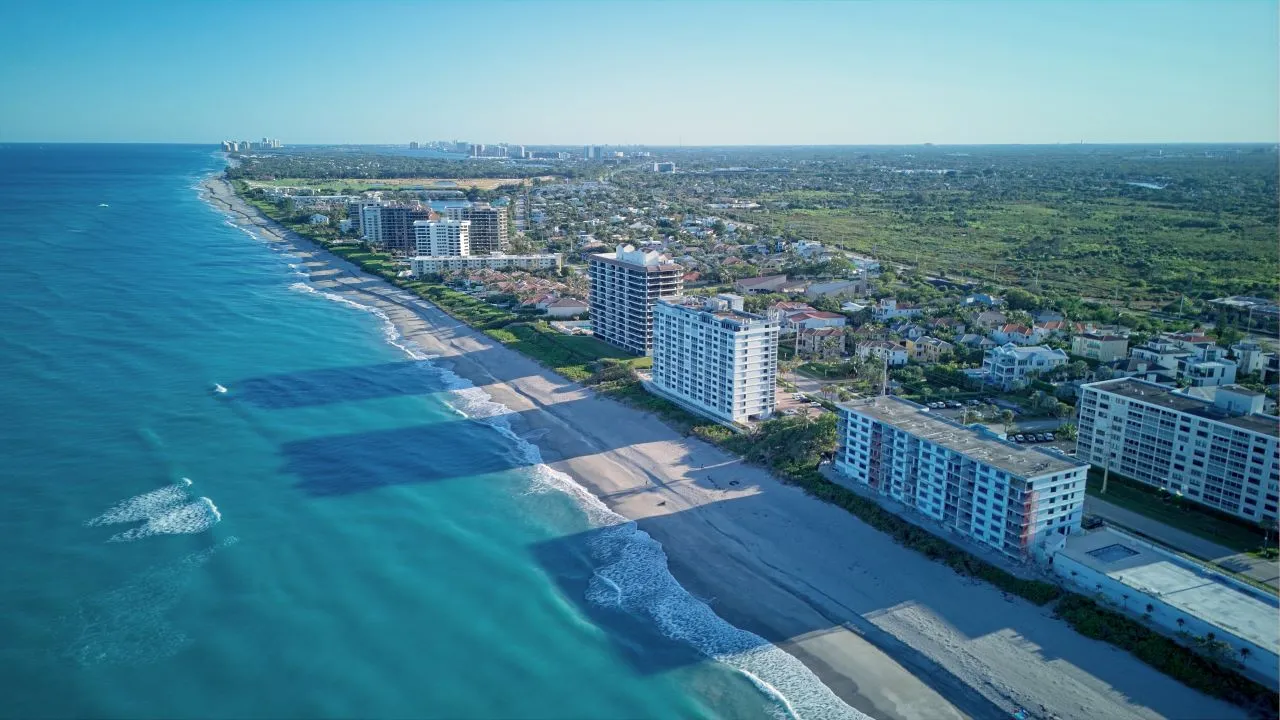
America’s Top Snowbird Destinations for 2026–2027: Florida Leads in Numbers, Texas Wins on Value
For Americans living in colder states, the approach of winter is reason enough to start looking south. Cold weather carries costs that go beyond the heating bill and shoveling snow. Seasonal affective disorder(opens in new tab) is far more prevalent in northern states, so a temporary move south isn’t simply an escape from the cold, but a chance to spend the hardest stretch of winter outdoors and in the sun.
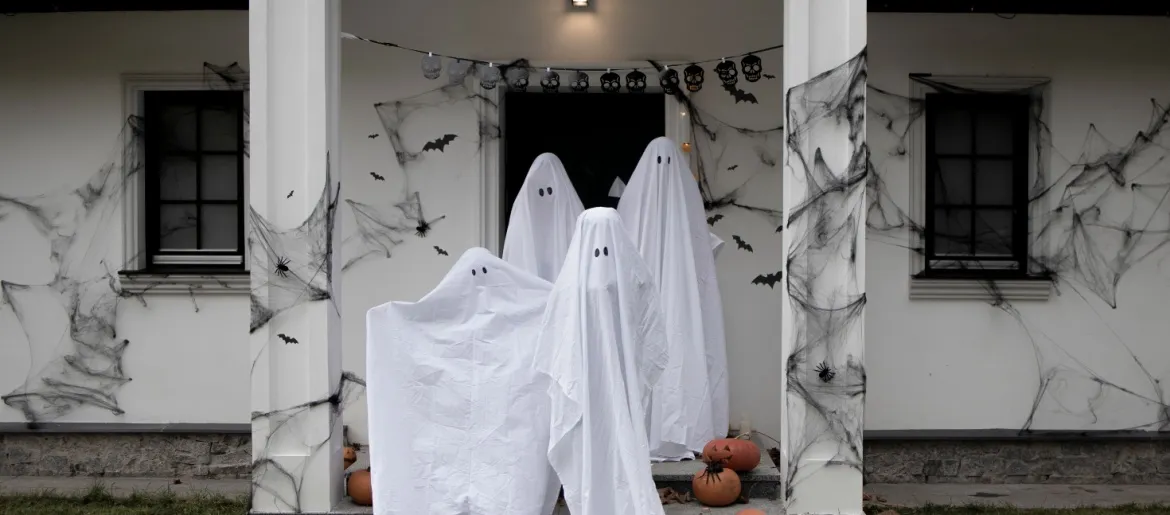
How Much Does Halloween Really Cost in 2026? Plan Wisely to Avoid the Scare of Hidden Costs
Americans’ love for Halloween is almost frightening — this year alone, we are on our way to spending $13.5 billion, according to data from the National Retail Federation(opens in new tab). That breaks down to about $115 Halloween costs per person, a whopping 49% more than 10 years ago.
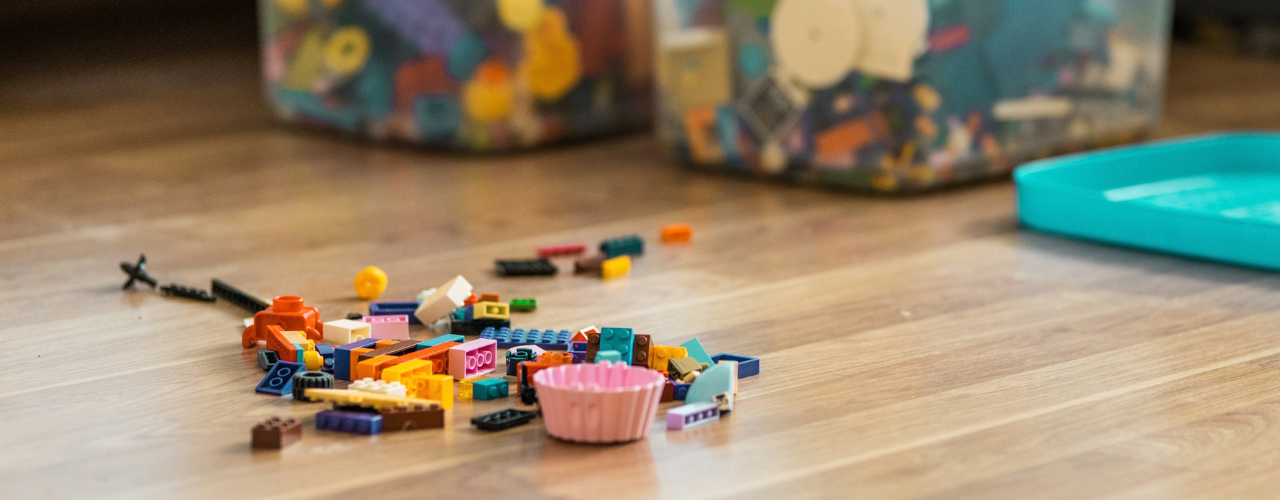
How to Store LEGOs: All the Fun, None of the Clutter
How to store LEGOs largely comes down to how your household uses them. If the bricks are part of everyday play, you need a setup that keeps them within easy reach and makes cleanup quick (for your feet’s sake, at least). Toy storage(opens in new tab) such as simple bins, playmats or containers that children can put away themselves may be enough. Larger or more serious collections usually need more organization, such as labelled drawers for loose pieces, trays for unfinished builds, shelves for completed models and separate storage for retired sets.

Cardboard Costume Guide: Tips and Ideas for a DIY Halloween
Whether for kids or adults, cardboard costume ideas often make the biggest splash once materialized, and that’s for a simple reason: doing a lot with a little is a universally impressive feat (especially in this economy). If you don’t have enough boxes you could temporarily repurpose, don’t worry! There are many places where you can find free moving boxes(opens in new tab), from stores and supermarkets to online groups and recycling drop-off spots. On the run? Try your luck at a self storage(opens in new tab) facility that sells moving supplies, often for cheap. This way, you can choose moving boxes of different shapes and sizes(opens in new tab), so you can make your costumes as complex as you want.

How to Celebrate Halloween: 9 Non-Spooky Ways To Enjoy It
As soon as October starts, it’s the official Halloween month. And while for many people it means it’s open season to get the scare of a lifetime, others, especially families with small children, might prefer to celebrate in a tamer way that’s both kid- and adult-friendly. While you’re likely to find more events where the spook factor is high, here’s how to celebrate Halloween in a not-so-scary way: