

Self storage became an even more essential service during the recent pandemic, seeing increased demand and a more diversified customer base. This triggered several changes in the ways the service is now provided and utilized, and these benefit the sector going forward.
To negotiate lockdowns and health concerns, people rented storage units to help them move quickly, cope with more crowded homes or manage suspensions of their businesses. Many who had never considered self storage before discovered the benefits, and services evolved rapidly to meet the new demands. Here are seven changes the industry experienced during recent years that continue to be very relevant going forward, for providers and clients alike.
1. The pandemic made self storage more essential for more people
With kitchen tables being employed as offices and children both learning and playing at home, household clutter was often the winner. There were displaced items of furniture and boxes of toys and books that could not always be stored in limited living space. A solution was to put items found around the house which were not used daily into a nearby self storage unit, and for many this habit is still going strong.
2. Businesses have learned about the flexibility of self storage
When businesses had to shutter their physical premises, office furniture, filing cabinets, materials and stock made their way into storage units. Although these items often just languished there during lockdowns, many businesspeople experienced the benefits of self storage for the first time: The facilities’ easy access and high levels of security, plus the flexibility of short-term leases, a wide range of unit sizes and the efficiency of climate-controlled storage, can make the service preferable to renting warehouses.
3. Challenges encouraged adoption of new and more efficient procedures
In response to hygiene concerns, many storage providers implemented operations that reduced face-to-face contact, accelerating existing trends. These changes included online reservations, virtual tours, contact-free payments, increased use of digital locks on doors and gates, mobile apps for managing storage units, and developing un-manned facilities. Yardi Breeze keeps operators up to date with these efficiency-boosting operational changes.
4. Time-saving storage services came to the fore
Both hygiene concerns and restrictions on mobility also boosted interest in valet self storage — also known as “full-service” or “on-demand” storage — whereby the provider collects customers’ items from their homes and delivers them back on request. With busy people now finding that simply messaging their storage facility can be a lot more convenient than actually visiting it, the value of this service extends beyond the lockdown years.
5. Changes to household composition created further demand for storage
Multi-generational living has increased together with house prices, and by 2020, twice the number of 25-34-year-olds lived with their parents than 50 years previously. The pandemic propelled even more people back home, including students from campuses and elders needing care, and many have stayed. With new household members all bringing their stuff, a good solution is still to decide which items could stay and which could be put temporarily into storage.
6. Working from home: what was once required is now often preferred
Employees sent home during lockdowns to work online often found they preferred it that way, able to keep an eye on family members in a familiar environment and with no commute. By 2021, the number of 18-39 year-olds able to telework already exceeded 50% in several states. And the trend is here to stay, often with hybrid schedules offered, so the furniture put into storage to make way for the home office can stay there.
7. Self storage’s customers now trend younger and want to declutter
Earlier this year, a StorageCafe survey found that millennials are equally likely as boomers and almost as likely as Gen Xers to be renting storing units. This was a change from the previous year’s survey when they were only around three quarters as likely as the older groups to use the service. The surveys also discovered a rising tendency for renting storage to declutter living space — the new customers may be keener than the older ones to maximize their living spaces.

Cluttered Room With Home Office
Post pandemic, the self storage industry has a wider customer base — which appears to be getting younger — and increased public appreciation. With the pandemic also boosting adoption of more efficient procedures and extra-convenient services, the storage sector upped its game significantly in a very short time. Issues with restricted living space are not going away, as rising housing prices mean homes often stay crowded. The pandemic-triggered changes have left the self storage sector looking strong in 2023.


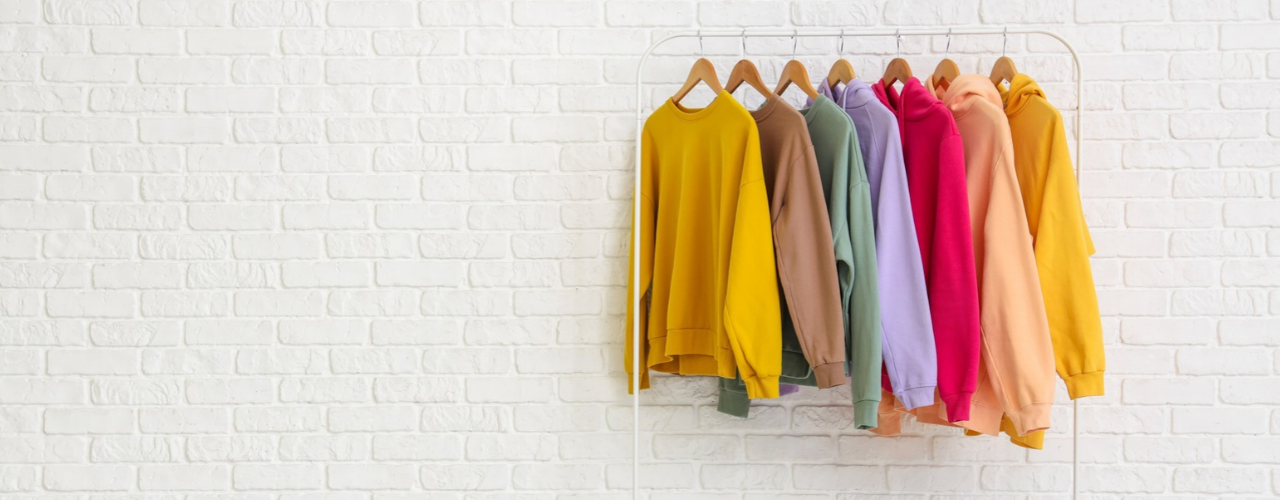
Sweatshirt Storage Ideas Worth Keeping Up Your Sleeve
Sweatshirts are great until you realize how much room they take up. A few thick hoodies can fill a drawer fast, with lighter crewnecks getting squashed underneath or pushed somewhere you forget about. Good sweatshirt storage can make that pile much easier to manage without requiring a bigger closet.

Living Room Storage Ideas: 28 Ways to Reclaim Your Hosting Space
If a living room is where most of a household’s living happens, good storage should be the top priority for setting up or revamping the place. After all, think of how easier it would be to have people over when tidying up the place is just a matter of putting things in their right place (in a time when fewer and fewer people are entertaining friends at home(opens in new tab)). The trick is making room for all those wayward clothes, blankets, chargers and other small things that end up on (or, inexplicably, in) the sofa. Here are 28 living room storage ideas to get you started and make tidying up a quick affair.
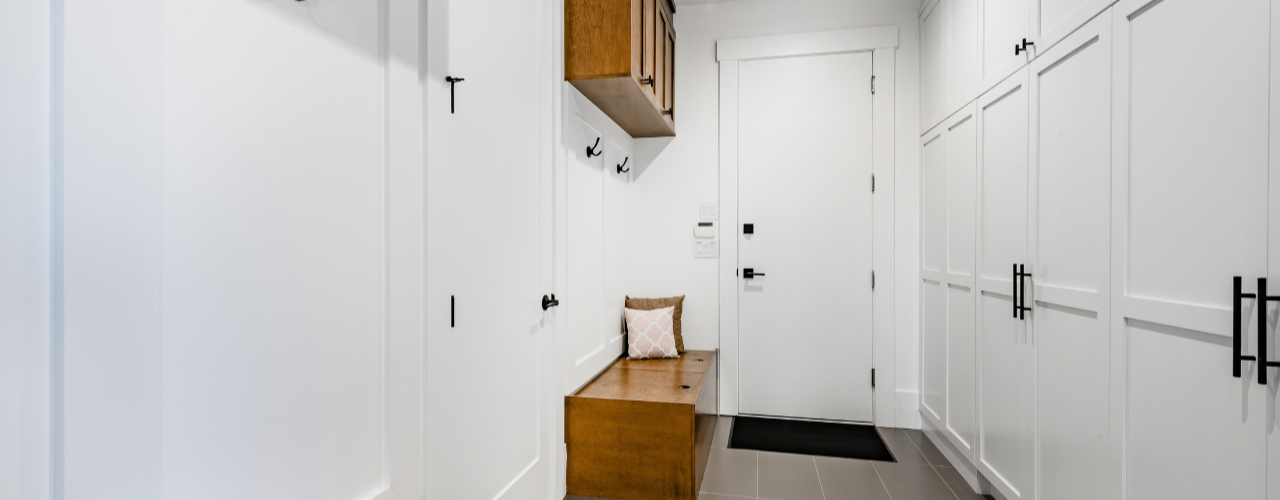
25 Mudroom Storage Ideas (And Mistakes to Avoid)
When you come home with muddy boots, an armful of bags and a coat you can’t wait to take off, it’s nice to have somewhere to put it all. With a mudroom, you can leave the outdoor mess at the door instead of carrying it through the house. Traditionally, you’d set aside a separate room, but you can just as easily use a hallway, an entryway closet, a laundry-room corner or a stretch of wall near the entrance.
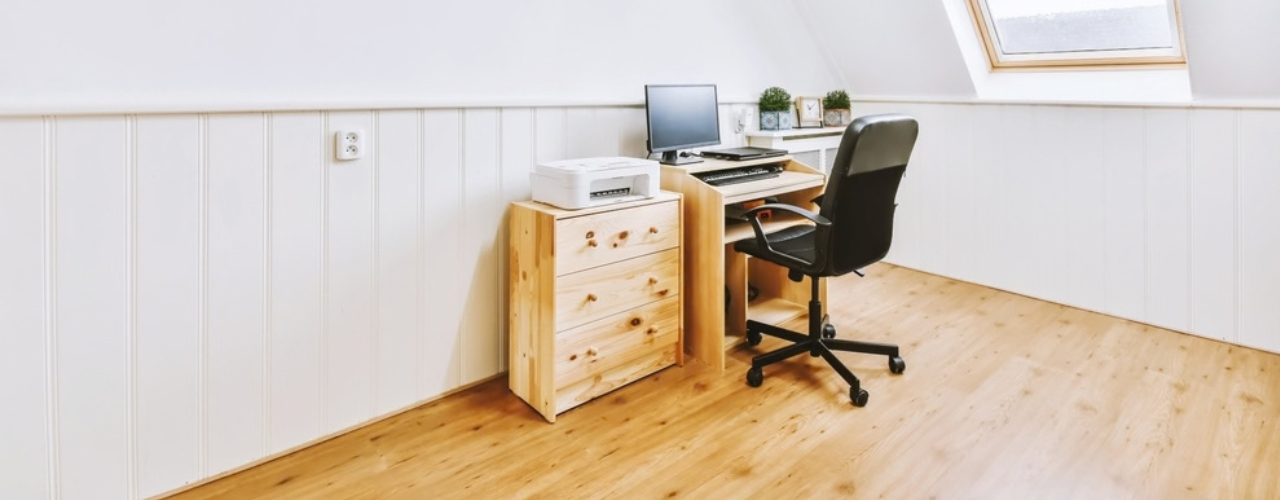
Is Your Home Office Worth the Rent? What Coworking and Self Storage Could Save You
Every square foot of your apartment comes with a price tag, and a home office claims more of them than most renters expect. It starts with a desk. Then come the second monitor, the printer, the filing cabinet and the overflow boxes. Before long, the corner you set aside for work has turned into a small room you are paying for every month.

Best U.S. Cities to Live Uncluttered: Plano, TX, Offers the Most Room to Breathe
Clutter is in our homes as much as in our heads. Both are shaped by where we live.

America’s Top Snowbird Destinations for 2026–2027: Florida Leads in Numbers, Texas Wins on Value
For Americans living in colder states, the approach of winter is reason enough to start looking south. Cold weather carries costs that go beyond the heating bill and shoveling snow. Seasonal affective disorder(opens in new tab) is far more prevalent in northern states, so a temporary move south isn’t simply an escape from the cold, but a chance to spend the hardest stretch of winter outdoors and in the sun.

How Much Does Halloween Really Cost in 2026? Plan Wisely to Avoid the Scare of Hidden Costs
Americans’ love for Halloween is almost frightening — this year alone, we are on our way to spending $13.5 billion, according to data from the National Retail Federation(opens in new tab). That breaks down to about $115 Halloween costs per person, a whopping 49% more than 10 years ago.
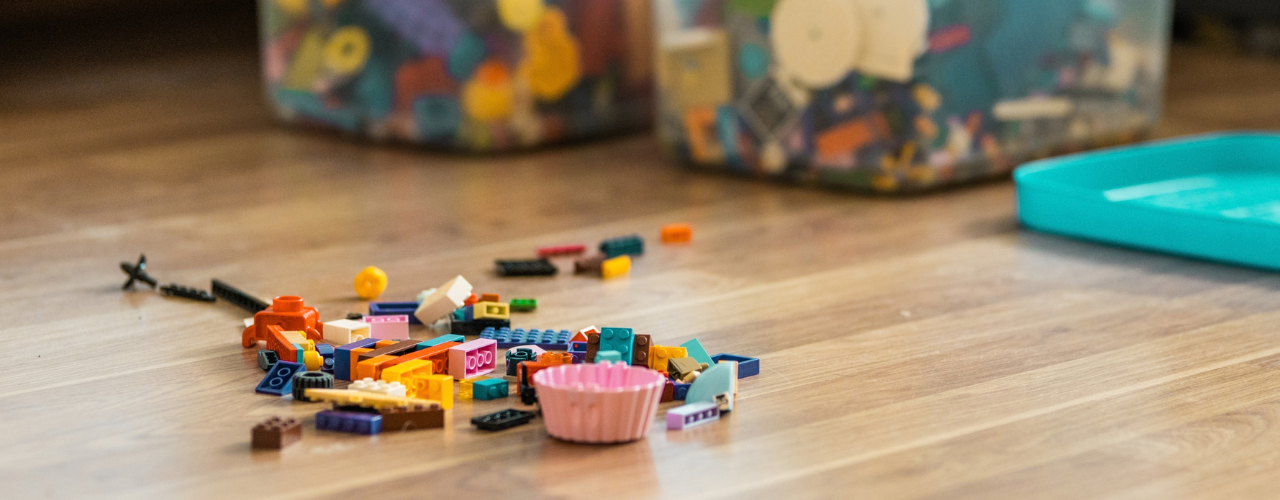
How to Store LEGOs: All the Fun, None of the Clutter
How to store LEGOs largely comes down to how your household uses them. If the bricks are part of everyday play, you need a setup that keeps them within easy reach and makes cleanup quick (for your feet’s sake, at least). Toy storage(opens in new tab) such as simple bins, playmats or containers that children can put away themselves may be enough. Larger or more serious collections usually need more organization, such as labelled drawers for loose pieces, trays for unfinished builds, shelves for completed models and separate storage for retired sets.

Cardboard Costume Guide: Tips and Ideas for a DIY Halloween
Whether for kids or adults, cardboard costume ideas often make the biggest splash once materialized, and that’s for a simple reason: doing a lot with a little is a universally impressive feat (especially in this economy). If you don’t have enough boxes you could temporarily repurpose, don’t worry! There are many places where you can find free moving boxes(opens in new tab), from stores and supermarkets to online groups and recycling drop-off spots. On the run? Try your luck at a self storage(opens in new tab) facility that sells moving supplies, often for cheap. This way, you can choose moving boxes of different shapes and sizes(opens in new tab), so you can make your costumes as complex as you want.