

Lego sets have been some of the most beloved toys for generations upon generations of children and their parents, and rightly so. Lego sets are durable, fun and endlessly entertaining – children can always come up with new ways to combine and build with them. They stimulate the imagination, motor and spatial skills, patience and creativity, and they’re suitable for children of all ages.
The Lego Group, the manufacturer of the famous toys, is a privately held company based in Billund, Denmark, and was founded in 1934 as a small carpenter’s workshop. The company has come a long way over the past eight decades, turning into one of the most iconic toy companies in the world.
Lego bricks and parts are almost indestructible, which makes them the types of toys you don’t throw away but keep instead for your younger children, for the kids of other family members and friends, or even for your grandchildren. Obviously, as with all toys, storing them is a huge issue.

You need storage solutions that are practical and make putting the Lego sets away a fast and easy job. If you ever crossed paths with a piece of Lego on the floor while barefoot, you definitely understand the importance of properly storing all the Lego bits and pieces!
If you’re a true Lego enthusiast and you own a large collection, you might not have enough space at home for all your stuff. Renting a self-storage unit close to your home will allow you to hold on to your collection without compromising on your living space. You’ll be passing on this hobby to your children, for sure, so it makes sense to keep your Lego sets safe – they’re quite expensive toys, and you don’t want to buy them again in a few years’ time. Here are some cool storage solutions for Lego, before they take over your entire home.
Practical Lego Storage Ideas for Your Home
Playmats that double as containers or other similar combos, like this tote bag and playmat set, are suitable for Lego blocks used by younger children. Playing on the floor is fun, and accessories that allow you to take out the toys and put them away in just a single move will make your life a lot easier.
Storing Lego becomes more complicated as the children grow and use more complex sets made of hundreds of small pieces. You will need an assortment of boxes to hold everything – do yourself a service and get transparent ones right from the start. See-through boxes are an excellent antidote against Lego-related messes. If children can see inside each box, it’s less likely they’ll dump all the contents on the floor while searching for the one piece they really need right that moment.

Themed Lego sets – like, for example, the famous Death Star from the Star Wars movies – should always be stored in one box. Once your children are done playing with one of those themed sets, encourage them to assemble and display them on shelves or on top of their wardrobe or drawer units. This way, you’re certain that none of the small pieces get lost.
In the case of standard building blocks that don’t belong to a specific set, separating them based on color, size and type is one of the most efficient storage methods. Plastic drawer units are inexpensive, compact and can hold a lot of Lego bricks. Narrow boxes that fit under the bed are perfect for small rooms, while storage tubs with dividers can be used if your children like to take their Lego from one room to another.
Building a Lego station that includes a table and storage is worth it if your children are really into this activity. You’ll have to find some space in your home to install the whole ensemble, either in one of the kids’ rooms or in the family room. On the upside, the Lego will be contained in just one area of the house – hopefully!
Playing with Lego Is for Children of All Ages
Most children love playing with Lego, and some of them carry the passion into adulthood. Collecting Lego is not by any means unusual, and it might pay off in the long term. Some Lego sets have not only kept their value but increased it significantly.
The largest Lego set ever made is the Taj Mahal, produced in 2008 and containing almost 6,000 pieces. When the sets were first put on the market, the retail price was around $300, but a complete one is currently estimated at around $3,000.
Another prized possession among Lego enthusiasts is the Ultimate Collector’s Millennium Falcon set, which was put on the market in 2007 and is the largest Star Wars-themed set ever made. At the time of its release, the set retailed for around $500. One in good condition is now valued at around $3,000.

All in all, holding on to your Lego collection from your childhood – and even indulging yourself and getting new sets from time to time – is not the worst idea ever. It’s hardly a retirement plan, but you might actually turn a profit over time.
How to Deal with Large Lego Collections
However, in order to enjoy your Lego for years to come or to sell it at some point, you need to store it properly. Fortunately, Lego is a pretty resilient toy. Nonetheless, you need to take some precautions when storing it long term.
Avoid dumping your Lego sets in the attic or in some boxes in your garage. Summer heat will discolor the bricks and might affect the shape of some pieces, rendering them unusable. Dust and grime are notoriously hard to clean off Lego pieces, so make sure that you keep building blocks in lidded boxes.
Keeping the themed sets in their original boxes makes sense if you’re planning to sell them later – the sets that still have their original packaging are much more valuable. The highest value is attributed, obviously, to “mint condition” sets, the ones that were never opened – but where’s the fun in that?
A small self-storage unit provides the ideal environment for keeping large and expensive collections in the long term. Climate-controlled units do a great job of protecting the Lego blocks from excessive heat, but you need to deposit your sets in durable, well-sealed boxes. Below, you can check out the costs and the availability of climate-controlled self storage in some major cities across the country:
[vc_column width=”1/3″][vc_column_text]
[/vc_column_text][/vc_column]
[vc_column width=”1/3″][vc_column_text]
[/vc_column_text][/vc_column]
[vc_column width=”1/3″][vc_column_text]
[/vc_column_text][/vc_column]
Since today is International LEGO Day, let us know in the comments about your passion for this amazing toy, your favorite sets or the most fun you had with it!



How to Use Silica Gel Packets for Storage
Moisture can cause significant damage to items in storage, leading to rust on tools, mold on clothing and warping in documents. Silica gel offers a simple yet powerful solution. Often found in small packets inside product packaging, silica gel is a desiccant that absorbs moisture from the air, keeping your stored items dry and protected. This guide explains what silica gel is, how it works and how you can use it to preserve your belongings in self storage.

Where to Find Moving Boxes in Los Angeles
Moving in Los Angeles is its own thing, and figuring out where to get moving boxes sorted is just the start of everything you’ll need to organize before moving day.

10 Best Places to Donate Books in Philadelphia
Did you know Philadelphia’s book-sharing roots go back to 1731? Benjamin Franklin and The Junto Club gathered their personal collections into a shared library, thus sparking a tradition of pooling knowledge for the common good. Today, you can carry on that spirit by donating books to local organizations and free libraries.

How to Sell Furniture (For Quick Deals and Side-Hustles)
Selling used furniture can be quick, profitable and even rewarding if you know where to list, how to present your pieces and what buyers are looking for. Just a tiny bit of patience and some good planning will take you a long way. This guide covers everything you need to sell your furniture efficiently and safely, for the best possible price.

1 in 4 Americans Rent Self Storage — and the Next Wave Is Already Coming
About one in four Americans is already using self storage and just as many are actively searching for a unit online right now. Across the 150 largest U.S. cities, self storage searches rose 23% year-over-year in 2025 — nearly triple the growth recorded the previous year, up from around 8% in 2024.
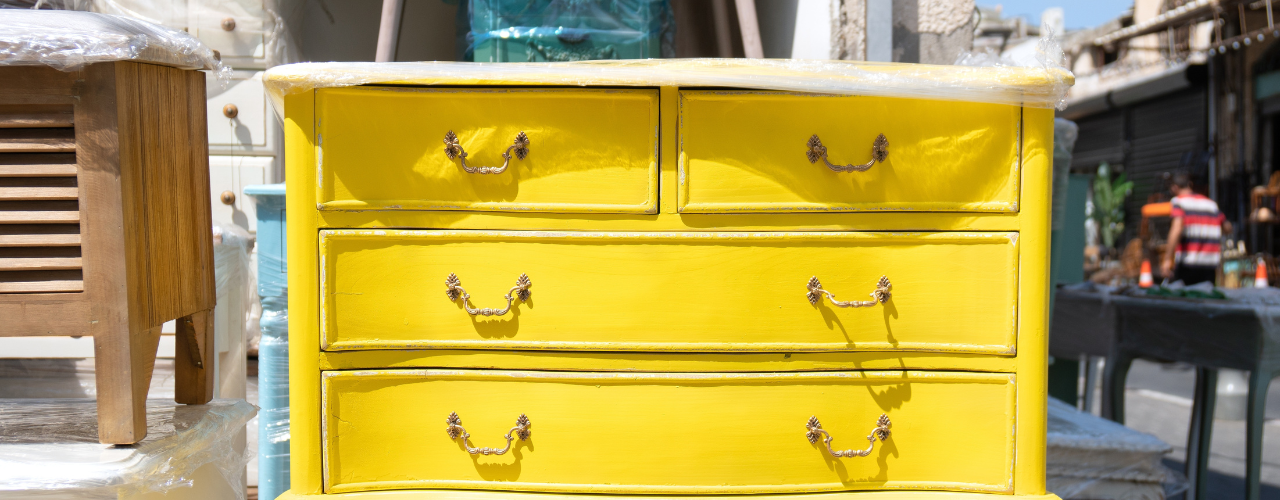
Where to Donate Furniture in Philadelphia
Philadelphia has a strong tradition of giving back, and donating furniture is a practical way to support local charities while freeing up space in your home. Whether you’re downsizing, moving, or just decluttering, there are plenty of organizations ready to take your gently used furniture. And if you’re not ready to part with certain pieces just yet, self-storage can buy you time to decide.

Jet Ski Storage: How to Winterize & Where to Keep Your Watercraft
If you want your jet ski to deliver the fun times for years on end, then proper storage is in order. Leaving it exposed to weather, UV rays, or theft can lead to costly damage, mold, or vandalism. Here’s everything you need to know to store your jet ski safely.
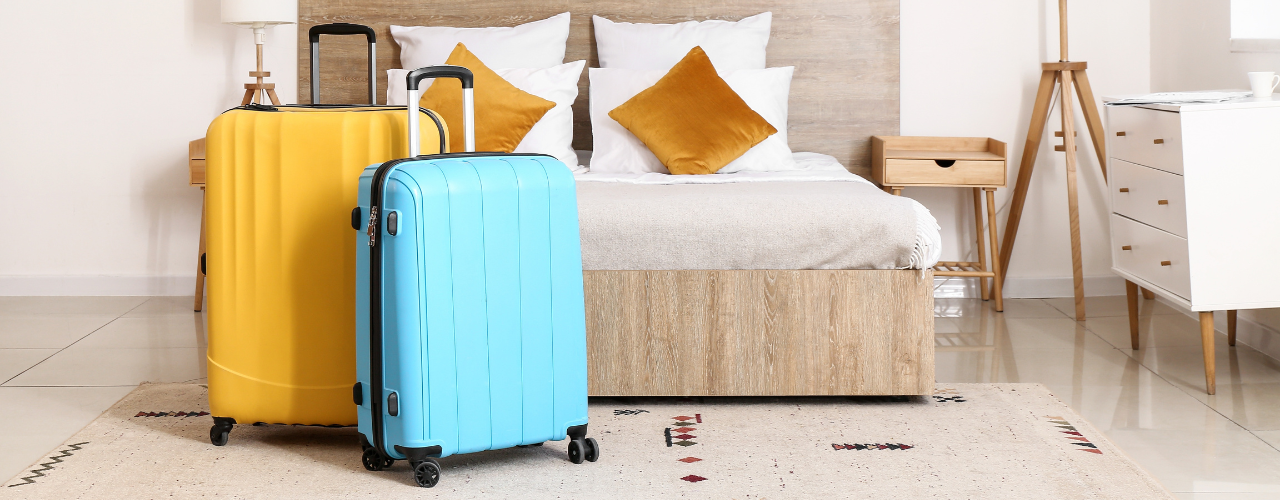
How to Organize a Guest Room: From Decluttering to Storage
A guest room often becomes a holding zone for spare furniture, seasonal bins and unfinished decisions. To reclaim it, start with three basics: a comfortable place to sleep, room for a guest to unpack and the everyday essentials that make the space easy to use.
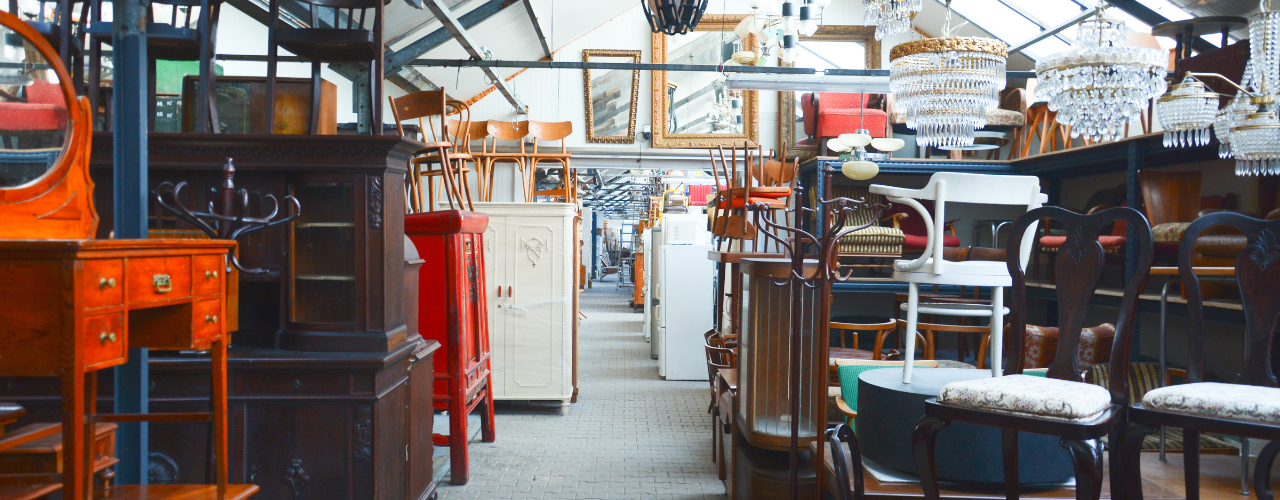
Where to Donate Furniture in Phoenix (And Some Back-Up Plans)
Whether you’re downsizing, moving, redecorating, or clearing out an estate, giving your gently used furniture a second life is one of the most rewarding ways to declutter. Phoenix has a deep bench of nonprofits that will happily take your couch, dresser, or dining set, and many of them offering free pickup right from your driveway. This guide covers where to donate furniture in Phoenix, what each organization accepts, how pickups work, and when a storage unit(opens in new tab) can help with the items you would still like to keep.