

A small home can be full of personality, and nowhere does cozy living come more naturally than in Portland, OR. That’s because Portland has the smallest single family homes in the nation, based on a recent study looking at home sizes. You get about 1,000 square feet of living space in a single family home in Portland, less than half of what you’d get in the typical American home. If you happen to live in one of these homes where space is not so generous, we’ve got you covered. Here are 11 ways to make a small place feel large in Portland with local resources and creative strategies.
1. Get double-duty furniture
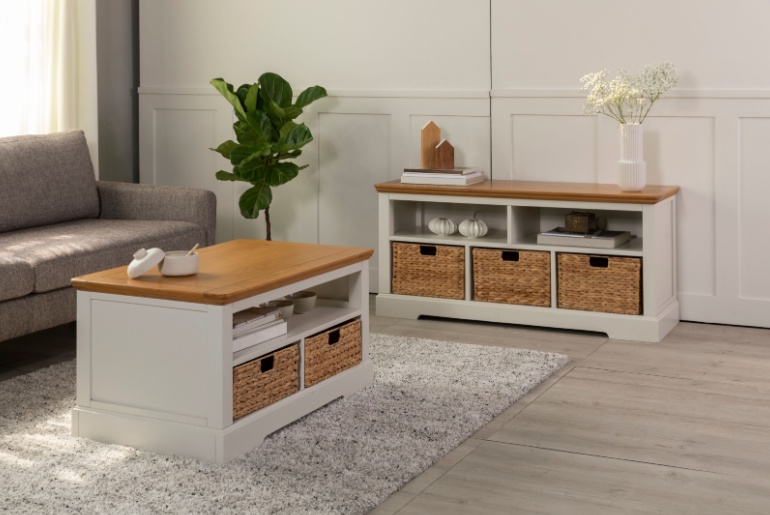
When you’re contending with smaller living quarters, your choice of furniture has a huge impact on your living space. Instead of picking generic pieces, go for furniture that can pull double duty, which can greatly help to expand your storage space. Consider a sofa bed for your living room or a coffee table with storage compartments. If you’re interested in such pieces, stores like Perch Furniture offer a range of stylish and practical furniture. But if you want to customize your home to perfection, we have three words for you: Portland Closet Company.
2. Use tall bookcases for your home library
Portlanders are avid readers, with over 40,000 books sold at a Powell’s warehouse sale in 2024. Portland is also home to many famous bookstores, including Broadway Books and Annie Bloom’s Books, a testament to the city’s love for the written word. If you find yourself living in a small home while trying to find room for your personal library, there are few things you can do to keep it organized without cluttering your home. For instance, you can use bookcases that reach the ceiling to maximize vertical space and consider investing in a ladder for easy access to higher shelves. For vintage and reclaimed wood options, stop by Milbourn Woodworks Inc., which provides unique and ecofriendly shelving units that add character and history to your home.
3. Opt for vertical space to organize your houseplants
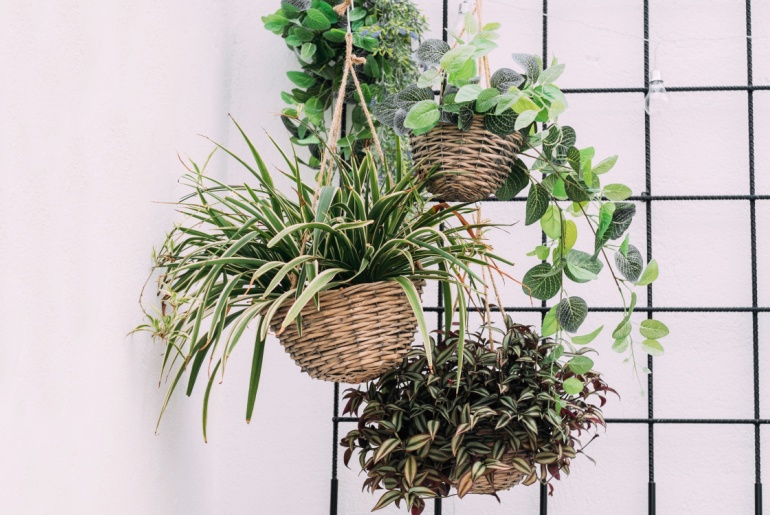
It’s no secret — greening up your home is easier when you make use of vertical space. We’re talking hanging planters, wall-mounted shelves or tiered plant stands. These options allow you to create a lush indoor garden without sacrificing floor space. And here’s a tip: Portland nurseries like Garden Fever! offer plant stands and up-pots galore, so you can easily move your bloomers into larger containers when the time is right. If you’re wondering what houseplant to get, know that Boston ferns and spider plants are low-maintenance options that add a verdant twist to your living space.
4. Let your bike be part of the decor
We know the saying, “A bike is freedom on two wheels.” Still, freedom of movement is just as important when it comes to your home’s interior. Worry not — if you need to find room for your bike inside your Portland home, you can wall mount your bike. Install bike racks and ceiling racks to keep your ride off the floor and out of the way. Wall-mounted bike racks or ceiling hoists are excellent solutions. These storage options free up valuable space and can easily be part of your home’s overall signature look.
5. Place your hiking gear in under-bed storage
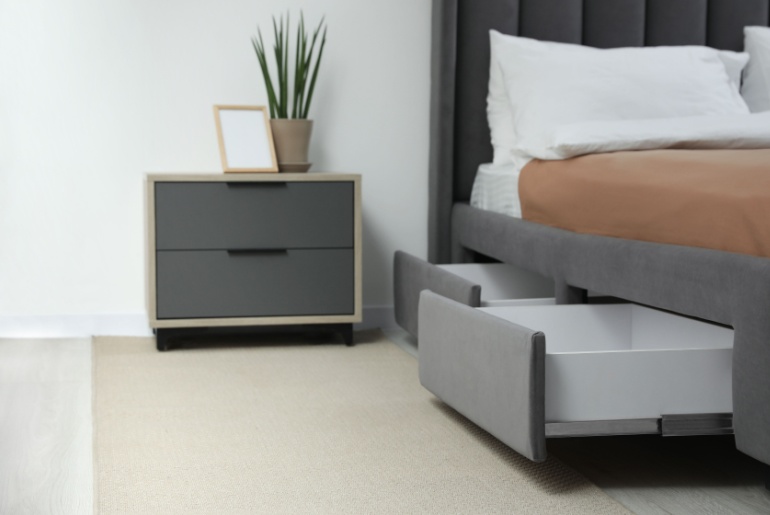
Hikers from all over the world flock to Portland’s trails, and if you can, you owe it to yourself to see these beautiful landscapes. Yet storing hiking equipment can be challenging in a small, single family home. For instance, you can use under-bed storage containers or vacuum-sealed bags to keep seasonal gear out of sight when not in use. However, make sure to clean your gear and let it air dry beforehand. You need to make sure every inch of your hiking gear is dry to avoid damage due to mold or mildew formation.
6. Move your physical media off the floor
From Music Millennium to Movie Madness, the Rose City is a paradise for physical media fanatics. If you’re trying to organize your collection or thinking of starting one, you can use vertical shelving units to store your media and keep all that precious floor space free to use. Floating shelves can also be a stylish and space-saving option and used to display your vinyl records. Plus, it’s just easier to start a conversation with your favorite albums as part of the décor — the Rose City is a paradise for physical media fanatics.
7. Make your space feel bigger by using art
Here’s a little secret when it comes to interior design — one strategically placed art piece can make your home feel big and airy. You just need a large picture — the larger the better — or repeating visuals to create a focal point that draws the eye upward and around the room. This is where the fun part comes in: The city’s vibrant art scene provides plenty of opportunities to find unique pieces that add character to your home. For instance, local art fairs such as the Portland Saturday Market offer many affordable and original artworks from local artists.
8. Put your musical equipment on display
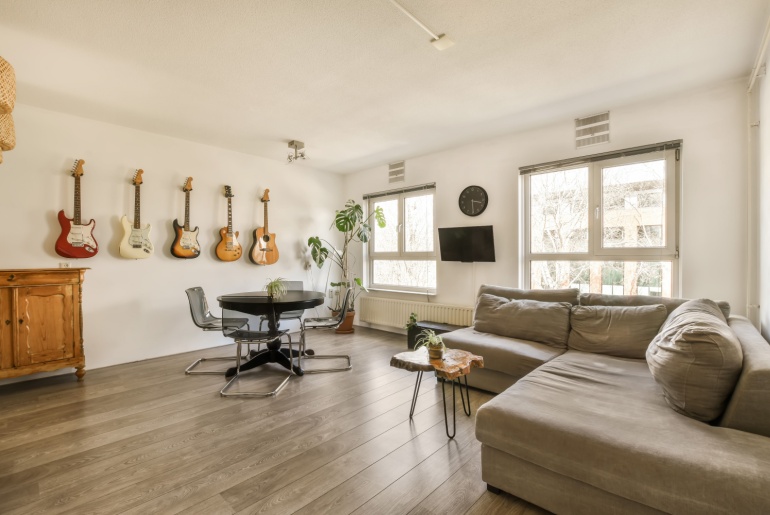
Portland’s music scene is one of the most vibrant in the world. And whether you’re a local musician or play an instrument as a hobby, finding room for your musical instruments and gear without cluttering your living space can be a challenge. Luckily, these challenges can quickly become opportunities to spruce up your place. Consider wall-mounted instrument hangers for guitars and other stringed instruments. For smaller items like pedals, cables and accessories, modular storage units can keep everything in place, and you can find these at The Container Store.
9. Seek local organizing services
We get it — making the most of a small place can be overwhelming. But remember you’re in Portland, so you’re likely to find a helping hand. Put simply, Rose City is home to plenty of professional organizers who can help you arrange your belongings your way. Companies like Embrace Your Space Organizing & Design offer services ranging from decluttering and downsizing to space planning and organizing.
10. Draw inspiration from Portland’s interior designers
With so many local interior designers sharing their creations on social media, there’s never been a better time to make your space feel larger by drawing inspiration from the best. This way, you can avoid creating visual clutter inside your home. Still, don’t be afraid to incorporate Portland’s aesthetic signatures, from sustainable materials to vintage finds. And for those interested in DIY, Hammer & Hand’s design/build workshops offer hands-on experiences and insights that help you craft a space that feels and functions just as you want it to.
11. Maximize your home space with self storage
Last but not least, there is something else you can do to tackle a small home, and that’s turning to self storage. The service helps you keep items away from home, while your living space stays organized and uncluttered. You can store furniture, clothing, appliances and more inside a storage unit. Also, the service is quite inexpensive.
If you need an affordable long term storage unit in Portland so that you can make more space at home, a good starting point is to compare prices. Currently, the average cost of a 10×10 storage unit in Portland is $132/month. For smaller needs, a climate-controlled 5×5 unit in Portland goes for about $61/month — ideal for physical media collections, hiking gear and more. Using these storage solutions goes a long way in keeping your home breezy, and Portland’s diverse storage options are sure to help you maximize your living space efficiently.
With these 11 useful tips on how to maximize your Portland home, you can easily make your living space work harder for you while visually decluttering each room. Soon, you’ll find that your modestly sized home can take on a larger-than-life ambience that’s perfectly attuned to your personality. Let us know your favorite space-organizing tip for your Portland home in the comments section below!



Where to Donate Clothes in NYC: From Pickup to Mutual Aid
Every year, 200,000 tons of clothing end up in NYC landfills — but yours doesn’t have to. Your unwanted clothes have a real second life waiting. Whether it’s a low-income family needing affordable basics, a woman reentering the workforce looking for interview wear, or an undocumented resident accessing free community support, the donation method you choose matters. Plus, there are plenty of convenient ways to go about it. Local mutual aid groups, free pickup services, mail-in programs, workforce nonprofits, and textile recycling — each one routes your clothes to neighbors and causes that need them most. Here’s where to donate clothes in NYC, according to your plans.

The Best U.S. Metros To Own A Boat
Boating is one of America’s favorite pastimes. According to the National Marine Manufacturers Association, nearly 100 million Americans go boating each year, and recreational boating contributes over $230 billion annually to the U.S. economy. It’s a lifestyle deeply shaped by geography, climate, and local culture.
Moving in a Hurry: Emergency Tips for Life’s Unexpected Relocations
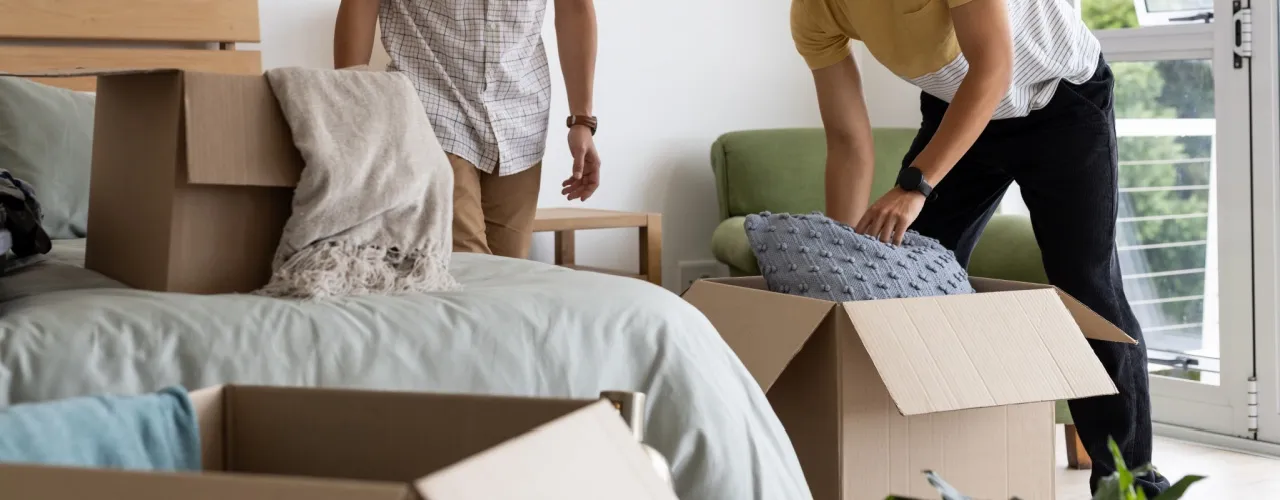
Sometimes a move sneaks up on you and you wind up having to move in a hurry. A job starts sooner than expected, a lease ends abruptly, a sale closes fast, or life simply throws a curveball and suddenly you’re staring at a full house with only days or weeks to empty it. That short timeline can feel overwhelming, but it doesn’t have to mean chaos. With a focused plan and a few smart shortcuts, you can pack up quickly, protect your belongings, and land in your new home without losing your mind.
How to Store Tools: Keep Your Equipment Rust-Free and Tidy
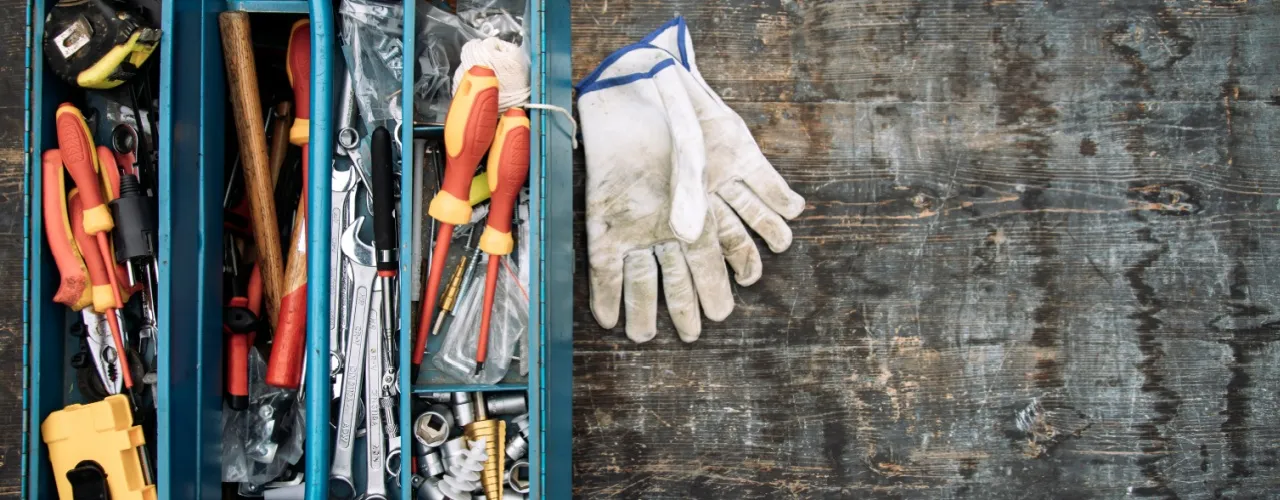
Good tool storage saves you time, money and the very specific rage of finding a rusted drill you paid good money for. Cleaning, drying and organizing your tools properly keeps them rust-free and findable — and it takes less effort than most people assume. True, nobody wakes up thrilled to organize their tools; it ranks somewhere between cleaning the gutters and reading the terms of service. But here’s how to do it right without the hassle.
Drive-Up Storage Units: Pros, Cons and When They’re Worth It
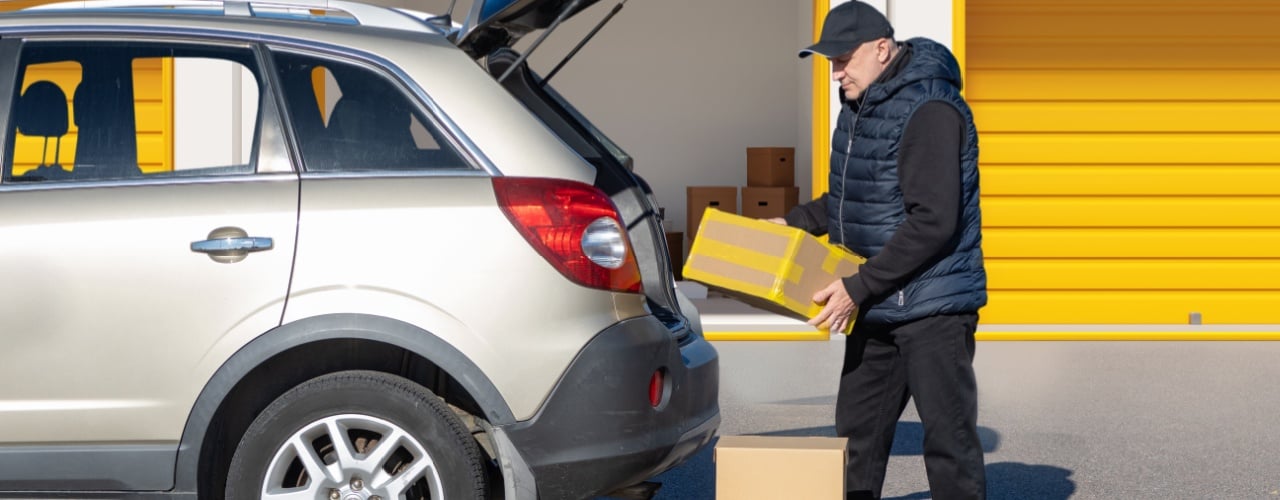
A drive-up storage unit is a ground-level space with an exterior roll-up door, a lot like a detached garage. Units are usually arranged in rows with wide, paved aisles between them, so you can pull a car, van, or moving truck directly up to your door during access hours. The key feature is the access, and it comes in a few forms:
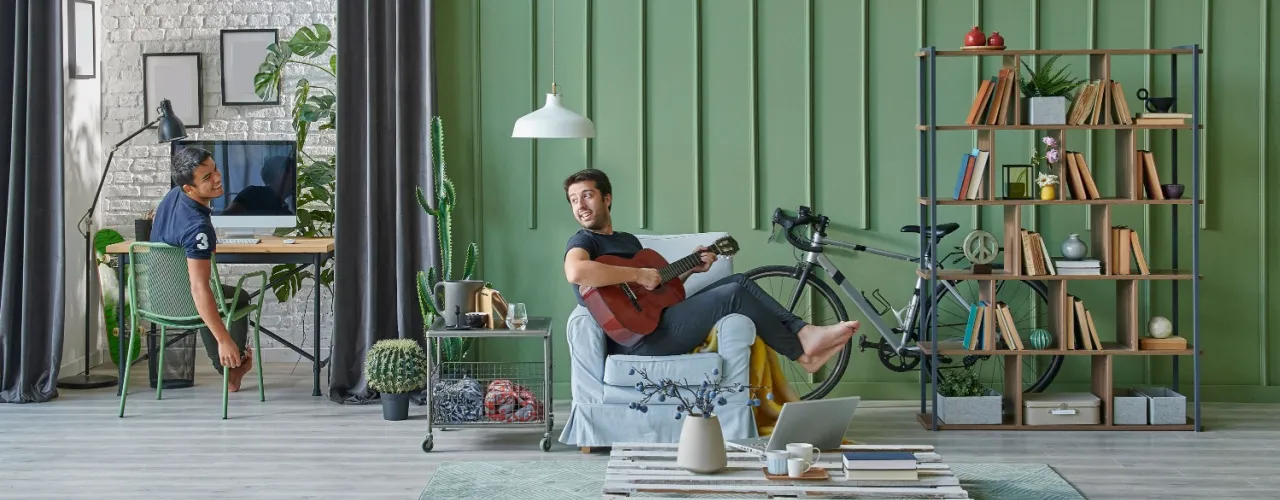
2026’s Best Cities for Roommates: Irvine, CA And Atlanta, GA, Lead In Shared Living Gains
Americans sharing a two-bedroom apartment instead of renting a one-bedroom alone can save, on average, about $6,700 per year. In some of the country’s most expensive cities, including Irvine, California, or Jersey City, New Jersey, the savings gap widens to around $13,000. For a growing share of renters, living with roommates is less of a lifestyle arrangement and more a conscious financial strategy.
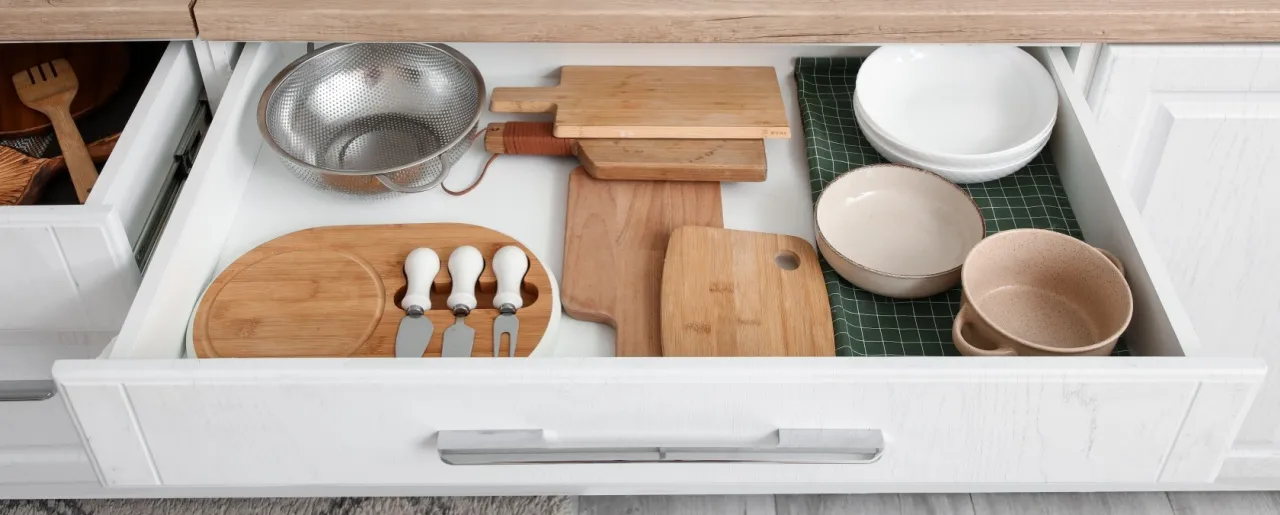
How to Organize Your Kitchen Drawers: Smart, Practical Ideas That Make a Real Difference
The best way to organize your kitchen drawers boils down to a few core principles: give each drawer a specific role, store items close to where you use them, and choose organizers only after you’ve decluttered. Most kitchen drawers aren’t cluttered because of a genuine lack of space but because no one decided what belongs where. Fix that first, and the rest becomes much easier.
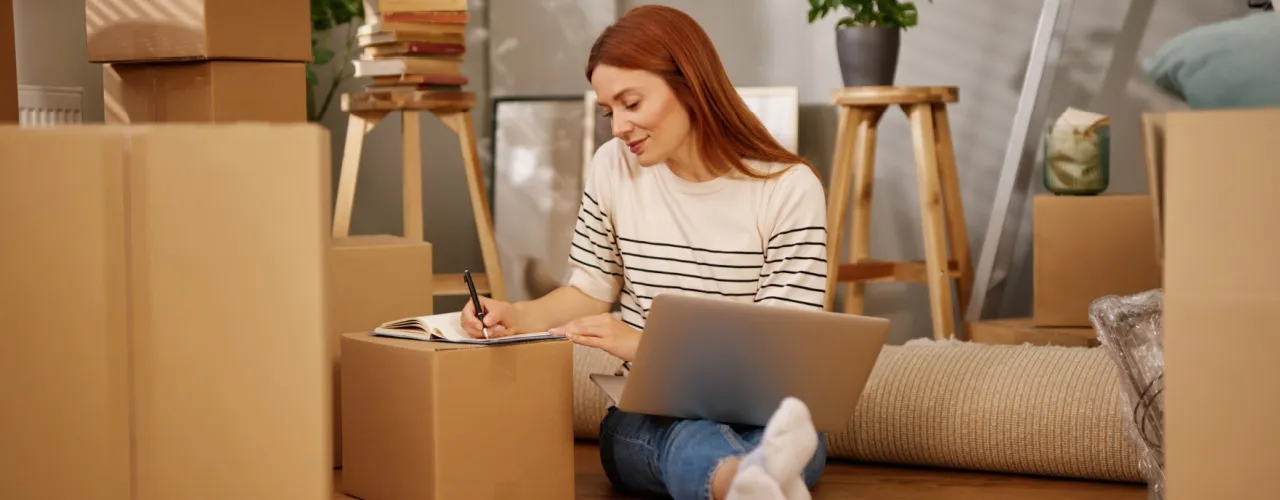
The Ultimate New Home Checklist: 20 Essential Boxes to Tick
Moving into a new home is thrilling and stressful in equal measure. While you’re busy planning the big-ticket items like furniture and appliances, it’s easy to forget a handful of smaller essentials that you’ll suddenly need right before or just after the move. That’s exactly why a good new home checklist is worth keeping close. To make your move as smooth as possible, we’ve pulled together the ultimate list of basic items and setup tasks that cover everything your new place needs. First-time buyer or seasoned mover, this guide will help you settle in safely and comfortably, without those maddening last-minute runs to the store.

How to Store Trading Cards (So Your Grails Keep Shining)
The right way to store trading cards is a layered system, like gearing up for a boss, but the boss is time and physics. For this quest, you’ll need penny sleeves to protect surfaces, rigid holders to protect structure, archival boxes or binders to provide organization and access, and climate control — around 65–72°F and 40–50% humidity — to protect everything else. That combination keeps cards mint whether you have fifty or five thousand of them.