

So, you’re looking for a new rental and ready to start a fresh chapter of your life in a new home. There are plenty of things to keep track of, from giving your landlord notice to searching for a new apartment to packing your stuff. But there is one more crucial detail to keep in mind, and that is the moving costs your relocation will entail. You know that you will need to have some extra money, but do you know exactly how much it should be?
Obviously, you’d have to pay rent when you move into a new home, but several costs might slip your mind in all the hustle and bustle. To make this period of your life easier, we wrote down a list of all the expenses to remember during relocation.
1. Application costs
It might seem that application costs are negligible; after all, they cannot exceed a hundred dollars or so, right? That’s why many people shrug them off till it’s time to apply for the apartment. While this is true, these minor costs that remain unaccountable can add up to a much bigger sum in the end. That’s why you should take into consideration even smaller expenses such as application costs.
The maximum amount of the application fee depends on the state or even the city where you live — some places have a strict limit, while others don’t, so it depends on the market. This usually includes a background check and credit report.
To approach the task wisely, you should account for the maximum amount in your state and make sure to clarify with the landlord if they are going to charge you an application fee and how much it will be. Note that the application fee is usually non-refundable, but the landlord should provide you with the list of all expenses and reimburse some money if they do not use part of it.
2. Renter’s insurance
It might be stated in the lease agreement that a tenant must purchase renter’s insurance in some situations. If this is the case, you don’t have much of a choice about whether to buy insurance or not (apart from trying to negotiate a better deal or settling on another apartment). But, if there is no mention of this, you might wonder if the insurance is worth it when moving into a new place.
The truth is, buying renter’s insurance is definitely worth it in the long run. Plenty of things can happen in your life, and you don’t have any influence on some of them. Just think of theft or being flooded by your neighbors upstairs. That’s why we recommend paying a few dollars per month (lower double-digits) instead of panicking and pulling out most of your savings trying to pay off all the damage later.
3. Security deposit
The security deposit could be one of the top expenses to keep in mind when you decide to move. Hopefully, you would never have to be reminded about it! Add the amount of security deposit when calculating if you can afford to move to a new place right now. And don’t make the mistake of relying on your security deposit from an old apartment you’re supposed to get back.
First of all, you might overlook some little scuffs beyond the normal wear and tear that your landlord decides to subtract from it. Secondly, even if you think you leave an apartment in perfect condition, somebody else (your landlord or property manager) might act unpredictably. If some misunderstanding occurs, it is better to take your time and solve it while paying a new security deposit with other money than to rush and try to find an extra thousand dollars at the last minute — and this amount is a very optimistic scenario!
4. First / last month of rent
This one is tricky — some landlords might call and consider a security deposit equivalent to the last month’s rent, while others define them as two separate elements. Also, it depends on the state you live in (as you have probably guessed already). For example, Massachusetts laws allow landlords to collect the security deposit equal to one month’s rent, plus the first and the last month of rent. That adds up to the amount of three months of rent to the tenant who is planning to move into a new place. That is a large sum you should keep in mind way ahead of signing a new lease agreement.
Before you evaluate how much you should have saved in total for a security deposit and the first/last month of rent, we advise going through three steps. Research your state laws regarding the amount of the security deposit and the difference between the security deposit and the last month’s rent, the average amount charged on your rental market, and talk it over with your future landlord.
5. Cost of moving
This expense is one that can be easily forgotten by renters, similarly to the application costs. Being consumed by the fuss of ending your tenancy in one place, packing, and searching for a new home, you can disregard that the actual process of moving also results in extra costs.
If you don’t have to move to a new city, you’re in luck! Before rushing into hiring a moving company, think of friends, family, and coworkers whom you could ask for a helping hand and a car for one evening. Even if it’s just an acquaintance, this can be an excellent opportunity to get to know that person better and maybe share some pizza after moving all your boxes to the new digs.
If you’re relocating to a new city, state, or even country, things might get a bit trickier. In this case, don’t jump into hiring the first company you find. Instead, dedicate an hour of your life to some research, comparing prices, and checking reviews on Google and Yelp. That way, you might save some money and make sure that your precious belongings will be in good hands during the process of transportation.
Another cost to be considered is vehicle moving, particularly when it comes to long-distance relocations. Some people don’t want to deal with the hassle of driving across the country. Also, many families own multiple vehicles, so it’s just not practical to drive them all to their new home. One solution to such problems is contacting a vehicle transportation company, like J&S Transportation. Factor in all the costs of driving (gas, lodging along the way, food, wear and tear of the vehicle, and time lost), compare it to the cost of having it transported, and decide the best course of action for your needs.
6. Pet deposit / pet rent
Having a cat or a dog comes with extra responsibility and extra expenses, even when we talk about switching rentals. You have to think about the deposit and rent for you, but the same can also apply to your furry companion. In most states, the pet rent and pet deposit amounts are not set at a legislative level. This means that your future landlord may ask you to pay extra both as a one-time security deposit and a monthly fee for having a pet in your apartment. Take this into consideration when choosing a new place, because the one that seems to be cheaper at first might end up pricier in the long run if it has added costs of monthly pet rent.
7. Appliances
So, you’ve found a new place and everything seems to work out perfectly — the security deposit and rent are exactly how much you expected them to be. Your best friend will help you to move. Is there anything else?
Take a good look at all the appliances installed in the rental and the building, and make sure to double-check the situation with the landlord or property manager. There are some bigger things that cannot be overlooked, such as a fridge, dishwasher, and washing machine with a dryer. And, of course, there are smaller household items — think of kettles, microwave ovens and irons.
You might not even realize how many things you use in the current apartment will not travel with you to a new place. If your previous landlord had a microwave in the apartment, and the kettle was bought by your roommate even before you moved in, these are two things you might need to buy.

Our advice? Go through each necessary item when you visit your potential future home and make an estimate of what you’ll need to buy in the next few months. And check out thrift shops, flea markets, and eBay before running to Ikea if your goal is to save some money!
8. Optional: Storage costs
If your new place is smaller or you are relocating in stages, it is worth factoring in the cost of self storage as part of your moving budget. Using a storage unit for a few months can be cheaper than paying for a larger apartment just to keep rarely used items, seasonal gear, or furniture you are not ready to part with. Before you sign a lease, take stock of what you actually need in your day‑to‑day life and what could comfortably live off‑site.
Then, compare prices on the best self storage websites to find affordable units near your new home and avoid overpaying. That would be the best way to find cheap storage. Treat storage as a short‑ to medium‑term buffer while you settle in and decide what to keep, sell, or donate as your decluttering strategy, so you are not rushed into getting rid of things you might genuinely need later.
We hope this list will make it easier for you to plan the financial part of your move. Thorough research and thinking ahead can do wonders! This might save you some money in the long run and, of course, will ease your anxiety during this difficult time of moving into a new place.



Moving From a House to an Apartment: What to Expect, How to Downsize & How Self Storage Helps
For some, moving from a house to an apartment is a financial decision. For others, it’s about simplifying life. Maybe the kids have moved out and half the house sits empty, or you’re approaching retirement and no longer want to spend weekends on repairs. Or perhaps you’ve been weighing the cost of buying a home and wondering whether renting simply makes more sense right now.

Family Heirlooms Overload: How to Handle Family Inheritance Without Regret
Handling family heirlooms after a loss requires managing legal authority, emotional pressure and practical logistics at the same time, and the order you take them on matters more than most people expect.
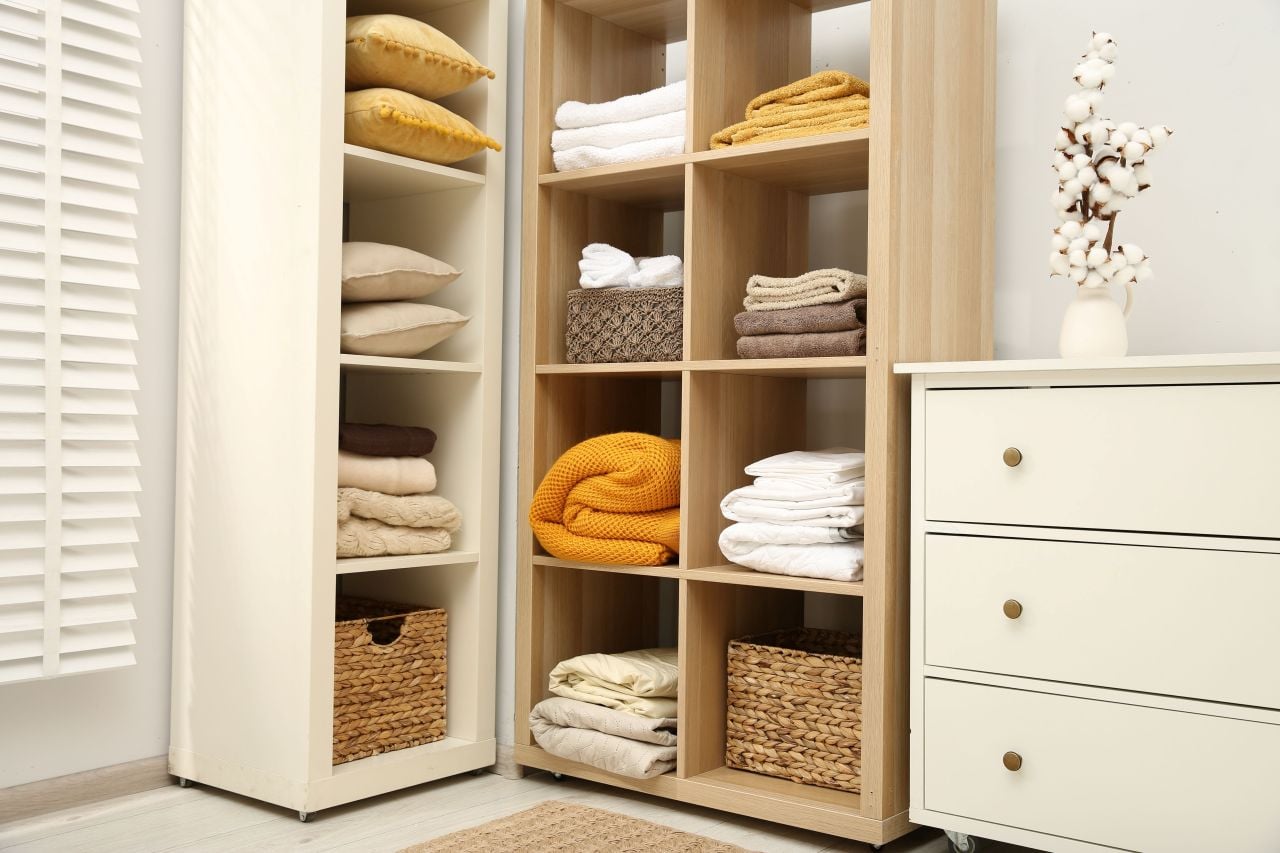
Blanket Storage: The Right Method for Every Space and Season
Blankets make our lives cozier, and storing them well is what keeps them soft and comfortable in the long run. Knowing how to store a blanket properly means your favorites come out of storage smelling fresh, feeling the same as when they went in, and lasting years longer than they otherwise would.

Board Game Storage Ideas That Keep Your Collection in Fighting Shape
Nobody warns you that getting into board games usually unlocks a second hobby, the much dreaded one that includes figuring out where on earth to put them. One game becomes a few, expansions start spawning beside their base boxes and before long, board game storage requires as much strategy as whatever is waiting on the other side of those lids.

Storage Locker vs. Storage Unit: What’s the Difference?
A locker and a unit may sound like two names for the same four walls and a lock, and depending on the storage facility, you may even see the terms used that way. However, once you start comparing available spaces, storage lockers tend to occupy the smaller end of the spectrum, while storage units(opens in new tab) give you considerably more room to work with.

Storage Ideas for Small Spaces: 9 Ways to Max Out Your Home
A messy home contains the seeds of its organization. Those seeds are everywhere: the space above doors, under beds, behind sofas and inside furniture can all become storage. Here are the best storage ideas for small spaces, so you can make the most of your cozy home.

Best U.S. Cities to Live Uncluttered: Plano, TX, Offers the Most Room to Breathe
Clutter is in our homes as much as in our heads. Both are shaped by where we live.
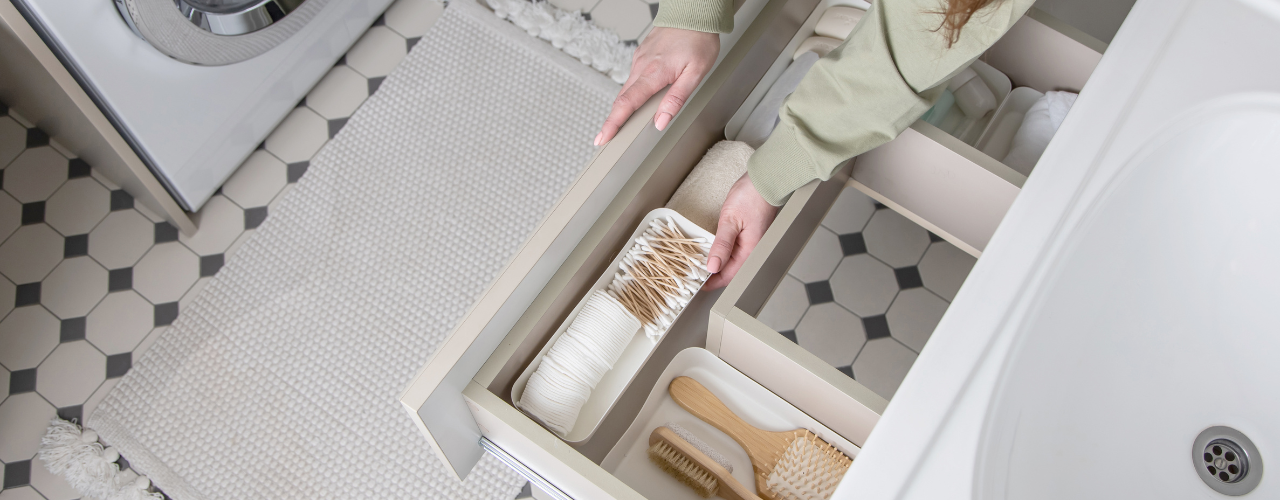
How to Organize Your Bathroom: 8 Ways to Stay Tidy
You already know why an organized bathroom is worth the effort, but let us remind you: it makes rushed mornings easier, keeps counters cleaner and just helps get you in the mood to go through your skincare routine like you should. Plus, in bigger households, it helps everyone find what they need. And you know how much a tidy bathroom counts for your self-esteem when a guest or a partner shows up. Luckily, you don’t need a degree to know how to organize your bathroom. The secret is keeping less, giving every item a home and making that home simple to use. Let’s go through some practical steps can help you create a bathroom that stays functional and nice to look at.

How to Use Silica Gel Packets for Storage
Moisture can cause significant damage to items in storage, leading to rust on tools, mold on clothing and warping in documents. Silica gel uses science to fix that. Often found in small packets inside product packaging, silica gel is a desiccant that absorbs moisture from the air, keeping your stored items dry and protected. This guide explains what silica gel is, how it works and how you can use it to preserve your belongings in self storage.