

Someone once said, “There are two gifts we can hope to give our children: One is roots, the other is wings.” If there are any events that put these gifts to the test, relocation is certainly one of them. And let’s face it — moving homes is something your kids will probably experience at least once or twice during their lifetime. Each relocation brings up previous relocations in our past, which are likely to shape how we see the process in the present. Put simply, moving with kids is a pretty big deal.
Still, as meaningful and impactful as this event will be in your children’s development, it can also be an opportunity to grow, learn and become more flexible in the world. To help you make this transition easier, we’ve put together several tips for moving with kids of all ages — including a fun infographic!
 How to move with kids: Preparing for the change
It’s never too late to make relocation a fun adventure for you and your little ones. But starting early can save you quite a few headaches, from finding the right school district to emotionally preparing your child for the move.
Research neighborhoods, schools and doctors
Now more than ever, there are tons of resources on how to find the best cities and neighborhoods for families with children. Here’s what to consider when looking for a relocation destination that’s child-friendly:
- Put the quality of schools first, along with proximity to community centers, museums or sports clubs for older children and teenagers.
- If you’re moving with a baby, research pediatricians and set up an appointment with your chosen doctor in the days following your arrival.
- Check whether the relocation destination has playgrounds, parks and any other areas for outdoor play where your little ones can burn off energy and socialize.
If you find a neighborhood that checks all these boxes, that’s excellent. If not, you’re better off finding a middle ground that’s both affordable and within a good school district. Whatever the case, make sure to check the commute time during rush hour — long commutes are often a source of stress, even for older teens. Also, try to schedule your move for the summer so as not to disrupt the school year.
Pro tip: When moving with a school-aged child, transfer their documents to the new school two months in advance of the move to begin the enrollment. Should your child have any special needs, inform the school of this as well.
Stay organized, but give yourself time
Moving can be stressful for adults and children, too. However, there are some things you can do to make sure your move goes smoothly:
- Draw up a timeline that breaks down tasks into manageable steps, with extra time to account for the unpredictable. Think of it as a school paper with all the workflows laid out. You can also share this timeline with your kids. If they see you making a plan and sticking to it, they will learn to be consistent and responsible in equal measure. And again, the more organized and the calmer you are, the easier it will be for your children to stay calm as well.
- This is also the right time to start thinking about your travel plans, especially if you’re moving long-distance. Try to avoid layover flights, decide which hotels you’ll be staying at, and if you have a baby, call them to see if they can set up a crib in your room.
Pro tip: For parents with babies, avoid starting the packing process too early. Try to schedule your move so that you can pack everything in one day while your baby is with a nanny, a friend or a relative. Also, make sure you pack the baby’s room last to avoid stressing them out!
- Don’t take on too many tasks. It might be tempting to try moving with little to no outside help, but most of the time, it’s not worth it. So, think of how you can make things easier. Need help with the kids? Arrange for childcare on moving day. Worried about moving all the furniture safely? Turn to a professional moving company. Not sure if your new home is ready for all your stuff? Put some of it into storage. To make moving day easier on your family, you can send your belongings ahead of time and have them placed in a storage unit. This way you and your little ones can unpack at your own pace without feeling overwhelmed. Self storage is a great solution for keeping your things safe and out of your way, even after you’ve moved. You can turn to the service to keep your new home clutter-free and if you ever need to renovate your home. A storage unit is perfect to keep displaced items from the area you’re remodeling. Depending on how many objects you have, you could use a 10’x10’ storage unit, perfect for storing extra/outdoor furniture, seasonal clothing, holiday decorations and more. If you’re not sure which storage unit size you need, you can consult this storage unit size guide. To further help you decide how many items you can fit inside a storage unit, this storage unit calculator can be of help. As for the more delicate items, those should go into a climate-controlled storage unit. This type of unit protects your belongings from temperature- and humidity-related damage.
How to help kids cope with moving: Know when and how to break the news

Find the right moment to share the news with your children and have a heart-to-heart talk about what the move will mean. Conventional wisdom would say that the sooner you tell them, the better, but you’re the one who knows them best. Show them photos of the new place, visit it together if you can and just let them know what to expect. Of course, it all depends on where Luckily, there are plenty of ways to prepare for all age scenarios:
- For toddlers and preschoolers, go with a simple explanation. You don’t need to go into too much detail, but you should make them understand exactly why, where and when you’re moving. For instance, “We’re moving to a place near a park, so you can spend more time outdoors!”
- For school-aged kids and teenagers, you should come prepared with a detailed explanation. Invite them to ask any questions and take time to address their concerns. They might ask about their new school, express grief over leaving their friends behind or question the reasons behind the move. In each of these cases, the safest way to make your kids feel included is to be upfront and understanding. In doing this, you’re essentially creating a safe space for them to express their feelings.
Pro tip: Make a list of moving-related movies and watch them together. This way, they will see emotions represented, which will help you discuss them more easily. Here are five fun, classic movies about relocation that you can watch before and after the big move.
1. “Inside Out”
2. “My Neighbor Totoro”
3. “Karate Kid”
4. “Spirited Away”
5. “Kiki’s Delivery Service”
Be there for them emotionally
There’s more to moving with kids than just research, tasks and timelines. This is a time when you can work on your child’s emotional well-being. We all know how difficult it is to work through feelings as a kid, and you can support your child’s emotions as you’re going through the relocation process together and tailor your approach based on their age.
- For babies, watch their sleeping and eating habits closely to see if anything seems different. Changes in their routine, which can be accompanied by crying spells and tantrums, are telltale signs of stress. To avoid or mitigate this situation, just keep things fun, be it with songs, little games or a cheerful attitude in general.
- For toddlers and preschoolers, keep an eye out for signs of regression. Things like thumb-sucking, increased clinginess or changes in sleep patterns are often signs that your little one is feeling stressed. Reassure them through extra hugs, attention and keeping up a routine they’re used to. Little children need reassurance, and your positive mood will help them see the move as a joyful adventure. If you treat your new house, neighborhood or city as a fun place full of new experiences, sooner or later, they’ll follow your lead.
Pro tip: One of the best habits that parents can pick up is reading to their children, especially in times of potential stress. Here are five great picture books you can read to your kids before (and during) the big move:
1. “The Berenstain Bears’ Moving Day” by Stan & Jan Berenstain
2. “Alexander, Who’s Not (Do You Hear Me? I Mean It!) Going to Move” by Judith Viorst
3. “The Leaving Morning” by Angela Johnson
4. “The Blue House” by Phoebe Wahl
5. “A House for Hermit Crab” by Eric Carle
- School-aged children usually feel more comfortable talking about their emotions. As such, you can ask open-ended questions like “How are you feeling about the move?” and validate their concerns. If they’re upset about leaving friends behind, acknowledge those feelings while gently helping them see the positive aspects of the move. Still, you can encourage them to see the new environment as a place to start fresh. So, focus on aspects they can get excited about, like a new room, new parks or activities they can join.
- Teenagers may need even more space to express their feelings. And it’s no wonder — the bonds that teens have forged are older and thus more impactful than in the case of younger children. Don’t force conversations but try and stay connected to what they’re feeling. When they’re ready to talk, offer them your empathy and understanding. Not only will this help them cope with the move, but it will also remind them that they can rely on you for emotional support.
While it’s important to acknowledge their emotions, try to emphasize the positive aspects of the move whenever possible. Keep an optimistic outlook and give them space to process their feelings — that’s the best way to help them balance the more difficult moments.
Moving day and beyond
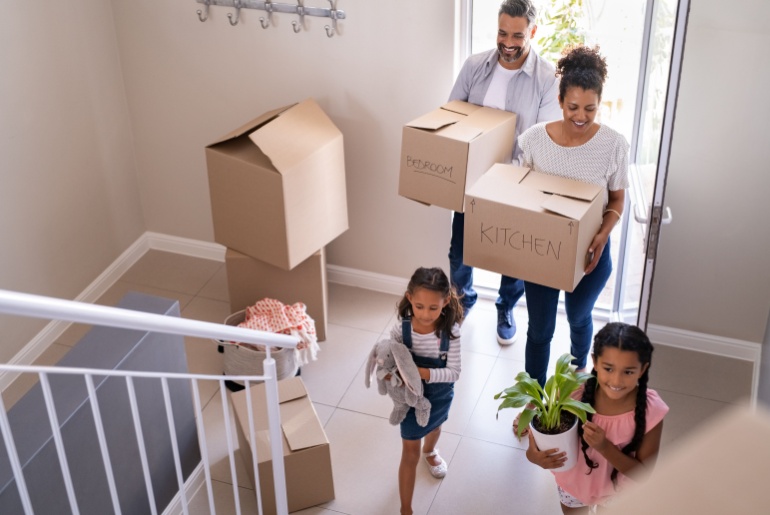
One of the best ways to build your child’s mental resilience is to encourage their curiosity and sense of agency. Relocation, with all its potential for unexpected events, is a great opportunity to build your child’s mental fortitude, especially if you allow them to actively participate in the relocation process.
Let them help with the moving process
Make your children part of the process both in keeping track of the timeline and/or doing little tasks (like packing up their own stuff) that are age-appropriate. Explain the process in detail and show them how to do it before they get started.
Here’s how to assign tasks according to your child’s age:
- Toddlers and preschoolers can help pack small toys into boxes or put stickers on moving supplies. That’s how they know they are leaving their mark and contributing to the move.
- School-aged children can help create checklists and make decisions about what items to pack and what to donate. If you’re traveling long-distance, you can also let them research some pit stops so long as it doesn’t deviate from the schedule or route.
- Teenagers can take on even more responsibility, whether it’s overseeing the packing, organizing transportation or managing the final cleanup. Let them arrange their new room to their liking or ask for their input on setting up common areas in the house. With a little bit of autonomy, they can make moving an exciting new chapter that helps build their self-confidence.
Pro tip: Invite your kids to make a shared playlist for the trip. Ask them to include whatever songs they like but also songs related to the city you’re moving to or just moving in general. Here are five songs to kick off your family playlist:
1. “Movin’ Out” by Billy Joel
2. “Move on Up” by Curtis Mayfield
3. “Fast Car” by Tracy Chapman
4. “She’s Leaving Home” by The Beatles
5. “This Will Be Our Year” by The Zombies
It’s also a good idea to pack a moving day essentials bag to keep your children comfortable throughout the day. Pack toothpaste, toothbrushes, towels, a change of clothes and some kitchen items. For babies and toddlers, pack snacks and drinks and favorite toys or stuffed animals, as well as books or games. You should also have a bag with all the baby’s essentials for your new home, plus a bag with all the essentials for traveling (including corner protectors if you’ll be staying at a hotel).
Unpack children’s rooms first to create a safe space for them
When you arrive at your new home, the first thing you should prioritize is setting up your children’s rooms. But before you’re done unpacking, try to establish a safe place where your young ones can take a break and feel at home:
- For babies, unpack the nursery right away and make sure the home is babyproofed. If your new home has window blind cords that your baby can tug at, replace them with cordless shades and blinds. Also, keep the crib or bed away from the windows and cover electrical outlets.
- For toddlers and preschoolers, set up a childproofed area with toys, books and snacks. Then, unpack familiar items like their bed and blankets so they’ll have a sense of comfort in an unfamiliar space.
Pro tip: Once you’re done moving, ask your little ones to help you put the boxes to good use. You can build a playhouse, a castle and a cardboard car to go with them. If they prefer something more practical, you can make a lap tray for reading in bed, desk organizers and even a comfy bed for your pet!
- School-aged children and teenagers can set up an area with tablets, books or games to help them stay busy during downtime. They can also benefit from having their personal space established quickly. Letting them help arrange and decorate their room gives them a sense of control, which can ease feelings of discomfort in the new house.
Establish and maintain routines
When we find ourselves in a new place, what grounds us is how we spend our time — family rituals like having dinner together, watching a movie on Saturday night or walking the pet in the morning. These are routines that bind us and make our surroundings feel a little more like home.
If your family enjoys these types of routines already, try to maintain them after the move. Should your family have a more flexible schedule, try to establish it in advance of the move and keep it up once you’re there.
Babies, toddlers and preschoolers pose specific challenges when it comes to moving. To help little ones with this change of scenery, you need to keep consistent routines, be they mealtimes, bedtime routines or familiar activities. Even small rituals, like reading the same bedtime stories, can make a big difference in helping them adjust.In addition, you can sign them up for library story time, playgroups or parent-and-child classes that help them meet new friends. In addition, you can also help them stay connected to their old friends through video chat or sending postcards.
- School-aged children will benefit from familiar routines as well, but they may also need extra help navigating new social dynamics at school or in extracurricular activities. Encourage them to join sports teams, drama clubs or after-school programs, as this can give them a sense of belonging. Soon, they’ll be ready to forge friendships in their new environment.
- Teenagers may need more time and space to adapt to their new environment. A recent Health & Place study has shown that adolescents are more likely to be negatively impacted by relocation, as they might not be able to sustain their long-time friendships. But don’t worry — there are plenty of ways you can help, the chief of which is to be there for them and answer any of their concerns. Just as importantly, encourage them to stay in touch with old friends through video calls, social media or even visits to your old neighborhood if you’re moving close by, but also push them to participate in local activities that match their interests. Over time, they’ll likely develop a new social circle, but it’s important to acknowledge that this process may take longer for them.
Moving house with kids: Final thoughts
Moving can be a bittersweet experience, but it’s also a learning opportunity for you and your little ones. It’s a chance to connect, to be a team and grow together both as individuals and as a family. So, be honest and open about the move, check in on how your children are feeling and let them take part in the process. Together, you’ll find out that happiness doesn’t have just one address.



Moving From a House to an Apartment: What to Expect, How to Downsize & How Self Storage Helps
For some, moving from a house to an apartment is a financial decision. For others, it’s about simplifying life. Maybe the kids have moved out and half the house sits empty, or you’re approaching retirement and no longer want to spend weekends on repairs. Or perhaps you’ve been weighing the cost of buying a home and wondering whether renting simply makes more sense right now.
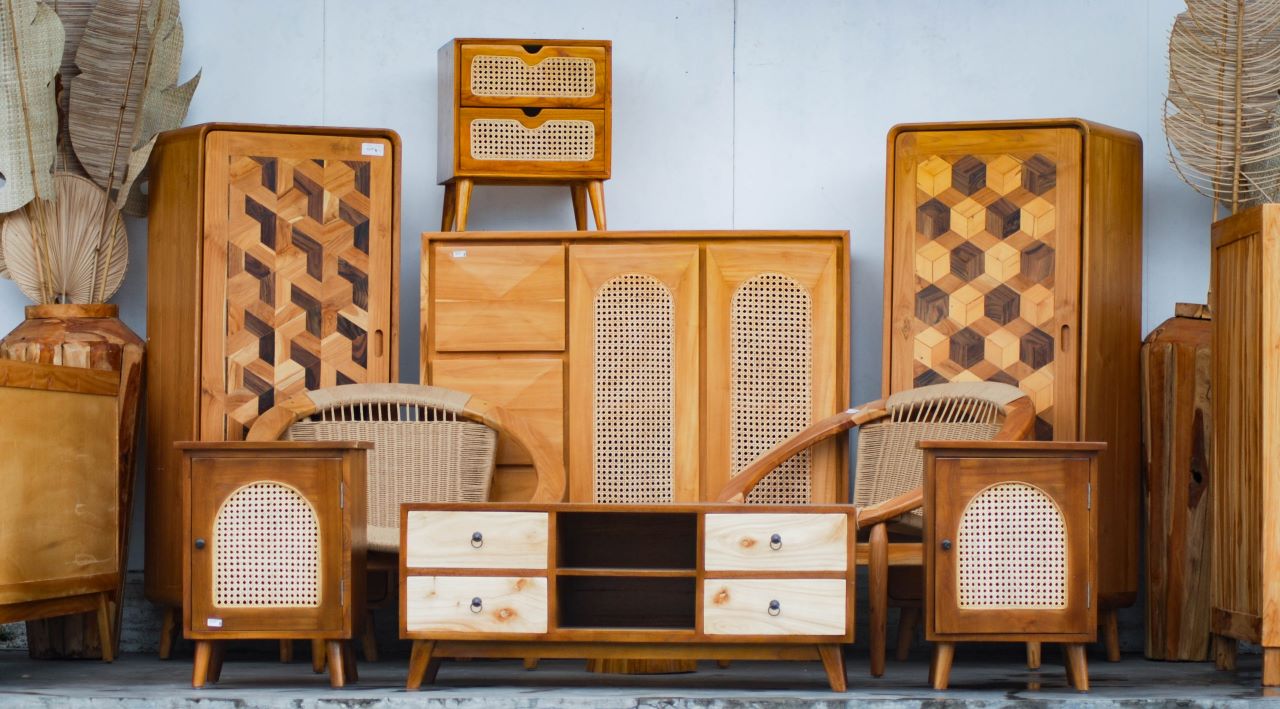
Family Heirlooms Overload: How to Handle Family Inheritance Without Regret
Handling family heirlooms after a loss requires managing legal authority, emotional pressure and practical logistics at the same time, and the order you take them on matters more than most people expect.
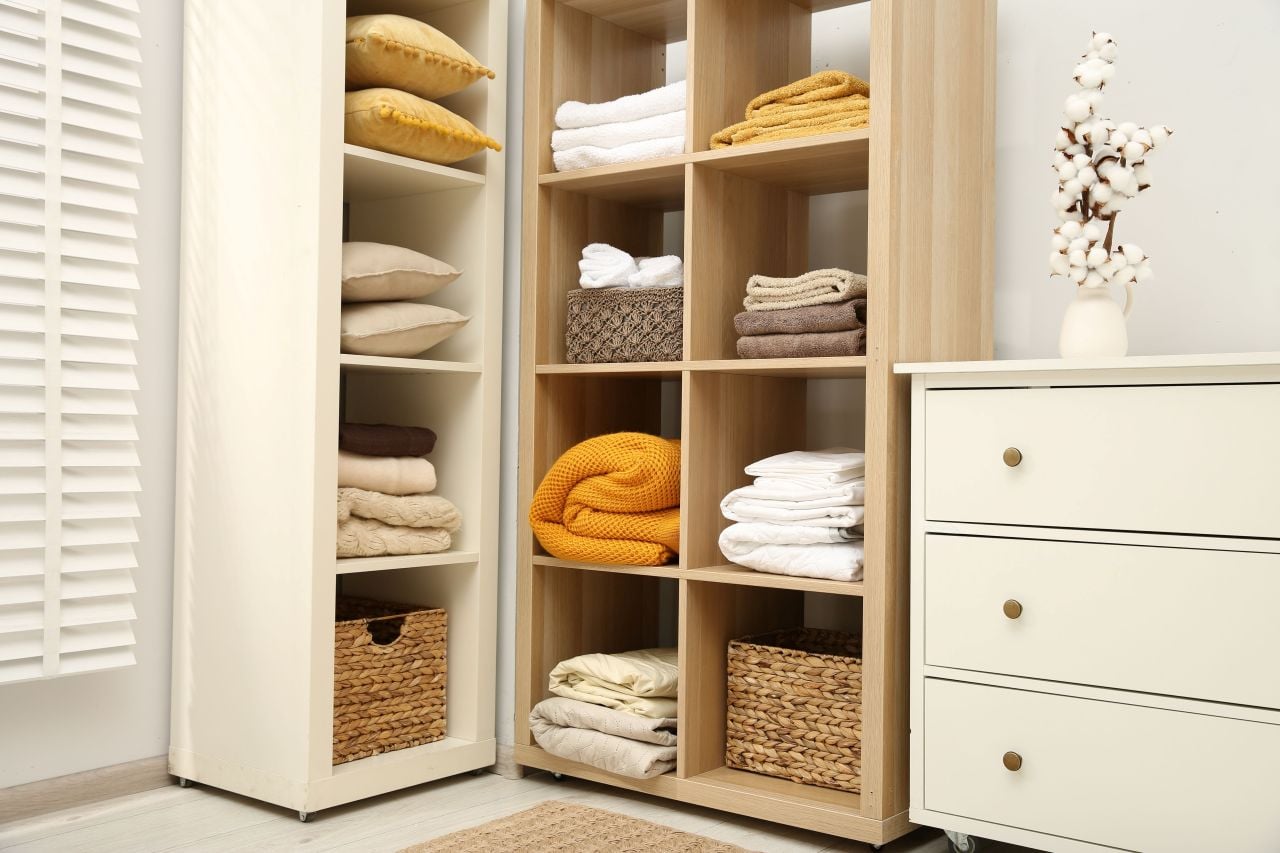
Blanket Storage: The Right Method for Every Space and Season
Blankets make our lives cozier, and storing them well is what keeps them soft and comfortable in the long run. Knowing how to store a blanket properly means your favorites come out of storage smelling fresh, feeling the same as when they went in, and lasting years longer than they otherwise would.

Board Game Storage Ideas That Keep Your Collection in Fighting Shape
Nobody warns you that getting into board games usually unlocks a second hobby, the much dreaded one that includes figuring out where on earth to put them. One game becomes a few, expansions start spawning beside their base boxes and before long, board game storage requires as much strategy as whatever is waiting on the other side of those lids.
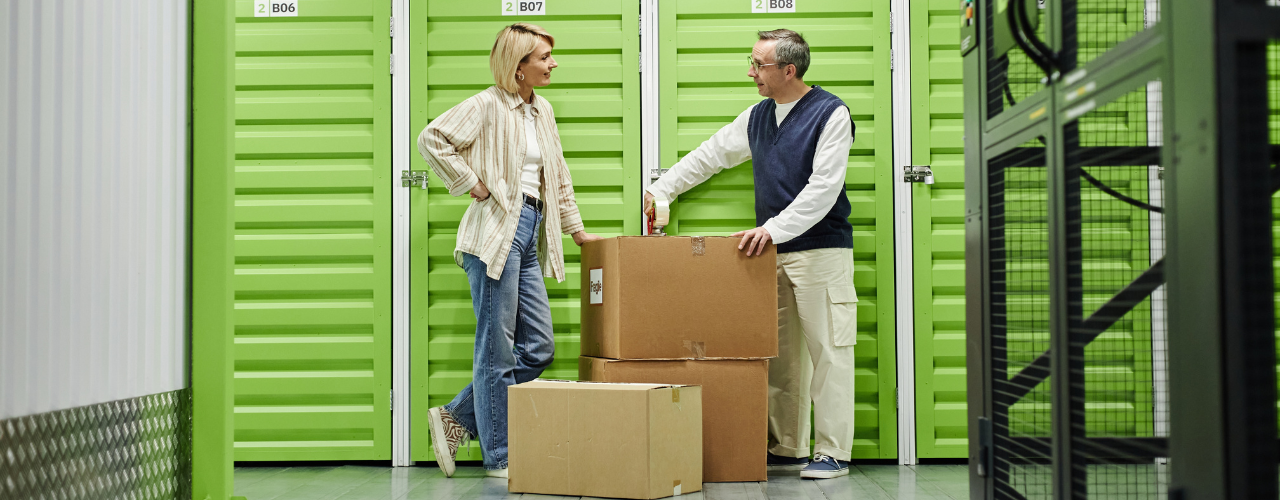
Storage Locker vs. Storage Unit: What’s the Difference?
A locker and a unit may sound like two names for the same four walls and a lock, and depending on the storage facility, you may even see the terms used that way. However, once you start comparing available spaces, storage lockers tend to occupy the smaller end of the spectrum, while storage units(opens in new tab) give you considerably more room to work with.

Storage Ideas for Small Spaces: 9 Ways to Max Out Your Home
A messy home contains the seeds of its organization. Those seeds are everywhere: the space above doors, under beds, behind sofas and inside furniture can all become storage. Here are the best storage ideas for small spaces, so you can make the most of your cozy home.

Best U.S. Cities to Live Uncluttered: Plano, TX, Offers the Most Room to Breathe
Clutter is in our homes as much as in our heads. Both are shaped by where we live.
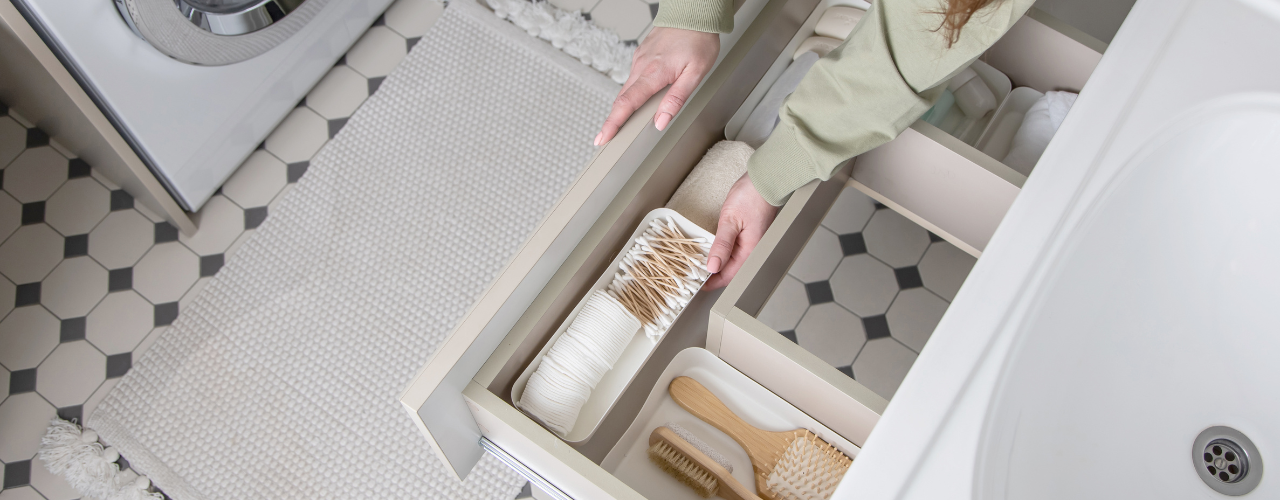
How to Organize Your Bathroom: 8 Ways to Stay Tidy
You already know why an organized bathroom is worth the effort, but let us remind you: it makes rushed mornings easier, keeps counters cleaner and just helps get you in the mood to go through your skincare routine like you should. Plus, in bigger households, it helps everyone find what they need. And you know how much a tidy bathroom counts for your self-esteem when a guest or a partner shows up. Luckily, you don’t need a degree to know how to organize your bathroom. The secret is keeping less, giving every item a home and making that home simple to use. Let’s go through some practical steps can help you create a bathroom that stays functional and nice to look at.

How to Use Silica Gel Packets for Storage
Moisture can cause significant damage to items in storage, leading to rust on tools, mold on clothing and warping in documents. Silica gel uses science to fix that. Often found in small packets inside product packaging, silica gel is a desiccant that absorbs moisture from the air, keeping your stored items dry and protected. This guide explains what silica gel is, how it works and how you can use it to preserve your belongings in self storage.