

Pets have a special way of making a house feel like a home. They become familiar with every corner, watch over the place and always greet you with excitement, as if anywhere would feel right as long as you’re there. But when it comes to moving with pets, how can you ensure your furry friend feels just as comfortable in your new space?
For us, the stress of relocation is often balanced by the excitement of a new beginning. But for pets, it’s a different story. Their familiar home changes, they endure an unexpected trip and suddenly they find themselves in an unfamiliar place.
The good news is that you’re not the first to face the challenge of moving with pets. There are plenty of relocation tips available from owners of dogs, cats, birds, reptiles, small animals and even fish. With the right preparation, you can help your pet adjust to their new surroundings and make the transition as smooth as possible for the entire family.
The basics of moving with pets
Before getting into the specific needs of different pets, there are some general steps that apply to all animal companions, no matter the species. Most importantly, you should start early and learn how to move with your pets so that on the big day, stress levels will be lower.
1. Prepare your pet’s new environment before moving day
In the time leading up to your moving day, it’s a good idea to get your new home ready for your pet. For example, if the previous homeowner had pets, your animal might be overwhelmed by unfamiliar scents. To get rid of these foreign scents, you need to clean the carpets, wash the floors and do a deep clean of the house.
If you’re unsure whether the new house had pets in the past, you should think about having the place treated for fleas before moving. Also, be on the lookout for hidden dangers like rat bait, mothballs or antifreeze, left behind before your move.
Additionally, you should set up a quiet, cozy area with your pet’s favorite bed, toys and blankets in the new house. Having these familiar items around will give them a sense of security as they adjust to their new and unfamiliar surroundings.
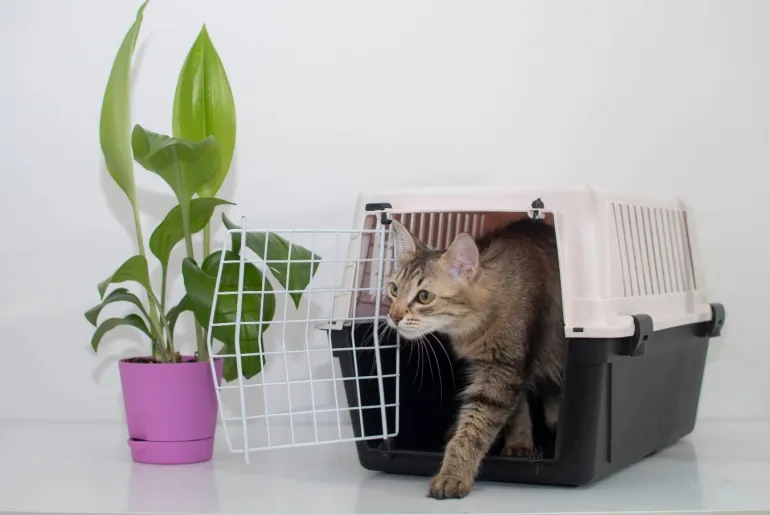
2. Maintain routine as much as possible
Pets thrive on routine, and a move can throw it all out of whack. As much as possible, stick to their usual feeding, exercise and playtime schedules. That way, even though they know they’re in a new place, they also know that dinner is coming at 7 PM, as usual.
If you’re planning a long-distance move that involves driving or flying, do some “trial runs” with your pet ahead of time, especially if they aren’t used to car rides. Take them on short trips to get them used to being in a moving vehicle. You can even give them a ride in a car wash if they’ll be traveling by plane for the first time, as this will be pretty similar to what they’ll experience up in the sky.
3. Look out for signs of stress
Pets often exhibit stress in ways that might not be obvious right away. Keep an eye out for changes in behavior, like a loss of appetite, pacing or hiding. These can all be signs that your pet is feeling anxious (changes in behavior vary from species to species).
If you notice these behaviors, reassure them that you’re there to comfort them. Give them extra affection, spend time with them in quiet areas and keep their routine as normal as possible.
4. Keep your own stress in check
Be mindful of your own stress levels as you manage the relocation process with your pets. Relocating might seem overwhelming, but it will go much more smoothly if you take things one step at a time and have faith in your strategy. When things get too stressful, remind yourself that there is nothing wrong with taking a break and practicing self-care.
Besides taking care of yourself, you can make moving less stressful by better managing your belongings as you prepare to move. Instead of transporting them all on move-in day, you can send them ahead of time and have them placed in a self storage unit close to your new abode. They can sit there until you relocate there. Then, you can make several visits to your unit to gradually bring your belongings into your new home. As far as the rent is concerned, self storage units go for about 153$ on average, but the pricing depends a lot on your location. For instance, the average street rate for self storage units in Augusta, GA, hovers around $78, while Atlanta units go for around $150.
And once you and your furry friend are settled in, you can still turn to self storage to help you keep some of your items away from home, to avoid creating clutter. Seasonal items, furniture as well your pet’s the travel crate can sit in a storage unit. Speaking of your furry friend, if you won’t be able to put dog food in a storage unit—if you bought it in bulk—as most facilities prohibit it so as not to attract rodents and insects.
5. Update your pet’s ID information
To keep your pet from getting lost while exploring new areas, make sure their ID tags and microchip information are up to date with your new address and phone number. If the worst happens and your pet goes missing during or after the move, there’s a much higher chance you’ll get them back safe and sound.
Another important detail is to research veterinary services near your new home well in advance. Have the contact information of a nearby vet handy, just in case of any unexpected health issues during or after the move. This can save valuable time and help to mitigate expenses in an emergency.
6. Prepare a kit with your pet’s meds and sedatives
Bring a first aid kid with all your pet’s meds as well as the prescription in case you need a refill. Bandages and antiseptics are also a good idea. If you’re going to use sedatives, try not to overdo it.
Just to be safe in the event of an emergency, you can save the link to the ASPCA and make a note in your phone with all the emergency veterinary clinics along your travel route.
7. Have a plan for moving day
Moving days often get chaotic, with movers coming in and out, doors left open and lots of noise. So, make a plan to keep your pet calm and safe. For many pets, the best option is to keep them in a quiet, secure room where they won’t be disturbed. You could also consider asking a friend or family member to look after them for the day.
If you’re transporting your pet to the new house yourself, make sure you have a comfortable carrier or crate, and bring along familiar items like toys or blankets to help keep them calm during the journey.
8. Slowly introduce your pet to the new home
When you arrive at your new home, don’t let your pet explore the whole house all at once. Instead, introduce them to one or two rooms first. This helps prevent sensory overload and makes the transition less overwhelming.
As your pet becomes more comfortable, gradually allow them to explore the rest of the house at their own pace. Just be patient—it might take a while before they a, but there are plenty of ways to make your pets feel at home from the get-go.

Moving with multiple pets
If it’s a long trip, book one or two rooms in hotels that are specifically pet-friendly and can house multiple pets. For instance, companies like Petswelcome even take in exotic animals. Still, if you have cats or dogs, you can just book two adjoining rooms in a regular pet-friendly hotel. However, you should write down the specific requirements of each hotel, such as updated vaccine records.
There are also professional pet transporters like Pet Airways, though they are pretty expensive and have tricky schedules (meaning eastbound flights Tuesdays and Wednesdays, and westbound flights Thursday and Friday). For an option that’s a bit more fun, you can go to cruiseamerica.com to rent an RV – just clean it well afterwards! Or, if you can, enlist a friend or family member to drive along with you.
In addition, you should bring enough food to cover a few extra days in case of unexpected delays, along with collapsible bowls for easy access and bottled water to avoid stomach issues from different sources. To keep travel stress low, pack some familiar items to comfort everyone during the trip.
Moving with pets to another city or state
If you’re planning on relocating to a new city or state with your pet, there are some things you need to keep in mind. Before the move, check your new state’s pet regulations. Some states have specific requirements for vaccinations, breed restrictions or leash laws, so it’s important to be prepared. For instance, many states require updated rabies vaccinations and proof of health checks, especially if you’re crossing state lines.
For those willing to pay a little extra to reduce the stress and complications of moving with their animal friends, pet relocation companies like Air Animal Pet Movers, PetRelocation, and Happy Tails Travel offer specialized services for interstate pet travel.
These companies can handle everything from paperwork and health certificates to booking pet-friendly flights and ensuring your pet travels in comfort. They’re a great option if you’re feeling overwhelmed by the logistics or just want some peace of mind knowing that professionals are handling your pet’s move.
How much will you pay for a pet-friendly apartment?
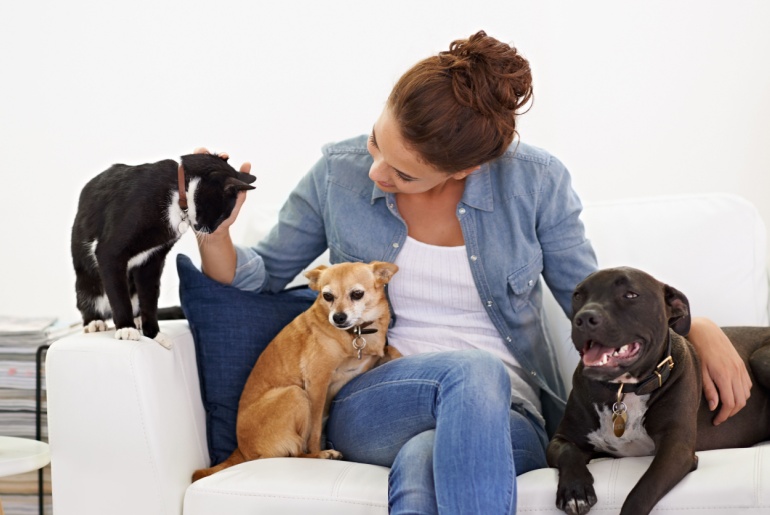
If you’re looking for a pet-friendly apartment, it’s important to consider both your budget and the amenities you need. Pet-friendly apartments often come with additional costs like pet rent and deposits, so be sure to factor those in. Landlords may also charge higher deposits or fees for larger breeds or multiple pets.
While pet-friendly apartments are becoming more common, they often come with a premium. According to the latest data from RentCafe, pet-friendly apartments cost about $20 more per month on average compared to non-pet-friendly options.
This amount can vary significantly depending on location. In cities like San Francisco, where living costs are high, pet rent averages around $52 per month, with pet deposits reaching up to $436. In contrast, in a more affordable city like Atlanta, pet rent averages $18, and the deposit is around $236.
There might also be limits on how many pets you can have, as well as restrictions on certain breeds or sizes. It’s always a good idea to review all the details regarding your pet with the landlord before signing any agreement.
Moving with pets internationally
If you and your pet are relocating abroad, you’ll need to do even more preparations. The process is frequently subject to stringent laws and regulations that differ from nation to nation, whether you’re digital nomading or working locally. Verifying your destination’s pet import regulations is one of the first things to do.
Certain governments may demand certain vaccines or medical certifications, while others may impose mandatory quarantine periods. To help you with the procedure, you should get in touch with the embassy or consulate of the nation you plan to relocate your pet to, as well as a veterinarian with experience in pet relocation abroad.
International travel with pets usually means flying, so be sure to book flights well in advance. Always check if your pet’s breed is permitted on flights, as some airlines restrict snub-nosed breeds like pugs and bulldogs due to breathing concerns.
Before the move, make sure your pet has all the necessary travel documents, including an international health certificate. On travel day, you should be certain that your pet’s carrier is airline-approved, well-ventilated, and spacious enough for them to move around comfortably.
Moving with dogs
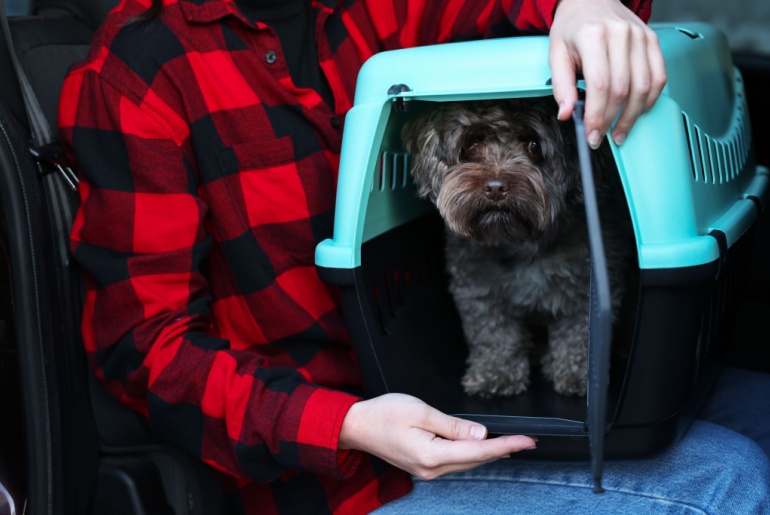
Dogs are often quite resilient when it comes to change, but they can still experience stress during a move. Since you are their family, they will naturally follow your example. And after all, who doesn’t feel better following someone who is calm and well-organized?
1. Update vet and license information
Update your dog’s ID tags, then transfer the vet records to a local veterinarian. If your new location requires dog licensing, get this sorted out early on. Moreover, you should know where to go in case of a medical emergency, so see where you can find your nearest vet clinic as soon as you arrive.
2. Introduce them to the new environment gradually
First, take your dog to your new place a few times before moving day, especially if you’re not moving very far away. By doing this, your furry friend can get accustomed to the sights, sounds and scents of their future house. Allow them to explore the yard or the rooms they will be spending the most time in.
3. Create a safe space in your new home
After moving in, designate a specific space where your dog can feel safe and cozy. Set up their bed, toys, food and water bowls in this area. This familiar setting will give it comfort while it adjusts to the new environment. You can also spray some pheromone diffusers such as Adaptil around the place—because we all know how important scents are to dogs.
4. Stick to their usual routine
While moving can throw your schedule off, try to keep your dog’s routine as consistent as possible. If they’re used to a morning walk or evening playtime, you should continue those activities even in the midst of moving chaos. A dog that’s getting plenty of exercise and attention will be less likely to feel stressed.
5. Help them get used to being alone
Dogs often struggle with separation anxiety, especially when they’re left alone in a new home. It doesn’t have to be that way. Start by leaving your pet alone for short periods while you’re nearby, then gradually increase your time apart as it gets used to the idea of being alone in the new space. You can also leave something comforting, like a piece of your clothing or their favorite toy.
6. Let your dog know everything’s okay
Even if your dog seems fine with the move, know that this is a big change for any pet. Offer lots of affection, speak to them in calming tones, and keep up with their regular playtime and training. Dogs look to their humans for comfort, so your calm demeanor will help them feel at ease in the new environment.
7. Scout the dog parks on your own
Before taking your pets to new dog parks, boarding facilities, daycare centers, or groomers, visit the location on your own first to see if the area is right for your furry friend. The best places will require dogs to have a Bordetella (kennel cough) vaccine. Since dog parks are unpredictable in terms of the dogs and environment, it’s important to observe the setup, fences, and dog-to-dog dynamics without your dog initially to ensure a safe experience for your pet.
Moving with cats
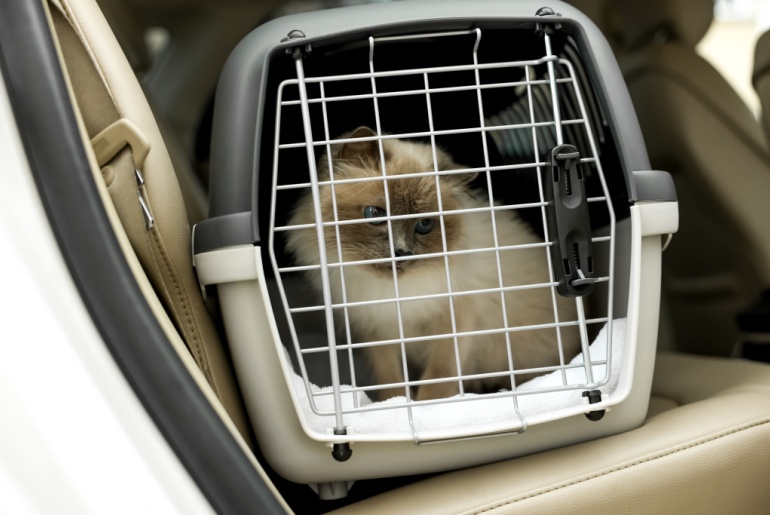
Cats are nothing if not creatures of habit, and any disruption in their routine can make them anxious. Plus, feline companions form strong attachments to their territory, so you shouldn’t underestimate how big of a deal this will be for your cat.
1. Transport your cat safely
Most cats hate car rides, so you’ll want to make the trip as comfortable as possible. Use a well-ventilated carrier and cover it with a blanket to reduce stimuli. Bring along familiar items like their favorite toy or a piece of your clothing to comfort them during the ride.
If you’re moving long-distance, plan ahead. Make sure they have enough food and water, and if possible, give them short breaks during the trip. For air travel, check the airline’s pet policy well in advance.
2. Prepare a safe, calm environment
On moving day, keep your cat in a secure room with their food, water and litter box while the rest of the house is tackling all the hectic logistics of moving. This prevents them from getting scared by all the noise and keeps them from escaping while doors are open.
3. Introduce your cat to the new home one room at a time
Cats can easily become overwhelmed by new environments, so give them time to adjust. Start by confining them to a single room that contains all their essentials—food, water, a litter box and some familiar items like their bed or scratching post. Let them explore this space first before you gradually open their way to other parts of the house.
4. Monitor for stress
Cats often show stress through behaviors like hiding, aggression, excessive grooming or refusing to eat. If your cat seems anxious, you should pet it, spend quiet time with it and allow it to explore as it wishes. You might also try using calming aids like Feliway, which mimics cat pheromones to reduce anxiety.
5. Stick to their routine
Like dogs, cats love routine. Keep their feeding schedule consistent, and make sure they have access to familiar items like their favorite toys and bed. This will create a sense of stability and normalcy, even in a strange new place.
6. Avoid letting them outside right away
If your cat is used to going outdoors, resist the urge to let it outside too soon after the move. Give them time to adjust to their new indoor environment first. When you do let them out, supervise their time outdoors until they become familiar with the area.
Moving with small animals (guinea pigs, hamsters and ferrets)
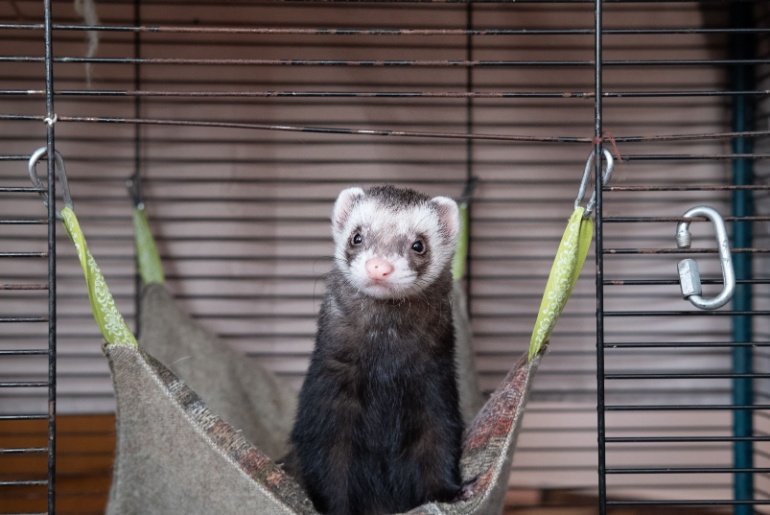
Ferrets, hamsters and guinea pigs are examples of small pets that might be especially sensitive to environmental changes. Their needs are different from those of cats and dogs in terms of everything from noise levels to temperature requirements.
1. Keep them in their usual cage
For small animals, familiarity is key. Your safest bet for a smooth relocation is by moving them in their usual cage or habitat, keeping it as undisturbed as possible. Don’t clean or change the bedding right before the move—having their usual scents around will help them feel more secure.
2. Monitor temperature
Compared to larger animals, small pets are frequently more sensitive to temperature changes. Their cage needs to be in a climate-controlled space whether you’re relocating in a warm or cold environment. To avoid any issues, use warmers or cooling packs for extended travels to maintain a steady atmosphere for them.
3. Minimize noise and activity
These animals are particularly sensitive to noise and sudden movements. Keep their environment as calm and quiet as possible during the move, especially on moving day. If possible, place their cage in a quiet room away from the hustle and bustle of the moving activity.
4. Set up their habitat right away
Once you’ve moved into your new home, don’t wait — set up your small pet’s habitat as soon as possible. Keep everything familiar, and don’t rearrange their toys or change their bedding until they’ve had time to settle in.
Moving with fish
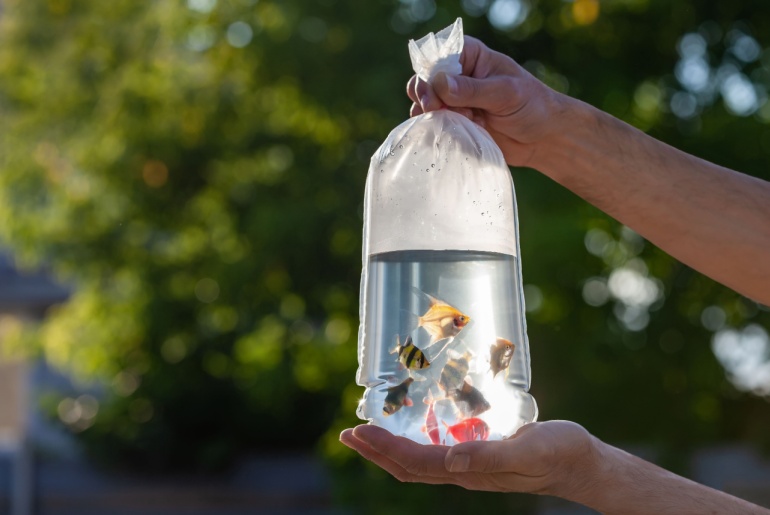
Particularly if you have a large tank, fish are among the most delicate pets to move. This will necessitate a little more planning in terms of logistics, such as a method for storing the various aquarium components.
1. Prepare temporary housing
First off, you’ll need to move your fish in smaller, temporary containers like plastic bags or smaller tanks, and make sure that there is plenty of room in each container. Also, avoid scented or odor neutralizing bags at all costs, as these can harm the fish. You also need to add pure oxygen to the plastic bag if your trip is going to take longer than 30 minutes. Since there isn’t much air in a plastic bag, your fish can only live there for approximately an hour without pure oxygen.
In addition, you need to ensure that the water temperature stays consistent throughout the trip. If it’s a long trip, avoid feeding them 24 hours beforehand to keep the water clean. However, you can feed them the night before the trip if you’re not going to be on the road for too long.
2. Move the tank separately
Moving an entire tank filled with water is nearly impossible, so you’ll need to empty it. Pack up any decorations, filter systems, and other equipment separately. If there are plants or small snails, keep some water in their containers. Once the tank is empty, wrap it carefully in protective material to prevent damage during transport.
3. Ensure safe traveling
It’s crucial to transport your fish safely and to ensure that the water maintains its natural temperature while in motion. If you are driving, put the fish somewhere they can get the benefit of the heater or air conditioning, if necessary. Additionally, you can get your fish to be less active by keeping them in a dark environment. For instance, you might use a sheet or piece of cloth to cover the container.
4. Once you arrive, set up the tank quickly
When you get to your new home, set up the fish tank right away. Fill it with dechlorinated water, allow it to reach the correct temperature, and gradually reintroduce your fish. Be sure to let the filter system run for a while before adding the fish to the tank.
Moving with reptiles
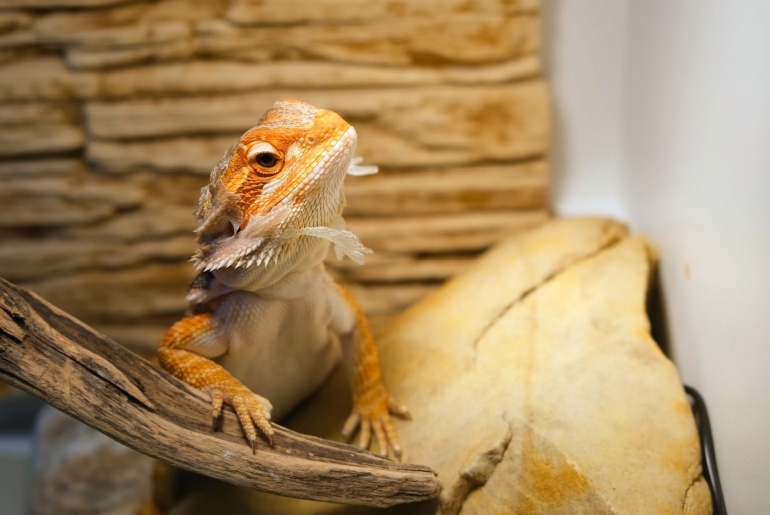
Reptiles like lizards, snakes and turtles have unique needs during a move. To start with, their enclosures often require specific temperature and humidity levels. Also, you need to read up on the regulations of your new state or country, as these are some of the most strictly regulated animals.
1. Use a travel-safe container
Move your reptile in a smaller, secure container that’s easy to monitor. Make sure it’s well-ventilated and can maintain the appropriate temperature for your reptile’s species. For long-distance moves, you should get portable heating pads or cooling packs to regulate temperature. If you’re transporting a snake, you should wrap it in cloth and place it in a cushioned container.
2. Consider travel breaks for long journeys
For long-distance road trips, plan regular stops to check on your reptile’s condition and environment. Find reptile-friendly accommodations and give them a soak in a bathtub if needed. For reptiles that need moisture, mist the enclosure during stops to prevent dehydration.
3. Get professional help for international moves
Reptiles are tricky to move, especially if you’re moving internationally. Therefore, you should consider hiring a pet relocation service with expertise in handling reptiles. They can help navigate customs, regulations, and travel logistics, which will reduce the stress of handling complex procedures.
4. Prepare their enclosure in the new home
Set up your reptile’s enclosure right away, so it has the correct temperature, lighting and humidity levels. Let your reptile explore their habitat gradually, and avoid handling it too much until it’s settled in.
Moving with birds
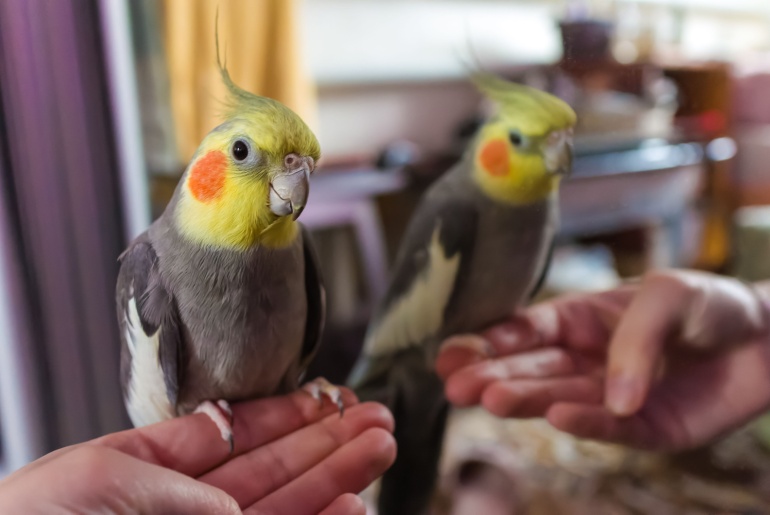
Birds are some of the least sensitive animals when it comes to moving. That doesn’t mean that you shouldn’t plan your move according to the needs of your feathered companion. Get familiar with any possible hiccups, and you’re in for a smooth relocation.
1. Use a secure travel cage
Move your bird to a secure travel cage with enough room for them to perch comfortably. Cover the cage with a light cloth to minimize stress during transport, tie the cage tightly to the seat and make sure your bird has access to water during the trip.
2. Gradually introduce your bird to car travel
If your bird is not used to traveling in a car, gradually introduce them by starting with short trips before embarking on a longer journey. Talk or sing to your bird during these trips to help them associate the car with a positive experience.
3. Keep them comfortable throughout the trip
Try leaving the front of the cage uncovered so they can look around, and if you’re driving at night, use a flashlight to make them feel safer in the dark. If you’re staying at a hotel, you should air out the room first in case of any strong scents and think ahead about how you’ll bring your bird indoors, especially if it’s chilly outside.
4. Set up their cage right away
Once you arrive at your new home, set up your bird’s cage as soon as possible. Place it in a quiet, comfortable area where they can observe their surroundings without being overwhelmed by too much noise or activity.
5. Give them time to adjust
Birds can take time to adjust to new surroundings, so be patient. Talk to your bird in calming tones and spend time with it each day to provide reassurance. You might notice changes in its behavior, as it gets quieter or more nervous. Don’t worry— they’ll start to feel at home again in due time.
The artist Jean Cocteau once said, “I love cats because I enjoy my home; and little by little, they become its visible soul.” It’s a beautiful feeling that most pet owners share, but it also shows why it’s important not to take your pet’s comforting presence for granted — make them stressed during the moving process, and your new home’s soul might not be the same. So, we encourage you to plan your relocation thoroughly according to the needs of your animal companion. You’ll thank us later.
Expert opinions
For a better look into the nitty-gritty of moving with pets, we talked with expert veterinarians.
Dr. Rebecca Greenstein, Veterinary Medical Advisor for Rover

Dr. Rebecca Greenstein, Veterinary Medical Advisor for Rover
What advice would you give to someone moving with pets that they may have overlooked?
The single most important tip I have is to make sure to update the contact information and home address you have on file for your pet’s microchip! If your pet is lost or wanders off from your new home, keeping your contact data up to date may make a critical difference in making sure you get reunited with your four-legged friend.
How does moving impact a pet’s well-being, and how can you minimize stress during the transition?
Pets may experience anxiety watching their belongings packed up and taken away to a new location. Unfamiliar faces and places can set a lot of pets on edge or even trigger fearfulness, aggression, or destructive behaviors
As soon as you can, unpack and set up your pet’s familiar touchstones like their bed, crate, favorite toys and food bowls so they can get grounded in your new home and start to feel secure
Although it may be difficult, try to stick to their usual routines and walking/feeding schedules as much as possible to provide continuity in their daily lives.
For some pets who are super anxious or mischievous, it may be best to remove them from the disruptions of moving day and leave them in the care of a trusted dog walker or pet sitter.
Dr. Eliza O’Callaghan, Managing Veterinarian for Small Door Vet‘s NYC practices

Dr. Eliza O’Callaghan, Managing Veterinarian for Small Door Vet’s NYC practices
What do you recommend for those moving with senior pets?
Older pets may have more difficulty adapting to new environments. Ensure their space is easy to navigate, with accessible food, water, and bedding, and plan for regular breaks if traveling long distances.
How can pet owners transfer their pet’s medical records?
Contact your current vet and request copies of your pet’s medical records, including vaccination history and treatment for chronic conditions. These can either be sent directly to your new vet or you can bring a copy to your first appointment.
What risks do pet owners face when moving to a new area?
Your new location may have different environmental risks (such as local parasites, diseases, or weather-related issues). Discuss preventive care tailored to your new environment, like flea, tick, and heartworm prevention, and make sure your pet is up-to-date on all necessary vaccinations.
What physical and psychological symptoms should pet owners be aware of?
Moving can cause anxiety, resulting in behavioral changes like excessive barking, hiding, or refusal to eat. Stress can also lead to physical symptoms, such as vomiting or diarrhea. Pets with pre-existing conditions, like Feline Lower Urinary Tract Disease (FLUTD), may experience flare-ups, making it essential to monitor them closely.
Dr. Gabre Denton, Pet Trainer and Veterinarian with TeachMe.To
What advice would you give to someone moving with pets that they may have overlooked?

Dr. Gabre Denton, Pet Trainer and Veterinarian with TeachMe.To
Remember to update their ID tags and microchip info with your new address, and bring vet records in case you need a new vet right away. Travel safely by securing them in a crate or with a pet seatbelt, and keep familiar things like their bed or toys handy to help them feel at ease. Once you arrive, set up a quiet space for them to adjust while you unpack—it’ll make the whole process easier on them.
How does moving impact a pet’s well-being, and how can you minimize stress during the transition?
Moving can really stress pets out since they rely on routine and familiar spaces. You might notice anxiety signs like pacing or not eating. To help, keep their routine as normal as possible—same feeding, walks, and playtimes. When you get to the new place, set up a quiet area with their favorite things, like toys and bedding. A little extra attention and sticking to their usual routine will help them settle in and feel more secure.
If hyper-anxious you can consider mentioning this to your vet who may want to prescribe a light sedative for the ride. This can keep them calm and prevent it from being a traumatic experience.


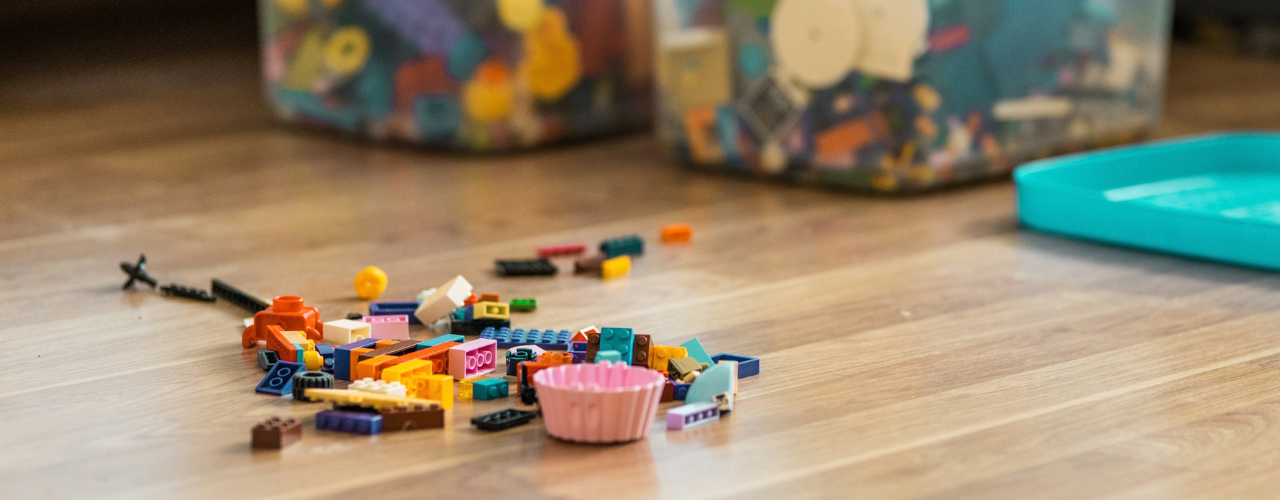
How to Store LEGOs: All the Fun, None of the Clutter
How to store LEGOs largely comes down to how your household uses them. If the bricks are part of everyday play, you need a setup that keeps them within easy reach and makes cleanup quick (for your feet’s sake, at least). Toy storage(opens in new tab) such as simple bins, playmats or containers that children can put away themselves may be enough. Larger or more serious collections usually need more organization, such as labelled drawers for loose pieces, trays for unfinished builds, shelves for completed models and separate storage for retired sets.

Cardboard Costume Guide: Tips and Ideas for a DIY Halloween
Whether for kids or adults, cardboard costume ideas often make the biggest splash once materialized, and that’s for a simple reason: doing a lot with a little is a universally impressive feat (especially in this economy). If you don’t have enough boxes you could temporarily repurpose, don’t worry! There are many places where you can find free moving boxes(opens in new tab), from stores and supermarkets to online groups and recycling drop-off spots. On the run? Try your luck at a self storage(opens in new tab) facility that sells moving supplies, often for cheap. This way, you can choose moving boxes of different shapes and sizes(opens in new tab), so you can make your costumes as complex as you want.

How to Celebrate Halloween: 9 Non-Spooky Ways To Enjoy It
As soon as October starts, it’s the official Halloween month. And while for many people it means it’s open season to get the scare of a lifetime, others, especially families with small children, might prefer to celebrate in a tamer way that’s both kid- and adult-friendly. While you’re likely to find more events where the spook factor is high, here’s how to celebrate Halloween in a not-so-scary way:

Motorcycle Storage Guide: How to Store Your Bike Safely
Motorcycles may be born to be wild, but eventually even the wild ones need somewhere to park. Whether riding season is winding down or your current living situation comes with plenty of square footage for you and less for your bike, motorcycle storage is one of those parts of ownership that doesn’t get as much airtime as the open road.

Halloween Decorating on a Budget (And Cheap Ideas for Everything Elsee)
Halloween has crept a long way from its eerie origins. While All Hallows’ Eve has transformed through the centuries, it wasn’t until the 1930s that trick-or-treating became a tradition in the U.S. and businesses began conjuring up mass-produced Halloween costumes. Now, Halloween is a monster-sized, billion-dollar industry, with a cauldron full of costumes and decorations ranging from the mainstream to the macabre. But is it all really worth your wallet? Maybe, but we’ll let you in on a little secret: You can keep your Halloween decorating on a budget and save on everything else, too. Take this plan and see it through!

Moving From a House to an Apartment: What to Expect, How to Downsize & How Self Storage Helps
For some, moving from a house to an apartment is a financial decision. For others, it’s about simplifying life. Maybe the kids have moved out and half the house sits empty, or you’re approaching retirement and no longer want to spend weekends on repairs. Or perhaps you’ve been weighing the cost of buying a home and wondering whether renting simply makes more sense right now.

Family Heirlooms Overload: How to Handle Family Inheritance Without Regret
Handling family heirlooms after a loss requires managing legal authority, emotional pressure and practical logistics at the same time, and the order you take them on matters more than most people expect.

Blanket Storage: The Right Method for Every Space and Season
Blankets make our lives cozier, and storing them well is what keeps them soft and comfortable in the long run. Knowing how to store a blanket properly means your favorites come out of storage smelling fresh, feeling the same as when they went in, and lasting years longer than they otherwise would.

Board Game Storage Ideas That Keep Your Collection in Fighting Shape
Nobody warns you that getting into board games usually unlocks a second hobby, the much dreaded one that includes figuring out where on earth to put them. One game becomes a few, expansions start spawning beside their base boxes and before long, board game storage requires as much strategy as whatever is waiting on the other side of those lids.