

Moving in together as a couple is an exciting part of your journey together. Besides learning to cohabitate with a new person, merging two households into one is not an easy transition to navigate. You’re sharing a closet, bedroom, kitchen and more while incorporating both of your belongings into these spaces. A happy relationship requires love, compromise and a touch of organization. That’s why we’ve put together these organization tips to help make moving in with your partner a seamless process:
1. Do a thorough decluttering
Moving in with your partner is a great opportunity for a decluttering session. You can separate it into two phases:
- Before moving in
Start the process before you move in and sort through the items you’re not using anymore, the damaged ones and others you might not use in your new household. This gives you the chance to bring fewer items into the shared household and makes organization a little easier from the get-go.
- After moving in
Joining two households is likely to result in a lot of excess items. You might think your cotton candy machine is essential to your livelihood, but you might not have enough room for it in your new kitchen. To help guide you on this decluttering phase, ask yourself if the items are going to fit into your new home and if they’re in overall good condition. This can drive the “keep,” “toss” or “donate” decision.
2. Put duplicates in a storage unit
You’ll also likely run into having duplicates — starting with furniture and large and small appliances such as coffee makers, blenders and more. Also, you might have too many drinking glasses, utensils and other kitchen tools coming from two separate households. Make sure to pick the most functional items when you need to choose from two options and either donate or sell the duplicates. For items that you want to keep, such as a favorite couch, family memorabilia and more, you can turn to storage.

A storage unit is a great place to keep these items until you can have them back in the home. You might buy a house later and have room for them, but until then, a storage unit can be their home away from home. For couches and furniture from two compact bedrooms, a 10’x10’ unit is ideal. However, if you’re unsure what size you need, you can consult this storage unit size guide. For a mix of various items, you can use our interactive storage unit size calculator to see which unit can fit the items you need to store.
Price-wise, the service is quite inexpensive, with a storage unit renting for about $134/month. Rates can vary based on location, with larger cities coming with higher prices. A San Francisco unit can cost about $229/month. Similarly, New York City storage rents for $218/month. In other cities, such as San Antonio, TX ($128/month), Overland Park, KS ($121/month) and Cleveland, OH ($114/month), storage comes with lower rates.
3. Work with the living space you have
Take a general-to-specific approach when organizing your home. Look at the home plan and divide it into zones to take care of when it comes to design, furniture choice and decor. Also, keep a dual design in mind for as many spaces as possible. A home office can double as a guest room if you add a fold-out desk and a Murphy bed. If you don’t have separate dining and living rooms, you can use the one room to serve both functions. Keep the living room layout permanent, but add a foldout table when you need it to convert it into a dining room.
4. Take advantage of the vertical space
If you live in a city where apartments come in smaller sizes, chances are you need to contend with a smaller living space. That’s why using every inch of space at your disposal for storage is essential to helping you make your home organized. One way to do that is to go vertical with the organization. Pick modular shelving to create storage along the walls. Use baskets to store various items, and use some of the space to display decorations.
5. Multifunctional furniture is your best friend
Your partner is your best friend in life, but when it comes to organization it’s multifunctional furniture. For instance, an ottoman can work as a seating option while also providing hidden storage for magazines and throws in your living room. Similarly, a coffee table with a shelf underneath can work double duty, serving as an area for you to keep board games and more. Moreover, a storage bench can also provide hidden storage while providing extra seating in any room of your choice.

6. Use the under-bed space
Your under-bed area is basically prime real estate for your organization strategy. Now that you’ve doubled your bulky winter clothing, this is a great spot to keep it to avoid cluttering the rest of the home with jackets and sweaters. After all, you and your partner won’t use them in the offseason.
7. Put together a closet organization strategy
Make the most of your closet by installing shelving, drawers and rods to create various sections for your items, especially if you have a roomier closet. Use space-saving hangers for skirts, pants and more that take advantage of vertical storage. Also, keep tabs on the door space by adding hooks to keep accessories and more.
8. Pay special attention to the bathroom
The bathroom typically needs to work hard to keep a lot of small items organized, but when those items double, you need a clear organization system to keep them under control. Use over-the-door caddies and under-the-sink organizers to maximize space. Be intentional about which bathroom essentials go into which cabinets and drawers. It’s a good idea to color code organizers and containers for his and her products so that each of you can find your products when you’re in a rush. This also helps to build an organized routine while keeping everything in its place.
9. Make your kitchen organized
The kitchen holds a special place for a couple — it’s where you’re likely to spend a lot of time cooking and enjoying delicious food. That’s why going all in on an organizational system is well worth it — it can take the stress out of cooking or quick food assembly for the times when you want a snack on the go. Cabinet organizers, pantry and fridge bins as well as stackable shelves are some of the things you can work with to transform your kitchen into an organized haven that sparks joy.

Personalize the space by adding hooks to hang pots, pans, spoons, measuring cups and other kitchen essentials. Label bins, containers and more — your significant other is more likely to stay organized as well with a system that’s streamlined. Remember to work together to decide where each item goes so that both of you can easily use the kitchen.
10. Remember the entryway
It’s easy to focus most of your organizing efforts on the main rooms of the home, but the entryway is equally important. It’s the first point of entry to your home, and what you do there can set the tone for the rest of the home — at least from an organizational standpoint. Set up a small table with drawers to hold your keys, mail and other items you need on the go. You can also add a shoe cabinet to keep the entryway clear.
11. Set up a cleaning and organizing schedule
Each household, and for that matter, couple, should establish a schedule to allow regular upkeep. Decide how weekly cleanup occurs and who does which chores to make sure your home stays clean and tidy. Establish a decluttering schedule a few times a year — either by season or however you think it might work for you as a couple.
To make cleaning up easier, establish ground rules for everyday functioning, such as putting things away in their designated spot instead of setting them down.
Moving in with your significant other is a time to celebrate a new start together. Put your best foot forward in your new life by having a clear organizational system that works for both of you so that you can create a happy and organized home.



Moving From a House to an Apartment: What to Expect, How to Downsize & How Self Storage Helps
For some, moving from a house to an apartment is a financial decision. For others, it’s about simplifying life. Maybe the kids have moved out and half the house sits empty, or you’re approaching retirement and no longer want to spend weekends on repairs. Or perhaps you’ve been weighing the cost of buying a home and wondering whether renting simply makes more sense right now.
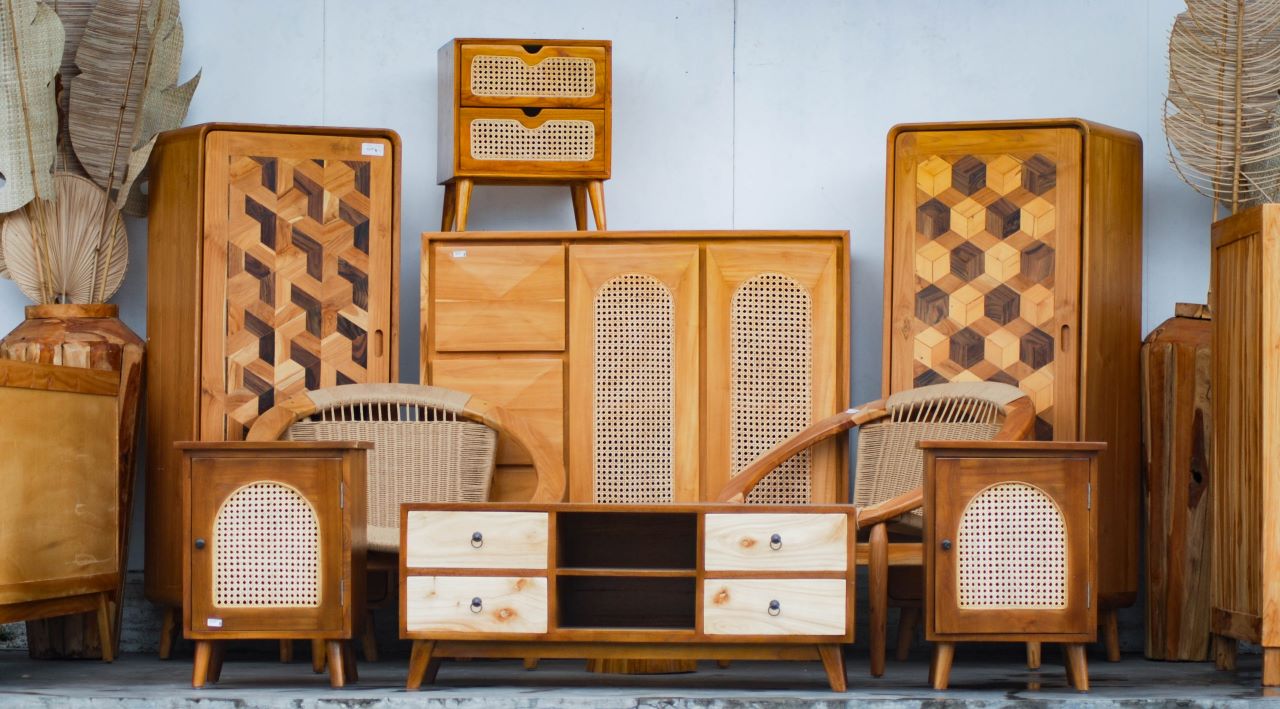
Family Heirlooms Overload: How to Handle Family Inheritance Without Regret
Handling family heirlooms after a loss requires managing legal authority, emotional pressure and practical logistics at the same time, and the order you take them on matters more than most people expect.
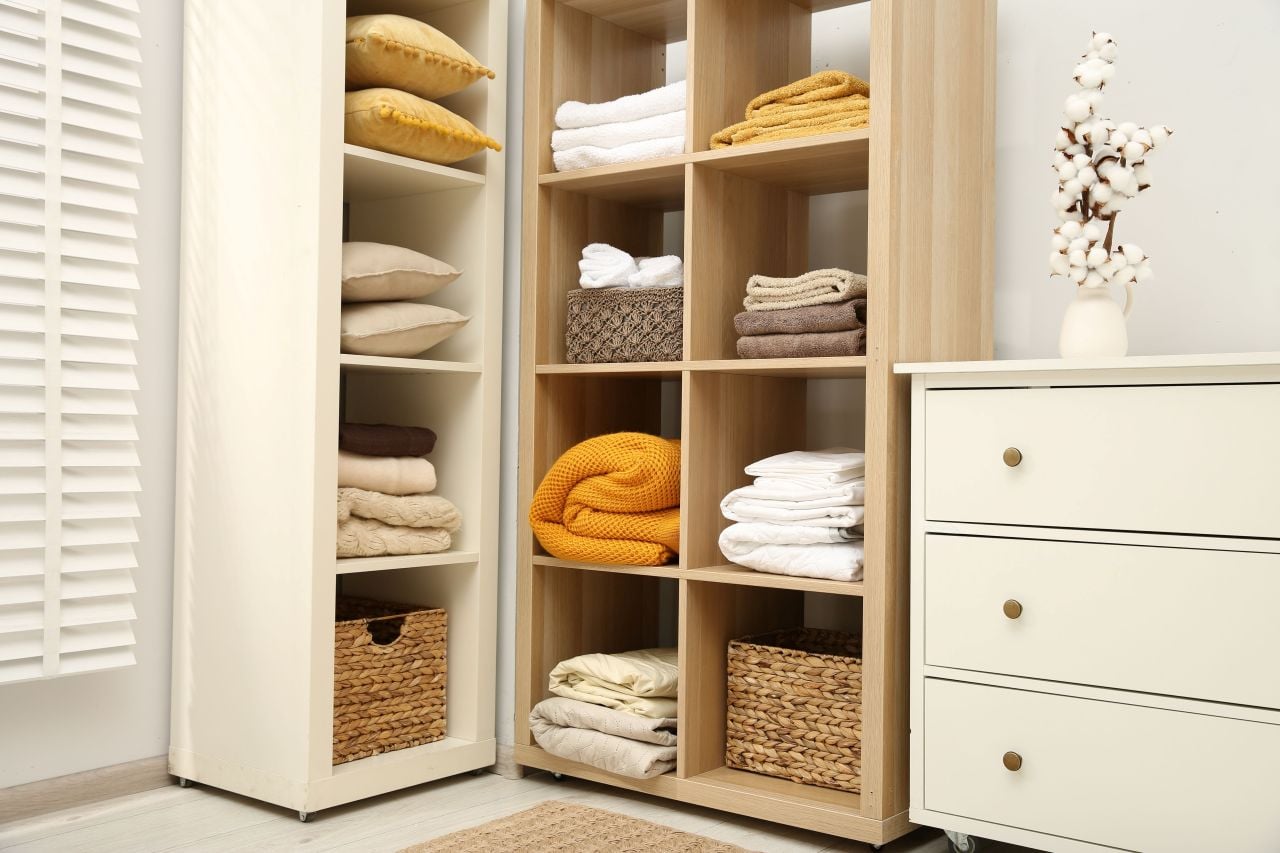
Blanket Storage: The Right Method for Every Space and Season
Blankets make our lives cozier, and storing them well is what keeps them soft and comfortable in the long run. Knowing how to store a blanket properly means your favorites come out of storage smelling fresh, feeling the same as when they went in, and lasting years longer than they otherwise would.

Board Game Storage Ideas That Keep Your Collection in Fighting Shape
Nobody warns you that getting into board games usually unlocks a second hobby, the much dreaded one that includes figuring out where on earth to put them. One game becomes a few, expansions start spawning beside their base boxes and before long, board game storage requires as much strategy as whatever is waiting on the other side of those lids.

Storage Locker vs. Storage Unit: What’s the Difference?
A locker and a unit may sound like two names for the same four walls and a lock, and depending on the storage facility, you may even see the terms used that way. However, once you start comparing available spaces, storage lockers tend to occupy the smaller end of the spectrum, while storage units(opens in new tab) give you considerably more room to work with.

Storage Ideas for Small Spaces: 9 Ways to Max Out Your Home
A messy home contains the seeds of its organization. Those seeds are everywhere: the space above doors, under beds, behind sofas and inside furniture can all become storage. Here are the best storage ideas for small spaces, so you can make the most of your cozy home.
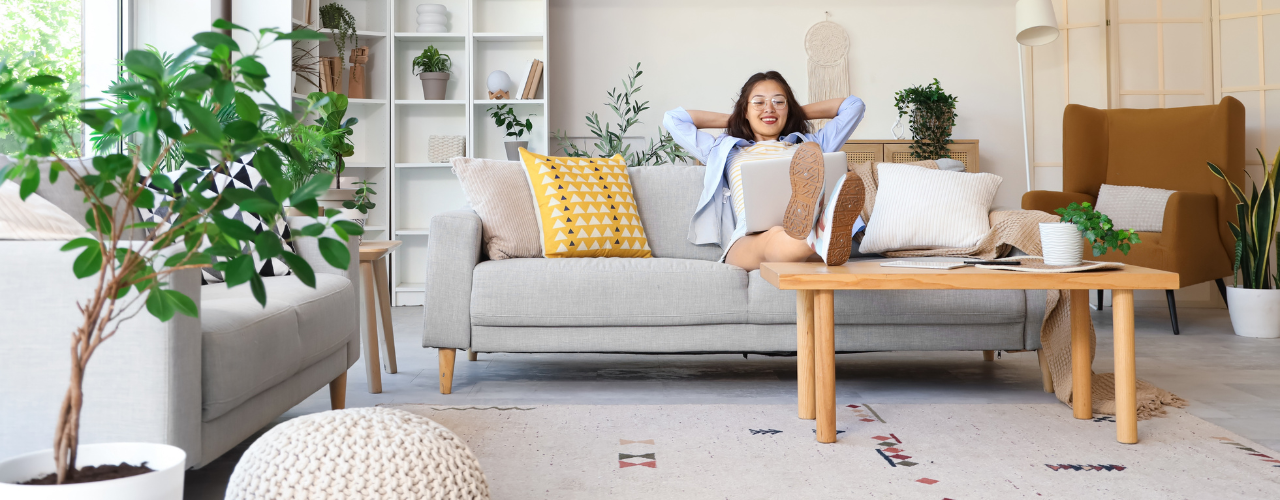
Best U.S. Cities to Live Uncluttered: Plano, TX, Offers the Most Room to Breathe
Clutter is in our homes as much as in our heads. Both are shaped by where we live.
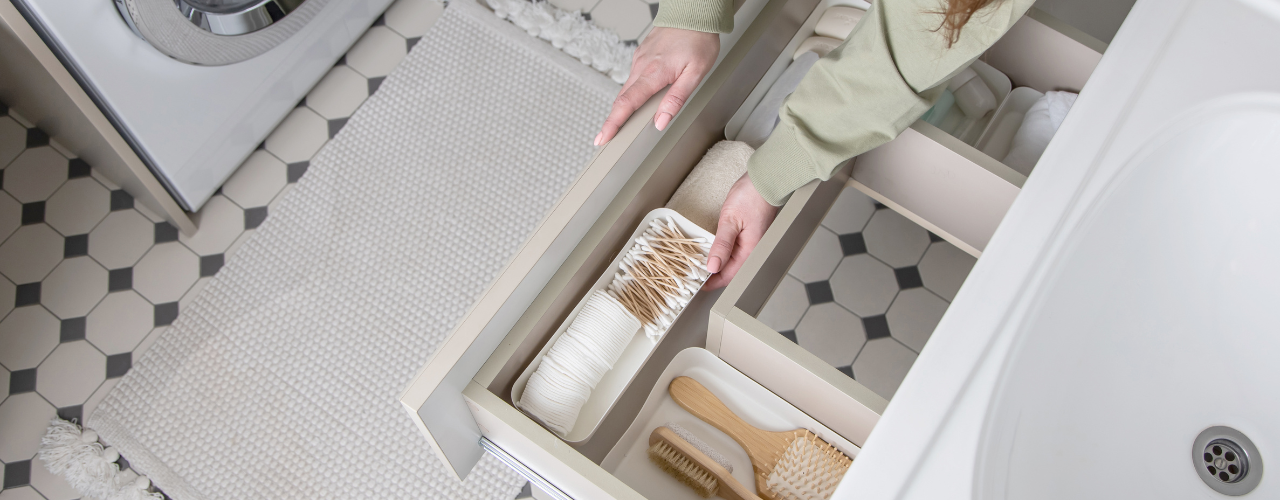
How to Organize Your Bathroom: 8 Ways to Stay Tidy
You already know why an organized bathroom is worth the effort, but let us remind you: it makes rushed mornings easier, keeps counters cleaner and just helps get you in the mood to go through your skincare routine like you should. Plus, in bigger households, it helps everyone find what they need. And you know how much a tidy bathroom counts for your self-esteem when a guest or a partner shows up. Luckily, you don’t need a degree to know how to organize your bathroom. The secret is keeping less, giving every item a home and making that home simple to use. Let’s go through some practical steps can help you create a bathroom that stays functional and nice to look at.

How to Use Silica Gel Packets for Storage
Moisture can cause significant damage to items in storage, leading to rust on tools, mold on clothing and warping in documents. Silica gel uses science to fix that. Often found in small packets inside product packaging, silica gel is a desiccant that absorbs moisture from the air, keeping your stored items dry and protected. This guide explains what silica gel is, how it works and how you can use it to preserve your belongings in self storage.