

Many people find themselves short of space at home, particularly if they share it with family or have had to downsize. And while some things are easy to store around the house, and everybody knows where to find them, you might find that other items are more difficult to place, perhaps because they are eyesores or are very large. For these, renting a unit in a self storage facility can be a good option.
You might be part of the increasing trend for living in a smaller home, which could be a boxy tenement apartment or a perhaps a loft conversion with awkward interior angles. Or you could be a resident in a rowhouse, but the typically compact design can result in a lack of spare storage space, especially if your household is large. Kitchens, bedrooms and less obvious areas can be organized to maximize storage space, keeping the look of the home the way you want it. But some objects are bulky, awkwardly shaped, or simply look unattractive or inappropriate in your home. And then there is the problem of having access to personal transportation when you may not have any outside space. We look at 10 such types of items for which, if you don’t have a roomy attic or a garage handy, a self storage unit can be a good option.
Bicycles promote health, but you might want more than one!
 Bicycling is an increasing popular hobby in the US, with possibilities for both nimble commuting in town and rougher riding in the countryside. Different sorts of bikes are usually used for these two activities and then there are those made specially for racing, and some models can be very expensive. If you live in a small apartment, you may be able to hang one bike on the wall near the entrance door — leaving it in the hallway might be risky — but they are an awkward shape and several would easily take up valuable living space. A 5’x5’ storage unit may be large enough for an enthusiast with bicycles, if the wheels are removed first.
Motorcycles need and deserve good storage
What is true for bicycles is doubly true for motorbikes. And while some riders might love their Harleys so much they could polish them every day, they will occupy space in a home — and don’t even think about taking them up and down stairs! Without a garage, you can throw a motorcycle storage cover over your machine to keep out rain and snow, but this may not prevent harmful moisture and mold building up. Motorcycles need to be kept in the best possible working condition, and self storage comes to the rescue. As they are longer than bicycles and not easily disassembled, a 10’x5’ unit is the minimum size usually required.
Cars… and their spare parts
If you shun the cyclist lifestyle or the glamour of motorbike riding you will probably want a car. A tiny home, however, may have no garage or driveway, and leaving it on the street may be impossible, unsafe, or too expensive in terms of parking fees. Many self storage facilities provide low-cost outdoor parking spaces for vehicles, plus enclosed 10’x20’ units that give extra protection. In addition, mechanics who work on their cars have a lot of (dirty) spare parts and tools that cannot easily be accommodated in a small home. These can be kept in your storage unit — some operators even allow clients to work on their cars at their facilities, so ask around!
Yardwork tools for preparing your outdoor space
 While a tiny home probably won’t have a huge garden, it might have a yard. This could feature a patio or an area of decking, which you will want to clean before people come and sit there after the warm weather has arrived. The best way to clean a wooden outdoor floor is with an electric power washer. Some home-care experts also recommend using an orbit sander on the deck, especially just before periodically resealing the wood to prolong its life and looks. These pieces of equipment can be kept in the home or in a shed — though that would take up valuable yard space. Keeping them in your storage unit could be ideal as you need them so rarely.
Bulk buying saves you money but doesn’t need to crowd your space
We all know the advantages of buying in bulk to save a few bucks. And during these times when hygiene and social distancing have been priorities, making fewer trips to the shops is a good plan. One of the most commonly bulk-purchased items is toilet paper, which can take up a lot of space, and, let’s face it, doesn’t look great stacked up in your living area! Much better to put it in a storage unit if space at home cannot be found out of sight. Other items often bulk-bought include tins of food, perhaps for pets — some storage facilities accept these, especially if climate-control is used to ensure heat won’t rupture them — but dried foods are usually prohibited.
Windsurfing boards just don’t look right in a home!
 How many garages have you seen with surfboards attached to the ceiling? They are not ruining the look of that place too much, but what do you do if you don’t have a garage? Windsurfing boards can be 10’ or more in length and surfboards may be only a couple of feet shorter. If you’re an apartment dweller who loves the ocean waves, you may not have any other place to keep their boards — and they don’t look right stood up next to bookcases or wardrobes of your best clothes! Self storage units are usually 8’ high, so boards can easily be put in there, at a diagonal if necessary, and picked up on the way to the beach.
Carpets and rugs need a change for summer
People often lay carpets and rugs when they first decorate their home and then forget about them. A standard carpet roll with a width of 12 feet is too high to be stacked upright in most homes — and can you imagine where it could lie horizontally without getting in the way? Large carpets may stay put all year round, but you may want to swap out smaller ones and rugs for the summer. This could be because their cozy look and feel doesn’t suit the brighter months or because more dirt is now being brought into the house. If a place cannot be found to store them in the home, your storage unit will no doubt welcome them.
Party equipment: keep it out of the way for next time around
 A cotton candy maker is a wonderful treat at a children’s party, but they are quite bulky, and you might have trouble finding suitable space in a kitchen cupboard — and it won’t be coming out of there very often! Add to this the extra crockery, chairs and toys you might keep for occasional big parties — and maybe even a chocolate fountain or an electric fondue pot — and you can see that putting all the party gear in your storage unit makes sense. Themed parties often require a lot of extra stuff, and the fancy dress clothes can also be put in the unit, with care, until you or somebody you know holds another party with the same theme.
Artworks: don’t let lack of space at home inhibit you
We’re not all blessed with great talent, but everybody should try creating art at least once in their life — despite how embarrassing the results can be! Painting is easily done in a small home, with perhaps a bowl of fruit or a loved one as the subject matter. However, the finished works build up quickly over time and you might be reluctant to get rid of them — Picasso, after all, didn’t even throw his doodles away, and they’re worth some money now! They can be stacked up in a (climate-controlled) storage unit until you decide whether to paint over them or offer them to MoMA. Sculptures, of course, are even more difficult to store (and to make) in a tiny home.
Stuffed animals: don’t have nightmares!
 Not everyone goes hunting, but if you do and you bagged a mule deer buck with a full set of antlers, you might want to put its head on a wall as a trophy. However, this look doesn’t usually suit a small apartment, and even if passersby don’t actually snag their clothes on it, you’d have difficulty matching it with the place’s other décor. Even having your taxidermized childhood pets around the place could be unwise — they might just give your next potential boyfriend/girlfriend the shudders! Instead, they can be kept on shelves in a storage unit, which is climate-controlled to provide damage from humidity, and taken down and dusted when you visit.
Many items which seem hard to place in a home can be put in self storage facilities. All types of vehicles, and the parts and tools associated with them, can be kept there. For things that are needed regularly, a facility close to home, perhaps within walking distance, is recommended. But some items needed for the smooth running of a house are required only once a year, and holiday gear is not required during most seasons, so a good-value facility situated a drive away may well be sufficient. While it might not make sense to rent a locker just to store these items, or for things that are bought in bulk, they can be put into an existing unit and savings will be made. Finally, you might be considering embarking on a new creative hobby, and a storage unit certainly helps keep things that are important to you but which not everybody wants to see around the home!


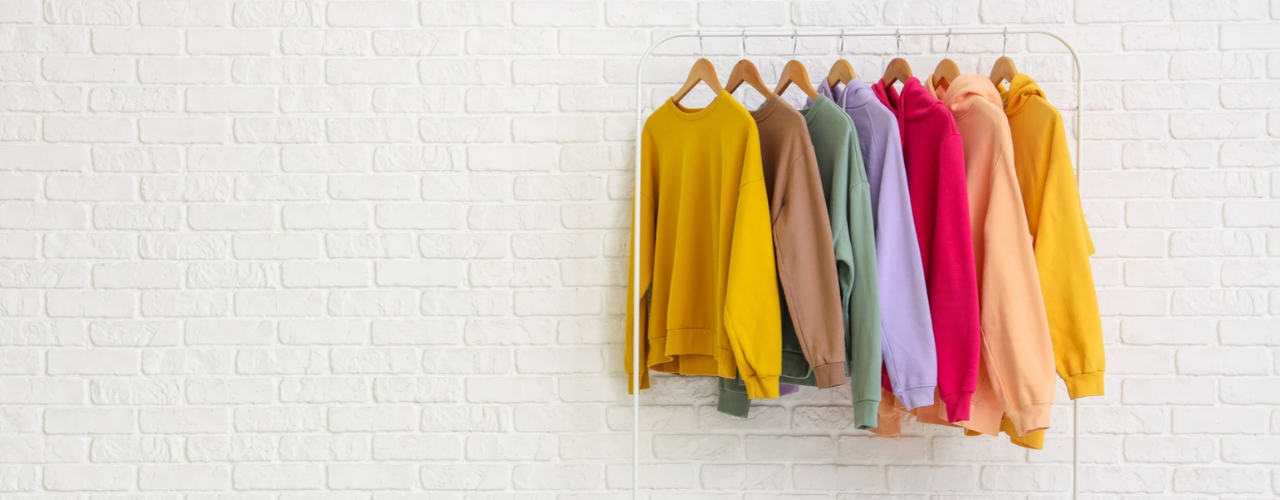
Sweatshirt Storage Ideas Worth Keeping Up Your Sleeve
Sweatshirts are great until you realize how much room they take up. A few thick hoodies can fill a drawer fast, with lighter crewnecks getting squashed underneath or pushed somewhere you forget about. Good sweatshirt storage can make that pile much easier to manage without requiring a bigger closet.
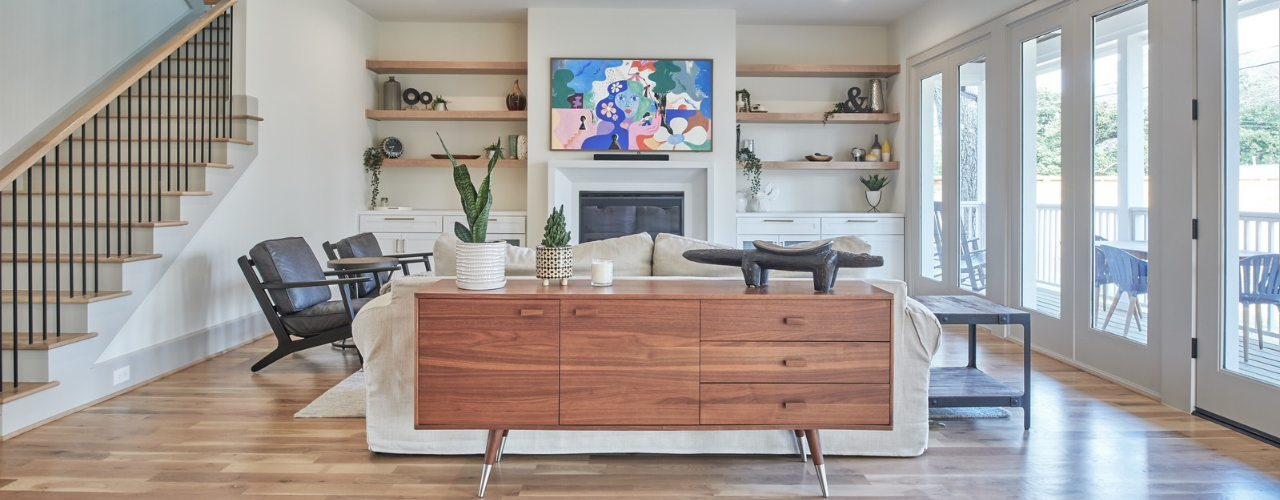
Living Room Storage Ideas: 28 Ways to Reclaim Your Hosting Space
If a living room is where most of a household’s living happens, good storage should be the top priority for setting up or revamping the place. After all, think of how easier it would be to have people over when tidying up the place is just a matter of putting things in their right place (in a time when fewer and fewer people are entertaining friends at home(opens in new tab)). The trick is making room for all those wayward clothes, blankets, chargers and other small things that end up on (or, inexplicably, in) the sofa. Here are 28 living room storage ideas to get you started and make tidying up a quick affair.
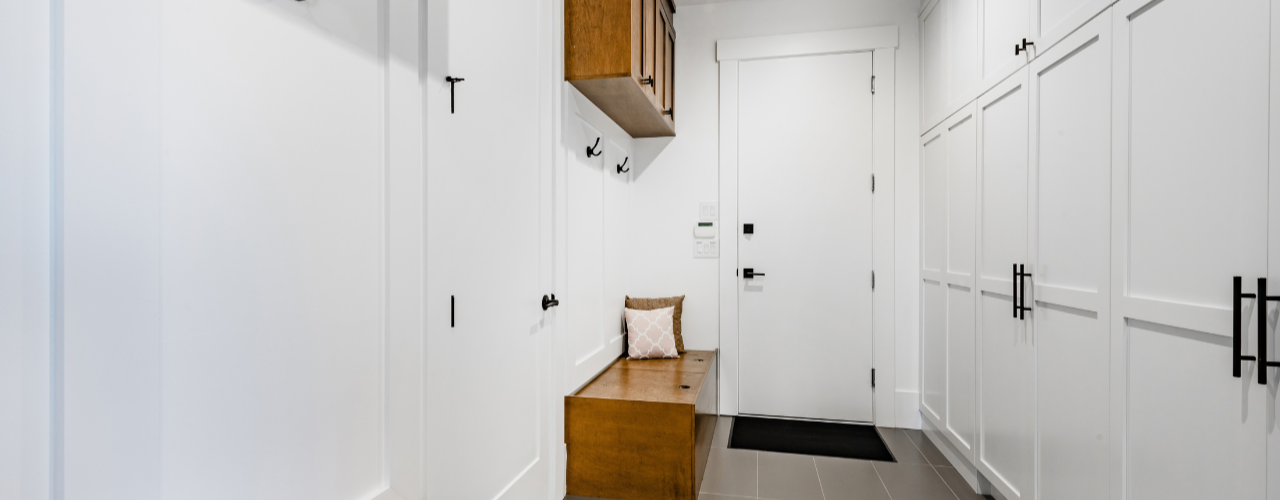
25 Mudroom Storage Ideas (And Mistakes to Avoid)
When you come home with muddy boots, an armful of bags and a coat you can’t wait to take off, it’s nice to have somewhere to put it all. With a mudroom, you can leave the outdoor mess at the door instead of carrying it through the house. Traditionally, you’d set aside a separate room, but you can just as easily use a hallway, an entryway closet, a laundry-room corner or a stretch of wall near the entrance.
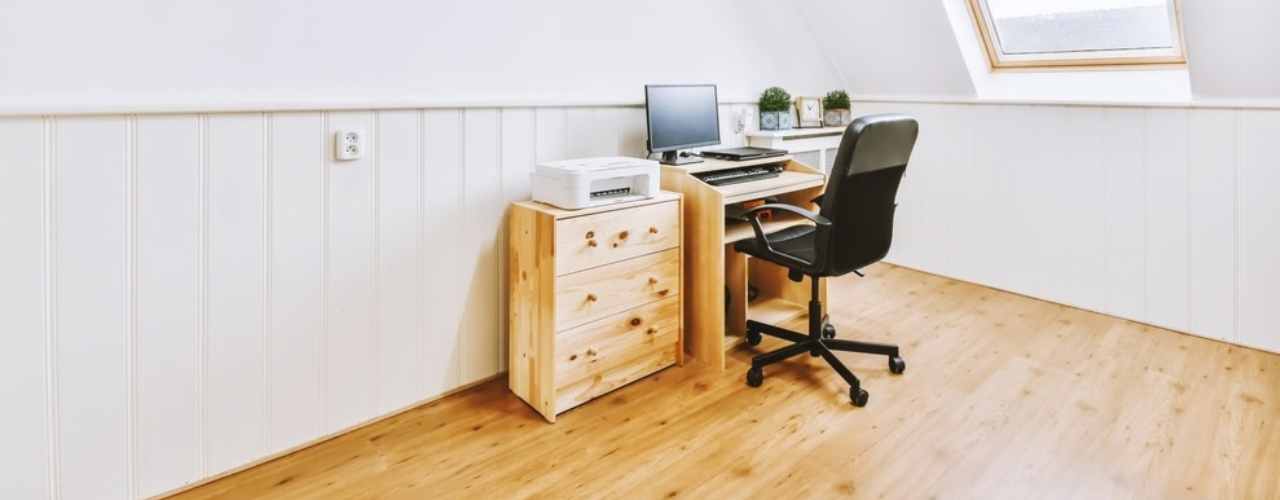
Is Your Home Office Worth the Rent? What Coworking and Self Storage Could Save You
Every square foot of your apartment comes with a price tag, and a home office claims more of them than most renters expect. It starts with a desk. Then come the second monitor, the printer, the filing cabinet and the overflow boxes. Before long, the corner you set aside for work has turned into a small room you are paying for every month.

Best U.S. Cities to Live Uncluttered: Plano, TX, Offers the Most Room to Breathe
Clutter is in our homes as much as in our heads. Both are shaped by where we live.

America’s Top Snowbird Destinations for 2026–2027: Florida Leads in Numbers, Texas Wins on Value
For Americans living in colder states, the approach of winter is reason enough to start looking south. Cold weather carries costs that go beyond the heating bill and shoveling snow. Seasonal affective disorder(opens in new tab) is far more prevalent in northern states, so a temporary move south isn’t simply an escape from the cold, but a chance to spend the hardest stretch of winter outdoors and in the sun.
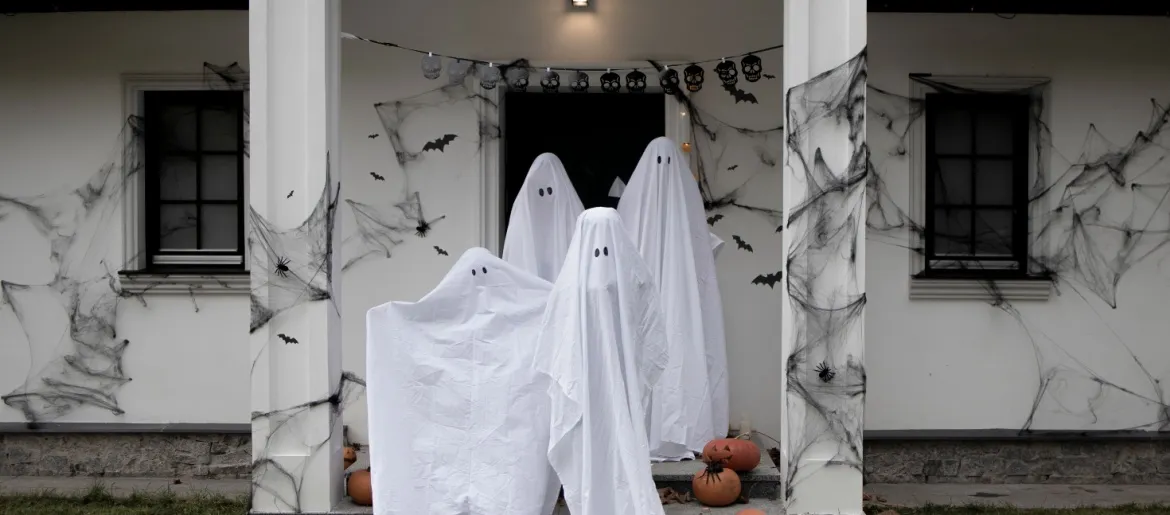
How Much Does Halloween Really Cost in 2026? Plan Wisely to Avoid the Scare of Hidden Costs
Americans’ love for Halloween is almost frightening — this year alone, we are on our way to spending $13.5 billion, according to data from the National Retail Federation(opens in new tab). That breaks down to about $115 Halloween costs per person, a whopping 49% more than 10 years ago.
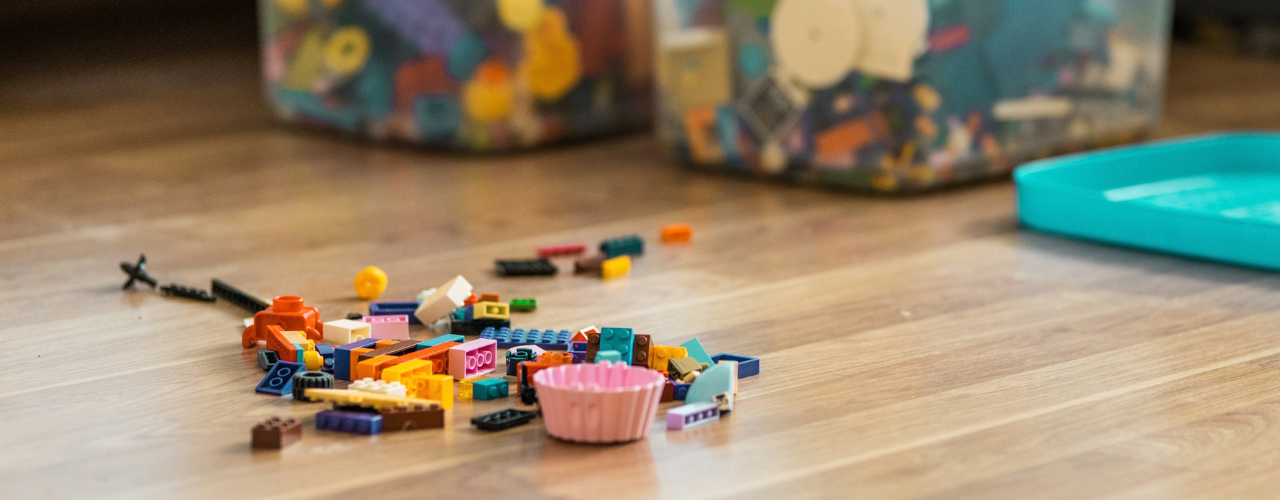
How to Store LEGOs: All the Fun, None of the Clutter
How to store LEGOs largely comes down to how your household uses them. If the bricks are part of everyday play, you need a setup that keeps them within easy reach and makes cleanup quick (for your feet’s sake, at least). Toy storage(opens in new tab) such as simple bins, playmats or containers that children can put away themselves may be enough. Larger or more serious collections usually need more organization, such as labelled drawers for loose pieces, trays for unfinished builds, shelves for completed models and separate storage for retired sets.
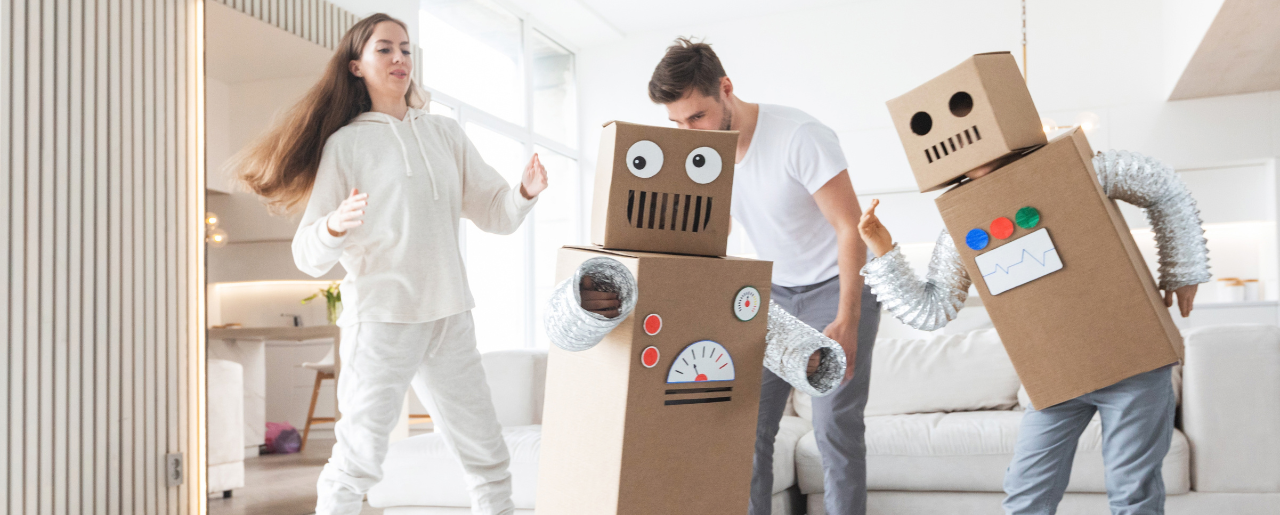
Cardboard Costume Guide: Tips and Ideas for a DIY Halloween
Whether for kids or adults, cardboard costume ideas often make the biggest splash once materialized, and that’s for a simple reason: doing a lot with a little is a universally impressive feat (especially in this economy). If you don’t have enough boxes you could temporarily repurpose, don’t worry! There are many places where you can find free moving boxes(opens in new tab), from stores and supermarkets to online groups and recycling drop-off spots. On the run? Try your luck at a self storage(opens in new tab) facility that sells moving supplies, often for cheap. This way, you can choose moving boxes of different shapes and sizes(opens in new tab), so you can make your costumes as complex as you want.