

If you are retiring, you have some exciting decisions to make! After finding the ideal place to spend your golden years, you will need to move your stuff there, including your vehicles. And, as your retirement destination is perhaps the last place you will ever move to, you will want to do it right.
While you might feel confident about driving your car or RV there yourself, think twice if it’s a long distance or you’d have to make the trip many times — retirees are not as young as they used to be! Calling in the professionals can be the answer, bringing the necessary experience plus a wide range of equipment and personnel. Make sure to look around to find the price and transportation options that are ideal for you.
Retirees’ cars, RVs, bikes & golf carts can all be transported
Like everybody else, most retirees will have a sedan, station wagon or crossover SUV they use daily. Unless you need it immediately upon arrival at the new destination, get this car delivered as cheaply as possible on a transporter. The cost of this will depend to an extent on the length of the vehicle.
RVing is trending, and the vehicles can be dispatched more leisurely as they may not be needed until a certain season arrives. To avoid one road trip you never really dreamed of making — across country to your retirement paradise — get your motorhome transported. It can be towed, put on a flatbed truck, or driven there by a professional.
But will other vehicles be needed in your new location? Old bikers never die, and your hog won’t take up much space on a vehicle transporter. Well-maintained golf carts can still be worth a few thousand dollars — some companies specialize in conveying them — and you also might own an ATV or two. Then there is the Corvette you had your first dates in and could never bear to throw out!.
Retirees with mechanical skills might have cars which are not yet roadworthy — that old vintage model you are working on may not quite be up and running yet! However, it can be hauled without any problem, and in a transporter it will not need registration documents or license plates.
Vehicle transportation options: drive, tow or haul
Getting your vehicles moved efficiently to your retirement destination will take a great weight off your mind, and this is even more true if you choose the most appropriate transportation service for each. Track down the cheapest option for the family sedan, but budget more for larger, older and more valuable vehicles that need a service providing maximum protection against potential damage.
Driving the vehicle yourself saves money but can be stressful
You can, of course, drive a vehicle yourself to your new location. But a long-distance move could be tiring for a retiree — especially if you are the sole driver or have to make trips with several vehicles. Also, the expense of overnight stays on route soon mounts up — comfortable roadside motels can cost up to $100 a night.
While eight or nine hours is often the recommended maximum time spent driving per day, most retirees should aim for a lot less — in fact, it is said that elderly people tend to carry on driving up to 10 years longer than they ought to! Another option is simply letting a trusted professional drive your car to your new home.
Professional auto shipping: choose ‘open’ or ‘enclosed’
With ‘open’ shipping, you put your vehicle with others on a trailer — the large ones with two decks take up to 10 cars and are the standard, good-value service for long distances. Alternatively, a single-level transporter is the way to move a large motorhome, truck or boat — or from four to six cars. For transporting a single very valuable vehicle, a ‘hotshot’ trailer offers a custom-made and faster service but inevitably costs more.
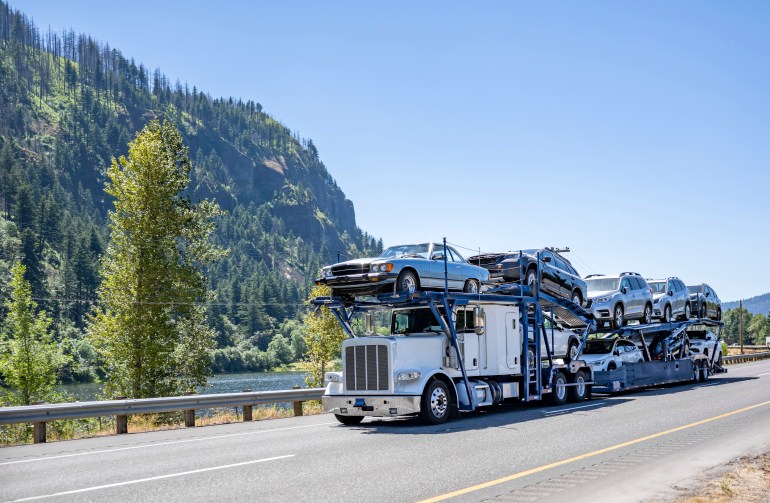
The alternative is ‘enclosed’ transport, where cars are put inside a large truck. The greater protection ensures bodywork is not impacted by the weather, flying gravel or any other on-route hazards. Half a dozen vehicles might be shipped at a time, but the level is safety is high. The service is preferred for valuable and collectable cars, and also for motorcycles, which are susceptible to damage from winds encountered on open trailers.
Awkward locations can require extra time and expense
Auto transportation companies can generally ship vehicles all across the contiguous US, but Hawaii and Alaska are special cases. Some companies won’t ship to one or the other — or both — and if they do, it will certainly incur higher costs and take more time.
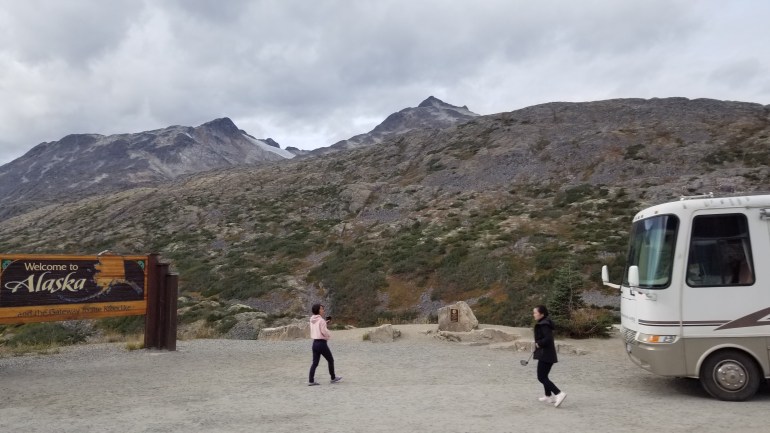
Wherever you move to, getting your car delivered to your door is desirable and is often the standard service. However, transport trucks can be up to 80 feet long and may not be able to get physically close to your home. Pick it up instead at an auto-transportation terminal, or possibly a nearby mall, big-box store or another place with a large parking lot.
DIY transportation: flat-tow your car or use a tow dolly
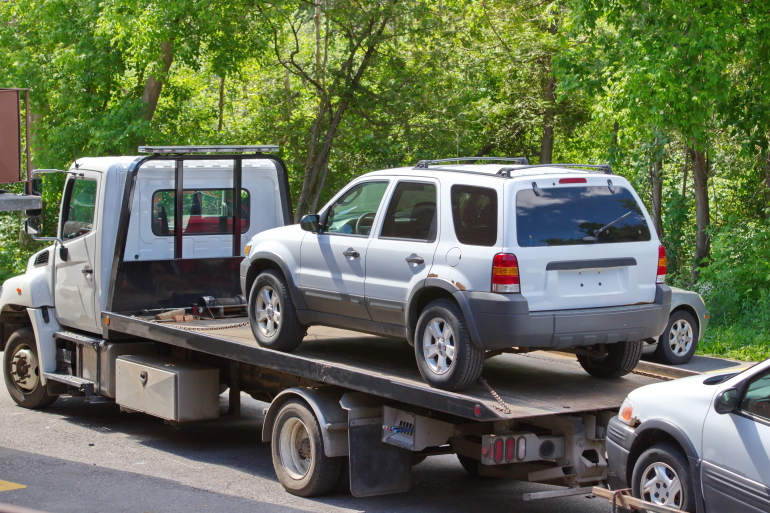
Owning your own trailer requires considerable expense and space. If your vehicle can be put in neutral, manual transmission mode, you can ‘flat tow’ it using a simple tow bar, with all its four wheels staying on the road. Alternatively, put its front wheels on a tow dolly while the rear wheels stay on the road — this works best for front-wheel drive vehicles, while for others the drive shaft should be removed to avoid damage.
This method of transportation requires care and, of course, a suitably powerful towing vehicle. It is mostly used for local moves of around 50-100 miles, perhaps within a city or a county, and for vehicles that have broken down or for other reasons cannot move under their own power. Sometimes a tow truck can both carry a vehicle and tow one behind.
Select the ideal transportation company: carriers vs. brokers
As the cost of transporting a vehicle is not trivial, take time to choose the right company for you. Looking at reviews of competing companies is very worthwhile, and of course worth-of-mouth recommendations can be priceless.
Vehicle transportation companies may be ‘carriers,’ meaning they use they own trucks, or ‘brokers,’ which can look around at a variety of operators to find the ideal solution for moving a vehicle — some companies, in fact, operate as both, which can be ideal, as they might provide a combination of experience and flexibility.
Budget costs: vehicle size, service types & routes
Transportation rates depend not only on a vehicle’s size and weight the type of service chosen but also on the distances to be traveled. Rates often vary between $.58/mile for long-distances (over 1,500 miles), up to $2 per mile for short distances (up to 500 miles), and around halfway between these figures for medium distances.
Additional factors affecting cost include how much driving will be on major highways or in rural areas, and also on the time of year, as demand for the service can vary seasonally. Enclosed transportation can be around 50% higher than open transportation. On the plus side, if you are a retiree who is also a veteran, you may be offered discounts.
Consider extra services: faster & more precise deliveries
You could opt for ‘express shipping’ if you will need your wheels in a hurry at your new home — perhaps reducing delivery time from a week or more to a day or two — but expect to pay as much as a third more for this service.
To be sure the vehicles arrive on a particular day, you could also pay extra for ‘guaranteed shipping.’ This could be the best option to choose if you are buying a vehicle from an auction and so you are not flexible on dates.

Preparing a vehicle for transportation: wash & make drivable
If a vehicle will be transported as ‘drivable,’ all its parts must be in fully working order. Check the condition of the battery, fluid systems and tires and disconnect any alarms. The moving company may specify how much gas should be in the tank — perhaps between a quarter and halfway full.
Cleaning the vehicle both inside and out is important to identify any issues ahead of the shipping inspections. Remove not only all personal belongings but also detachable items such as antennas, roof racks and exterior tire covers.

Required paperwork: shipping inspections & insurance
Transporting a vehicle involves a little paperwork, but the professionals can help. Their shipping inspections will log any damage, legally covering both themselves and clients in anticipation of later claims, but to be doubly sure you might also like to carry out your own — first find out if the company will sign off on them.
For maximum peace of mind, check out the ‘carriers insurance’ the company you choose provides, which should be up to the full value of the vehicle. Some customers also like to retain their regular vehicle insurance, as certain natural hazards may be usefully covered by this.

Utilize self storage to assist vehicle transportation
Until you can build a garage or a car port at your new location — or until you find out how the local HOA feels about seeing your RV parked on the driveway! — look into keeping it at a nearby self storage facility. It will be secure there either outside under a roof or in an indoor garage-sized unit for maximum protection against the weather.
If you are a gearhead who refuses to quit, consider transporting your Mustang to a 10’x20’ storage unit near your new home and then see whether you can bear to live without it or not — pack the Harley off to a 5’x10’ unit. If you are part of the RVing trend, you might need a 10’x30’ self storage unit with a ceiling higher than the usual 8’.
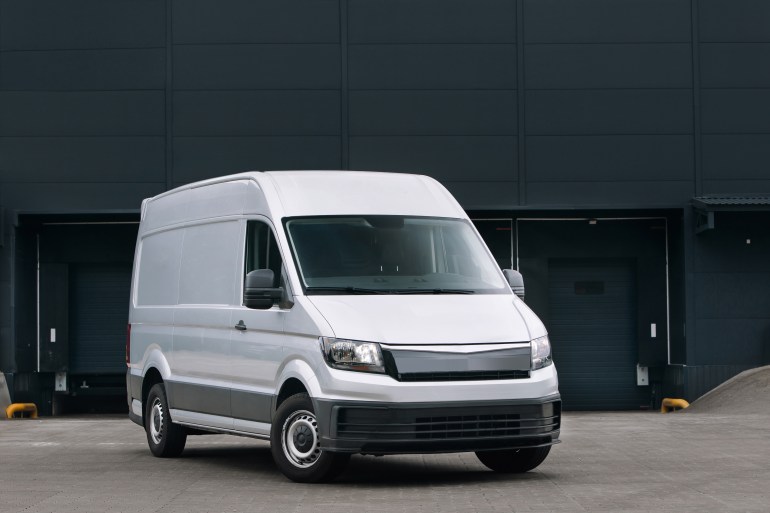
Retirees have many options when moving their cars to their dream destination. Driving them there could be challenging, so employing professionals to do the job is always worth considering. And they don’t have to give up their fun vehicles, so bikers and golfers can carry on with their passions. The range of services and costs offered by auto-transportation companies means that arrangements can be tailor made to whatever vehicles and time frames need to be accommodated. Whether you are going to Florida, Arizona or North Dakota, you take your entire fleet with you and avoid some of the stress that always goes with moving.



How to Store LEGOs: All the Fun, None of the Clutter
How to store LEGOs largely comes down to how your household uses them. If the bricks are part of everyday play, you need a setup that keeps them within easy reach and makes cleanup quick (for your feet’s sake, at least). Toy storage(opens in new tab) such as simple bins, playmats or containers that children can put away themselves may be enough. Larger or more serious collections usually need more organization, such as labelled drawers for loose pieces, trays for unfinished builds, shelves for completed models and separate storage for retired sets.

Cardboard Costume Guide: Tips and Ideas for a DIY Halloween
Whether for kids or adults, cardboard costume ideas often make the biggest splash once materialized, and that’s for a simple reason: doing a lot with a little is a universally impressive feat (especially in this economy). If you don’t have enough boxes you could temporarily repurpose, don’t worry! There are many places where you can find free moving boxes(opens in new tab), from stores and supermarkets to online groups and recycling drop-off spots. On the run? Try your luck at a self storage(opens in new tab) facility that sells moving supplies, often for cheap. This way, you can choose moving boxes of different shapes and sizes(opens in new tab), so you can make your costumes as complex as you want.

How to Celebrate Halloween: 9 Non-Spooky Ways To Enjoy It
As soon as October starts, it’s the official Halloween month. And while for many people it means it’s open season to get the scare of a lifetime, others, especially families with small children, might prefer to celebrate in a tamer way that’s both kid- and adult-friendly. While you’re likely to find more events where the spook factor is high, here’s how to celebrate Halloween in a not-so-scary way:

Motorcycle Storage Guide: How to Store Your Bike Safely
Motorcycles may be born to be wild, but eventually even the wild ones need somewhere to park. Whether riding season is winding down or your current living situation comes with plenty of square footage for you and less for your bike, motorcycle storage is one of those parts of ownership that doesn’t get as much airtime as the open road.

Halloween Decorating on a Budget (And Cheap Ideas for Everything Elsee)
Halloween has crept a long way from its eerie origins. While All Hallows’ Eve has transformed through the centuries, it wasn’t until the 1930s that trick-or-treating became a tradition in the U.S. and businesses began conjuring up mass-produced Halloween costumes. Now, Halloween is a monster-sized, billion-dollar industry, with a cauldron full of costumes and decorations ranging from the mainstream to the macabre. But is it all really worth your wallet? Maybe, but we’ll let you in on a little secret: You can keep your Halloween decorating on a budget and save on everything else, too. Take this plan and see it through!

Moving From a House to an Apartment: What to Expect, How to Downsize & How Self Storage Helps
For some, moving from a house to an apartment is a financial decision. For others, it’s about simplifying life. Maybe the kids have moved out and half the house sits empty, or you’re approaching retirement and no longer want to spend weekends on repairs. Or perhaps you’ve been weighing the cost of buying a home and wondering whether renting simply makes more sense right now.

Family Heirlooms Overload: How to Handle Family Inheritance Without Regret
Handling family heirlooms after a loss requires managing legal authority, emotional pressure and practical logistics at the same time, and the order you take them on matters more than most people expect.

Blanket Storage: The Right Method for Every Space and Season
Blankets make our lives cozier, and storing them well is what keeps them soft and comfortable in the long run. Knowing how to store a blanket properly means your favorites come out of storage smelling fresh, feeling the same as when they went in, and lasting years longer than they otherwise would.

Board Game Storage Ideas That Keep Your Collection in Fighting Shape
Nobody warns you that getting into board games usually unlocks a second hobby, the much dreaded one that includes figuring out where on earth to put them. One game becomes a few, expansions start spawning beside their base boxes and before long, board game storage requires as much strategy as whatever is waiting on the other side of those lids.