

The word “vintage” can simply mean old. It can refer to a particular time period, or it can just mean used, recycled, or repurposed. If you’re looking to update your home to add a vintage feel, remember the homes of yesteryear. They tended to be a bit smaller, and everything in them needed to have a function. Here’s a quick guide to get you started on vintage home decor.
1. Look for multi-purpose items
Keep an eye out for things that can have a second purpose. A flat-topped blanket chest can be a terrific storage container. With a cushion, it’s a bench. Simple cotton kitchen towels become decorative items with a bit of embroidery.
Photos on the wall become history. Books on the shelf are decoration, reference, and entertainment. While many decorative items of today are mass-produced and easy to get, in the not-too-distant past, every object in the home was crafted by hand. From cuckoo clocks to ornate mirrors, vintage style means that even decorative items need more than one purpose.
2. Avoid matching sets
There’s nothing more modern than a chair, loveseat, and sofa that all match. With the vintage design, you’re free of this limitation. If you love your wooden rocker, put it beside your grey wing-back armchair and your rose footstool. Add a patchwork quilt to the space to bring the colors together.
To that end, make sure that your decorative choices leave some room to rest the eye. For example, potpourri in a jar with a lace cover will scent the room and look pretty. A jar of seashells beside the potpourri may turn into clutter if the table or shelf is too small. Don’t put out more items than you can keep tidy, and try not to fill up every flat space. Leave some visual rest.
3. Use recycled items
Visit second hand and junk stores for items to put to use in your home. A single antique plate can be a lovely fruit dish on your counter or kitchen table. One pretty casserole dish can make putting dinner on the table a treat.
When shopping for recycled items, make sure you have a location for what you buy. The mindset of “I’ll use it sometime” can turn your home into a cluttered mess. Additionally, the idea that you’ll use the item in a craft project is exciting, but if you don’t have the tools at home for that project, the skills to make it happen, or the time to do the work, you’ve just added a burden to your current workload. Don’t overbuy when shopping second hand.
Vintage style also plays nicely with other trends you might be exploring at home, from high-ceiling decor that draw the eye upward to simple mid-century décor touches. Thoughtful lighting, statement wood pieces, and a few well-chosen accents can help you mix these influences without losing that cozy, collected feel.
4. Add wainscoting, shiplap, or paneling
If you’ve got an older home and want to increase the vintage look of your space, the addition of wood to your walls is a wonderful way to improve the rustic charm of the space. If you’re working with tall rooms and want high-ceiling decorating ideas for your home, using vertical paneling or taller bookcases with trim can visually balance the height and make the space feel more inviting.

As you experiment, you can also look to some of the largest home décor brands in the U.S. for inspiration on color palettes, finishes, and layouts, then interpret those ideas through a vintage lens with thrifted or second-hand finds.
If you’re not a carpenter, invest in a set of bookshelves that you can add trim to and around. Once the bookcase is in place, paint it and all of the trim to match, but paint the back of the case the same color as the walls. On each shelf, add a pretty decorative item that you love in addition to books. Make sure you use bookends or turn several heavy books to lay flat as a temporary measure.
5. Use self storage as a buffer zone when redecorating
If you are in the middle of repainting, adding paneling, or rearranging furniture, a temporary self storage unit can act as a buffer zone so your home does not turn into a construction warehouse. Instead of stacking extra chairs, boxes of décor, or out‑of‑season textiles in the hallway, you can move them off‑site for a few weeks while you work. That gives you room to see the bones of each room clearly, make better design decisions, and bring back only the vintage pieces that truly fit the updated space, rather than keeping everything just because it is already in the house.
Bottom line
Vintage decor doesn’t mean cluttered or fluffy. The decorative pieces of the past were unique in that they generally had a second purpose. Owning something that was both useful and lovely was something to celebrate, so be ready to display your favorite vintage finds. Buy slowly and with care to avoid a cluttered home.


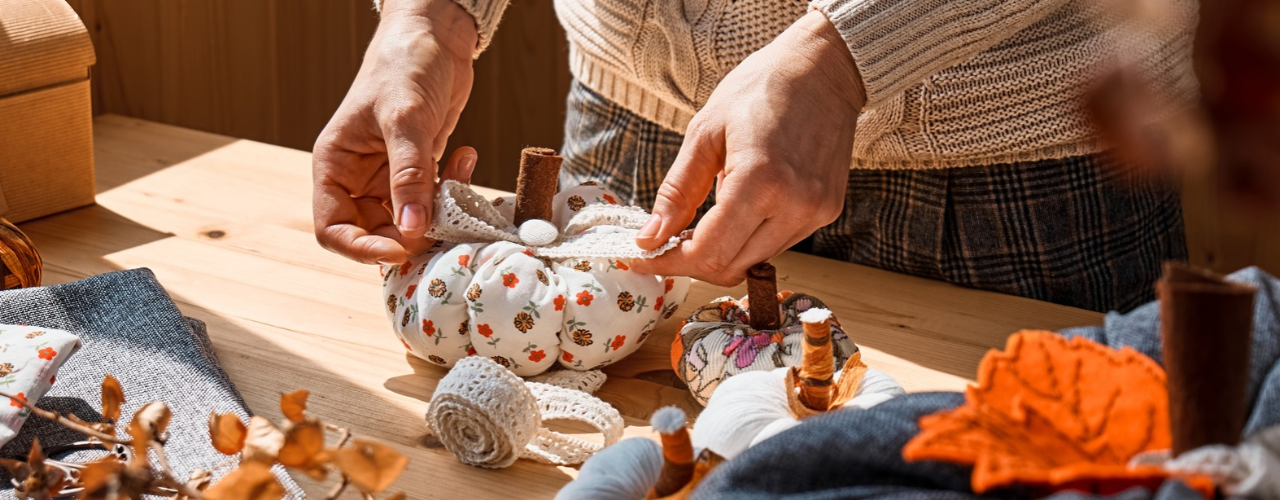
Scary Good DIY Halloween Decorations That Won’t Haunt Your Wallet
A few floating candles in the hallway, a family of ghosts by the front door and a suspicious number of bats climbing up the bedroom wall can make October feel a whole lot spookier. While Halloween stores are full of tempting finds, some of the best DIY Halloween decorations can come from things you already have tucked away in drawers, closets or the recycling bin.
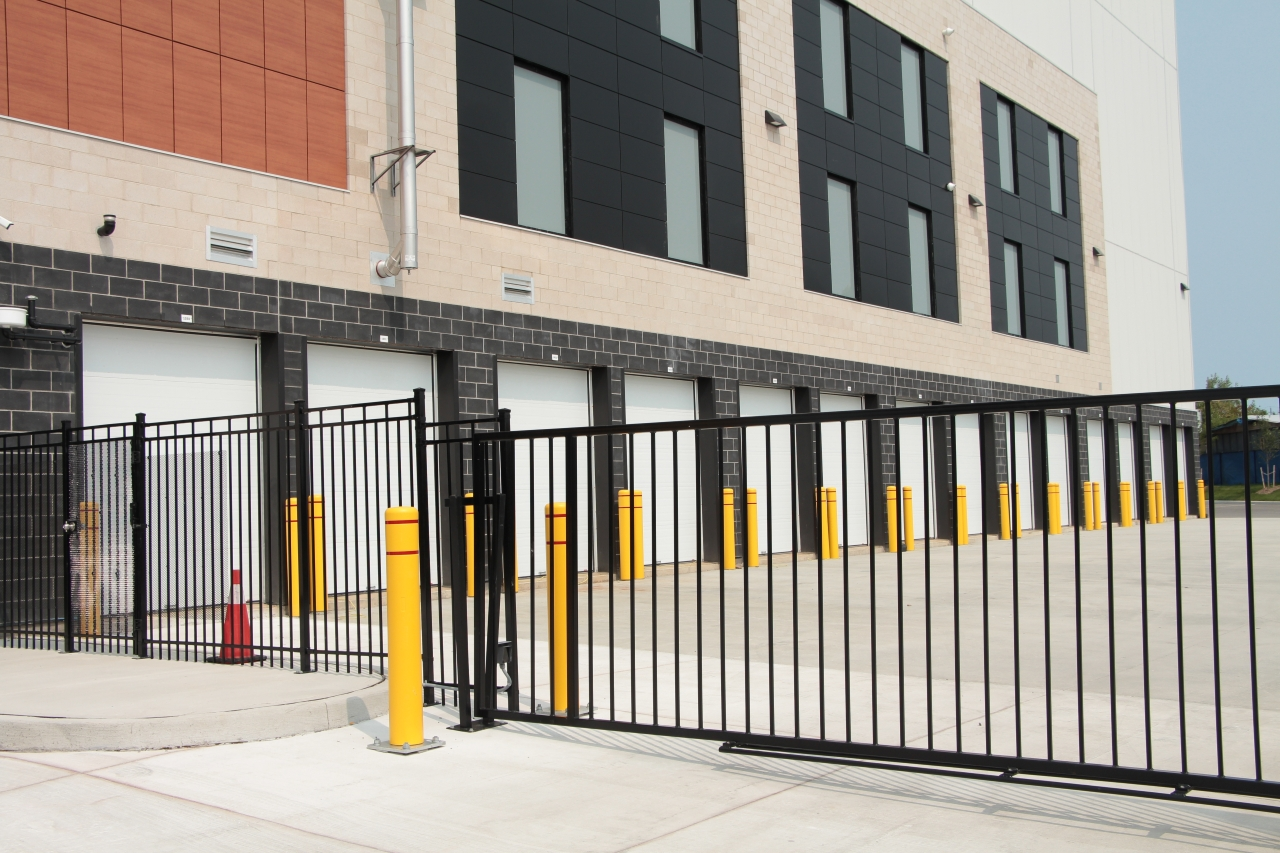
Suburban Giants and Urban Risers: Where America’s 100 Largest Metros Fall on the Self Storage Map
Self storage has long been a suburban story. Across America largest 100 metros, 59% of the inventory built over the past decade sits outside city cores, largely preserving the ratio of the total existing inventory.
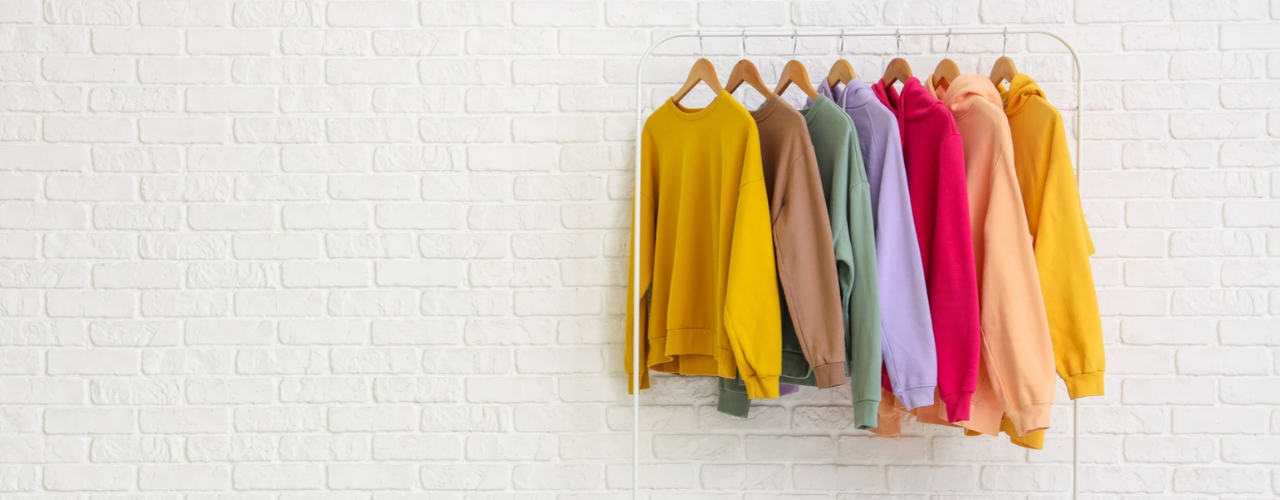
Sweatshirt Storage Ideas Worth Keeping Up Your Sleeve
Sweatshirts are great until you realize how much room they take up. A few thick hoodies can fill a drawer fast, with lighter crewnecks getting squashed underneath or pushed somewhere you forget about. Good sweatshirt storage can make that pile much easier to manage without requiring a bigger closet.
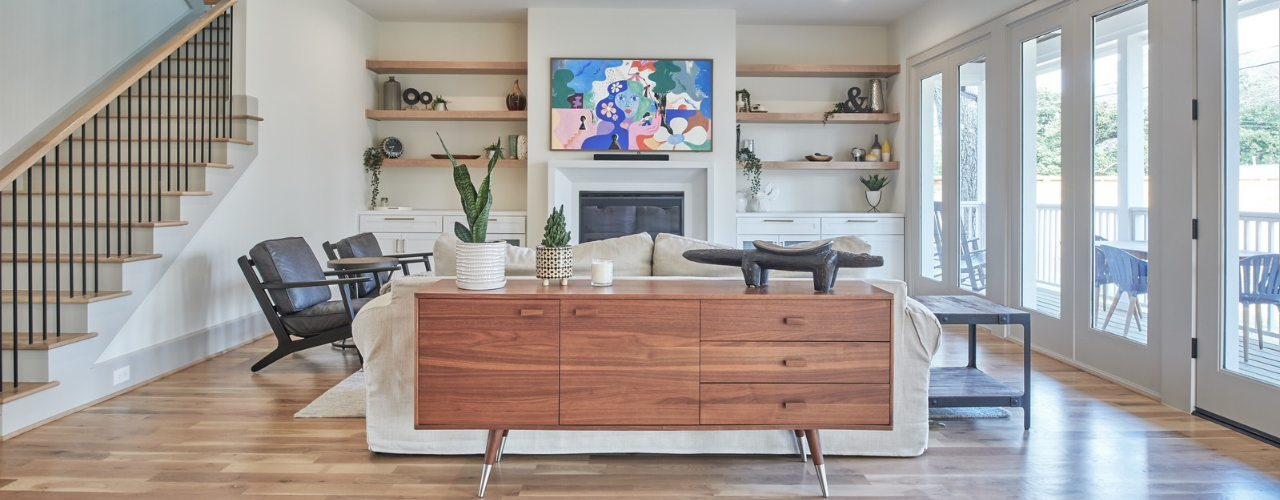
Living Room Storage Ideas: 28 Ways to Reclaim Your Hosting Space
If a living room is where most of a household’s living happens, good storage should be the top priority for setting up or revamping the place. After all, think of how easier it would be to have people over when tidying up the place is just a matter of putting things in their right place (in a time when fewer and fewer people are entertaining friends at home(opens in new tab)). The trick is making room for all those wayward clothes, blankets, chargers and other small things that end up on (or, inexplicably, in) the sofa. Here are 28 living room storage ideas to get you started and make tidying up a quick affair.
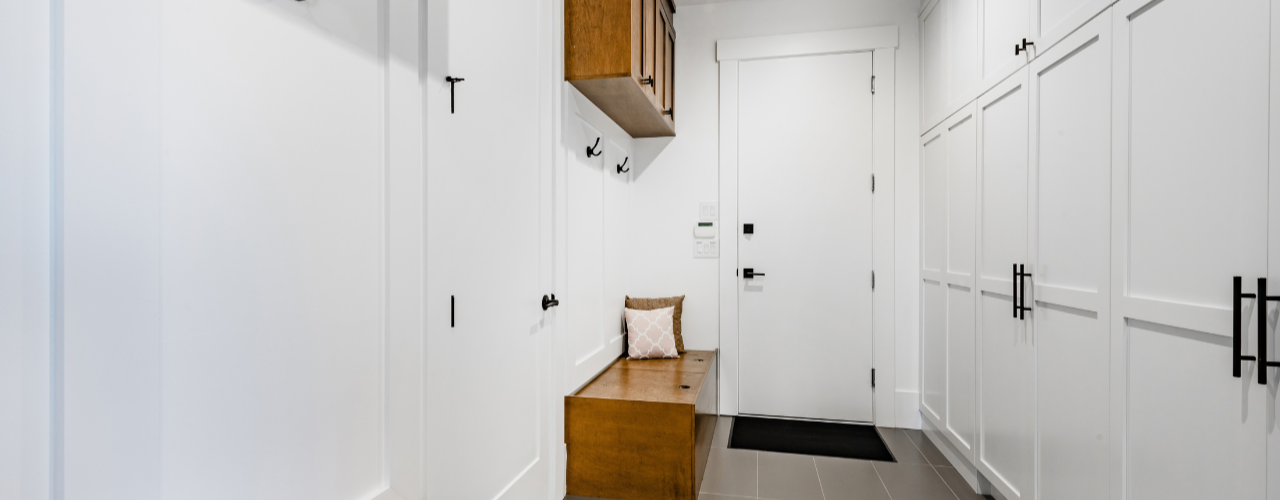
25 Mudroom Storage Ideas (And Mistakes to Avoid)
When you come home with muddy boots, an armful of bags and a coat you can’t wait to take off, it’s nice to have somewhere to put it all. With a mudroom, you can leave the outdoor mess at the door instead of carrying it through the house. Traditionally, you’d set aside a separate room, but you can just as easily use a hallway, an entryway closet, a laundry-room corner or a stretch of wall near the entrance.
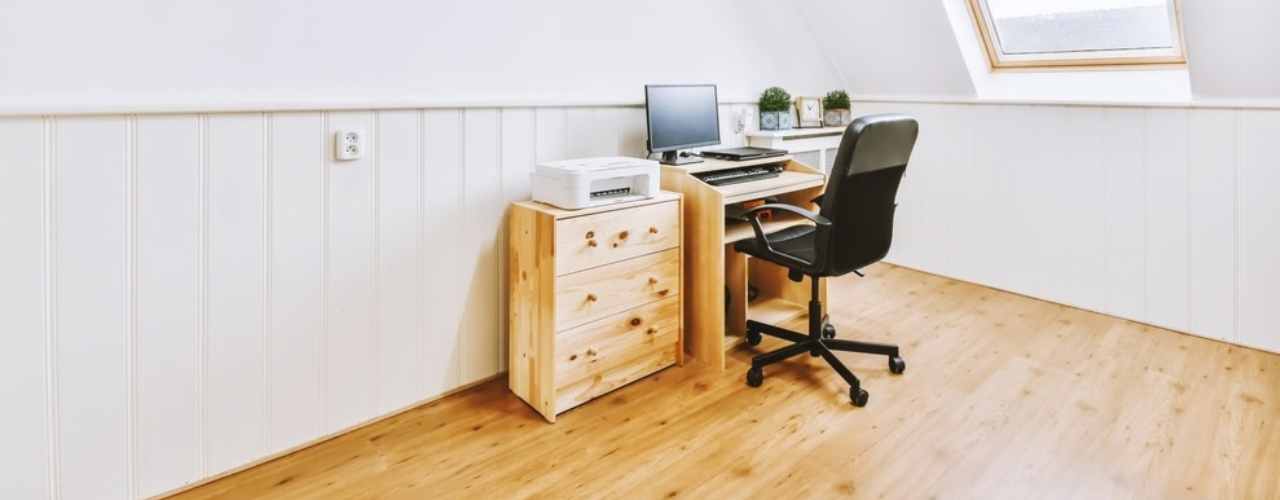
Is Your Home Office Worth the Rent? What Coworking and Self Storage Could Save You
Every square foot of your apartment comes with a price tag, and a home office claims more of them than most renters expect. It starts with a desk. Then come the second monitor, the printer, the filing cabinet and the overflow boxes. Before long, the corner you set aside for work has turned into a small room you are paying for every month.
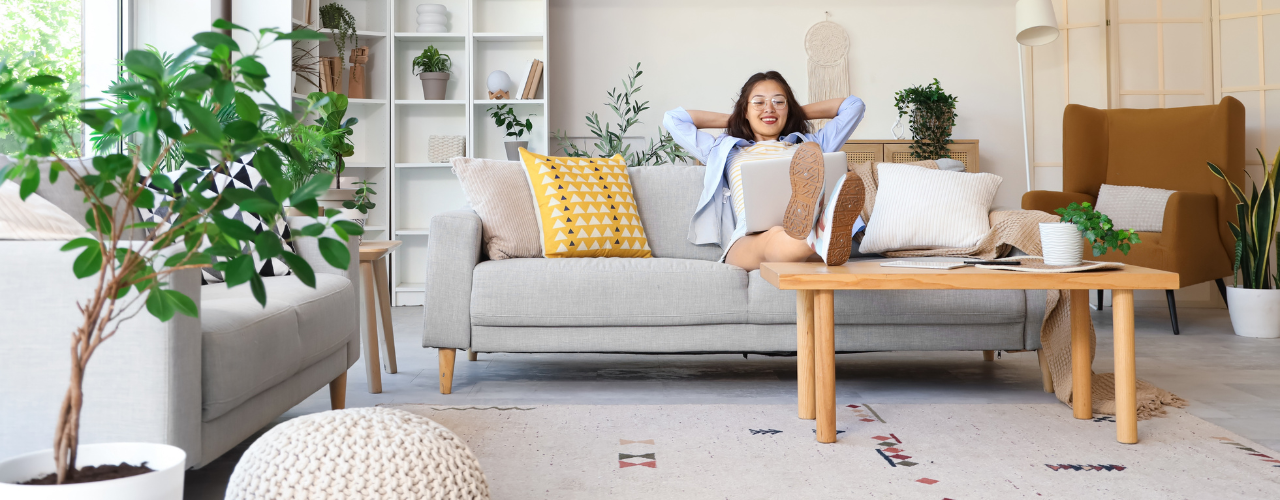
Best U.S. Cities to Live Uncluttered: Plano, TX, Offers the Most Room to Breathe
Clutter is in our homes as much as in our heads. Both are shaped by where we live.

America’s Top Snowbird Destinations for 2026–2027: Florida Leads in Numbers, Texas Wins on Value
For Americans living in colder states, the approach of winter is reason enough to start looking south. Cold weather carries costs that go beyond the heating bill and shoveling snow. Seasonal affective disorder(opens in new tab) is far more prevalent in northern states, so a temporary move south isn’t simply an escape from the cold, but a chance to spend the hardest stretch of winter outdoors and in the sun.
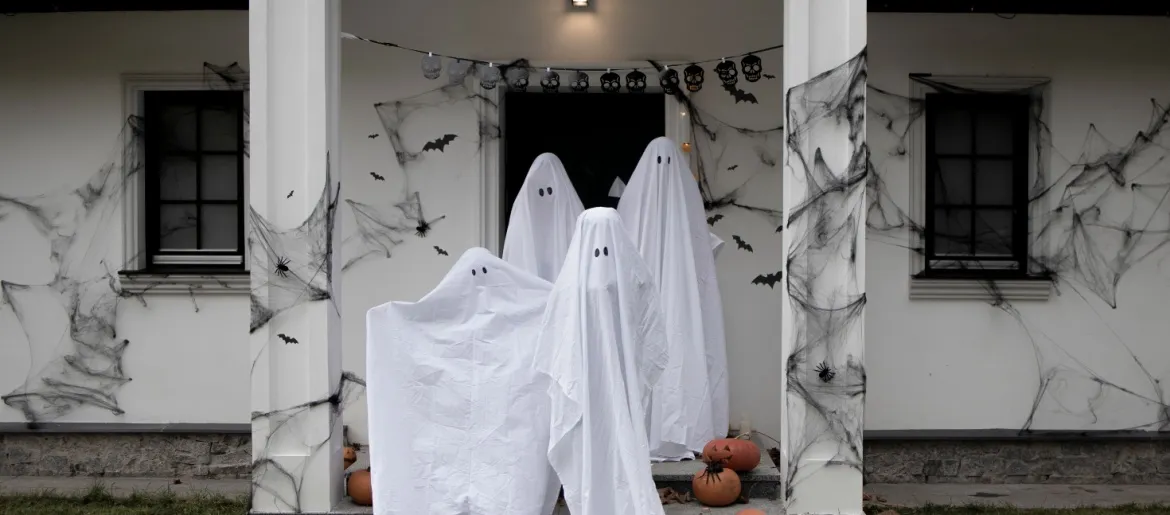
How Much Does Halloween Really Cost in 2026? Plan Wisely to Avoid the Scare of Hidden Costs
Americans’ love for Halloween is almost frightening — this year alone, we are on our way to spending $13.5 billion, according to data from the National Retail Federation(opens in new tab). That breaks down to about $115 Halloween costs per person, a whopping 49% more than 10 years ago.