
Live Large In Phoenix: Young Or Old, Arizonan Or Out-Of-Stater, Urbanite Or Suburbanite

Phoenix, Arizona, has been growing in both size and reputation. And while The Valley has long drawn older people for year-round sunshine, now their secret is out, with younger folk and families also prizing the area’s good cost of living and housing plus the employment and recreational opportunities. But what exactly are the pros and cons of living in Phoenix?
Phoenix and its wider metropolitan area have been winning many plaudits in recent times. With a diverse job market including a sizable high-tech sector and an unemployment rate generally below the national average, it is proving to be a great place for working millennials and families. And homes here, even those with several bedrooms, can be good value compared to those in other parts of the country. If you are considering a move, think about maximizing your life in Metro Phoenix.
Trading a 2-bedroom for a 4-bedroom home: Phoenix is the best value
Home sizes have been shrinking a little in Phoenix. The average house size dropped from 2,553 square feet in 2010 to 2,386 square feet in 2019 — only San Diego, CA, and Denver, CO, saw higher increases. Apartments in Phoenix also dropped a little in size during the same period, from 944 to 869 square feet. However, the latest average is still significantly larger than the equivalent figures in places such as New York, Seattle, San Francisco, Washington DC and Chicago, where the averages are less than 800 square feet.
However, the great news is that you can still live large in Metro Phoenix! Among the nation’s biggest metro areas, The Valley has the lowest home price difference between the costs of 4-bedroom and 2-bedroom homes. The former would have cost an average of $440,300 a year or so ago, while the latter cost an average of $308,200, making moving up to larger home a very attractive option for expanding families in Phoenix. In contrast to this price differential of 43%, Greater St. Louis is at the other end of the spectrum with a 143% difference.
Metro Phoenix has top destinations for both snowbirds and youngsters
As Phoenix weather is famously good when other parts of America are cold, retirees there appreciate the winter warmth and lower bills. The area registers no fewer than seven top-100 top snowbird destinations, equal #1 with California’s Los Angeles metro area. Apache Junction, in the east of Metro Phoenix, ranks best nationally at #5, having a very high provision of seasonal housing and low average residential rents. Staying at one of the area’s many RV campsites is another great option, and space there can be extended year-round by renting a Phoenix climate-controlled self storage unit — they are plentiful and cost below the national average.
In recent times, Phoenix has become a magnet for young people and has been praised as the nation’s best city for millennials and a very good one for jobs. It is no surprise that it recently overtook Philadelphia to become the US’s fifth-largest city. Internet connectivity is excellent throughout the metropolitan area, with the city of Phoenix scoring the #4 spot for internet speed, boosting the employment market, both for regular employees and for those who work from home — the metro has been rated in the top-20 of technologically well-prepared metros.
Phoenix attracts other city dwellers but it’s suburbanites like to stay put!
In addition to a vibrant city center, Metro Phoenix’s satellite cities and suburbs are highly appreciated. In fact, a survey of renter applications demonstrated that the city of Phoenix attracts the fewest newcomers from suburbs, just 23% — by comparison, Columbus, Ohio, is the US city that attracts the most, 77%. Other Arizonan cities are the places that new city-center Phoenicians most often come from, especially Glendale, Scottsdale, Mesa and Tucson. Residents of Phoenix’s suburbs, on the other hand, seem very happy there and do not want to leave!
The list of Phoenix’s finest suburbs includes Desert Ridge, the Biltmore area and parts of Paradise Valley, and then there is the historic downtown Roosevelt Row district. Average home prices in these up-market areas, however, tend to range between $500K and $1M, which is considerably less than in some other exclusive neighborhoods around the nation. In addition, without a car, public transportation in the Phoenix area often costs a lot less than in other major cities — as a proportion of median earnings, about two thirds the cost in New York and Los Angeles, for example.

Phoenix Arizona viewed from South Mountain
Is phoenix a good place to live? The Phoenix metropolitan area backs up its accelerating reputation with figures that prove it is an excellent and cost-effective place to live for people of all ages. It ranks high in many assessments of living conditions and its housing can offer more than other sought-after places can. Whatever your age, profession or household status, can find what you need to live large in Metro Phoenix.


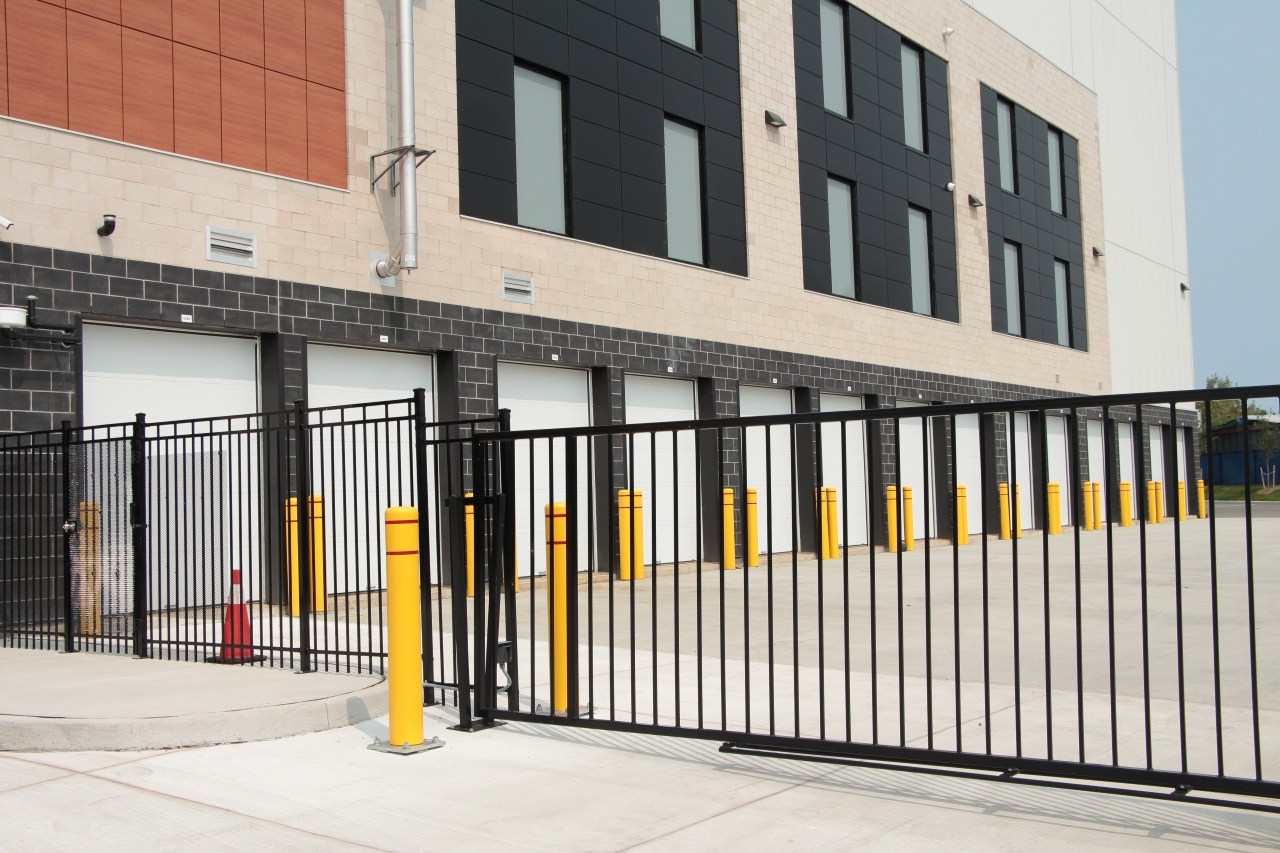
Suburban Giants and Urban Risers: Where America’s 100 Largest Metros Fall on the Self Storage Map
Self storage has long been a suburban story. Across America largest 100 metros, 59% of the inventory built over the past decade sits outside city cores, largely preserving the ratio of the total existing inventory.

Sweatshirt Storage Ideas Worth Keeping Up Your Sleeve
Sweatshirts are great until you realize how much room they take up. A few thick hoodies can fill a drawer fast, with lighter crewnecks getting squashed underneath or pushed somewhere you forget about. Good sweatshirt storage can make that pile much easier to manage without requiring a bigger closet.
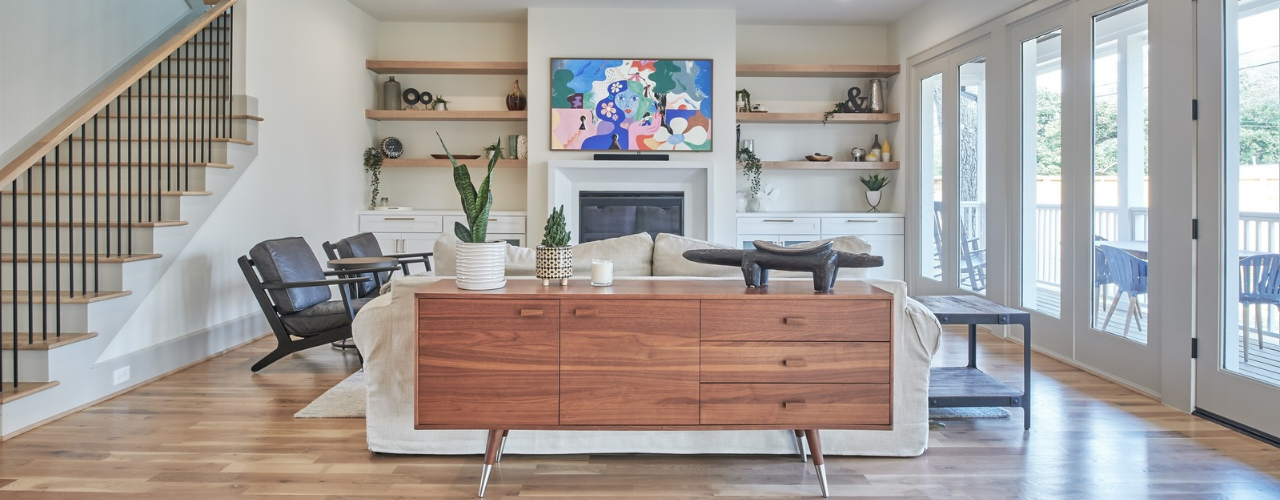
Living Room Storage Ideas: 28 Ways to Reclaim Your Hosting Space
If a living room is where most of a household’s living happens, good storage should be the top priority for setting up or revamping the place. After all, think of how easier it would be to have people over when tidying up the place is just a matter of putting things in their right place (in a time when fewer and fewer people are entertaining friends at home(opens in new tab)). The trick is making room for all those wayward clothes, blankets, chargers and other small things that end up on (or, inexplicably, in) the sofa. Here are 28 living room storage ideas to get you started and make tidying up a quick affair.
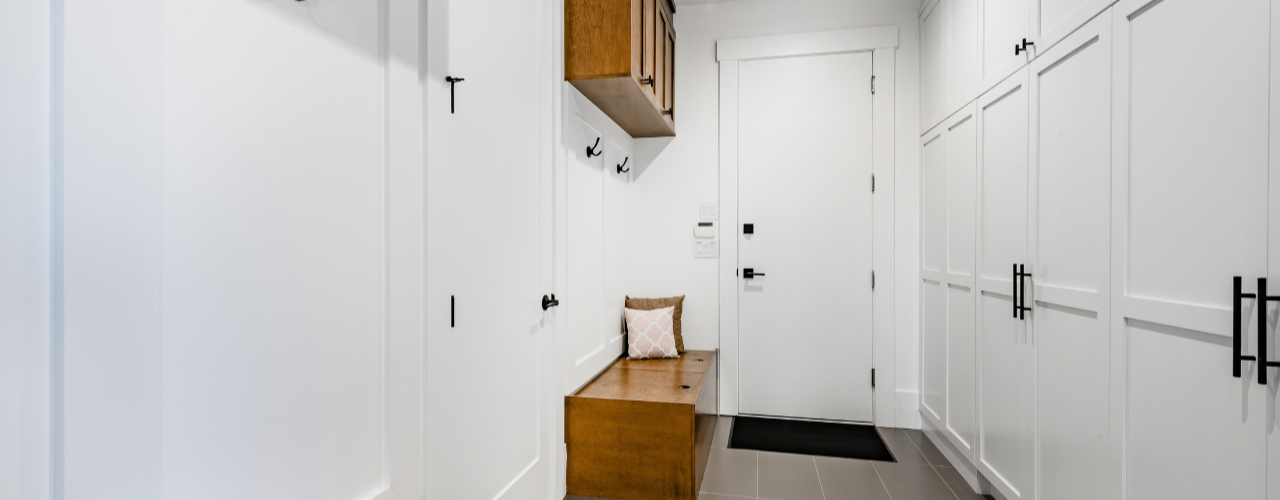
25 Mudroom Storage Ideas (And Mistakes to Avoid)
When you come home with muddy boots, an armful of bags and a coat you can’t wait to take off, it’s nice to have somewhere to put it all. With a mudroom, you can leave the outdoor mess at the door instead of carrying it through the house. Traditionally, you’d set aside a separate room, but you can just as easily use a hallway, an entryway closet, a laundry-room corner or a stretch of wall near the entrance.
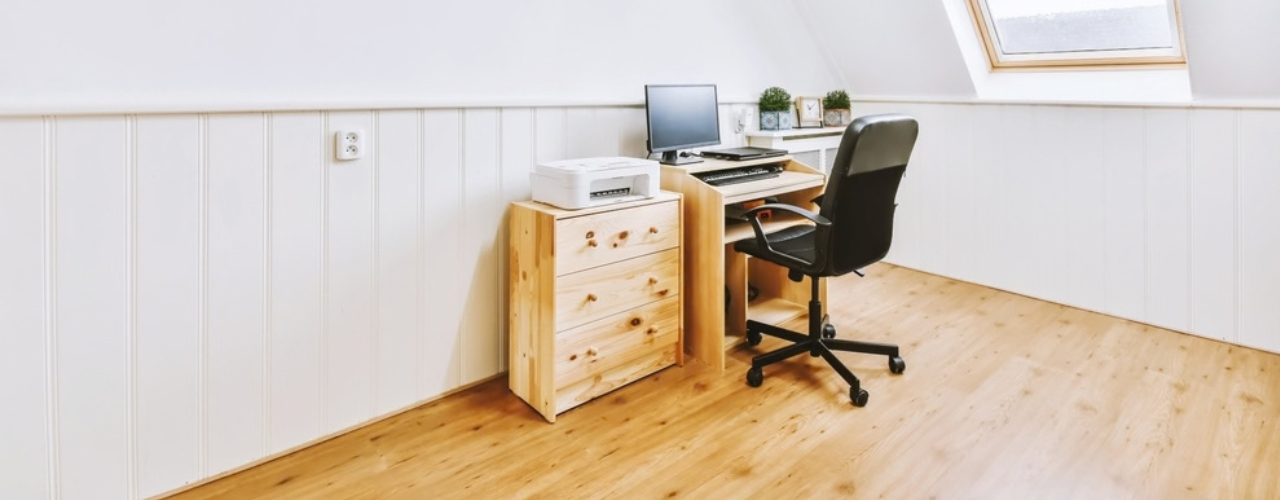
Is Your Home Office Worth the Rent? What Coworking and Self Storage Could Save You
Every square foot of your apartment comes with a price tag, and a home office claims more of them than most renters expect. It starts with a desk. Then come the second monitor, the printer, the filing cabinet and the overflow boxes. Before long, the corner you set aside for work has turned into a small room you are paying for every month.

Best U.S. Cities to Live Uncluttered: Plano, TX, Offers the Most Room to Breathe
Clutter is in our homes as much as in our heads. Both are shaped by where we live.

America’s Top Snowbird Destinations for 2026–2027: Florida Leads in Numbers, Texas Wins on Value
For Americans living in colder states, the approach of winter is reason enough to start looking south. Cold weather carries costs that go beyond the heating bill and shoveling snow. Seasonal affective disorder(opens in new tab) is far more prevalent in northern states, so a temporary move south isn’t simply an escape from the cold, but a chance to spend the hardest stretch of winter outdoors and in the sun.

How Much Does Halloween Really Cost in 2026? Plan Wisely to Avoid the Scare of Hidden Costs
Americans’ love for Halloween is almost frightening — this year alone, we are on our way to spending $13.5 billion, according to data from the National Retail Federation(opens in new tab). That breaks down to about $115 Halloween costs per person, a whopping 49% more than 10 years ago.

How to Store LEGOs: All the Fun, None of the Clutter
How to store LEGOs largely comes down to how your household uses them. If the bricks are part of everyday play, you need a setup that keeps them within easy reach and makes cleanup quick (for your feet’s sake, at least). Toy storage(opens in new tab) such as simple bins, playmats or containers that children can put away themselves may be enough. Larger or more serious collections usually need more organization, such as labelled drawers for loose pieces, trays for unfinished builds, shelves for completed models and separate storage for retired sets.