

Gardening is one of summer’s greatest joys — what can be more relaxing than starting your day in your backyard or on your patio, admiring and caring for your beautiful flowers, herbs or veggies? If you’re like most gardening enthusiasts, you’re always in need of one more planter for the seedlings you just acquired. Why not give some unique and eye-catching containers the DIY touch, not only providing a home for your beloved plants but also injecting a touch of personality and charm into your garden or patio? On top of that, you’ll have the opportunity to upcycle and reuse a variety of items — which is great for the environment and for your wallet as well.
With a dash of imagination, a pinch of resourcefulness and a sprinkle of DIY magic, you can transform ordinary objects into extraordinary planters that captivate both nature lovers and décor enthusiasts alike. Whether you have a sprawling garden or a compact deck or patio, unconventional planters can offer an opportunity to infuse your outdoor space with a sense of wonder and whimsy.
Check out these DIY ideas that will help you embark on a journey of creating planters that reflect your unique personality and add a touch of joy to your green oasis. From repurposed vintage teapots to upcycled rain boots, the possibilities are endless.
1. Old tires
Old tires can have many uses as planters — you can put them flat on the ground and plant flowers in the middle, or you can hang them on a wall and add soil and plants on the inside of the tire. You can even cut them in half and use each half as a planter. Another great thing about tires is that you can easily paint them in bold, colorful colors, adorning your garden even more.

2. Rubber boots
If you’re passionate about gardening, or you simply love strolling in the rain, then you probably have at least a couple of pairs of old, leaky boots. Parents often buy a new pair of rubber boots for each of their kids every year. Don’t throw them away — what could be cuter than an entire “family” of rubber boots holding a bunch of happy, colorful flowers? Pro tip: Old Crocs could also make fun planters for small flowers.

3. Wooden pallets
Wooden pallets hung on your home’s exterior (or, why not, interior) walls are an excellent, sturdy stand for displaying various types of plant containers. If you want to go in full upcycle-DIY mode, paint some empty cans in your favorite color and anchor them to the pallet, as planters, for a rustic décor. However, you can also use some narrow containers hidden on the inside of the pallets for a minimalist vertical garden look.

4. Already broken ceramic pots
Large ceramic planters for your garden are definitely gorgeous, but, unfortunately, they also tend to be pretty expensive. Plus, they break easily. If that happened to you as well, don’t be disappointed, as there are ways to still use them (supposing they didn’t break into a million pieces). If there’s a decently sized piece of the ceramic planter pot that can hold some soil, you can use it as a quaint container for a cute arrangement of succulents or of other types of small flowers.

4. An old chair
A wooden or metal chair can be an original and romantic way of displaying planters in your garden. Whether you remove the seat and replace it with some sort of container for the potting soil and the plants, or you simply place a planter on the seat, the overall effect will be charming. Use trailing flowers like petunias or gardenias for this type of arrangement.

6. Your very own fairy garden
Any type of wide, shallow container you might have at home (an old baking tray, for example) can be turned into a unique fairy garden: You can customize it however you want, but they usually contain small plants (such as succulents) and other small flowers: violas, forget me nots, lobelias, thyme and so on. Adding accessories (miniature toy furniture or pieces of decorative glass or ceramic) will only make it more interesting.

7. Big or small wooden crates
If you can source wooden crates for cheap, or free, do not hesitate! Wooden crates turn into very efficient and nice-looking planters. Small ones can be painted and used as hanging planters for a rustic garden vibe. The large ones are great for container gardening — you can grow all sorts of veggies and herbs in them. Wooden crates are suitable for composting as well: Deposit the veggie scraps from cooking in a crate, alternating with layers of dirt. In time, it all turns into a very rich and nutritious potting soil.

8. Old kitchenware
Teapots, bowls or old pans — you can reuse them all as planters if you want to. After all, what could be cuter and more whimsical than a colorful teapot with marigolds growing out of it? However, don’t forget to punch a hole in the base of your teapot, bowl and so on — if the water doesn’t drain properly, your plants will suffer.

9. High heel shoes
That’s a truly unconventional idea — but why not, after all? If you have shoes too old to wear (or want to get your revenge on a particularly uncomfortable pair), you can totally plant some flowers in them. It’s an accessory bound to attract attention and it’s perfect for a small balcony.

10. Old barrels
Old barrels are sturdy, durable and look adorable — which means they’re perfect as planters. Depending on the size of the barrels, you can cut them in half and use each half as a plant container. Or you can leave them whole and use them for decorative trees like dwarf conifers, rhododendrons, crab apple trees and so on.

What to do with your gardening paraphernalia during the cold season
Your garden looks great now, with its cute, DIY planters and comfy garden furniture — but if you want to enjoy it year after year without spending money each spring on new planters, gardening tools or replacements for broken furniture, you should store your garden-related accessories indoors during winter. From planters and containers to garden furniture, outdoor toys, tools and equipment, all of it can be damaged by rain, snow and frost and defrost cycles. The best way to make sure they’re well protected during the cold season is to rent a self storage unit close to your home. This way, you can protect everything garden-related, prolonging the lifespan of your items and saving money in the long run.
Renting a self storage unit hovers around $127 nationally, with prices going up or down depending on your actual location. A 10’x10’ self storage unit in Houston, Texas, for example, rents for under $100 per month, while the same type of storage unit in Phoenix, Arizona, costs around $112 monthly.
Depending on how much stuff you own, a 5’x10’ storage unit or a 10’x10’ unit should be quite enough. You can use the unit to store other items that you don’t use on a daily basis, including out-of-season clothing, seasonal decorations, children’s toys and furniture, sports equipment and so on, thus keeping your home and your backyard nice, tidy and uncluttered.


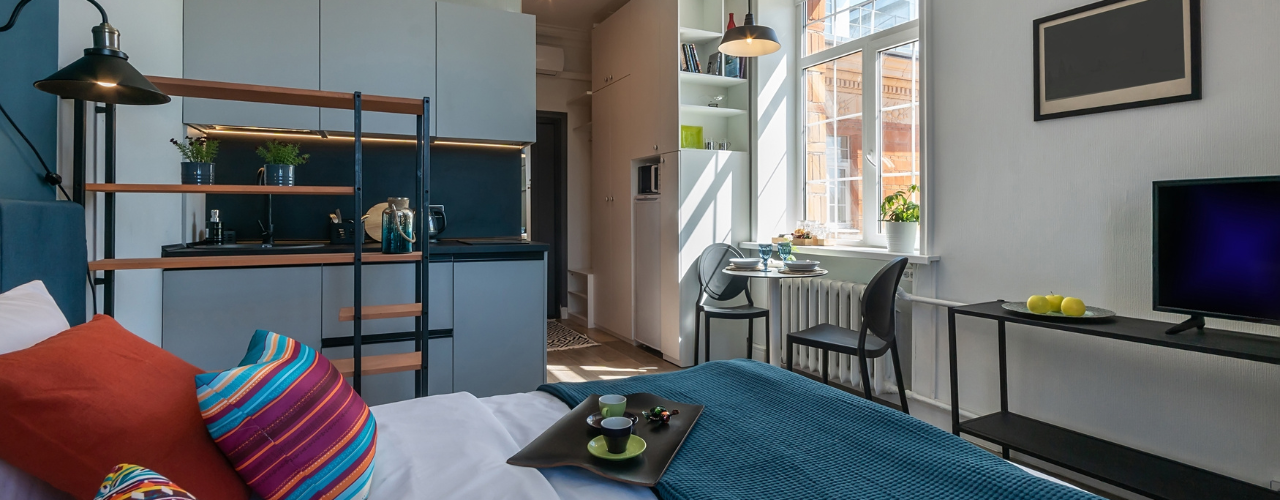
Storage Ideas for Small Spaces: 9 Ways to Max Out Your Home
A messy home contains the seeds of its organization. Those seeds everywhere: the space above doors, under beds, behind sofas and inside furniture can all become storage. Here are the best storage ideas for small spaces, so you can make the most of your cozy home.
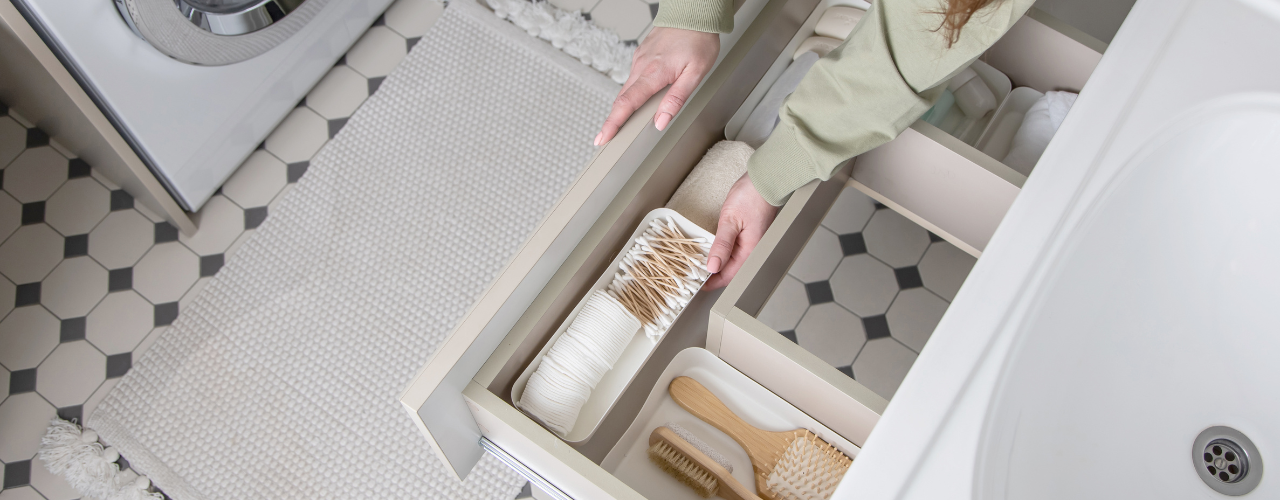
How to Organize Your Bathroom: 8 Ways to Stay Tidy
You already know why an organized bathroom is worth the effort, but let us remind you: it makes rushed mornings easier, keeps counters cleaner and just helps get you in the mood to go through your skincare routine like you should. Plus, in bigger households, it helps everyone find what they need. And you know how much a tidy bathroom counts for your self-esteem when a guest or a partner shows up. Luckily, you don’t need a degree to know how to organize your bathroom. The secret is keeping less, giving every item a home and making that home simple to use. Let’s go through some practical steps can help you create a bathroom that stays functional and nice to look at.
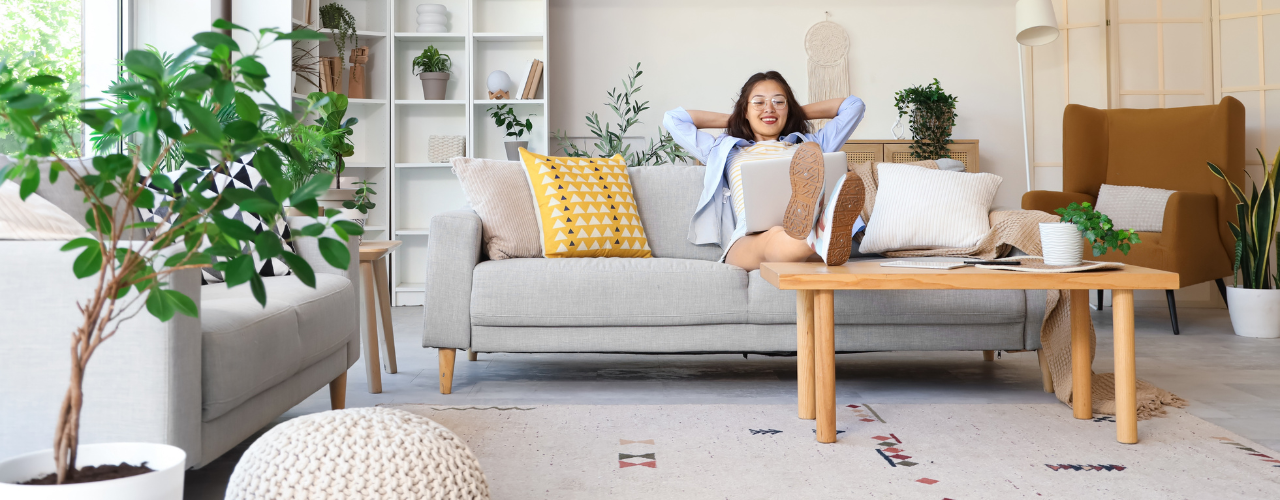
Best U.S. Cities to Live Uncluttered: Plano, TX, Offers the Most Room to Breathe
Clutter is in our homes as much as in our heads. Both are shaped by where we live.
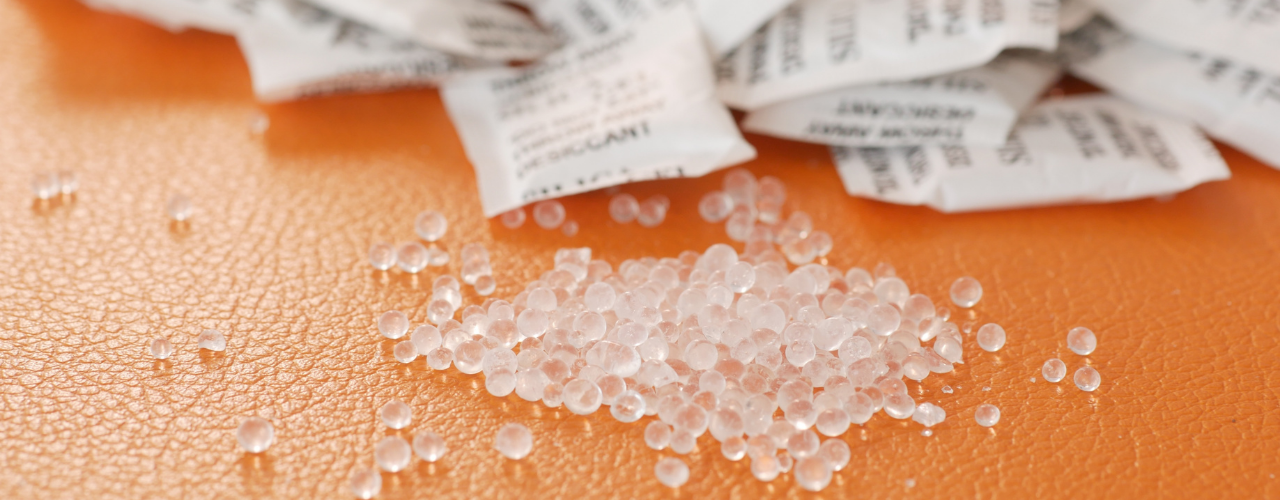
How to Use Silica Gel Packets for Storage
Moisture can cause significant damage to items in storage, leading to rust on tools, mold on clothing and warping in documents. Silica gel uses science to fix that. Often found in small packets inside product packaging, silica gel is a desiccant that absorbs moisture from the air, keeping your stored items dry and protected. This guide explains what silica gel is, how it works and how you can use it to preserve your belongings in self storage.
Where to Find Moving Boxes in Los Angeles
Moving in Los Angeles is its own thing, and figuring out where to get moving boxes sorted is just the start of everything you’ll need to organize before moving day.
10 Best Places to Donate Books in Philadelphia
Did you know Philadelphia’s book-sharing roots go back to 1731? Benjamin Franklin and The Junto Club gathered their personal collections into a shared library, thus sparking a tradition of pooling knowledge for the common good. Today, you can carry on that spirit by donating books to local organizations and free libraries.
How to Sell Furniture (For Quick Deals and Side-Hustles)
Selling used furniture can be quick, profitable and even rewarding if you know where to list, how to present your pieces and what buyers are looking for. Just a tiny bit of patience and some good planning will take you a long way. This guide covers everything you need to sell your furniture efficiently and safely, for the best possible price.
1 in 4 Americans Rent Self Storage — and the Next Wave Is Already Coming
About one in four Americans is already using self storage and just as many are actively searching for a unit online right now. Across the 150 largest U.S. cities, self storage searches rose 23% year-over-year in 2025 — nearly triple the growth recorded the previous year, up from around 8% in 2024.
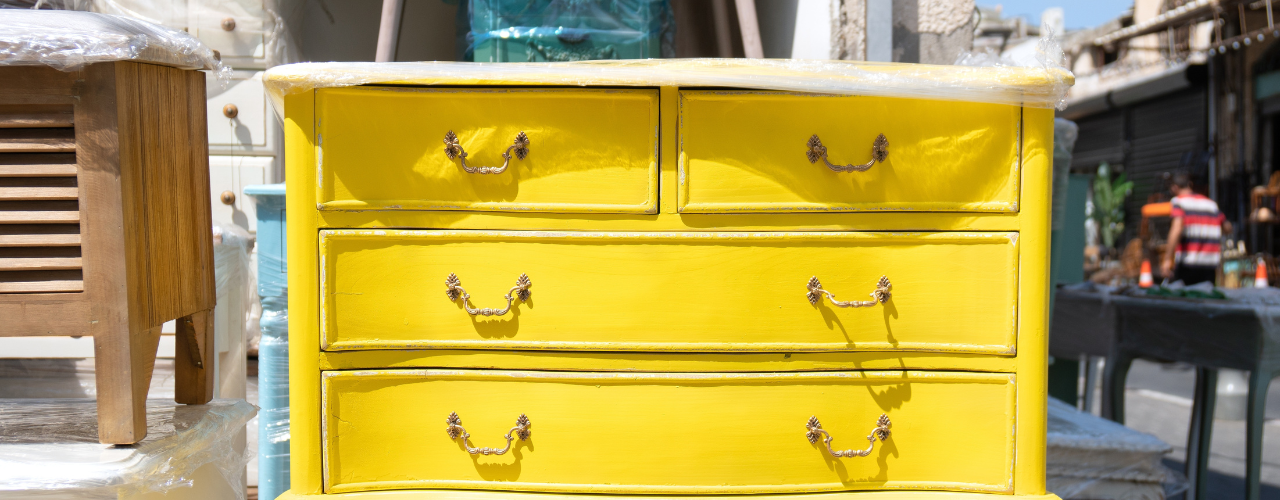
Where to Donate Furniture in Philadelphia
Philadelphia has a strong tradition of giving back, and donating furniture is a practical way to support local charities while freeing up space in your home. Whether you’re downsizing, moving, or just decluttering, there are plenty of organizations ready to take your gently used furniture. And if you’re not ready to part with certain pieces just yet, self-storage can buy you time to decide.