

Owning collectibles can be an exhilarating journey — from the moment you discover your passion to every step you take to grow your collection. With every new item added, whether it’s comics, coins, fine art, jewelry, Barbie dolls or some other type of collectible, there’s a lot to consider, from organizing and storing your collection to insurance. While your homeowner’s insurance does offer some coverage, it often is insufficient for valuable collector’s items. That’s why it’s important to consider dedicated collectible insurance. To help you find the best option for your needs, we’ve put together a list of some of the best companies offering collectible insurance below:
1. American Collectors Insurance
American Collectors Insurance is an insurance company created by collectors for collectors in 1976. Through their standard policies, you can get coverage for theft, fires, natural disasters and floods. Consider the Agreed Value Coverage, which covers your collection at full value once it is assessed by their insurance specialists. They also offer the Inflation Guard Protection, a policy that adjusts the agreed value of your collectible up to 6% in case of total loss of your collection.
If you’re in the process of growing your collection, the Automatic Coverage of New Additions feature ensures that new purchases are covered up to $2,000 with a 30-day notice on the part of the collector. With Collector’s Choice, items being shipped, stored away from your home or those used only on special occasions also receive the protection they need. Through the Special Policy Enhancements, you get special coverage for collectibles in use.
2. Chubb
Established in 1882, Chubb is one of the largest publicly traded insurance companies and also one of the oldest in existence. It’s currently offering its services in all 50 states and in over 54 countries. If you have individual jewelry pieces valued at $100K or more, fine art items valued at $250K or collectibles valued at $50K or more, the company requires appraisals. For other kinds of items, you’ll need to provide them a detailed description and an estimated value of the item to be insured. Chubb also offers insurance for your home, vehicles, liability insurance and insurance against natural disasters and for customized items.
3. Collectibles Insurance Services
Collectibles Insurance Services is the perfect insurance company if your collectibles include sports memorabilia. The company was founded in 1966 and enjoys an AM Best rating of A nationwide. Insurance for sports items works on an individual basis. The policy offers coverage in case of burglary, accidental breakage, fire, natural disasters, theft and flood (except in zones A and V). The company doesn’t require appraisal for sports collectibles except for items valued at over $25K. They also offer coverage for memorabilia kept in a storage unit — preferably in a climate-controlled unit, best suited to help keep them in good condition. Deductibles for collector’s policies start at $0. Moreover, collectors can be reimbursed for their losses exceeding $50.
4. Progressive
Founded in 1937, Progressive offers various insurance policies and, in recognition of their services, they hold an AM Best rating of A+. Under the umbrella of homeowner’s insurance, you can have some artwork pieces covered as well. However, if you need to insure more expensive artwork items, you might need a separate policy. Rates are generally 1.5% or 2% of each piece you’re insuring. Make sure to contact them to get a precise cost. Progressive doesn’t typically require an appraisal of all art pieces, but they do review your collection and might require an appraisal based on the value of your collection and home. Progressive also offers auto, finance, property, personal and business insurance.
5. USAA
USAA can also help you get coverage for various collections including military memorabilia, vintage dolls, action figures and bears, model trains, wine, Christmas collectibles, stamps and coins, fine crystal, figurines, sports memorabilia, movies, animation and advertising memorabilia. Turn to USAA for coverage of your collectibles when your homeowner’s insurance might not offer protection for them. The Agreed-Value Coverage offers coverage for an item’s full insured value without depreciation. The Broad Protection features protection in case of accidental breakage, theft, fire, flood, hurricane, earthquake and more. With the Inflation Guard, you get increases for items worth more than $2,000 by 2% quarterly. Under Automatic Coverage, you can add newly acquired items up to $2,000 and you get coverage for 30 days.
6. BHI Insurance Associates
BHI Insurance Associates works as an insurance brokerage company, with 48 insurance carriers that they collaborate with, The Hartford being one of them. The company’s brokers search for the best policy to match your needs and will assist you in filing a claim. BHI can also assist you in appraising your collection, which they offer bundled with your homeowner’s insurance. For a separate policy on your collectibles, the cost will hover at around 1% or 2% of the collection’s value.
Established in 1974, BHI Insurance Associates offers a variety of insurance policies, including auto, homeowner’s, renter’s, motorcycle, boat and yacht and jewelry. They also offer insurance for commercial products. They mainly operate in New Jersey and serve customers from other states as well, but they need to determine eligibility based on your collection size and value.
7. Arroyo Insurance Services
Arroyo Insurance Services has been in business since 1950 and offers a unique insurance service — they cover Persian rugs. Their policy allows you to keep your rugs insured even when they’re on loan to someone. Why would you need a separate policy for your Persian rug? While homeowner’s insurance can also cover your Persian rug, that won’t be the case if the item is appraised above the homeowner’s insurance policy limit. Arroyo partners with carriers such as Zurich and Travelers, leading to an annual premium of 2% of the Persian rug’s value. When determining whether you can insure your Persian rug, you need to provide proof of ownership, bill of sale, appraisal, a replacement estimate and photographs.
8. Berkley
Berkley is a household name for collectible insurance, offering their expertise on caring for and protecting collections and more. Their collectibles insurance can cover many damages that personal, corporate collections and collections held in trust may lack coverage for. Berkley insures antiques, art, vehicles, coins, musical instruments, sports memorabilia, jewelry, stamps, vintage couture, wine and rare books. When it comes to collections owned by corporations or LLCs, Berkley can combine commercial business insurance with the fine arts and collectible policies. This translates to only one deductible in case of damage or loss incurred to your property and collectibles.
Personal collectors can benefit from additional coverages such as damage caused while being restored, costs related to research and legal defense in the case of a challenge to a title, costs associated with testing whether artwork is authentic or not and art that’s transiting between museums, exhibitions and homes, as well as collectibles in the care or custody of other people. The company also offers coverage to the tune of 200% of the scheduled value in case of loss to an item by an artist who recently passed away.
Moreover, the company also offers risk management services to mitigate losses and can recommend art advisory specialists who can put you in contact with art professionals. The company conducts art reviews, offers packing and shipping tips, storage facility surveys and more.

9. WAX Insurance Services
WAX Insurance Services is an insurance company that offers coverage for your valuables in case of loss, theft or damage. The company offers coverage for over 20 types of collectibles, including art, watches, trading cards, sports memorabilia and other items through their dedicated policy. To determine the value of your collection, WAX Insurance Services will verify the value of your items through an internal asset valuation process to check whether they’re in the right value range to be insured.
You can get an insurance policy from WAX Insurance Services — underwritten by Chubb — that comes with coverage both at home and worldwide. Appraisals are needed for individual fine art items worth more than $250K, jewelry exceeding $100K in value and collectibles whose value is over $50K. You can get coverage of up to 90 days for newly acquired items.
10. HWI International
HWI International is another company that’s been helping to keep collectibles safe for over 35 years. They work with reputable insurance companies to help you get the ideal coverage for your collection. Their policy covers memorabilia, books, medals, militaria, stamps, coins and toys. You might need a specialist policy for more in-depth coverage. Through their coverage, your collection is safe at home, in transit, in a security deposit box or even while on display.
Now that you’ve become more familiar with the world of insurance companies for your collectibles, all you have to do is find the right policy for your special items and rest easy knowing they’re well protected.


Scary Good DIY Halloween Decorations That Won’t Haunt Your Wallet
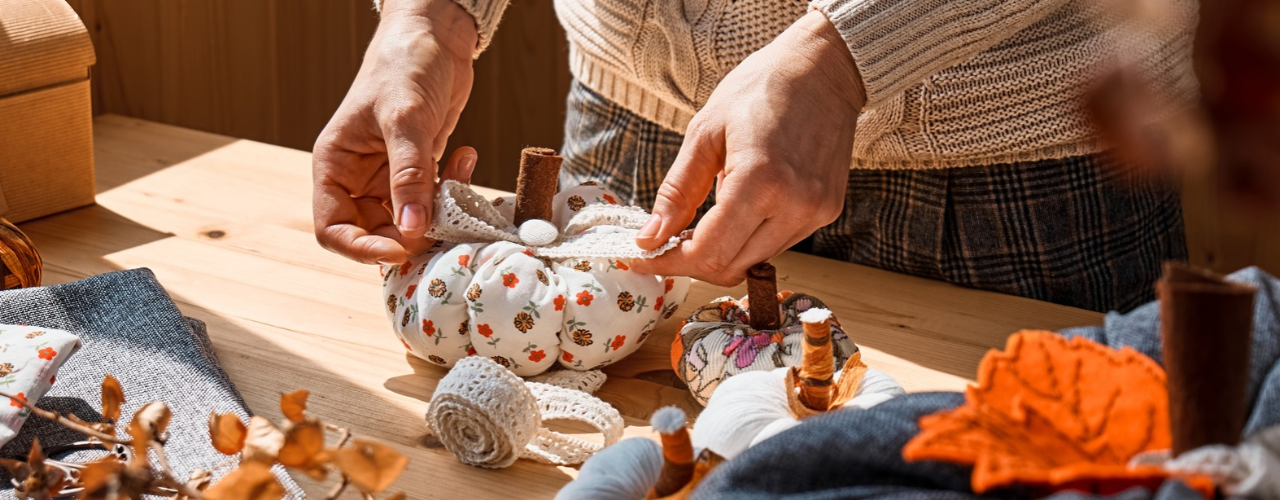
A few floating candles in the hallway, a family of ghosts by the front door and a suspicious number of bats climbing up the bedroom wall can make October feel a whole lot spookier. While Halloween stores are full of tempting finds, some of the best DIY Halloween decorations can come from things you already have tucked away in drawers, closets or the recycling bin.

Suburban Giants and Urban Risers: Where America’s 100 Largest Metros Fall on the Self Storage Map
Self storage has long been a suburban story. Across America largest 100 metros, 59% of the inventory built over the past decade sits outside city cores, largely preserving the ratio of the total existing inventory.
Sweatshirt Storage Ideas Worth Keeping Up Your Sleeve
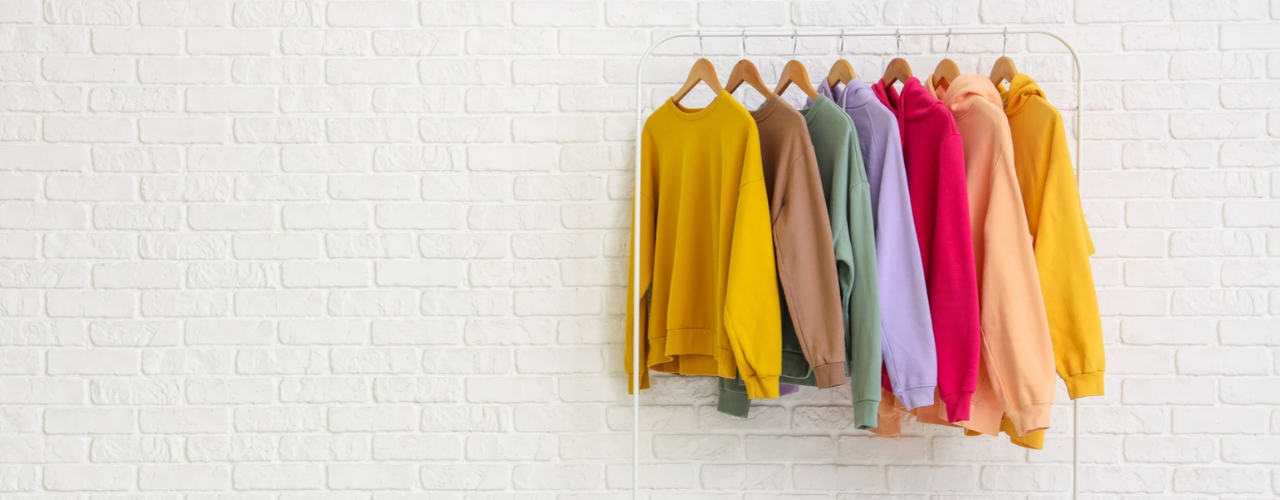
Sweatshirts are great until you realize how much room they take up. A few thick hoodies can fill a drawer fast, with lighter crewnecks getting squashed underneath or pushed somewhere you forget about. Good sweatshirt storage can make that pile much easier to manage without requiring a bigger closet.

Living Room Storage Ideas: 28 Ways to Reclaim Your Hosting Space
If a living room is where most of a household’s living happens, good storage should be the top priority for setting up or revamping the place. After all, think of how easier it would be to have people over when tidying up the place is just a matter of putting things in their right place (in a time when fewer and fewer people are entertaining friends at home(opens in new tab)). The trick is making room for all those wayward clothes, blankets, chargers and other small things that end up on (or, inexplicably, in) the sofa. Here are 28 living room storage ideas to get you started and make tidying up a quick affair.
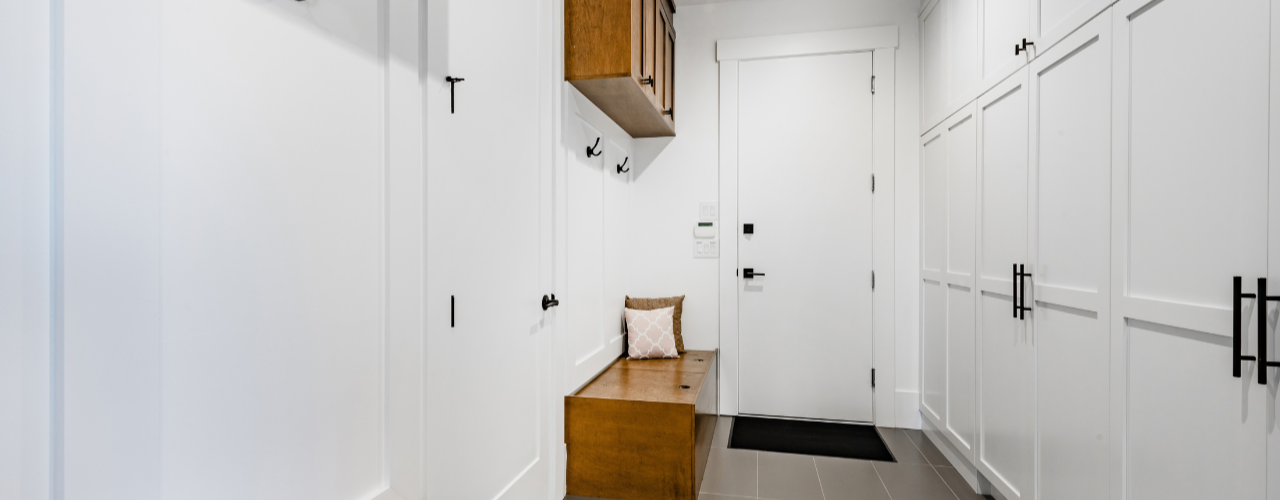
25 Mudroom Storage Ideas (And Mistakes to Avoid)
When you come home with muddy boots, an armful of bags and a coat you can’t wait to take off, it’s nice to have somewhere to put it all. With a mudroom, you can leave the outdoor mess at the door instead of carrying it through the house. Traditionally, you’d set aside a separate room, but you can just as easily use a hallway, an entryway closet, a laundry-room corner or a stretch of wall near the entrance.

Is Your Home Office Worth the Rent? What Coworking and Self Storage Could Save You
Every square foot of your apartment comes with a price tag, and a home office claims more of them than most renters expect. It starts with a desk. Then come the second monitor, the printer, the filing cabinet and the overflow boxes. Before long, the corner you set aside for work has turned into a small room you are paying for every month.

Best U.S. Cities to Live Uncluttered: Plano, TX, Offers the Most Room to Breathe
Clutter is in our homes as much as in our heads. Both are shaped by where we live.

America’s Top Snowbird Destinations for 2026–2027: Florida Leads in Numbers, Texas Wins on Value
For Americans living in colder states, the approach of winter is reason enough to start looking south. Cold weather carries costs that go beyond the heating bill and shoveling snow. Seasonal affective disorder(opens in new tab) is far more prevalent in northern states, so a temporary move south isn’t simply an escape from the cold, but a chance to spend the hardest stretch of winter outdoors and in the sun.
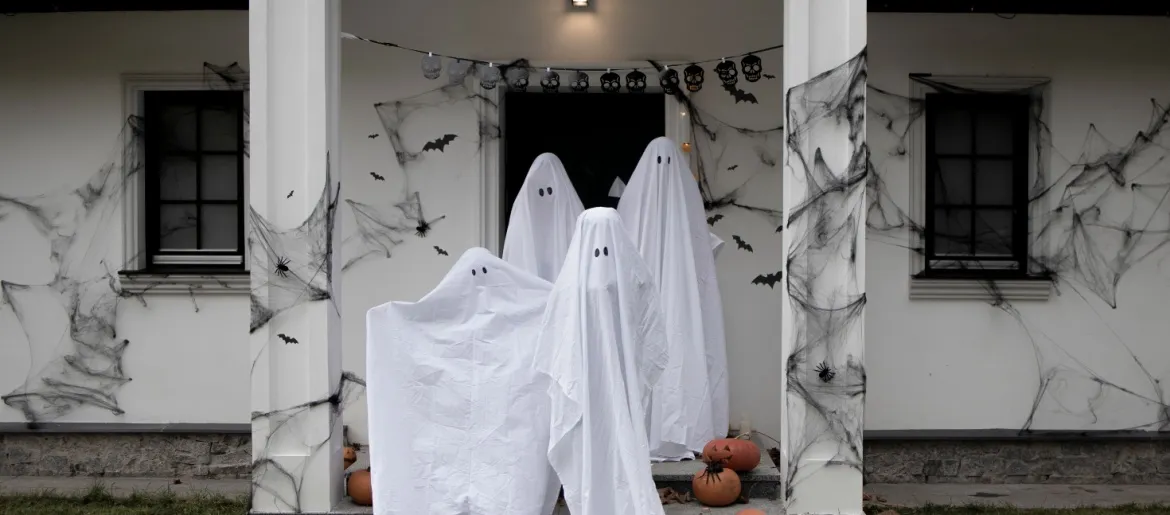
How Much Does Halloween Really Cost in 2026? Plan Wisely to Avoid the Scare of Hidden Costs
Americans’ love for Halloween is almost frightening — this year alone, we are on our way to spending $13.5 billion, according to data from the National Retail Federation(opens in new tab). That breaks down to about $115 Halloween costs per person, a whopping 49% more than 10 years ago.