
Do You Need Climate-Controlled Storage? A Practical Guide to Making the Right Call

Most people need climate-controlled storage for one of the following reasons: they’re storing valuable items that can be damaged by unchecked temperature or humidity, they live in a climate with extreme weather conditions or they plan to store their belongings for an extended period.
If that’s not your case, you might be just fine with a regular, non-climate-controlled unit. Climate-controlled self storage costs slightly more than regular storage, and many renters want to know if the added protection and thus the steeper cost is actually necessary.
Our guide will help you work through those factors and decide whether climate-controlled storage is worth it for your situation. That way, you can optimize self storage to your needs, both functionally and financially.
What actually damages stored items?
When it comes to belongings in a self storage unit, particularly those stored long-term, most of the damage comes from humidity, heat, cold and repeated temperature fluctuations. Climate-controlled storage helps reduce these risks by maintaining a more stable environment inside the unit.
Many people focus on the items themselves, but the real question is what conditions those items will be exposed to over time. Once you understand what causes damage, it becomes much easier to decide whether climate control is necessary.
Is humidity the biggest threat to stored belongings?
In many parts of the country, yes. Humidity is often responsible for the most expensive and difficult-to-reverse storage damage.
Excess moisture can cause mold and mildew growth, rust and corrosion, warped wood, musty odors and damaged paper products. Books, photographs, documents, upholstered furniture and clothing are particularly vulnerable. The problem is that humidity-related damage develops gradually. Items can look perfectly fine when they go into storage, only to emerge months later with signs of deterioration.
Can heat damage items in storage?
Absolutely. Extended exposure to high temperatures can degrade many common household materials.
Electronics, leather goods, plastics, vinyl records, candles and certain adhesives all react poorly to prolonged heat. Wood furniture can dry out and crack, while leather may become brittle over time. In hotter regions of the country, summer temperatures inside non-climate-controlled units can become significantly higher than outdoor temperatures.
Does cold cause damage too?
Cold can be damaging, although usually in different ways than heat or humidity.
Some materials become brittle in freezing temperatures, while certain liquids can expand and cause damage. However, the larger concern is often condensation. Once the winter passes and your belongings become exposed to warmer air, moisture can form on surfaces, potentially damaging electronics, documents and other sensitive belongings.
Why are temperature swings so problematic?
Frequent changes in temperature can be just as damaging as extreme temperatures themselves.
Materials naturally expand and contract as temperatures change. Over time, that repeated movement can stress a wide variety of expensive belongings, such as wood furniture, musical instruments, artwork and electronics, to name a few. Climate-controlled storage helps reduce these cycles by keeping conditions more stable throughout the year.
Does weather in your area make climate-controlled storage necessary?
Often, yes. Climate is one of the biggest factors in determining whether climate-controlled storage is worth the extra cost. The more extreme (hotter, colder or humid) your area is, the more likely climate control will provide meaningful protection.
A standard storage unit in coastal San Diego, CA, where temperatures stay relatively mild year-round, presents a very different environment than one in Houston, TX, where high heat and humidity can encourage mold and mildew, or Phoenix, AZ, where prolonged extreme heat can damage materials such as wood, leather, vinyl and electronics. That’s why a storage decision that makes sense in one part of the country may not be the right choice in another.
Is climate-controlled storage worth it in humid regions?
In many cases, yes. The Gulf Coast and much of the Southeast experience long periods of high humidity throughout the year. States such as Florida, Louisiana, Mississippi, Alabama and coastal Texas create conditions where mold, mildew and moisture-related damage become legitimate concerns for a wide range of belongings.
If you’re storing furniture, clothing, documents, books or electronics in these regions for more than a short period, climate control is often worth considering.
Is climate-controlled storage worth it in hot, dry climates?
Often yes, but for different reasons. In places like Arizona, Nevada and parts of inland California, humidity is usually of little concern. However, extreme heat can last for many months of the year and prolonged exposure to high temperatures can accelerate the aging of electronics, plastics, adhesives and certain furniture materials.
Climate control helps by reducing temperature extremes, even when moisture isn’t a major issue.
What about cold climates?
In northern states, climate control can help protect against repeated freeze-thaw cycles and seasonal temperature swings.
Minnesota, Wisconsin, Michigan and other Upper Midwest states experience dramatic shifts between summer and winter. Even if humidity or heat isn’t a year-round concern, the constant cycling between hot and cold can take a toll on sensitive belongings.
Where is standard storage usually enough?
In regions with relatively mild temperatures and moderate humidity, standard storage is often sufficient for many household items.
Parts of the Pacific Coast tend to fall into this category. That doesn’t mean climate control never makes sense there, but the decision depends more heavily on what you’re storing rather than the environment itself. If you’re storing antiques, collectibles, artwork and other very expensive and delicate items and you plan to keep them in the storage unit for several months or longer, then you should still consider getting climate-controlled storage if available.
Are climate-controlled units necessary for short-term storage?
Usually not. If you’re storing belongings for a few weeks while moving, renovating or transitioning between homes, a standard storage unit is often perfectly adequate for most household items.
There can be exceptions, naturally, with highly sensitive belongings, but for typical short-term storage, climate control is rarely essential.
What about storage for one to three months?
This is where the answer becomes more dependent on your climate and the items you’re storing.
A few months of storage in a mild climate may pose little risk to most categories of items people normally put in self storage. However, the same storage period in a hot or humid environment may justify climate control, particularly for furniture, electronics, books or documents.
When does climate control become more important?
Generally speaking, once storage extends beyond three months, you should consider a climate-controlled unit. The longer your items remain in storage, the more opportunity there is for humidity, heat and temperature fluctuations to cause gradual damage. Climate control becomes valuable for a much wider range of belongings as storage duration increases.
Is climate-controlled storage worth the extra cost?
Climate-controlled storage is usually worth the extra cost when you’re protecting valuable, sensitive or difficult-to-replace belongings for more than a few weeks. You don’t want to risk damaging items that are expensive to repair or even impossible to replace just to save a few extra dollars per month.
When is climate-controlled self storage clearly worth the extra cost?
Climate-controlled storage is often the right choice for:
- Electronics
- Solid wood furniture
- Artwork
- Musical instruments
- Leather furniture
- Important documents
- Photographs
- Wine collections
These items tend to be sensitive to humidity, temperature fluctuations or both. If they’re valuable, irreplaceable or expensive to restore, climate control is usually money well spent.
When is standard storage usually fine?
A standard self storage unit is often sufficient for:
- Tools
- Outdoor furniture
- Lawn equipment
- Durable sporting goods and camping gear
- Garage items
- Short-term household storage
These belongings generally tolerate environmental changes better and are less likely to suffer meaningful damage.
Which items fall into the gray area?
How some belongings fare in self storage depends heavily on climate and storage duration. Books, clothing, mattresses, upholstered furniture and family photographs often fall into this category. In a dry climate for a month or two, standard storage may be perfectly adequate. In a humid climate for six months or longer, climate control becomes much easier to justify.
How can you use climate-controlled storage effectively?
Climate-controlled storage reduces environmental risks, but it doesn’t eliminate them. Proper packing, organization and monitoring still matter. A climate-controlled unit is not a substitute for good storage practices.
Does airflow still matter?
Yes. Even in climate-controlled units, air circulation helps prevent stagnant pockets of moisture. Avoid packing boxes and furniture tightly against walls. Leaving small gaps between items promotes airflow and helps maintain consistent conditions throughout the unit.
Are airtight plastic containers always better?
Not necessarily. Plastic bins are excellent for protection against dust and pests, but they can also trap moisture that can create condensation problems, even inside a climate-controlled environment. Generally, it’s not recommended to store leather or natural fiber items, whether it’s shoes, clothes or other accessories, in airtight containers. The same precaution applies to things like paintings and old photos.
And, as a general rule, always allow items to dry thoroughly before sealing them away.
What should you look for during follow-up visits?
Pay attention to signs that conditions inside the unit aren’t as stable as they should be. Musty odors, visible condensation or damp cardboard can all indicate potential issues that should be addressed before they affect your belongings.
Do stored items need time to acclimate?
Sometimes. If you’re moving items into a climate-controlled storage unit during very hot or very cold weather, allow them to adjust gradually to the stable conditions inside.
For example, bringing a freezing-cold guitar, camera or wooden piece of furniture directly into a warmer, climate-controlled unit can cause condensation to form as the item warms up. Electronics, musical instruments and solid wood furniture are especially sensitive, so giving them a little time to acclimate before sealing them in protective covers or containers can help reduce the risk of moisture-related damage.
FAQs about climate-controlled storage
Is temperature-controlled storage the same as climate-controlled storage?
No. Temperature-controlled storage regulates temperature, while climate-controlled storage goes a very important step further and typically regulates both temperature and humidity. Because facilities don’t always use these terms consistently, it’s worth asking specifically whether humidity control is included.
Does climate-controlled storage prevent mold completely?
No. Climate control significantly reduces the risk of mold, but it doesn’t eliminate it entirely. Belongings should still be clean and completely dry before being placed into storage.
How do I know whether a unit is actually climate-controlled?
Ask how the facility manages both temperature and humidity, whether conditions are monitored and what range they typically maintain. Climate-controlled units are often located inside enclosed buildings rather than being directly accessible from the outdoors.
So, do you need climate-controlled storage?
For most renters, the answer comes down to three questions: What are you storing? Where are you storing it? And for how long?
If you’re storing durable items for a short period in a mild climate, a standard unit will often be enough. But if you’re protecting sensitive belongings, storing long-term or dealing with extreme heat, cold or humidity, climate-controlled storage can provide peace of mind and potentially save you from costly damage later.


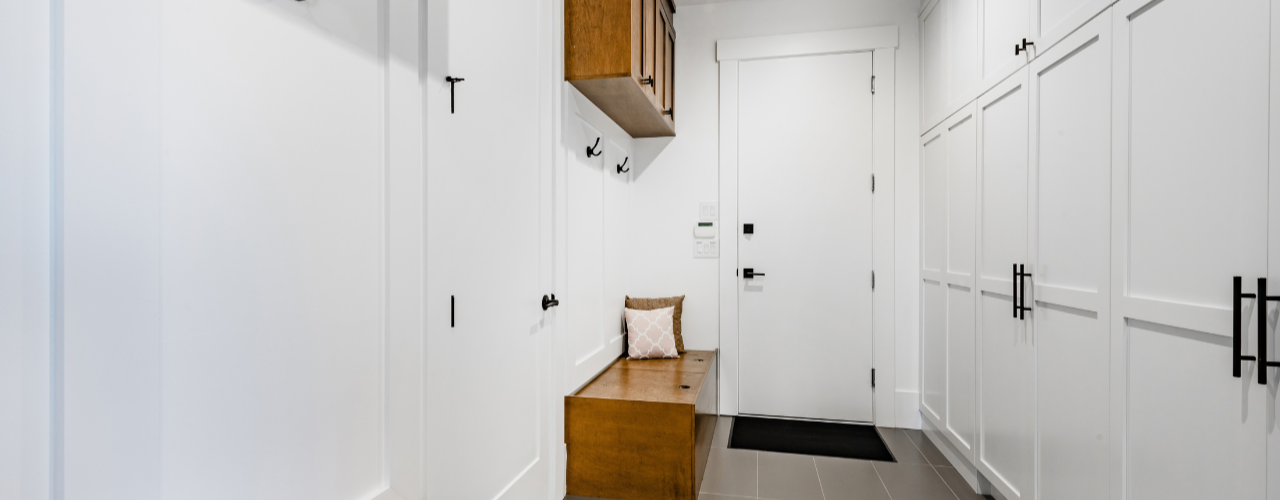
25 Mudroom Storage Ideas (And Mistakes to Avoid)
When you come home with muddy boots, an armful of bags and a coat you can’t wait to take off, it’s nice to have somewhere to put it all. With a mudroom, you can leave the outdoor mess at the door instead of carrying it through the house. Traditionally, you’d set aside a separate room, but you can just as easily use a hallway, an entryway closet, a laundry-room corner or a stretch of wall near the entrance.

Is Your Home Office Worth the Rent? What Coworking and Self Storage Could Save You
Every square foot of your apartment comes with a price tag, and a home office claims more of them than most renters expect. It starts with a desk. Then come the second monitor, the printer, the filing cabinet and the overflow boxes. Before long, the corner you set aside for work has turned into a small room you are paying for every month.

America’s Top Snowbird Destinations for 2026–2027: Florida Leads in Numbers, Texas Wins on Value
For Americans living in colder states, the approach of winter is reason enough to start looking south. Cold weather carries costs that go beyond the heating bill and shoveling snow. Seasonal affective disorder(opens in new tab) is far more prevalent in northern states, so a temporary move south isn’t simply an escape from the cold, but a chance to spend the hardest stretch of winter outdoors and in the sun.
How Much Does Halloween Really Cost in 2026? Plan Wisely to Avoid the Scare of Hidden Costs
Americans’ love for Halloween is almost frightening — this year alone, we are on our way to spending $13.5 billion, according to data from the National Retail Federation(opens in new tab). That breaks down to about $115 Halloween costs per person, a whopping 49% more than 10 years ago.
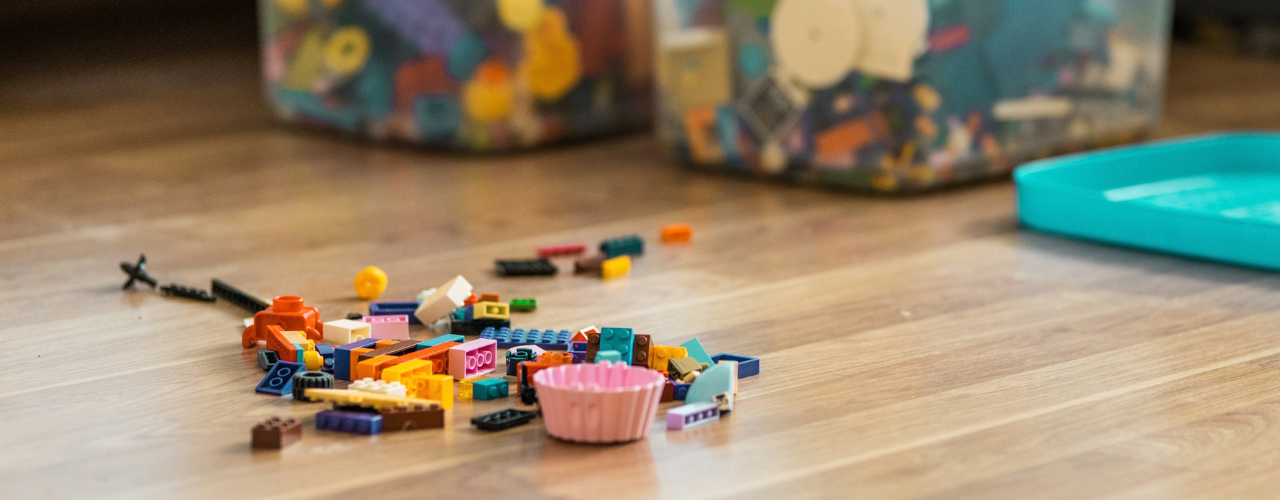
How to Store LEGOs: All the Fun, None of the Clutter
How to store LEGOs largely comes down to how your household uses them. If the bricks are part of everyday play, you need a setup that keeps them within easy reach and makes cleanup quick (for your feet’s sake, at least). Toy storage(opens in new tab) such as simple bins, playmats or containers that children can put away themselves may be enough. Larger or more serious collections usually need more organization, such as labelled drawers for loose pieces, trays for unfinished builds, shelves for completed models and separate storage for retired sets.
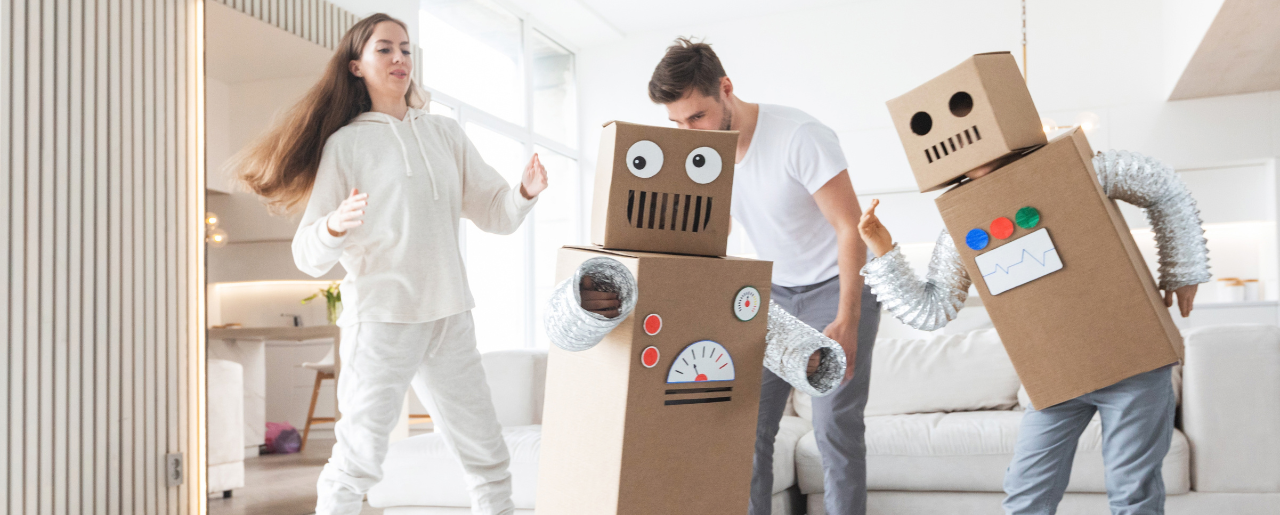
Cardboard Costume Guide: Tips and Ideas for a DIY Halloween
Whether for kids or adults, cardboard costume ideas often make the biggest splash once materialized, and that’s for a simple reason: doing a lot with a little is a universally impressive feat (especially in this economy). If you don’t have enough boxes you could temporarily repurpose, don’t worry! There are many places where you can find free moving boxes(opens in new tab), from stores and supermarkets to online groups and recycling drop-off spots. On the run? Try your luck at a self storage(opens in new tab) facility that sells moving supplies, often for cheap. This way, you can choose moving boxes of different shapes and sizes(opens in new tab), so you can make your costumes as complex as you want.

How to Celebrate Halloween: 9 Non-Spooky Ways To Enjoy It
As soon as October starts, it’s the official Halloween month. And while for many people it means it’s open season to get the scare of a lifetime, others, especially families with small children, might prefer to celebrate in a tamer way that’s both kid- and adult-friendly. While you’re likely to find more events where the spook factor is high, here’s how to celebrate Halloween in a not-so-scary way:

Motorcycle Storage Guide: How to Store Your Bike Safely
Motorcycles may be born to be wild, but eventually even the wild ones need somewhere to park. Whether riding season is winding down or your current living situation comes with plenty of square footage for you and less for your bike, motorcycle storage is one of those parts of ownership that doesn’t get as much airtime as the open road.

Halloween Decorating on a Budget (And Cheap Ideas for Everything Elsee)
Halloween has crept a long way from its eerie origins. While All Hallows’ Eve has transformed through the centuries, it wasn’t until the 1930s that trick-or-treating became a tradition in the U.S. and businesses began conjuring up mass-produced Halloween costumes. Now, Halloween is a monster-sized, billion-dollar industry, with a cauldron full of costumes and decorations ranging from the mainstream to the macabre. But is it all really worth your wallet? Maybe, but we’ll let you in on a little secret: You can keep your Halloween decorating on a budget and save on everything else, too. Take this plan and see it through!