

Moving to a new home is an exciting adventure filled with anticipation for the fresh beginnings that lie ahead. However, moving also involves the chaos of packing boxes and coordinating logistics — and then there are the moving costs to consider. Most people planning a move try to set up a moving budget that’s realistic and takes into account all the costs of moving.
However, it’s easy to overlook certain expenses, which can quickly add up. While you may diligently budget for obvious costs such as hiring movers, renting a moving truck and purchasing moving supplies, there are many unexpected moving costs that often go unnoticed. To help you navigate your move with financial savvy and foresight, we are shining a spotlight on the top 11 hidden moving costs that should definitely be a part of your budget.
1. Cleaning costs

Leaving your old home in pristine condition is not only polite but may also be a requirement outlined in your lease or sale agreement. Whether you are hiring professional cleaners or doing it yourself, it still costs money. The average move-out cleaning cost hovers around $360, but it can go up or down depending on the size of the home and other factors as well. Cleaning supplies, particularly if your home requires deep cleaning or specialized treatments, can be quite expensive. If you’re the one doing the cleaning, you might even have to take time off from work, which can also count as a cost.
2. Extra insurance
Many moving companies or truck rental companies offer basic insurance coverage as part of their services. However, this might not fully protect the value of your possessions. To ensure adequate protection, especially for expensive and delicate items or long-distance moves, it’s recommended that you purchase additional coverage. This can typically be arranged through the moving company or a third-party insurance provider. Additional insurance options may include full replacement value coverage, which provides reimbursement for the full cost of repairing or replacing damaged items, or separate insurance policies specifically tailored for moving-related risks.
3. Self storage costs
While moving, you may find yourself in need of temporary storage for your belongings. This can be due to stars not aligning in terms of lease dates, delays in move-in arrangements or remodeling plans you may have before moving in all your possessions. Renting a storage unit provides a convenient solution, but, obviously, one that comes with associated rental fees.
Renting a 10’x10’ storage unit hovers around $122 per month nationally, but prices can vary significantly depending on where you live. For example, this size storage unit in New York City costs around $246 per month, while the same size unit in Austin, TX, is significantly more affordable, at $113 per month. To help you set up your budget, you can see below the self storage street rates in some of the country’s largest cities — or, if you’re moving somewhere else, you can look for the local self storage prices yourself.
[vc_column width=”1/3″][vc_column_text]
[/vc_column_text][/vc_column]
[vc_column width=”1/3″][vc_column_text]
[/vc_column_text][/vc_column]
[vc_column width=”1/3″][vc_column_text]
[/vc_column_text][/vc_column]
4. Handling fees for special items

The moving company might impose additional charges for the transportation of large, bulky items or specialized items that require extra care, extra packaging or more labor to move safely. Special items usually include antiques, fine arts, collectibles, large musical instruments such as pianos or organs, pool tables, and large home appliances. If you are planning to move such items (or others that are equally challenging to handle), you should discuss it with the moving company so that they can provide an accurate budget. This will help avoid last-minute surprises in terms of costs. If you are planning a DIY move, it’s still recommended to hire professionals at least for these specialty items to minimize the risk of damage during handling and transportation.
5. Utility setup and transfer fees
Switching your utilities to a new address often entails setup and transfer fees that can catch you off guard. Whether it’s activating new utility accounts, transferring services or disconnecting existing utilities, these fees can vary depending on your location and service providers. Be sure to contact providers at both your existing address and the new one and ask about those expenses so that you can budget properly.
6. Pet relocation costs

If you have furry or feathered companions, don’t forget to account for the expenses associated with their relocation. Whether you’re transporting pets via air or ground, there are costs involved in securing pet-friendly accommodations, obtaining health certificates and complying with transportation regulations. Additionally, consider the potential need for pet-boarding services during the moving process. It might be a good idea to book your pets in a pet hotel for a night instead of having to keep an eye on them during the chaos of moving day.
7. Food, refreshments, and accommodation
Amid the hustle and bustle of moving day, it’s easy to overlook the need for sustenance. Whether you’re enlisting the help of friends and family or hiring professional movers, providing food and refreshments is a thoughtful gesture that can help keep everyone fueled and motivated. Budget for snacks, drinks and meals to ensure a smooth and efficient moving experience. Also, if you are driving the moving truck long-distance yourself, you should budget for food and accommodation during the road trip.
8. Vehicle maintenance
If you’re embarking on a long-distance move or transporting your belongings using your personal vehicle, don’t forget to factor in the cost of vehicle maintenance and fuel. Long hours on the road can take a toll on your vehicle, necessitating routine maintenance such as oil changes, tire rotations and fluid checks. Additionally, budget for fuel expenses based on the distance of your move and current gas prices.
Although not mandatory, it is customary to tip the movers if you are hiring a moving company. Tipping is a gesture of appreciation for the hard work and professionalism of the moving crew who are handling your belongings. The amount you choose to tip can vary depending on factors such as the size and complexity of the move, the level of service provided and your satisfaction with the overall experience.
As a general guideline, it’s recommended to tip each mover individually rather than giving a lump sum to be divided among the crew. The typical range for tipping movers is between $20 and $50 per mover for a standard local move and between $50 and $100 or more per mover for a long-distance move or larger, more complex move. If you’re unsure about how much to tip, consider factors such as the difficulty of the move, the distance traveled and any additional services provided by the movers, such as packing or heavy lifting.
10. Replacement and upgrade cost
Moving presents an opportunity to go over your belongings and determine what items you may need to replace or upgrade in your new home. Whether it’s outdated furniture, worn-out appliances or mismatched decor, budgeting for replacements or upgrades can help you create a fresh and functional living space that reflects your personal style and preferences.
11. Miscellaneous expenses
Finally, don’t overlook the myriad miscellaneous expenses that can arise during the moving process. From parking permits and toll fees for the moving truck to unexpected emergencies, it’s important to set aside a contingency fund to cover other unforeseen expenses that may arise.
Whether you’re moving across town or across the country, it’s smart to consider all potential expenses that could impact your budget. Proactive planning and foresight are key to a successful and stress-free move.



Scary Good DIY Halloween Decorations That Won’t Haunt Your Wallet
A few floating candles in the hallway, a family of ghosts by the front door and a suspicious number of bats climbing up the bedroom wall can make October feel a whole lot spookier. While Halloween stores are full of tempting finds, some of the best DIY Halloween decorations can come from things you already have tucked away in drawers, closets or the recycling bin.

Suburban Giants and Urban Risers: Where America’s 100 Largest Metros Fall on the Self Storage Map
Self storage has long been a suburban story. Across America largest 100 metros, 59% of the inventory built over the past decade sits outside city cores, largely preserving the ratio of the total existing inventory.

Sweatshirt Storage Ideas Worth Keeping Up Your Sleeve
Sweatshirts are great until you realize how much room they take up. A few thick hoodies can fill a drawer fast, with lighter crewnecks getting squashed underneath or pushed somewhere you forget about. Good sweatshirt storage can make that pile much easier to manage without requiring a bigger closet.

Living Room Storage Ideas: 28 Ways to Reclaim Your Hosting Space
If a living room is where most of a household’s living happens, good storage should be the top priority for setting up or revamping the place. After all, think of how easier it would be to have people over when tidying up the place is just a matter of putting things in their right place (in a time when fewer and fewer people are entertaining friends at home(opens in new tab)). The trick is making room for all those wayward clothes, blankets, chargers and other small things that end up on (or, inexplicably, in) the sofa. Here are 28 living room storage ideas to get you started and make tidying up a quick affair.
25 Mudroom Storage Ideas (And Mistakes to Avoid)
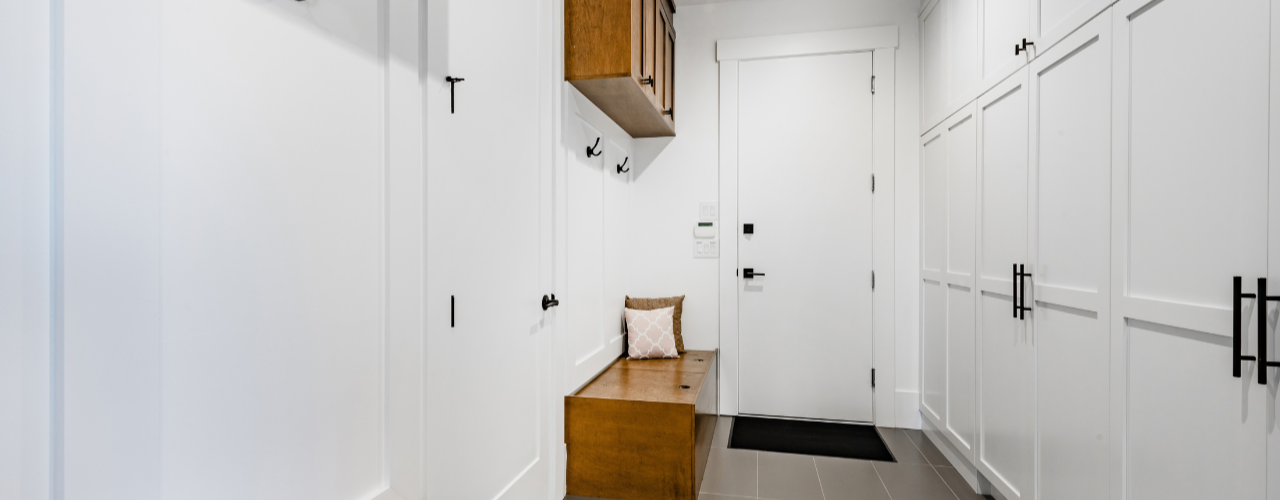
When you come home with muddy boots, an armful of bags and a coat you can’t wait to take off, it’s nice to have somewhere to put it all. With a mudroom, you can leave the outdoor mess at the door instead of carrying it through the house. Traditionally, you’d set aside a separate room, but you can just as easily use a hallway, an entryway closet, a laundry-room corner or a stretch of wall near the entrance.

Is Your Home Office Worth the Rent? What Coworking and Self Storage Could Save You
Every square foot of your apartment comes with a price tag, and a home office claims more of them than most renters expect. It starts with a desk. Then come the second monitor, the printer, the filing cabinet and the overflow boxes. Before long, the corner you set aside for work has turned into a small room you are paying for every month.

Best U.S. Cities to Live Uncluttered: Plano, TX, Offers the Most Room to Breathe
Clutter is in our homes as much as in our heads. Both are shaped by where we live.

America’s Top Snowbird Destinations for 2026–2027: Florida Leads in Numbers, Texas Wins on Value
For Americans living in colder states, the approach of winter is reason enough to start looking south. Cold weather carries costs that go beyond the heating bill and shoveling snow. Seasonal affective disorder(opens in new tab) is far more prevalent in northern states, so a temporary move south isn’t simply an escape from the cold, but a chance to spend the hardest stretch of winter outdoors and in the sun.

How Much Does Halloween Really Cost in 2026? Plan Wisely to Avoid the Scare of Hidden Costs
Americans’ love for Halloween is almost frightening — this year alone, we are on our way to spending $13.5 billion, according to data from the National Retail Federation(opens in new tab). That breaks down to about $115 Halloween costs per person, a whopping 49% more than 10 years ago.